Woodworking Techniques for Beginners: Creating Custom Furniture and Decorations
Unlocking the World of Woodworking
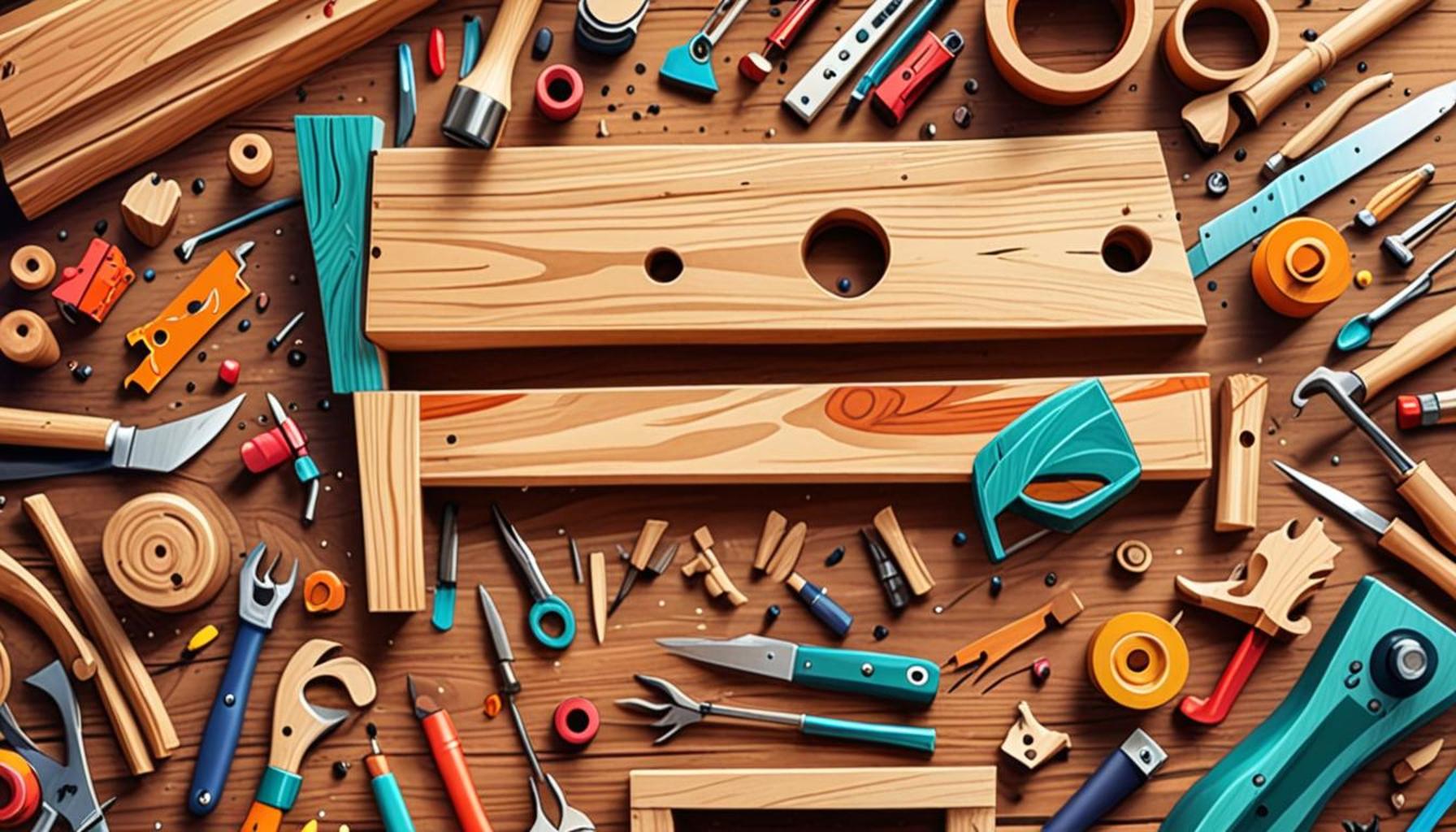
Woodworking is an art form that harmoniously intertwines creativity with craftsmanship, offering endless opportunities for expression and practicality. For newcomers, stepping into this vibrant world may initially seem daunting, yet the rewards are immense and deeply satisfying. With the right woodworking techniques, even the simplest of materials can be transformed into breathtaking custom creations, ranging from furniture to decorative items.
Beginning your journey in woodworking opens up a treasure trove of project possibilities. Here are some exciting ideas that can ignite your passion:
- Custom Shelves: Crafting custom shelves not only brings a touch of personal flair to your home but also addresses your specific storage needs. Consider creating floating shelves, which can add visual interest to a wall while providing a place to showcase books or decorative pieces.
- Unique Tables: Whether it’s a rustic coffee table or an elegantly designed dining table, wooden tables can serve as striking focal points in any room. For instance, using reclaimed wood can give your table a history and character that new materials might lack.
- Wooden Decor: Items like picture frames, candle holders, or intricate carvings not only personalize your space but also make for meaningful gifts. Imagine handcrafting a cherished keepsake for a loved one’s birthday or anniversary—it’s a thoughtful touch that store-bought items can’t replicate.
Mastering essential woodworking techniques is pivotal for anyone starting out. Focus on these foundational skills:
- Measuring and Marking: Accurate measurements are the bedrock of successful woodworking. Using a reliable measuring tape and marking tools ensures that your cuts are precise, reducing errors and material waste.
- Joinery: Understanding various joinery methods is vital for securely connecting pieces of wood. Techniques like dovetail joints or pocket holes can enhance the strength and aesthetics of your projects, allowing you to build structures that are both durable and visually appealing.
- Finishing: After crafting, applying stains, paints, or varnishes can significantly enhance the wood’s beauty and longevity. For example, a clear finish can showcase the natural grain of the wood, while a bold paint color may make a piece pop in a contemporary space.
With each project, you will not only refine your skills but also nurture a gratifying sense of achievement. Whether you’re designing an exceptional furniture item or a handcrafted decoration, the journey of woodworking fosters greater creativity and personal expression. As you progress, don’t hesitate to explore online resources, like woodworking forums or instructional videos, which can provide further insights and inspirations.
So gather your tools, embrace your creativity, and start your exploration of the captivating craft of woodworking today! The only limit is your imagination as you embark on this fulfilling artistic endeavor that offers the chance to create functional artworks for your home.
DIVE DEEPER: Click here to uncover more tips
Getting Started with Essential Woodworking Techniques
As a beginner venturing into the world of woodworking, understanding and mastering some essential techniques will set you on the path to creating impressive furniture and decorations. Each technique contributes to the overall quality, durability, and aesthetics of your projects. Here, we delve deeper into some key methods that every woodworking novice should familiarize themselves with.
1. Choosing the Right Tools
Starting with the right tools is crucial as they directly influence your craftsmanship quality. For beginners, a basic toolkit should include:
- Measuring Tape: Precision starts with accurate measurements. Invest in a sturdy measuring tape that can measure both in inches and centimeters.
- Square: A carpenter’s square ensures your corners are true and square, which is fundamental for a polished finished product.
- Saw: Depending on your projects, consider obtaining both a hand saw and a power saw. A circular saw or a miter saw can make clean and straight cuts with ease.
- Drill: A versatile drill is essential for making holes and driving screws, which are necessary for joinery.
- Sanding Tools: Sandpaper or a power sander will smooth rough edges, providing a professional finish to your work.
2. Understanding Wood Types
Different types of wood offer various benefits and challenges. It’s essential to understand these differences when embarking on your woodworking adventures. Here are some common woods you might encounter:
- Pine: This softwood is easy to work with and an excellent choice for beginners. It is relatively inexpensive, making it perfect for practice.
- <strong/Oak: A hardwood known for its durability, oak has a beautiful grain that can add character to any piece you create.
- Maple: Another hardwood, maple is hard and resistant to scratches, making it ideal for furniture pieces.
- Walnut: With its rich tones and striking patterns, walnut is often used in higher-end furniture projects but can be expensive.
3. Basic Joinery Techniques
Learning various joinery methods is vital as they affect both the strength and aesthetics of your finished products. Here are a few foundational joinery techniques:
- Butt Joints: The simplest form of joining, where two pieces meet at the ends. However, these can be weak without reinforcement.
- Mitre Joints: Angled cuts create a neat, finished look and are commonly used in frame-building.
- Doweling: This technique uses cylindrical rods to connect pieces of wood, providing strength and stability.
- Mortise and Tenon: This strong joinery method involves a slot (mortise) cut into one piece and a tongue (tenon) that fits into it.
By mastering these fundamental techniques, you will establish a strong foundation in woodworking. Accompanying this learning journey with practice will not only enhance your skills but also inspire your creativity. As you gain confidence with these basics, you can gradually explore more advanced projects that will challenge and excite your artistic spirit.
| Category | Details |
|---|---|
| Tools and Materials | Understanding the right tools and materials is crucial for any woodworking project. Beginners should start with essential hand tools like chisels, saws, and a sturdy workbench. |
| Understanding Techniques | Learning fundamental woodworking techniques such as joinery, sanding, and finishing can elevate your projects from basic to remarkable, enhancing both skill and confidence. |
Woodworking is not merely a hobby; it fosters creativity and instills a sense of accomplishment through the creation of custom pieces. By immersing oneself in both the tools and techniques of the craft, beginners can unlock a plethora of possibilities. Each new skill acquired opens doors to unique furniture designs and decorative items, transforming homes into personalized spaces. Emphasizing the importance of practice and experimentation, you will find that woodworking becomes a fulfilling journey, allowing for continuous growth and innovation in your projects. Explore further techniques, such as carving or inlay work, that can enhance your finished pieces and expand your woodworking repertoire.
UNLOCK MORE: Click here to dive deeper
Exploring Advanced Techniques for Custom Creations
After getting acquainted with the basic woodworking techniques, beginners can now dive into more advanced methods that will elevate their craftsmanship and enable them to create stunning custom furniture and decorations. These techniques not only enhance the appeal of your projects but also bolster their structural integrity, allowing you to achieve professional-quality results.
1. Wood Finishing Techniques
A successful woodworking project is often defined not only by its construction but also by its finish. Proper finishing can enhance the natural beauty of the wood and ensure its longevity. Here are several essential wood finishing techniques to consider:
- Staining: If you want to change the color of your wood while showcasing the grain patterns, staining is a fantastic option. Available in a variety of shades, stains can transform plain hardwood into dramatic statement pieces.
- Varnishing: Varnish adds a protective layer to your wood, making it resistant to scratches and moisture. Applying multiple coats can create a high-gloss finish, perfect for furniture that sees daily use.
- Painting: For those looking to add a splash of color to their decor, painting offers endless possibilities. Using primer and paint specifically designed for wood ensures better adhesion and durability.
- Oiling: Oil finishes penetrate wood deeply, nourishing it and providing a warm and natural look. They are easier to apply and maintain, making them an excellent choice for beginners.
2. Carving and Detailing Techniques
Adding intricate details through carving can give your furniture pieces a unique personality. Though it may require practice and precision, the techniques are accessible to anyone willing to take the plunge:
- Relief Carving: This method involves carving figures or patterns that protrude from the background surface. It’s a beautiful way to add depth and texture to flat surfaces.
- Chip Carving: Simple and attractive, chip carving creates decorative designs by removing small chips of wood. It’s frequently seen on drawer fronts and tabletops, adding a folk art element to your pieces.
- Inlay: This technique involves embedding materials such as wood, metal, or even stone in the surface of your project. It can create stunning visual contrasts and designs, demonstrating a higher skill level.
3. Assembling Techniques for Strength and Stability
While having good joinery methods is essential, learning about assembling techniques will contribute to the overall functionality of your furniture:
- Screws vs. Dowels: While dowels offer strength, screws provide ease of assembly and disassembly. Understanding when to use each can save time and enhance the longevity of your furniture.
- Using Glue: Wood glue is crucial for a seamless finish and added strength. Applying the correct amount in conjunction with screws or dowels can create a more durable bond.
- Bracing: For larger pieces such as tables or shelves, adding braces can prevent warping and improve stability. This structural support is critical for longevity.
By venturing into these advanced woodworking techniques, beginners can let their creativity flourish while honing their skills. Remember, each project is a stepping stone toward mastery, leading to beautiful, custom-made pieces that reflect your unique style and craftsmanship. As you experiment, consider documenting your process and designs; not only will this inspire you, but it may also ignite the passion of fellow woodworking enthusiasts. Happy crafting!
DON’T MISS OUT: Click here for seasonal DIY inspiration
Conclusion
Embarking on the journey of woodworking offers not just an opportunity for creative expression, but also a rewarding way to craft custom furniture and decorations that can truly personalize your living space. By mastering foundational techniques such as cutting, joining, and finishing, beginners lay the groundwork for their woodworking expertise. Moving beyond the basics, advanced techniques like carving, inlaying, and various assembly methods unlock a world of possibilities, enabling you to make unique pieces that showcase your style and craftsmanship.
As you explore this craft, consider the importance of patience and practice. Each project, whether it emerges as a beautifully stained coffee table or intricately detailed wall art, is a reflection of your evolving skills. Engage with the community, seek inspiration from seasoned woodworkers, and don’t hesitate to experiment with new techniques. Documenting your process not only enhances your learning but can also serve as encouragement for others on their woodworking journey.
In conclusion, woodworking is more than a hobby; it is a gateway to creating functional art that stands the test of time. Venture forth with enthusiasm, let your creativity flow, and transform ordinary materials into extraordinary works of art. Embrace the satisfaction of building and crafting, and soon you’ll find yourself immersed in a fulfilling and enriching craft. Happy woodworking!
Related posts:
Creative Embroidery Techniques: Incorporating Textures and Colors in Craft Projects
Advanced Knitting and Crochet: Exploring Patterns and Textures for Custom Pieces
Creative Upcycling Transform Recyclable Materials into Art Projects
Create Seasonal DIY Home Décor Personalized Ideas for Every Season
The Art of Scrapbooking: Tips and Tricks to Create Unforgettable Memories
Art in Resin: Tips for Creating Amazing Jewelry and Decorations with Molds and Pigments

Linda Carter is a writer and creative hobbies expert specializing in crafting, DIY projects, and artistic exploration. With extensive experience helping individuals discover their creative potential and bring their ideas to life, Linda shares her knowledge on our platform. Her goal is to empower readers with practical tips, inspiring ideas, and step-by-step strategies for success in the world of creative hobbies.