Watercolor Painting: Exploring Blending and Layering Techniques for Stunning Effects
Unleashing the Beauty of Watercolor
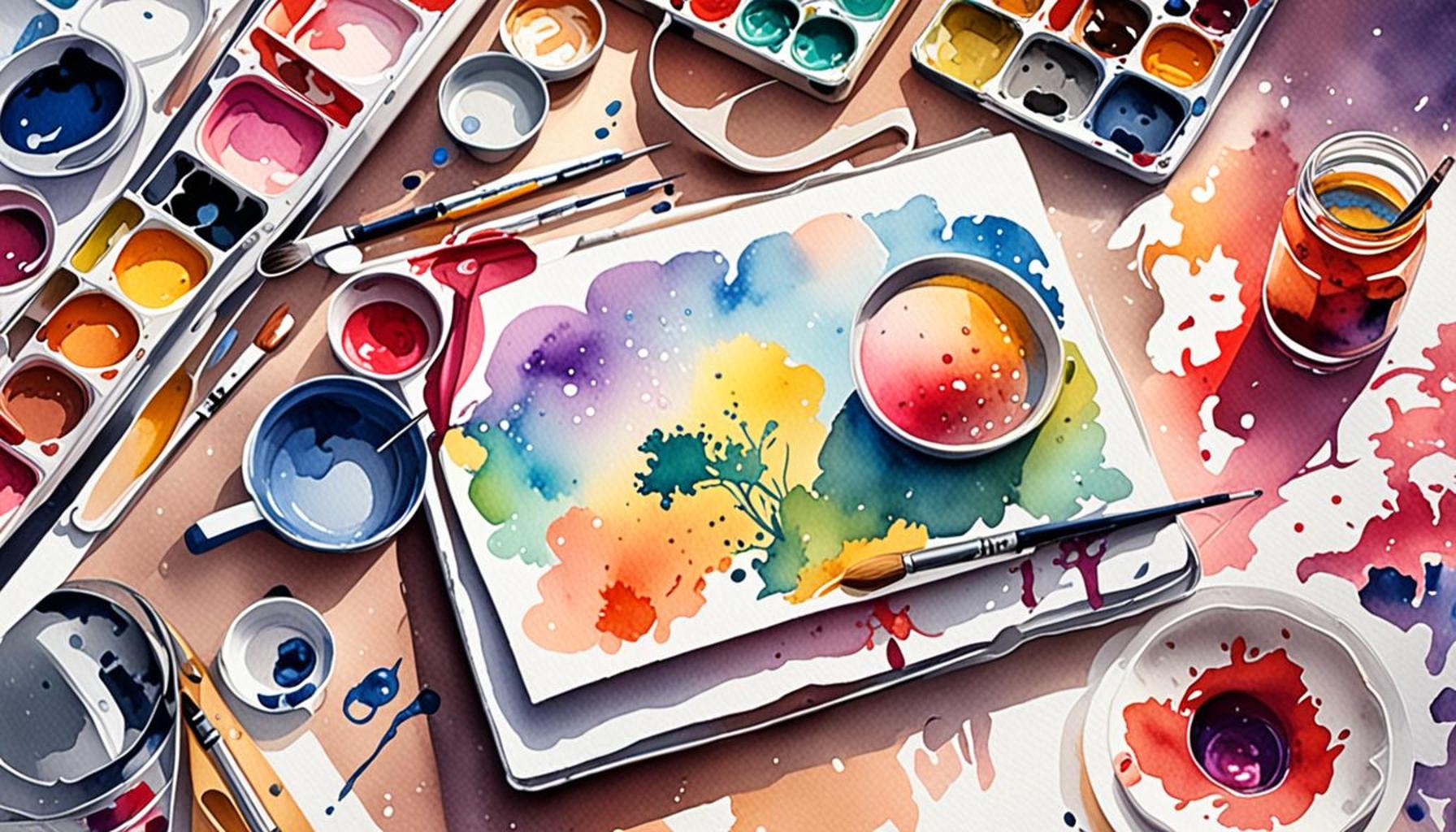
Watercolor painting is an art form that captivates both artists and spectators alike. With its vibrant hues and translucent layers, watercolor allows for a unique expression that can evoke a range of emotions and atmospheres. Yet, the true magic lies in mastering the blending and layering techniques that can transform a simple wash into a stunning work of art. The fluid quality of watercolor paint, combined with the artist’s skill, can yield visuals that are both captivating and ethereal.
The Essence of Blending and Layering
Blending creates smooth transitions between colors, allowing for a seamless flow that mimics natural phenomena. For example, a skillful artist can blend a warm palette of oranges, pinks, and yellows to reflect the mesmerizing hues of a sunset, capturing the essence of fleeting moments in nature. In contrast, layering involves applying multiple washes of color, building depth and richness. This technique can transform a painting from flat to dynamic, making elements pop and creating a three-dimensional feel.
Together, these techniques can lead to breathtaking effects, including:
- Soft gradients that mimic the changing light of a sunset.
- Textured landscapes that showcase the intricacies of nature, such as rolling hills or dense forests.
- Vibrant florals with luminous petals appearing to glow, reminiscent of the diverse blossoms that line the streets during springtime in cities like Washington, D.C., and San Francisco.
As artists explore these methods, they often discover that the beauty of watercolor lies not just in the final result, but in the process itself. The fluid nature of watercolor invites experimentation, from the application of salt for texture to the use of masking fluid to preserve whites in a painting. New artists can start with simple techniques, like wet-on-wet and wet-on-dry, which can yield surprising results and develop their confidence quickly.
Get Ready to Dive In
Whether you’re a seasoned artist or just starting out, delving into blending and layering can elevate your watercolor skills. In the following sections, we will journey through various techniques, tips, and ideas designed to help you create spectacular watercolor effects that leave a lasting impression. We’ll cover the essential tools, such as high-quality paper and brushes, as well as specific color combinations that can inspire your next masterpiece.
As you embark on this colorful adventure, remember to embrace spontaneity and allow the watercolor medium to lead you. With practice, patience, and a willingness to experiment, the world of watercolor can become a doorway to infinite creativity.
DIVE DEEPER: Click here to discover how abstract art can enhance your well-being
Mastering the Fundamentals of Watercolor Techniques
To truly appreciate the art of watercolor painting, it is essential to understand the foundational techniques of blending and layering. These methods not only enhance visual appeal but also empower artists to convey emotional depth and narrative layers within their works. Before diving into these techniques, it’s critical to familiarize yourself with a few essential watercolor supplies that will aid in your artistic journey.
Essential Watercolor Supplies
A successful watercolor painting starts with selecting the right tools. Here are some key items every artist should consider:
- High-Quality Watercolor Paper: Opt for 100% cotton watercolor paper, which can absorb more water and permit multiple layers without warping.
- Brushes: Invest in a range of brushes, including round, flat, and filbert styles. Different brush shapes can help in achieving various blending techniques.
- Watercolor Paints: Choose between tube paints or pan sets, ideally artist-grade quality, as they offer more pigmentation and saturation.
- Masking Fluid: This allows you to preserve white areas in your painting, offering extra flexibility during the layering process.
- Palette: A well-structured palette helps in mixing colors efficiently, enabling smooth transitions and enhanced blending.
Now that you’re equipped with the necessary tools, understanding how to apply them through blending and layering techniques is the next step. Each technique has its unique benefits and artistic possibilities.
Exploring Blending Techniques
Blending can transform your watercolor paintings from ordinary to extraordinary. One of the most popular blending techniques is the wet-on-wet method. This involves applying wet paint onto wet paper, allowing colors to diffuse and merge into one another. This technique is perfect for creating soft edges and atmospheric effects, such as clouds or sunsets. To achieve this, begin by wetting your paper with clean water before introducing your chosen colors. The key is to work quickly, as the water will evaporate, and the paint will begin to set.
Conversely, the wet-on-dry method allows artists greater control over their paint applications. By applying wet paint onto dry paper, you can achieve sharper edges and more defined shapes. This technique is ideal for detailing focal points in your artwork, like flowers or architectural elements.
Experimenting with the dry brush technique can also yield fascinating results. By using a stiff, dry brush to apply paint, you create a textured effect that resembles the appearance of rough surfaces. This is particularly effective when illustrating elements like tree bark or mountains.
Understanding and practicing these blending techniques can dramatically change your approach to watercolor painting. As you begin to explore different methods, don’t shy away from making mistakes; they can often lead you to unexpected, yet beautiful, outcomes in your artwork.
Blending Techniques: Achieving Seamless Transitions
Blending in watercolor painting is essential for creating fluid transitions between colors and ensuring a smooth, cohesive look. This technique allows artists to create gradients and soft edges, which are vital for capturing the essence of light and shadow. By using wet-on-wet or wet-on-dry methods, painters can manipulate how colors interact on the paper. The wet-on-wet technique involves applying wet paint onto a wet surface, allowing the colors to merge naturally, resulting in ethereal effects that are difficult to achieve with other mediums. In contrast, the wet-on-dry technique is excellent for maintaining the integrity of each color but still allows for gentle blending at the edges, giving depth and dimension.
Layering Techniques: Building Depth and Complexity
Layering is another cornerstone of watercolor artistry. This technique involves applying multiple washes to build depth, texture, and intricate detail in a painting. Artists can start with a pale wash and gradually add darker tones to create shadows and highlights. Understanding the principle of translucency in watercolor allows for a unique interplay of colors, with each layer contributing to the overall composition. As layers build, an artist can achieve a sense of luminosity, making the painting appear almost glowing. Watercolorists often utilize layering to convey realism in objects such as foliage, skies, and water, where the subtle interplay of light is crucial.
Conclusion
Exploring these techniques can elevate your watercolor skills, giving your artwork a professional finish. Whether you are blending to achieve seamless transitions or layering to add depth, mastering these techniques will enhance your creative expression. Experimentation is key; each artist’s journey with watercolor is unique, and the results can be truly stunning.
| Advantage | Details |
|---|---|
| Seamless Blending | Achieve smooth transition of colors using wet-on-wet technique, perfect for depicting light and shadow. |
| Depth through Layering | Build complexity and realism by applying multiple washes to create a vibrant and luminous effect. |
DIVE DEEPER: Click here to discover the impact of music on your well-being
Dive Deeper into Layering Techniques
Having explored the art of blending, it’s time to unveil the transformative power of layering in watercolor painting. Layering is a fundamental aspect of this medium that can add depth, vibrancy, and complexity to your artwork. Skillfully applying layers allows artists to build relationships between colors and shapes while maintaining luminosity, an essential characteristic of watercolors.
The Importance of Transparency
One of the most compelling features of watercolors is their transparency. Unlike acrylic or oil paints, watercolor pigments are designed to be thin and allow light to pass through. This means that when you layer washes of color, the lower layers remain visible, creating an engaging interplay between hues. To take advantage of this quality, it’s vital to start with lighter washes and build up towards darker shades. This traditional approach not only enhances depth but can also evoke emotional responses from viewers.
Techniques for Effective Layering
Understanding how to utilize layering effectively can elevate your watercolor paintings. A popular method is the glazing technique, which involves applying a transparent wash over a dried layer of paint. This technique allows you to modify colors, create new tones, or adjust the overall mood of your painting without losing underlying details. For instance, layering a warm translucent red over a dried blue can yield a stunning violet, adding richness to your palette.
When layering, make sure each layer is completely dry before adding another. This practice not only ensures clarity between layers but also helps prevent mudding, an unwelcome byproduct of mixing too many colors. The lifting technique can also be utilized to correct saturation or clarify forms. By using a damp brush or sponge, artists can gently lift paint off the paper to revise areas that may have become too dark or chaotic.
Creating Textured Layers
Incorporating texture into your watercolor paintings can introduce interest and visual impact. Techniques such as salt texturing involve sprinkling salt on wet paint and allowing it to absorb the pigment, creating unique patterns and textures as it dries. Similarly, using a plastic wrap method enables artists to achieve ethereal effects. Simply lay a piece of plastic wrap over wet paint and scrunch it slightly to create texture; as the paint dries, remove the wrap to reveal a stunning landscape of shapes.
To truly harness the power of layering, consider the wet-on-wet layering method. Unlike the traditional application, layering wet paint on top of wet paint allows colors to blend seamlessly while still marking distinct separations between forms and shadows—a perfect approach for capturing the fluidity of water or the softness of flowers. It invites vibrant interactions between hues, leading to spontaneous and captivating outcomes.
As you dive into these layering techniques, you’ll not only enhance your skills but also forge a deeper connection with your artistic expression. Each layer offers a chance to explore, experiment, and express, making every watercolor painting a unique journey that reflects your creative vision.
DISCOVER MORE: Click here to get inspired
Conclusion: Unleashing Your Creativity with Watercolor Techniques
In conclusion, watercolor painting is not just a medium but a canvas for limitless expression, particularly when harnessing the powerful techniques of blending and layering. These techniques, whether employed together or individually, allow artists to create visually stunning and emotionally resonant pieces. The beauty of watercolor lies in its transparency and luminosity, making each painting a unique journey that reflects the artist’s vision and emotions.
The ability to layer colors effectively opens up a world of possibilities, transforming simple washes into intricate compositions filled with depth and texture. Techniques like glazing, lifting, and texturing not only enhance the visual appeal of a painting but also encourage artistic experimentation. Artists can capture subtle nuances and a range of emotions through carefully considered layers, enriching their works in ways that resonate with viewers.
For those looking to delve deeper into the art of watercolor, mastering these techniques can inspire a newfound appreciation for the medium. As you explore blending and layering, remember that every stroke offers a chance to innovate and express your unique artistic voice. Embrace the learning process, experiment with different styles, and ultimately, enjoy the enchanting world of watercolor painting, where every piece is an adventure waiting to unfold.
Related posts:
Transforming Recyclable Materials into Crafts: Tips and Creative Techniques
Creation of Jewelry with Wire Techniques: Transforming Materials into Unique Accessories
Techniques of Creative Reuse: Transforming Everyday Materials into Works of Art
Acrylic Painting Techniques: Blending Styles and Textures for Canvas Art
Art in Resin: Tips for Creating Amazing Jewelry and Decorations with Molds and Pigments
Creative Upcycling Transform Recyclable Materials into Art Projects
Linda Carter is a writer and creative hobbies expert specializing in crafting, DIY projects, and artistic exploration. With extensive experience helping individuals discover their creative potential and bring their ideas to life, Linda shares her knowledge on our platform. Her goal is to empower readers with practical tips, inspiring ideas, and step-by-step strategies for success in the world of creative hobbies.