Turn Recycled Materials into Art Sustainable DIY Project Ideas
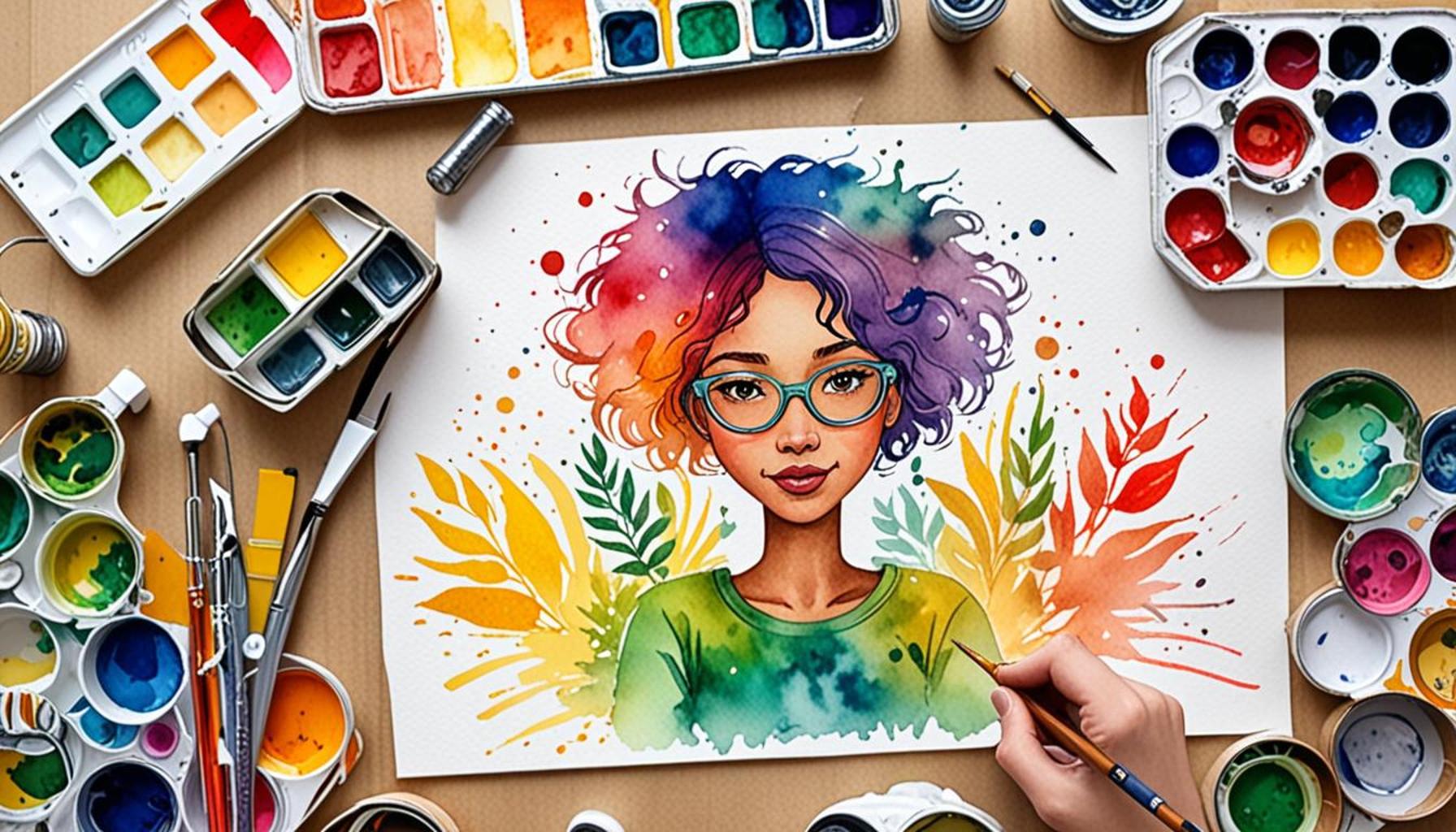
In a world increasingly focused on sustainability, the fusion of creativity and environmental consciousness is more relevant than ever. Many enthusiasts are turning to DIY projects as a way to transform *waste into wonder*, finding new purposes for items that would otherwise end up in landfills. This movement not only fosters creativity but also promotes a sense of responsibility towards the planet.
Engaging in creative hobbies by using recycled materials offers a multitude of benefits, including:
- Environmental Impact: Reduces waste and conserves resources.
- Personal Expression: Allows individuals to showcase their unique artistic skills.
- Cost Efficiency: Encourages the use of low-cost materials.
In this article, we will explore the **Top 5** innovative projects that highlight how you can transform everyday recycled items into stunning art pieces. Prepare to be inspired and discover sustainable ways to unleash your creative potential!
Transforming Recycled Materials into Art: Sustainable DIY Projects
In today’s world, where sustainability and innovation are interwoven, transforming recycled materials into art represents more than just a burgeoning DIY trend; it symbolizes a commitment to ecological responsibility and creative expression. These projects are not only ways to create unique pieces but also to reduce our carbon footprint, contributing positively to the environment. This article explores the top five DIY projects that give new life to discarded materials, showing that creativity truly has no limits. So, let’s dive into these innovative projects ranked from fifth to first, offering detailed insight into each process!
5. Plastic Bottle Planters
If you’re looking to infuse your home or garden with a touch of greenery without spending a fortune, consider transforming plastic bottles into vibrant planters. This project serves the dual purpose of reducing plastic waste and offering a personalized aesthetic to your space.
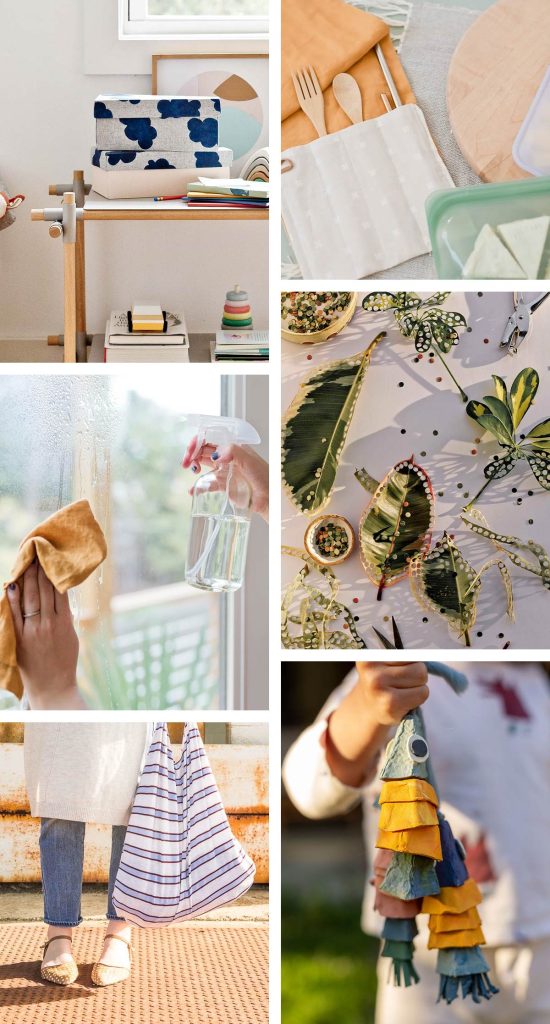
Materials Needed:
- Plastic bottles (2-liter soda bottles are ideal)
- Scissors or a sharp utility knife
- Soil and plants of your choice
- Paint or decorations (optional)
To start, cut the bottles in half. Use the bottom section as your planter. You can punch holes for drainage, then customize with paint and decorations to suit your style. Fill them with soil and your chosen plants or seeds, then watch as your recycled art project comes to life, offering a sustainable and stylish solution for greenery.
Plastic bottles are a notorious environmental issue, contributing significantly to landfills. By repurposing them, you not only get creative but also participate in a global effort to manage plastic waste. Each planter you create is a step towards reducing the approximately 300 million tons of plastic produced each year.
4. Tin Can Lanterns
Bring charm to your outdoor spaces by transforming old tin cans into beautiful lanterns. This project is a simple yet effective way to combine recycling and creativity, offering a unique light source for evening gatherings.
Materials Needed:
- Tin cans
- Hammer and nail
- Paint (optional)
- Water and freezer
First, freeze water inside the cans to stabilize them. Once they’re ready, use a hammer and nail to punch holes, creating intricate designs. After the ice melts, you can decorate your lanterns as desired. Insert a tea light or LED candle, and enjoy the ambiance created by this functional piece of art.
Consider the amount of aluminum waste produced each year: over 3.5 million tons in the US alone. Repurposing tin cans is an effective way to minimize this waste, making every evening under your lantern-lit sky a reminder of your eco-friendly contribution.
3. Old T-Shirt Tote Bags
Amidst the rising awareness of single-use plastic’s environmental impact, crafting tote bags from old t-shirts presents a stylish and sustainable alternative. This project is not only functional but also supports the global effort to reduce plastic waste.
Materials Needed:
- Old t-shirts
- Scissors
- Sewing kit (optional)
Begin this project by cutting off the sleeves and neckline of a t-shirt to create handles. Strengthen the bag by sewing the bottom hem, ensuring durability for carrying essentials. Use this tote for groceries, outings, or everyday errands, making a fashion statement that favors the planet.
With an estimated 500 billion to 1 trillion plastic bags consumed annually, reusing fabric from old clothes reduces the demand for plastic and provides a personal touch to your carrying needs, aligning style with sustainability.
2. Wine Cork Coasters
For wine enthusiasts, turning leftover wine corks into coasters is a delightful and practical endeavor. It not only adds an artistic flair to your home but also sparks conversation about sustainable practices.
Materials Needed:
- Used wine corks
- Scissors or a sharp knife
- Hot glue gun
- Coaster templates (optional)
Collect a sufficient number of corks and decide on a design—circles, squares, or even hearts. Cut the corks if a more elaborate pattern is desired, arranging them on a surface, and securing them with hot glue. These coasters will protect your surfaces while serving as a testament to your environmental awareness.
An estimated 13 billion wine corks are sold each year. By repurposing them, you reduce waste and contribute creatively to sustainability, each sip of wine echoing a mindful choice.
1. Recycled Paper Art
At the zenith of transforming recycled materials into art is the creation of exquisite artworks from old paper. Whether newspapers or magazines, this project offers unlimited possibilities. From stunning collages to descriptive sculptures or even homemade paper, your imagination holds the reins.
Materials Needed:
- Old newspapers, magazines, or scrap paper
- Glue
- Scissors
- Base for collage (canvas, wood board, etc.)
Begin by tearing paper into varied sizes and shapes, layering them on a base with glue to form complex designs. Alternatively, create homemade paper by blending the pulp of old paper with water, spreading it to dry into sheets. This versatile approach to art highlights innovative practices in reusing paper waste.
With paper making up over one-quarter of landfill waste, transforming it into art is not only a creative outlet but also an ecological imperative. Every piece embodies the spirit of sustainability, turning potential waste into artistic wonder.
In conclusion, transforming recycled materials into art not only fosters creativity but plays a crucial role in sustainability. Each project is a step towards a more environmentally mindful existence. By repurposing materials, we contribute to a positive ecological impact and embrace creativity in everyday life. Whether you’re using plastic bottles, tin cans, old t-shirts, wine corks, or paper, remember that art is about exploration and innovation. So, let your next project be more than art; let it be a testament to your commitment to sustainability.
| Category | Description |
|---|---|
| Creative Expression | Repurposing materials allows individuals to unleash their creativity, transforming everyday items into unique artistic expressions. |
| Environmental Impact | Using recycled materials reduces waste, lowers carbon footprints, and contributes positively to the environment by minimizing landfill contributions. |
| Educational Value | DIY projects foster learning opportunities, teaching valuable skills in sustainability, resourcefulness, and eco-consciousness. |
| Community Engagement | Collaborative DIY initiatives encourage community participation, building connections among individuals devoted to sustainable practices. |
The transformative journey of recycled materials into art not only cultivates a vibrant sense of creativity but also plays a crucial role in addressing pressing environmental issues. For instance, the act of repurposing can inspire individuals to view waste through a different lens—one that values creativity over disposability. Beyond mere aesthetic appeal, such projects often serve as catalysts for change by promoting awareness regarding the environmental ramifications of our consumption patterns. When participants engage in creating art from recyclable items, they learn how to contribute to a more sustainable future, thus fostering a culture of sustainability that extends beyond individual projects.Moreover, the educational aspects of DIY recycling projects cannot be overstated. They offer hands-on experiences that highlight the importance of sustainability. These activities often integrate critical thinking and problem-solving skills, as individuals strive to find innovative solutions for utilizing materials that might otherwise be discarded. Finally, community involvement in such projects nurtures a sense of togetherness. By coming together to transform waste into art, community members share resources and knowledge, sparking conversations about sustainability and collective responsibility in an engaging manner. As communities focus on collective eco-friendly efforts, they can inspire broader movements toward sustainable living that resonate in everyday life.
Frequently Asked Questions About Transforming Recycled Materials into Art
What are some common recycled materials that can be used in DIY art projects?
Common recycled materials for DIY art projects include plastic bottles, cans, cardboard, newspapers, and glass. These items are often readily available and can be transformed into beautiful art pieces with a little creativity. For example, plastic bottles can be cut and painted to create intricate decorations, while cardboard can serve as a versatile canvas for painting or sculpture. The possibilities are endless and only limited by your imagination!
How can turning recycled materials into art contribute to sustainability?
By repurposing recycled materials into art, we divert waste from landfills and reduce the demand for new raw materials. This practice not only lessens environmental impact but also encourages a culture of creativity and resourcefulness. Additionally, it fosters awareness about recycling and inspires others to find innovative solutions to environmental challenges. Engaging in such projects promotes a sustainable lifestyle by emphasizing the value of reusing what we already have.
What tools and techniques are needed to start with recycled material art projects?
The tools you’ll need can vary depending on the project, but generally include basic art supplies like scissors, glue, paints, and a cutting mat. Advanced techniques might involve using a hot glue gun for assembling parts and non-traditional tools such as a hole puncher for intricate designs. Techniques can range from simple cutting and assembling to more advanced methods such as decoupage or mosaic. Many online resources provide step-by-step tutorials to guide beginners in experimenting with different styles and methods.
Is it necessary to have artistic skills for creating art from recycled materials?
While having some basic skills can be helpful, it’s not essential for creating art from recycled materials. The beauty of DIY projects is that they allow for experimentation and personal expression. Anyone can start transforming materials regardless of their artistic background. Moreover, engaging in regular practice helps improve your skills over time, and participating in workshops or community projects can provide additional learning opportunities. The most important thing is a willingness to try new ideas and a passion for contributing to environmental preservation.
Where can I find inspiration for my recycled art projects?
Inspiration can come from various sources such as online platforms like Pinterest and Instagram, where artists share their works and ideas. You can also explore local art exhibitions and environmental art festivals to discover innovative approaches to using recycled materials. Books and magazines dedicated to sustainable living and DIY projects can also provide a wealth of creative ideas. Remember, the best inspiration often comes from observing the world around you and experimenting with materials at hand.
Conclusion
The artistic transformation of recycled materials into DIY sustainable projects offers a remarkable intersection between creativity and conscientiousness. As explored in this article, such endeavors not only provide an outlet for creative expression but also contribute significantly to environmental sustainability. This synergy of art and eco-awareness can spark both individual and community change, reshaping how we perceive waste and its potential.
The top five projects highlighted demonstrate the versatility and beauty that can emerge from what is often discarded. From creating vibrant garden sculptures using broken ceramics to fashioning functional furniture from pallets, each project underscores the boundless possibilities inherent in recycled materials. Moreover, these initiatives encourage us to reconsider our consumption habits, promoting a sustainable lifestyle that is both inventive and responsible.
Beyond their environmental benefits, such DIY projects foster an inclusive atmosphere for creativity. They transform the mundane into masterpieces, allowing individuals to personalize their surroundings with unique art pieces that speak to personal style and eco-mindedness. By emphasizing the value of what we normally consider waste, these projects offer a compelling narrative on resourcefulness and innovation.
As the movement towards sustainable living gains momentum, the role of recycled materials in creative hobbies will undoubtedly expand. The potential for new projects and ideas is vast, inviting participants to continuously explore and challenge their artistic boundaries. Ultimately, engaging with recycled art not only enriches our creative pursuits but also reinforces the essential message: art and sustainability can coexist harmoniously, paving the way for a more mindful future. Embracing this practice not only nurtures individual skills but also cultivates an environment of sustainable creativity, encouraging others to join the movement and contribute positively to our planet.
Related posts:
The Importance of Music in Children's Emotional Education
How Abstract Art Influences Personal Expression and Well-being
The Influence of Music on Personal Identity Formation
How Musical Improvisation Can Enhance Creativity
The Influence of Music on Personal Self-Expression
Music as a Form of Protest and Social Change

Linda Carter is a writer and creative hobbies expert specializing in crafting, DIY projects, and artistic exploration. With extensive experience helping individuals discover their creative potential and bring their ideas to life, Linda shares her knowledge on our platform. Her goal is to empower readers with practical tips, inspiring ideas, and step-by-step strategies for success in the world of creative hobbies.