Transforming Recyclable Materials into Art: DIY Ideas for a Sustainable Planet
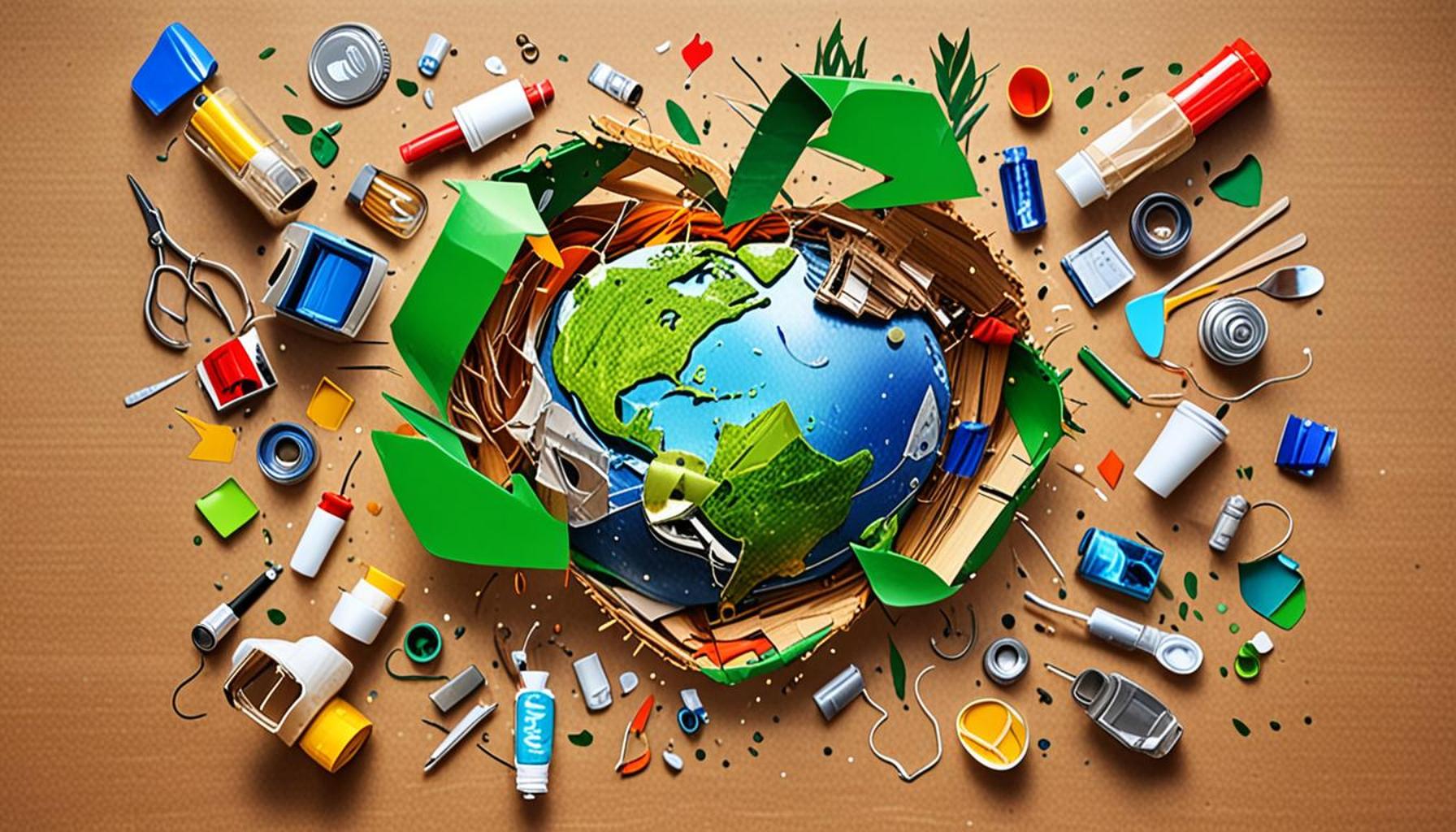
The Transformative Power of Recyclable Art
Across the United States, countless recyclable materials are discarded every day, often ending up in landfills. Consider this: an astonishing 267.8 million tons of municipal solid waste were generated in the U.S. in 2017 alone, with only a fraction being recycled. What if these everyday items could be transformed into something beautiful and meaningful? By harnessing creativity, we can turn simple waste into stunning art pieces that not only fill our homes with beauty but also serve a greater purpose.
Engaging in DIY projects using recyclable materials not only promotes sustainability but also encourages resourcefulness and innovation. In a world increasingly aware of its carbon footprint, these artistic endeavors allow us to actively participate in environmental stewardship. Here are some compelling reasons to consider:
- Environmental Impact: Reducing waste by reusing materials helps protect natural resources. Each ton of paper recycled can save 17 trees, 7,000 gallons of water, and 4,100 kilowatts of electricity. By engaging in art projects, you can contribute to significant ecological preservation.
- Cost-Effective: Creating art from recyclable items can save money while still producing unique pieces. For example, transforming wine bottles into candle holders not only reduces waste but also can add a rustic aesthetic to your home décor without breaking the bank.
- Community Engagement: These projects can be a fun way to bring people together and inspire others. Neighborhood workshops or community art installations can promote collaboration and foster a shared sense of purpose. Imagine organizing a local event where community members come together to create sculptures from discarded pallets or old tires, turning trash into treasures.
Imagine turning plastic bottles into vibrant garden decorations or transforming old newspapers into intricate sculptures. The possibilities are endless! For instance, many artists are taking the initiative to create whimsical installations from reclaimed plastics, showcasing how waste can become a canvas for creativity. Projects such as these not only beautify public spaces but also raise awareness about recycling and environmental challenges.
As we explore the world of DIY art, discover how items typically viewed as trash can be reimagined into masterpieces. From bottle cap mosaics to tin can lanterns, every household can contribute to this creative movement. The journey begins with a simple decision to rethink the potential of discarded items.
In this article, we will delve into practical ideas that inspire you to start your own creative journey. Prepare to be amazed at how you can contribute to a more sustainable planet, one art piece at a time. Whether you’re an experienced artist or a beginner, the triumph of transforming recyclable materials into art bridges creativity and environmental consciousness.
DIVE DEEPER: Click here to discover more about abstract art’s impact
Innovative Techniques for Recyclable Art
As we dive into the realms of creativity and sustainability, it’s vital to recognize effective methods for transforming recyclable materials into art that captures the imagination. The beauty of these projects lies in their accessibility; many materials can be found in our households, and they often require minimal tools. With a bit of inspiration, you can breathe new life into everyday items, making art that tells a story while addressing critical environmental issues.
One of the most exciting aspects of crafting with recyclable materials is the variety of projects available. Here’s a selection of ideas to kickstart your creative journey:
- Plastic Bottle Planters: Plastic bottles make excellent planters for your garden or indoor plants. With just a few cuts and paint, you can create colorful, personalized planters that not only reduce plastic waste but also enhance your green space.
- Cardboard Furniture: Have old cardboard boxes? Turn them into unique, lightweight furniture pieces! Cardboard furniture has gained traction among eco-conscious designers, with tutorials available online that guide you through crafting everything from shelves to coffee tables.
- Jar Lanterns: Empty glass jars are perfect for creating stunning lanterns. By simply adding fairy lights or tea candles inside, you can illuminate your outdoor space, providing a warm glow for evening gatherings while reusing what would otherwise be waste.
- Aluminum Can Art: Transform aluminum cans into intricate sculptures or wall art. This project can be as simple as cutting and shaping the cans into flowers or more complex designs, showcasing your artistic prowess and commitment to sustainability.
- Newspaper Art: Old newspapers are a fantastic medium for various projects, from papier-mâché sculptures to wall collages. This is an inexpensive method to produce art that is not only creative but also allows you to make a statement regarding the importance of recycling paper.
As you embark on these innovative projects, consider the stories that each item holds. An ordinary plastic bottle once held a delicious beverage, while a cardboard box may have housed treasured gifts. Each piece carries memories and serves as a reminder of the consumer culture that contributes to our waste problem. By transforming these materials into art, you not only reclaim their narratives but also promote a more sustainable lifestyle.
Moreover, creating art from recyclable materials can spark dialogue about environmental conservation. Art serves as a bridge to communicate important messages, urging others to think critically about their consumption habits and the lifecycle of products. Community workshops, art exhibitions, and social media platforms allow artists and enthusiasts to share their creations, thus inspiring a broader movement towards sustainability.
In the subsequent sections, we will explore specific DIY projects in more detail, providing you with the tools and ideas needed to transform your recyclable materials into art. Whether you’re looking to beautify your home, create heartfelt gifts, or engage your community in the importance of recycling, the world of recyclable art holds endless possibilities. Embrace your creativity and join the movement to make our planet a more sustainable place through art.
Innovative DIY Projects to Turn Waste into Art
As the world shifts towards prioritizing sustainability, the concept of transforming recyclable materials into stunning art has gained significant traction. DIY enthusiasts and eco-conscious creators alike are exploring new ways to express creativity while also contributing to a greener planet. Here are some fascinating DIY ideas that can help guide your journey into the world of upcycled art.
1. Bottle Cap Murals
Collecting bottle caps is not just a fun hobby; it can lead to vibrant murals that add character to any space. By organizing the caps by color and creating intricate designs, artists can showcase their talent while promoting recycling. This type of project encourages community involvement as others can contribute to the collection, fostering a collaborative spirit.
2. Paper Mache Sculptures
Paper mache is an age-old craft that utilizes old newspapers and magazines, turning them into unique sculptures. This technique allows artists to create anything from animal figures to decorative bowls. The beauty of paper mache is that it’s inexpensive and highly customizable, making it approachable for artists of all ages.
3. Wine Cork Coasters
For those who love wine, transforming used wine corks into coasters offers a chic and eco-friendly solution. Simply slice the corks and glue them onto a sturdy base to create beautiful, sustainable coasters. This project not only repurposes waste but also adds a touch of elegance to your home.
Each of these projects highlights the potential of everyday items, turning them into art pieces that spark conversation and deeper appreciation for recycling efforts. By embracing DIY art made from recyclable materials, individuals help cultivate a culture of sustainability and creativity. The possibilities are truly limitless!
| Category 1 | Category 2 |
|---|---|
| Types of Recyclable Materials | Plastic, Glass, Metal, Paper |
| Benefits of Upcycling | Reduces waste, Creates unique art, Promotes sustainability |
Incorporating these DIY projects into your routine not only enhances your artistic prowess but also champions a sustainable lifestyle, making a positive impact on the planet.
DISCOVER MORE: Click here to get inspired with eco-friendly DIY projects
Embracing Community Impact Through Recyclable Art
Creating art from recyclable materials extends beyond personal fulfillment; it can foster a sense of community and collective responsibility. As awareness about environmental issues grows, communities across the United States are engaging in art initiatives that not only beautify public spaces but also inspire action towards sustainability. From vibrant murals made with repurposed materials to sculpture projects that integrate community efforts, the intersection of art and recycling can yield profound social change.
One notable example of community-driven art is the Recycled Art Market, held in various cities, including Portland and Los Angeles. These markets encourage artists to showcase their work made from recyclable items, while also providing a platform for education on environmental issues. Visitors learn about the impact of waste in their communities and discover how simple changes in consumption habits can lead to significant improvements.
Moreover, local schools and nonprofits are taking the lead in introducing children to the world of recyclable art. Programs like the “Trash to Treasure” workshops engage students in transforming everyday waste into masterpieces. This hands-on approach not only nurtures creativity but also instills a sense of agency in young minds, empowering them to make environmentally conscious decisions in the future.
- Upcycled Fashion: The fashion industry is one of the largest culprits of waste. DIY enthusiasts are rising to meet this challenge by creating upcycled clothing from fabric scraps and old garments. Upcycled fashion shows and contests, often organized by schools and community centers, promote creativity while addressing the environmental consequences of fast fashion.
- Public Art Installations: Many cities have embraced large-scale public art installations made entirely from recyclable materials. Projects like “The Ocean Discovery,” which features marine life sculptures made from plastic waste, captivate audiences and provoke thought about ocean conservation issues.
- Collaborative Murals: Wall murals that incorporate elements of recyclables engage entire neighborhoods. Community members can contribute materials like bottle caps, pieces of glass, or tiles, fostering collaboration while beautifying their shared spaces. This shared creativity reinforces community bonds and highlights the importance of sustainability.
The benefits of transforming recyclable materials into art reach far and wide. Participating in community projects can lead to lasting friendships, a sense of belonging, and pride in one’s surroundings. As individuals come together to create, they develop a shared understanding of the necessity for sustainable practices. Art becomes a vehicle through which communities communicate their values and aspirations while aligning with broader environmental goals.
In addition to local efforts, social media platforms have opened up avenues for artists and enthusiasts to connect and share their recyclable art projects. Statistics indicate that over 80% of consumers are now actively looking for sustainable options and supporting eco-conscious brands. This growing demand offers artists a unique opportunity to showcase their work and educate the public about the potential of recyclable materials.
The stories embedded in these artworks reflect the journey from waste to valuable contributions to society. Each piece serves not just as decoration, but as a narrative thread connecting individuals to the challenges of environmental degradation and consumer overload. By supporting these initiatives, we become stewards of change, advocating for a sustainable planet through creative expression.
DISCOVER MORE: Click here to delve into sustainable art projects
Conclusion: The Art of Sustainability
In the quest for a sustainable planet, the transformation of recyclable materials into art not only offers an innovative outlet for creativity but also serves as a vital means of environmental advocacy. From community art projects that inspire collaboration to educational workshops that empower the younger generation, the interplay between art and recycling is reshaping our perspectives on waste and resourcefulness. Every DIY creation, whether it be a stunning sculpture or a vibrant mural, tells a story of transformation and hope for a greener future.
As demonstrated through initiatives like the Recycled Art Market and the “Trash to Treasure” workshops, art has the power to engage communities, foster meaningful connections, and heighten awareness about pressing environmental issues. It provides a platform for dialogue, encouraging individuals to rethink their consumption habits and take ownership of their ecological impact. With over 80% of consumers actively seeking sustainable options, artists are uniquely positioned to influence change and inspire a collective movement towards sustainability.
Ultimately, the journey of transforming recyclable materials into art reveals not only the potential of creativity in addressing environmental challenges but also the strength of community in pushing for change. By embracing this creative form of activism, we can cultivate a culture of responsibility that emphasizes the importance of sustainable practices. So, gather your recyclable treasures and join the movement—your next masterpiece could contribute to a brighter, more sustainable planet.
Related posts:
Creating Handmade Jewelry: Step by Step to Assemble Your Own Pieces
DIY with Family: Creative Projects to Strengthen Bonds and Create Memories
DIY Aromatherapy: How to Make Essential Oil Diffusers for Relaxation
DIY Aromatic Candles: How to Make Custom Candles to Create Cozy Environments
DIY Wall Murals: How to Transform Spaces with Homemade Art
The Magic of Fabric Painting: Transforming Ordinary Clothes into Unique Pieces

Linda Carter is a writer and creative hobbies expert specializing in crafting, DIY projects, and artistic exploration. With extensive experience helping individuals discover their creative potential and bring their ideas to life, Linda shares her knowledge on our platform. Her goal is to empower readers with practical tips, inspiring ideas, and step-by-step strategies for success in the world of creative hobbies.