The Role of Music in Building Creative Communities
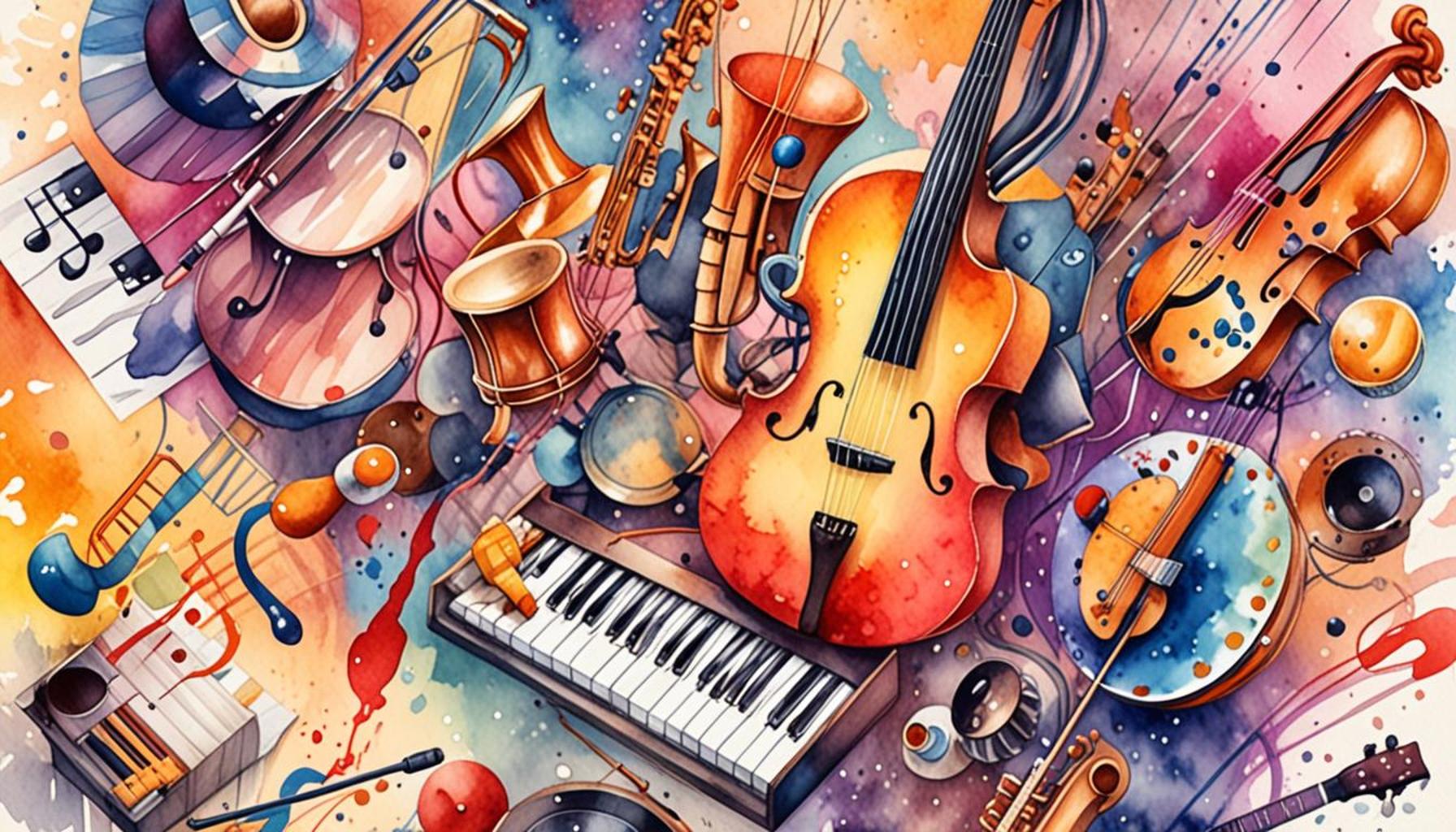
The Role of Music in Creative Community Building
Music acts as a universal language, bridging cultural divides and fostering connection. In recent years, its role in building creative communities has gained significant attention. Communities across the United States are utilizing music to enhance collaboration, spark innovation, and encourage artistic expression. From city parks filled with impromptu jam sessions to organized festivals celebrating local talent, music plays a pivotal role in enriching community engagement.
The influence of music on community dynamics can be seen in several key areas:
- Collaboration: Local musicians often collaborate with artists from diverse backgrounds, enriching the creative landscape. For instance, the rise of genres like hip-hop and country collaborations showcases how musicians can blend distinct cultural influences to produce fresh sounds that resonate with broader audiences. This exchange not only broadens the appeal of their work but also fosters mutual respect and understanding among different cultural groups.
- Accessibility: Community events featuring music allow individuals to participate regardless of their artistic skills. Local schools or community centers often host open mic nights where everyone from seasoned performers to first-time singers is encouraged to share their talents. This inclusivity democratizes the music-making process, giving voice to those who might otherwise remain unheard and reinforcing community bonds through shared experiences.
- Networking: Music festivals and open mic nights provide essential spaces for people to connect and share ideas, leading to new projects and initiatives. For example, the South by Southwest (SXSW) festival in Austin, Texas, serves not only as a platform for performers but also as a networking hub where artists, entrepreneurs, and fans converge, creating opportunities for collaboration and innovation.
Moreover, research indicates that areas with vibrant music scenes experience improved social cohesion and economic growth. For instance, neighborhoods that embrace live music often see increased foot traffic and tourism. Newly opened venues and art spaces thrive on the influx of visitors eager to partake in cultural experiences, which also benefits local businesses. In cities like Nashville, known as “Music City,” the music scene is a cornerstone of its economic engine, providing jobs and promoting cultural tourism through events like the CMA Fest.
As we delve into the intricate relationship between music and community cohesion, it becomes clear that music is not merely an art form. It plays a vital role in shaping identities and fostering shared experiences among individuals, whether it be through singing along to a favorite track at a concert or participating in a city-wide musical festival. This connection contributes to a thriving creative ecosystem that not only nurtures artists but also enriches the lives of community members, encouraging them to engage with one another in meaningful ways.
DISCOVER MORE: Click here to learn about creative sustainability in art
Music as a Catalyst for Community Interaction
At the heart of creative community building lies the power of music to foster interaction and forge connections. By creating spaces for artistic expression, music enables residents to come together, share experiences, and develop a sense of belonging. Communities that embrace music often see a multitude of benefits that extend beyond the artistic realm, impacting social interactions and enhancing the quality of life.
One of the most compelling aspects of music in community building is its ability to create shared experiences. When a community gathers for a concert, festival, or jam session, it transcends individual differences, uniting people from various walks of life. These shared moments lead to the formation of friendships and networks, cultivating a collective identity. For instance, cities like New Orleans, famous for their vibrant jazz scene, demonstrate how music traditions can infuse life into neighborhoods and bolster social ties. Festivals like Mardi Gras not only showcase local talent but also invite participation from people of all backgrounds, reinforcing a sense of unity.
- Creation of Safe Spaces: Music events provide safe platforms where people can express their creativity without fear of judgment. Open air concerts in urban parks or community centers create an inviting atmosphere for attendees, where they can relax and connect with others. Art initiatives that focus on inclusivity make it possible for community members to collaborate and interact through workshops, ultimately leading to the emergence of diverse, cross-cultural projects.
- Promotion of Local Talent: Supporting local musicians plays a crucial role in building a creative community, as it highlights regional talent and culture. Many cities are establishing “music districts” aimed at nurturing homegrown artists. These initiatives often include performance spaces, workshops, and mentorship programs, encouraging talent to flourish within a supportive environment. By promoting local musicians, cities create a flourishing arts ecosystem that attracts both visitors and residents alike.
- Education and Skill Development: Music education initiates pathways for personal and professional growth. Programs offered through community centers or schools not only teach musical skills but also foster collaboration. Young musicians often find opportunities to work together on projects or to join local ensembles, creating an environment ripe for inspiration and learning. These experiences can ultimately lead to fruitful careers in the arts, further embedding creativity into the fabric of the community.
The influence of music goes beyond immediate social interactions. Several studies indicate that communities with flourishing music scenes experience boosts in both economic vitality and cultural significance. Areas rich in live music will often see increased foot traffic, benefiting local businesses and enriching the community’s cultural heritage. For example, cities such as Austin, Texas, have successfully leveraged their music scenes to create economic opportunities, driving tourism and attracting creative minds from other regions.
This interplay between music, community, and economic growth emphasizes how integral music is to fostering vibrant, creative environments. It fundamentally enhances the community’s capacity for collaboration and creative expression, making it an essential tool in building and sustaining creative communities across the nation.
| Advantage | Description |
|---|---|
| Cross-Cultural Collaboration | Music serves as a universal language, bridging cultural divides and fostering collaborations among diverse groups. |
| Community Building | Local music events bring people together, creating a strong sense of belonging and enhancing social bonds within communities. |
| Creative Expression | Music allows individuals to express identity, feelings, and experiences, nurturing creativity and emotional well-being. |
The intersection of music and community creates a dynamic force that not only enriches lives but also strengthens the fabric of society. Through avenues such as local concerts and collaborative workshops, the magic of music inspires creativity among participants. This communal experience also serves as a fertile ground for innovation, where various artistic disciplines intersect, giving birth to unique ideas and projects.As these creative communities flourish, they often become incubators for social change, reflecting the varied stories and challenges of their members. Music organizations and local artists work hand-in-hand to create programs that engage, educate, and uplift, ultimately cultivating a supportive network that extends beyond the notes and lyrics. This synergy between music and community not only showcases talent but also engenders a sense of purpose that resonates far and wide. In embracing this role, communities can unlock a potent tool for transformation, promoting cultural vitality and solidarity that is increasingly vital in today’s world. The exploration of how music can further impact the dynamics of creativity and collaboration invites further investigation, leaving audiences curious about the potential waiting to be discovered.
DISCOVER MORE: Click here for unique DIY decoration ideas
The Impact of Music on Cultural Identity and Diversity
As music serves as a powerful tool for community bonding, it also plays a significant role in shaping cultural identity and nurturing diversity within neighborhoods. Each community possesses its own unique musical heritage, reflecting historical roots, traditions, and the diverse backgrounds of its residents. This cultural tapestry is richly woven through the sounds and rhythms that echo in villages, towns, and cities across the United States.
Music festivals, which often highlight specific genres or cultural traditions, provide an opportunity for communities to showcase their unique identities and heritage. The annual Woodstock Music Festival not only celebrates music but also serves as a pivotal moment in the cultural fabric of America. By gathering diverse groups of people to engage in a common experience, these events promote intercultural dialogue and deepen mutual respect among different cultural groups. Festivals like these also encourage attendees to explore new musical styles, sparking curiosity and empowering individuals to embrace diversity.
- Empowerment of Marginalized Voices: Music offers a platform for underrepresented groups to share their narratives and experiences. Through initiatives like community music projects or open mic nights, artists from various backgrounds can express themselves and gain visibility. This empowerment helps dismantle stereotypes and fosters understanding, ultimately leading to a more inclusive community where everyone’s voice matters.
- Intergenerational Connections: Music acts as a bridge, connecting individuals across different generations. Traditional music often incorporates storytelling, which can foster intergenerational dialogue. Community workshops that invite elders to share their musical knowledge with younger generations create a collaborative learning environment. This practice allows for the exchange of cultural wisdom, ensuring the preservation of unique musical traditions while inspiring new creativity.
- Healing and Well-Being: Evidence suggests that music can significantly contribute to the mental health and well-being of community members. Music therapy programs have emerged in various creative community initiatives, helping individuals cope with trauma or stress. Community choirs and ensemble programs not only promote social cohesion but also provide emotional support to participants, enhancing overall community resilience.
The relationship between music and community extends into the realm of local economies as well. Cities that cultivate their distinctive musical identities often reap benefits in tourism and business development. For example, the city of Nashville, known as “Music City,” harnesses the allure of its music scene, attracting millions of visitors who contribute to the local economy and support diverse businesses. By fostering a culture that values its musical heritage, the city not only showcases its local talent but also enriches the communal experience for residents and tourists alike.
Furthermore, as communities grow and change, so too does their musical landscape. The blending of different musical styles—such as the fusion of country and hip-hop seen in the emergence of artists like Lil Nas X—illustrates the dynamic nature of cultural expression and creativity. This evolution encourages experimentation, as well as cross-pollination of ideas, driving innovation and inspiring new generations of musicians.
In this way, music serves as both a reflection and an influence of a community’s spirit, celebrating its richness while simultaneously paving the way for future innovation. As various groups continue to contribute their voices and sounds, the creative community becomes a vibrant mosaic, thriving on shared passions and collective creativity.
DISCOVER MORE: Click here to delve into the impact of abstract art
Conclusion: The Symbiotic Relationship Between Music and Community
In summary, the role of music in building creative communities transcends mere entertainment; it is a vital force for social engagement, cultural expression, and emotional well-being. As we have explored, music fosters a sense of belonging and emphasizes the rich tapestry of cultural identities that define neighborhoods across the United States. Through avenues such as music festivals, community workshops, and collaborative projects, individuals not only share their unique stories but also engage with and learn from one another, strengthening the bonds that tie them together.
Moreover, music serves as a medium for promoting inclusivity by empowering marginalized voices, encouraging intergenerational connections, and supporting mental health initiatives. As communities evolve, their musical landscapes also shift, creating opportunities for innovation and collaboration. The fusion of diverse styles reflects a dynamic process of cultural exchange, inspiring future generations to continue this legacy of creativity.
As cities like Nashville illustrate, music can drive economic growth while enhancing the overall quality of life for residents. This intersection of culture and commerce highlights the significance of investing in local music scenes as a means to uplift communities and attract visitors. Thus, fostering an environment that celebrates musical heritage and embraces new sounds can elevate the communal experience.
Ultimately, music is not just a backdrop to our lives; it is the heartbeat of our communities, harmonizing diverse experiences and collective aspirations. As we look to the future, let us recognize music’s profound impact and continue to leverage its power to build and sustain creative communities where everyone has a voice.
Related posts:
Turn Recycled Materials into Art Sustainable DIY Project Ideas
The Role of Musical Genres in the Construction of Personal Narratives
The Emotional Benefits of Learning a Musical Instrument
Exploring Cultural Diversity Through Musical Expression
The Importance of Music in Children's Emotional Education
The Influence of Music on Personal Identity Formation

Linda Carter is a writer and creative hobbies expert specializing in crafting, DIY projects, and artistic exploration. With extensive experience helping individuals discover their creative potential and bring their ideas to life, Linda shares her knowledge on our platform. Her goal is to empower readers with practical tips, inspiring ideas, and step-by-step strategies for success in the world of creative hobbies.