The Power of Music Boosting Emotional Expression and Well-Being
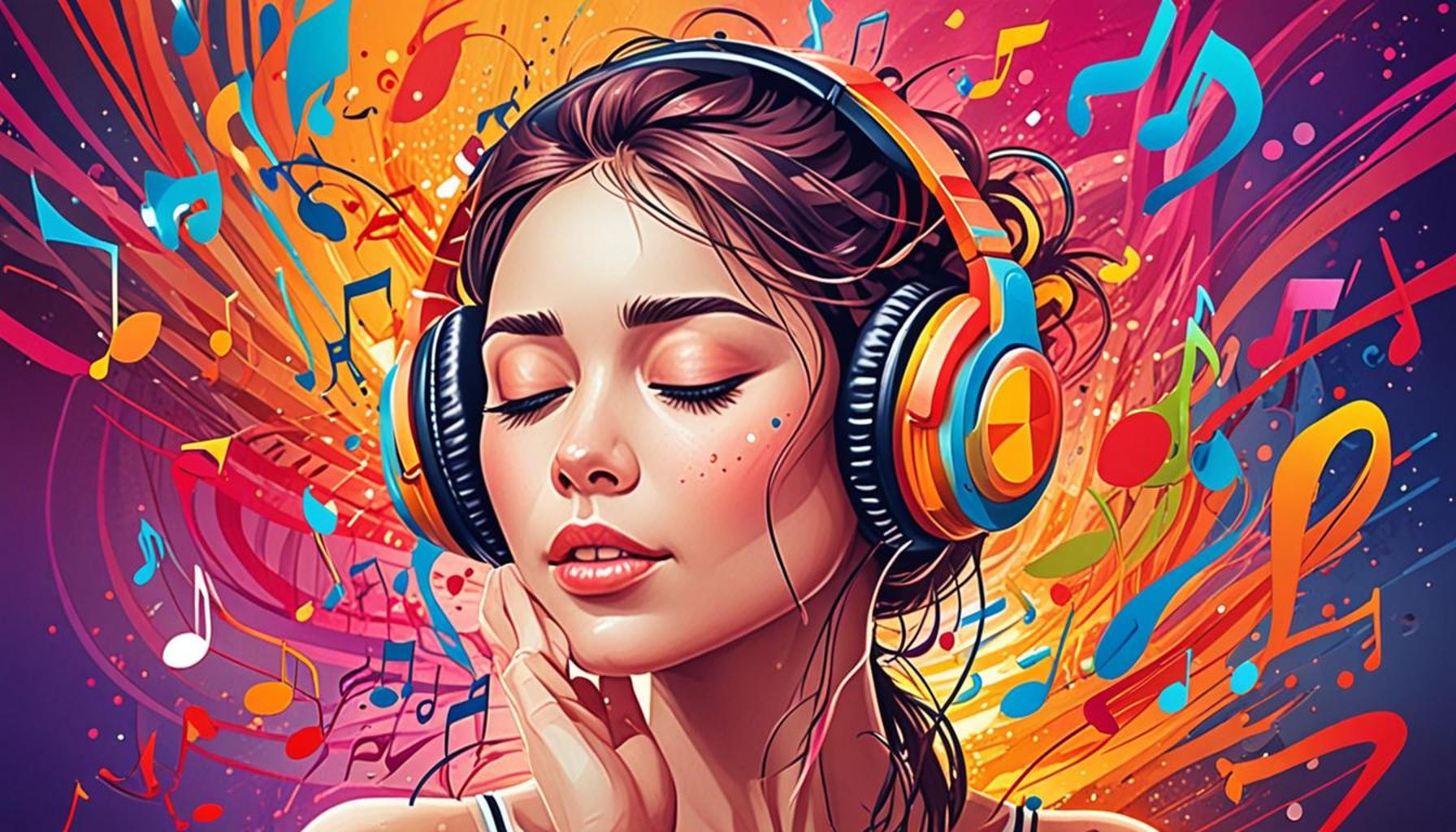
Unlocking the Harmony Within
Music holds an extraordinary power to influence our emotions and enhance our well-being. From a soul-stirring melody to an upbeat rhythm, tunes can transport us to different emotional states and impact our mood significantly. Engaging with music, whether through listening or creating, has become an essential aspect of various creative hobbies around the world.
Understanding the relationship between music and emotional expression reveals the therapeutic benefits it can offer. This connection has made music a vital tool for personal development and emotional health, leading many to explore its effects in their lives. Here, we delve into five compelling examples from this domain that illustrate how music can uplift the spirit and foster a greater sense of well-being.
Why Explore the Connection?
- Emotional Release: Music facilitates the expression of feelings.
- Stress Relief: Listening to soothing music can lower stress levels.
- Social Connection: Shared musical experiences can strengthen bonds between people.
- Creativity Boost: Engaging with music often sparks creativity.
- Cognitive Benefits: Music enhances brain functions related to emotion and memory.
Join us as we explore these aspects in our upcoming ranking of the Top 5 Ways Music Influences Emotional Expression and Personal Well-Being.
Top 5: The Influence of Music on Emotional Expression and Personal Well-Being
Music, a universal language transcending barriers of culture and communication, wields a profound impact on our emotional landscape and overall well-being. From ancient chants to modern symphonies, its influence is as vast as it is deep, reaching into the core of human experience. This article delves into the intricate relationship between music and emotions, highlighting how various aspects of musical engagement can benefit personal growth. From the soothing sounds that calm our minds to the invigorating beats that motivate us, this ranked list unveils the powerful connection between music and emotional health.
5. Music as a Therapeutic Tool
Music therapy is one of the most recognized avenues through which music exerts its influence as a therapeutic tool. This well-established field employs music interventions to achieve specific therapeutic goals, helping individuals express their feelings, cope with challenges, and find pathways to healing.

Professionals use various approaches, such as improvisation, composition, and lyrics analysis, to aid in emotional articulation. Research underscores that music therapy can be beneficial for a range of mental health issues, including anxiety, depression, and PTSD. It provides a unique platform for unexpressed emotions and can empower individuals by allowing them to take charge of their emotional narratives.
- Music stimulates brain activity, supporting cognitive function and emotional regulation, which is essential for mental health.
- It reduces stress and enhances relaxation, fostering an environment conducive to improved mental health state.
- Listening to familiar songs can evoke potent memories, assisting individuals in processing their emotions and reconnecting with past experiences.
4. The Social Dimension of Music
Music’s ability to bring people together is an integral aspect of its influence on emotional expression. The social dimension of music serves as a catalyst for connections, not just among friends but across communities and cultures. From concerts to casual listening parties, the shared experience of music enhances social bonds and fosters deeper understanding.
The communal aspects of music enable individuals to feel understood and accepted, providing a safe space for emotional expression in social environments. Whether it’s through a spontaneous jam session or a well-planned musical event, music breaks down barriers, encouraging communication across different demographics. This sense of shared joy or communal mourning through songs creates profound connections that positively impact personal well-being.
- Participating in music-related activities creates a sense of belonging and shared identity.
- Collaborative musical experiences encourage teamwork and cooperation, essential skills for personal growth.
- Music events are opportunities for community engagement and social interaction, strengthening societal bonds.
3. Music and Emotional Regulation
Emotional regulation refers to our ability to manage, process, and respond to our emotions effectively. Music forms a critical part of this regulation process by providing an outlet for emotions and a method of modulation.
People often use music to match or alter their moods; soothing melodies can alleviate anger or frustration, whereas upbeat tracks might elevate happiness. Music also promotes an emotional release, a cathartic experience crucial for emotional health. The adaptability of music helps individuals navigate the full spectrum of their emotions, enabling a stable emotional landscape.
- Different musical genres can elicit specific emotional responses, effectively working as a tool for emotional transformation.
- Curating playlists to align with specific moods can enhance emotional well-being by consciously choosing music that supports desired emotional states.
- Listening and dancing to music offer both emotional and physical outlets, allowing for a well-rounded method of emotional expression.
2. Music as a Motivational Force
Music’s role as a motivational force is transformative, particularly for individuals striving to establish routines or break personal barriers. Upbeat and energetic tunes are known to boost moods and improve productivity, acting as a catalyst for motivation in various environments from the gym to the office.
Many craft playlists tailored to accompany their daily rituals or challenging tasks. This rhythm-driven motivation extends beyond physical exertion, significantly enhancing creativity and output in both professional and personal pursuits. Whether it’s propelling someone through a workout or serving as the backdrop to an artist’s inspiration, the motivational power of music is undeniable.
- Specific tempos can inspire movement and energy, promoting physical health and well-being.
- Motivational songs can improve endurance during workouts, helping individuals push their limits.
- Music provides a creative backdrop for artistic endeavors, enhancing productivity in arts and hobbies.
1. Personal Connection and Self-Identity
The deepest influence of music on emotional expression and personal well-being lies in its capacity to foster a profound personal connection with one’s identity. Music becomes a medium through which individuals express their innermost thoughts and feelings, often serving as an extension of themselves.
Through lyrics, rhythms, and melodies, people resonate with their life experiences, enabling them to put into words those thoughts that seem inexpressible. Music reflects one’s values, beliefs, and even cultural backgrounds, considerably shaping personal identity and self-conception. Having a playlist that encapsulates one’s journey can be both empowering and liberating, offering a narrative of personal evolution and understanding.
- Music helps form and express one’s identity by echoing personal experiences and emotions.
- It enables the articulation of thoughts and feelings, which might not otherwise be expressed verbally.
- Music supports a sense of self-acceptance, promoting emotional health and personal resilience.
In conclusion, music’s influence on emotional expression and personal well-being is multifaceted and profound. As a therapeutic tool, social connector, emotional regulator, motivational force, and vessel for personal identity, music plays an integral role in shaping our emotional landscapes. Its capacity to connect, heal, and inspire remains a powerful testament to music’s place in human culture and individual growth.
| Category | Description |
|---|---|
| Emotional Regulation | Music serves as a significant tool for emotional regulation, helping individuals process and express feelings. Through listening to certain genres, people can elevate their mood or alleviate feelings of sadness, making music a potent form of therapy. |
| Social Connection | Participating in music-related activities, such as concerts or group singing, fosters social interaction and strengthens community bonds, which are essential for personal well-being. These shared experiences can reduce feelings of loneliness and isolation. |
| Cognitive Benefits | Engagement with music enhances cognitive function, improving aspects such as memory, attention, and problem-solving skills. This cognitive engagement promotes overall mental health and can lead to a more fulfilling life. |
| Stress Relief | Listening to calming music can significantly reduce levels of cortisol, the stress hormone. This makes music a valuable resource for individuals seeking to manage stress and improve their overall emotional state. |
Frequently Asked Questions about the Influence of Music on Emotional Expression and Personal Well-being
How does music impact our emotions?
Music has a profound ability to influence our emotions by stimulating specific parts of the brain. Research indicates that music can evoke powerful emotional responses such as joy, nostalgia, or sadness. This occurs because music engages areas of the brain responsible for emotion, known as the limbic system. Moreover, certain melodies or rhythms can trigger the release of neurotransmitters like dopamine, which plays a role in sentiments of pleasure and reward.
Can music therapy help improve mental health conditions?
Yes, music therapy has been shown to be effective in improving mental health conditions. It is an evidence-based therapeutic intervention that uses music to address psychological, cognitive, and social needs. Music therapy has demonstrated benefits in reducing anxiety, depression, and stress levels, and is often used to aid patients with PTSD, autism, and other mental health challenges. Consistent engagement with music therapy can lead to significant improvements in emotional and psychological well-being.
What types of music are considered most beneficial for well-being?
The impact of music on well-being varies greatly depending on personal preferences and cultural backgrounds. However, studies frequently highlight classical music, particularly pieces with slow tempos and minimal lyrics, as beneficial for relaxation and stress reduction. Other genres like jazz and nature-inspired melodies also have soothing effects. Nonetheless, the most effective music for well-being is often subjective and varies from person to person, reflecting their personal tastes and life experiences.
Is there any scientific explanation for why music can evoke memories?
Yes, the connection between music and memory is well-documented in scientific literature. The brain regions responsible for music processing and memory, such as the hippocampus and frontal cortex, are closely linked. Listening to music associated with certain periods of your life can trigger vivid recollections and emotions tied to those memories. This phenomenon underscores music’s role in shaping our personal narratives, as certain songs often become intertwined with significant life events.
Can engaging with music increase productivity and focus?
Engaging with music can indeed enhance productivity and focus, depending largely on the task and the type of music. Instrumental music or tracks with minimal lyrics are frequently recommended for tasks requiring intense concentration, as they can provide a soft background noise without competing for cognitive resources. Additionally, familiar music can help improve mood and motivation, leading to increased productivity. It’s important to note that the optimal choice of music tends to be highly individualistic, influenced by one’s personal taste and the nature of the work being performed.
Conclusion
In exploring the profound impact of music on emotional expression and personal well-being, we see music as more than mere entertainment. Throughout the article, it is evident that music holds a unique position in creative hobbies, providing both an artistic outlet and a therapeutic tool. The power of music to influence our mood and emotions is astounding, offering solace, joy, and even healing in various scenarios.
The role of music in emotional expression allows individuals to connect with their feelings and articulate them in ways that words alone may not suffice. For many, this becomes a transformative experience, supporting mental health by offering a safe space to release pent-up emotions and fostering an environment of understanding and empathy.
On a societal level, music serves as a universal language, bridging cultural gaps and uniting diverse groups. Its ability to evoke shared human experiences underscores its significance in promoting well-being across different communities. The benefits extend beyond emotional relief, influencing physical health and enhancing cognitive functioning, thereby providing a holistic approach to personal growth.
The key takeaways from this exploration emphasize music’s profound impact on enhancing creative hobbies and overall quality of life. Whether through playing, listening, or composing, music offers tools for self-discovery and communal connection, underscoring its role as a fundamental element in fostering a balanced and enriched life.
As we continue to navigate increasingly complex lifestyles, music’s capacity to influence and uplift remains a vital resource. Its significance in creative hobbies is not merely a passive pastime but an active contributor to emotional intelligence and personal fulfillment. Embracing the opportunities music presents for emotional exploration and connection could lead to further personal insights and societal harmony, encouraging readers to delve deeper into understanding and harnessing music’s potential.
Related posts:
Art Meets Science: Innovative Creative Hobbies That Combine Artistry with Scientific Principles
Crafting with Purpose: Innovative Community Projects that Promote Social Change through Creative Hob...
Creating Interactive Educational Kits: Innovative Projects to Inspire Young Makers
Exploring Augmented Reality in Crafting: Innovative Projects that Blend Digital and Physical Worlds
The Future of Home Gardening: Innovative Hydroponic Projects for Urban Dwellers
Technology and Creativity: How to Use 3D Printers in Artistic Hobbies

Linda Carter is a writer and creative hobbies expert specializing in crafting, DIY projects, and artistic exploration. With extensive experience helping individuals discover their creative potential and bring their ideas to life, Linda shares her knowledge on our platform. Her goal is to empower readers with practical tips, inspiring ideas, and step-by-step strategies for success in the world of creative hobbies.