The Influence of Nature on Artistic Creation: A Look at the Outdoor Artist
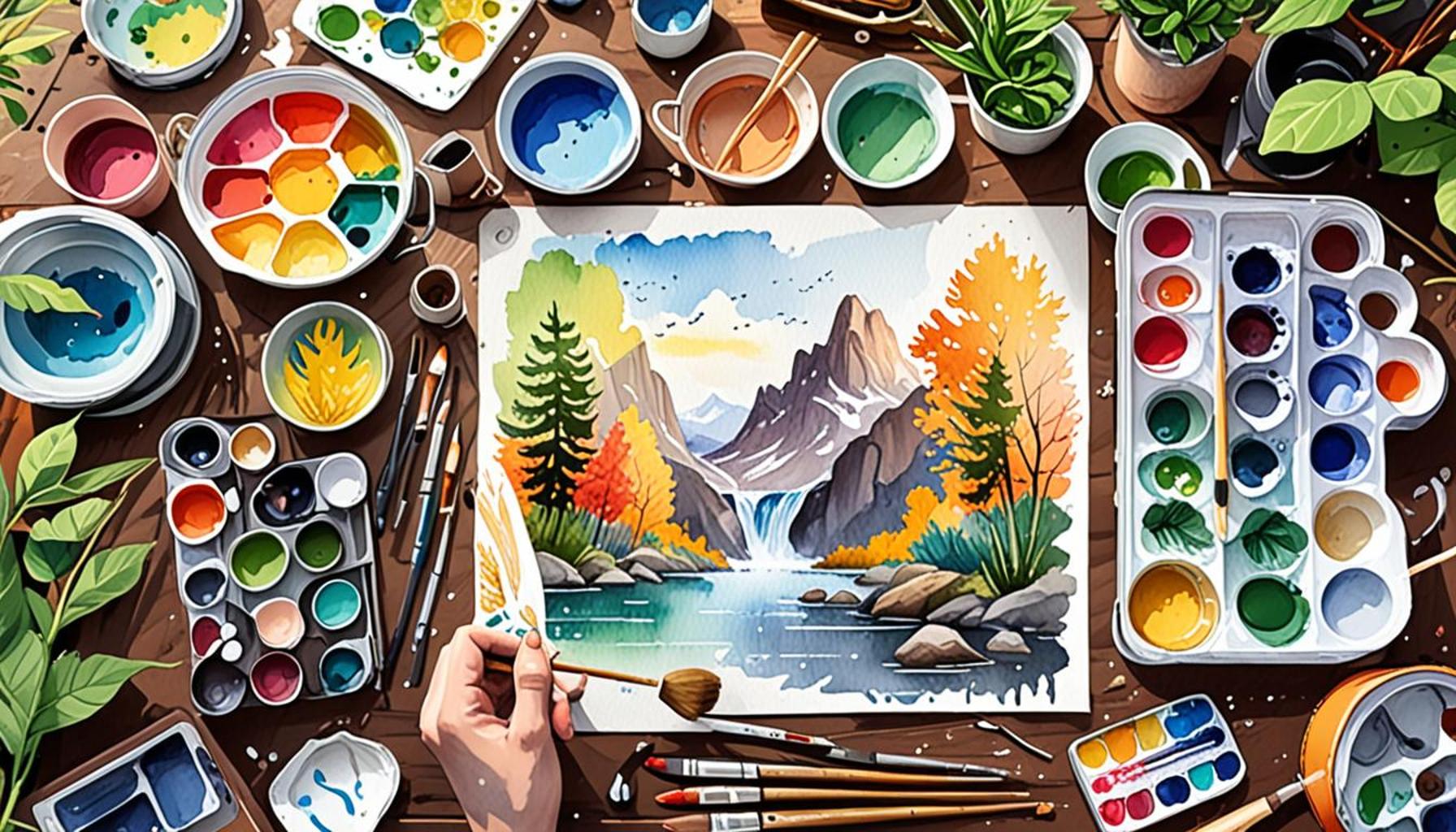
Understanding Nature’s Influence on Artistic Expression
Throughout history, nature has played an integral role in artistic expression, acting as a muse for countless creators. The landscapes that stretch across the United States—from the dramatic red rock formations of the Southwest to misty Appalachian hills—provide an extensive foundation for artists seeking inspiration. The variety found in nature offers an incredible range of colors, textures, and forms that echo through each stroke of paint or blade of grass fashioned in a sculpture.
Outdoor artists, those committed to creating outside the boundaries of studio walls, develop a symbiotic relationship with their environment. This relationship goes beyond mere observation; it evolves into a profound dialogue where the artist’s perceptions and feelings commune with the elements present around them. The ways in which nature influences their creative process are both myriad and compelling:
- Visual Inspiration: The shifting landscapes and vibrant ecosystems provide an unending source of subject matter. For instance, the wildflower blooms of spring transform dull hilltops into vibrant canvases. Artists such as Georgia O’Keeffe have celebrated the flora and fauna of America, giving life to the arid deserts with exquisite floral paintings that command attention.
- Emotional Resonance: Nature evokes deep-seated feelings that translate into passionate works of art. Consider the emotional impact of a tranquil lake at sunset or the power of stormy skies over a rugged cliffside. The intense emotions stirred by these scenes find their way into the work of artists, influencing everything from their technique to the themes they choose to explore.
- Sensory Experience: The symphony of sights, sounds, and scents in the outdoors enriches the artistic process. The rustling leaves, the smell of pine, and the dazzling colors of a setting sun all contribute to the artist’s immersive creative experience. Outdoor artists often describe feeling more grounded and inspired when enveloped by such natural settings.
As they engage with the world around them—whether painting a lively autumn forest or sculpting a figure inspired by the contours of a mountain—outdoor artists draw deeply from the well of their surroundings. The connection between nature and art is not only palpable; it serves as a powerful reminder of our shared humanity and our frequent yearning for connection with the natural world.
The Role of Environment
This exploration into nature’s influence on artistic creation leads us deeper into how various elements of the environment shape expression. We will examine the perspectives of a range of contemporary outdoor artists, from acclaimed painters who capture the grandeur of America’s national parks to emerging sculptors who utilize natural materials to reflect sustainability. As the artistic dialogue with nature continues to evolve, it remains a relevant and enriching topic, providing valuable insight into our relationship with the world around us.
DIVE DEEPER: Click here to discover innovative crafting ideas
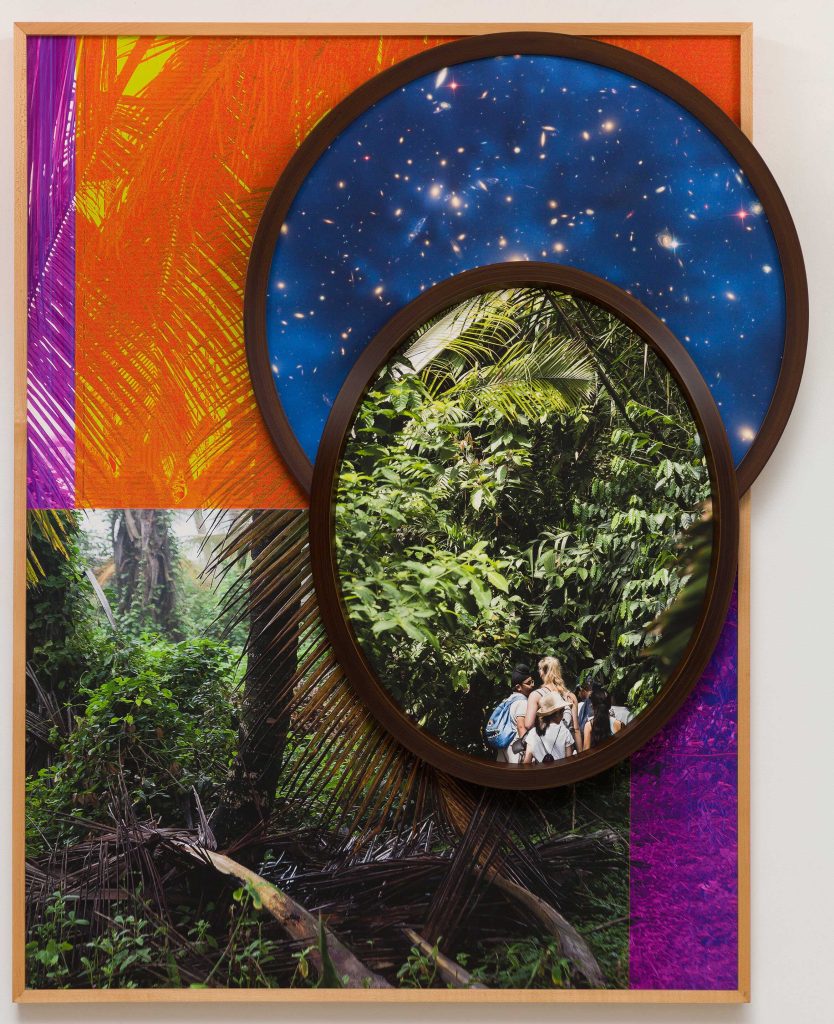
The Transformative Power of Nature in Artistic Creation
The extraordinary landscapes within the United States serve not only as backdrops but also as dynamic forces that shape the works of outdoor artists. By stepping outside their studios, these artists allow themselves to be enveloped by the complexity of their surroundings, which may range from the bustling beauty of city parks to the serene vistas of untouched wilderness. This interaction fosters a creative environment where inspiration can flourish, inherently influenced by the natural world.
As we dive deeper into the artistic expressions born from this relationship, several critical aspects come to the forefront:
- Cultural Echoes: Each region of the United States boasts a unique cultural and environmental identity that influences its artists. For example, the vivid colors and dramatic shadows of New Mexico’s desert landscape have inspired iconic artists such as O’Keeffe and her contemporaries. Meanwhile, the lush greenery and coastal views in California foster a different aesthetic, attracting countless plein air painters who seek to capture the Pacific’s ever-changing colors and moods.
- Seasonal Changes: The transformative seasons of nature provide endless inspiration for outdoor artists. The blooming cherry blossoms in Washington, D.C., or the vibrant foliage of New England in the fall serve as a canvas for seasonal studies. Artists often find themselves drawn to these fleeting moments, recognizing that the beauty of nature is both ephemeral and deeply rooted in the cycles of life.
- Climate and Light: The effects of climate and light are powerful factors in artistic creation. Many artists have testified to the unique qualities of light in different environments. The clear blue skies and warm light of the Southwestern deserts yield colors that vary dramatically at different times of the day. Outdoor artists frequently adapt their techniques to capture these variations, leading to works that reflect their attentiveness to nature’s rhythms.
This deep engagement with the natural world enables outdoor artists to create works that are not just visually striking but are also imbued with the emotional and sensory characteristics of their surroundings. It allows them to harness the essence of what they see and feel, portraying the intangible feelings of awe, wonder, and connection through their art.
The Journey of the Artist
The outdoor artist’s journey is often as significant as the artworks they produce. As they explore new landscapes and traverse different terrains, their experiences cultivate a profound understanding of the interrelationship between humanity and nature. From solo expeditions in remote National Parks to collaborative projects with fellow artists, every brushstroke is influenced by their personal journey and the environment they inhabit. This exploration underscores the essential role of nature in nurturing not just artistic talent but also a shared narrative about our bond with the earth.
The Role of Environment in Artistic Expression
The outdoor artist draws inspiration directly from their surroundings, making the landscape not just a backdrop but a significant element of the creation process. Natural light, for instance, plays a crucial role in how colors are perceived and rendered on canvas. Different times of the day offer varying hues and shadows, allowing artists to explore a spectrum of emotions and moods through their work.Moreover, the textures found in nature—from rough bark to soft petal edges—provide artists with a rich tactile experience. Incorporating these elements can lead to unique interpretations that challenge traditional artistic boundaries. Many outdoor artists experiment with mixed media, utilizing items like leaves or soil, to create artwork that resonates with their immediate environment, making their pieces not only visually stunning but also contextually rich.
Connection Between Nature and Creativity
Research has shown that spending time in nature can enhance creative thinking and problem-solving skills. Artists often report that working outdoors not only provides visual inspiration but also facilitates a deeper connection with their creative selves. The calming sounds of a bubbling brook or the rustling leaves can serve as a backdrop that fosters an atmosphere ripe for creativity.Engaging with nature may also evoke personal memories or emotional responses that influence artistic choices. For example, a serene landscape may remind an artist of a peaceful childhood moment, thus impacting the emotional tone of their work. Such connections underscore the profound influence of nature on artistic creation, encouraging outdoor artists to explore themes that resonate with their life experiences.
| Category | Advantages |
|---|---|
| Inspiration from Natural Light | Rich colors and dynamic shadowing that modify artworks. |
| Emotional Resonance | Nature evokes personal memories, enhancing themes in artworks. |
| Tactile Elements | Textures in nature allow for unique mixed-media explorations. |
| Enhanced Creativity | Natural settings boost creative thinking and problem-solving. |
The relationship between nature and artistic creation is multifaceted, revealing how outdoor artists not only draw from their environment but also contribute to a dialogue between the natural world and their creative expressions.
DIVE DEEPER: Click here to discover how music genres can elevate your creativity
Connecting with the Environment: The Artist’s Process
Beyond the immediate aesthetic appeal of natural landscapes, the process of outdoor artists reveals a profound connection to their environment that goes far beyond visual representation. This connection often involves a meticulous attention to detail, as the artist seeks to understand the underlying essence of the scene before them. Engaging in practices such as sketching, journaling, and plein air painting, artists embed themselves in their surroundings, recording not just what they see, but also what they feel, hear, and smell.
For instance, artists who work in the diverse ecosystems of the Pacific Northwest might find themselves influenced not only by the towering redwoods and dramatic coastlines but also by the unique sounds of the ecosystem—the calls of the native birds, the rhythm of crashing waves, or the rustle of leaves in the breeze. Each of these sensory experiences plays a role in their creative output, allowing for a multi-dimensional representation of nature that speaks to the viewer on both a visual and emotional level. Such immersive processes testify to the intricate interplay between the outdoor environment and artistic creation.
The Role of Community and Collaboration
The influence of nature on artistic creation is frequently amplified through community engagement. Many outdoor artists participate in collective art projects that focus on environmental themes, encouraging dialogue about the importance of conservation and sustainability. Events such as art festivals and workshops bring artists together in natural settings, sparking inspiration and collaboration that often lead to innovative artworks. A well-known example is the Paint Out events, which see artists gathering in national parks or nature reserves to create art that reflects the beauty of these spaces while simultaneously raising awareness for their preservation.
Moreover, artists often draw inspiration from the collaborations with fellow outdoor enthusiasts, such as naturalists and ecologists. Through these interactions, they can incorporate scientific perspectives into their artwork, lending a greater depth to their representation of the natural world. This kind of interdisciplinary approach fosters artistic innovation and advocates for the protection of the environment, aligning the artist’s efforts with larger ecological narratives.
The Personal and Collective Narrative
Another fascinating aspect of the relationship between outdoor artists and nature is the way these experiences shape both personal and collective narratives. Each piece of art created outdoors becomes a testament to the artist’s journey, encapsulating personal reflections and memories tied to specific landscapes. For example, an artist painting the serene lakes of Minnesota may channel their childhood experiences of fishing with family, translating those intimate moments into a visual narrative that resonates with viewers.
On a broader scale, the collective narrative shaped by outdoor artists can illuminate regional environmental issues, acting as a reflection of cultural values and ecological challenges faced by communities. Local landscapes serve as canvases for larger discussions about land use, climate change, and habitat conservation. Through exhibitions and public displays, artists have the opportunity to advocate for their beloved environments, fostering a sense of stewardship and community engagement rooted in a shared passion for nature.
Ultimately, the influence of nature on artistic creation reveals itself in various forms, enriching not only the work produced but also the understanding of the intricate relationship between the artist, their environment, and the stories waiting to be told. This symbiotic relationship continues to inspire new generations of artists as they venture into the great outdoors, seeking to connect, reflect, and create amidst the ever-changing canvas of our natural world.
DISCOVER MORE: Click here to dive into innovative DIY projects
Conclusion: The Everlasting Bond Between Nature and Art
The exploration of the influence of nature on artistic creation unveils a captivating narrative that interweaves the personal journeys of outdoor artists with the broader ecological story. Through immersive practices such as plein air painting and collaborative community projects, these artists not only capture the inherent beauty of their surroundings but also advocate for the preservation of the very landscapes that inspire them. Each brushstroke paints not just a picture but a testament to the deep emotional and sensory experiences that nature elicits.
Moreover, as outdoor artists delve into their creative processes, they highlight the collective responsibility we all share in protecting our natural environments. Their works resonate with viewers, prompting ruminations on pressing ecological issues while inviting a dialogue about sustainability and conservation. By transforming their artistic expression into a voice for the environment, outdoor artists play a crucial role in shaping public perceptions and inspiring action toward ecological stewardship.
As we venture into an era increasingly marked by urbanization and environmental challenges, the bond between nature and artistic expression becomes more significant than ever. As new generations of artists venture into the wild, they carry forward this legacy, nurturing their creativity through the wonders of the natural world. In observing their journey, we, too, are reminded of our own connection to nature and the urgency to preserve it for future generations. Ultimately, the relationship between nature and artistic creation challenges us to see the world through a multidimensional lens, inspiring a renewed appreciation for the landscapes we inhabit.
Related posts:
Experimental Photography: Capturing the Unusual in Every Click
Revitalizing Traditions: The Intersection of Folk Art and Contemporary Experimentation
The Art of Improvisation: How Music Can Stimulate Visual Creativity
The Influence of Art on Mental Health: How Artistic Exploration Can Improve Well-Being
Exploring Minimalism: The Power of Simplicity in Creative Expression
Techs Impact on Creative Hobbies Innovative Projects Redefining Creation

Linda Carter is a writer and creative hobbies expert specializing in crafting, DIY projects, and artistic exploration. With extensive experience helping individuals discover their creative potential and bring their ideas to life, Linda shares her knowledge on our platform. Her goal is to empower readers with practical tips, inspiring ideas, and step-by-step strategies for success in the world of creative hobbies.