The Influence of Music on Personal Self-Expression
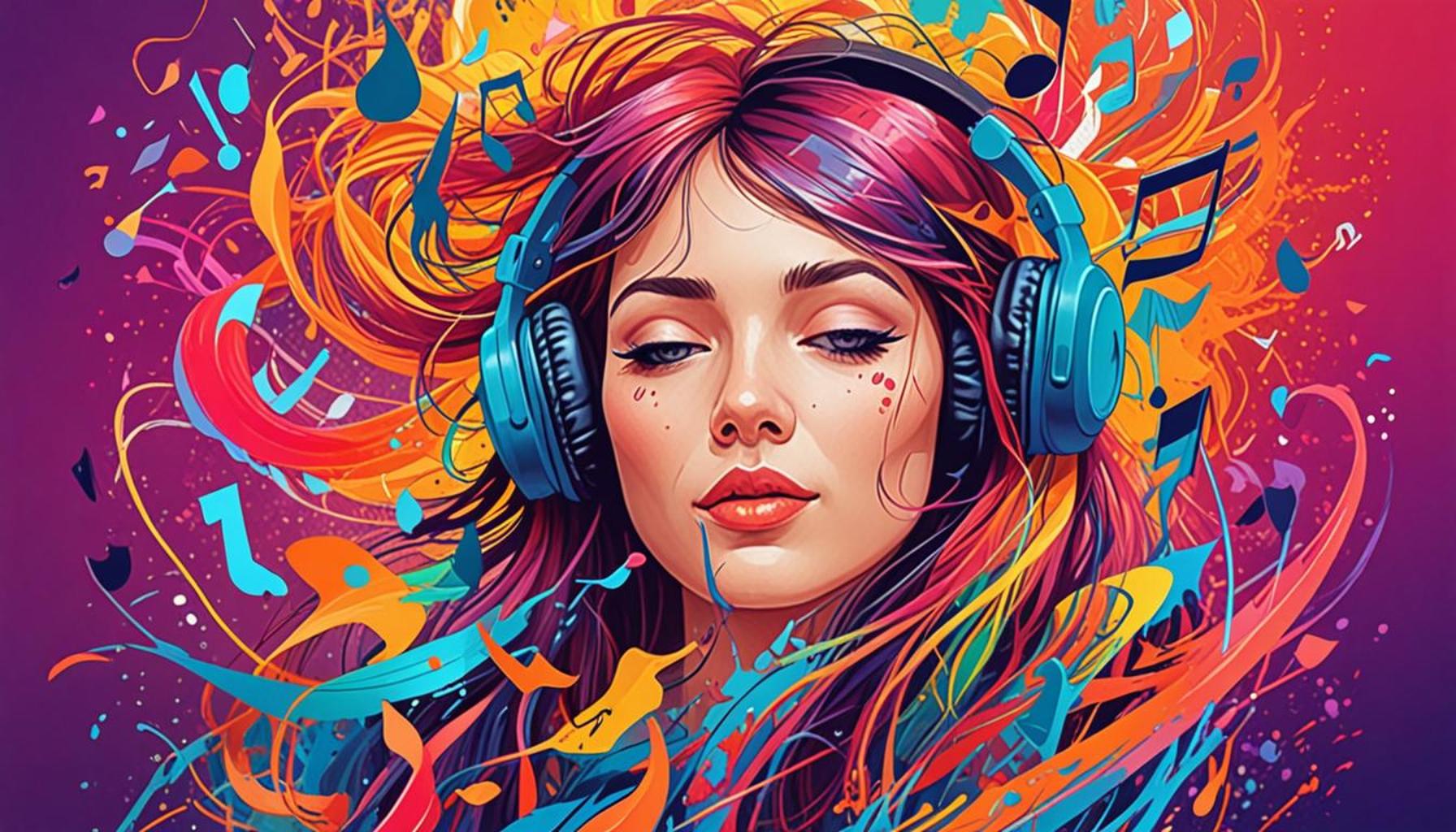
The Multifaceted Role of Music in Shaping Personal Identity
Music is more than just a collection of sounds; it is a powerful medium that shapes our personal identities. With each beat, we uncover layers of self-expression that reflect our emotions, beliefs, and experiences. For many, music serves as a mirror, highlighting personal struggles, aspirations, and even triumphs. The rhythms and melodies we are drawn to can deeply influence how we perceive ourselves and the world around us.
Consider the various genres of music and how they resonate with distinct aspects of our identities. For instance, the beats and verses of hip-hop often convey narratives of resilience and community, drawing listeners into stories that reflect their own challenges. Artists like Kendrick Lamar and J. Cole use their platforms to address youth empowerment and social issues, allowing listeners to find a voice for their own experiences.
On the other hand, the soothing strains of folk music often evoke memories of family gatherings and tradition, further enhancing an individual’s connection to their roots. Artists like Joan Baez and Bob Dylan have used this genre to tell stories that speak to the heart of America, addressing themes like social justice and personal freedom. This rich tapestry of sounds highlights just how versatile music can be in the expression of identity.
Here are some key ways music profoundly influences personal self-expression:
- Emotional Release: Lyrics can articulate what we feel but often struggle to express verbally. An individual might play a song on repeat after a heartbreak, finding solace in the intimate understanding of the artist’s words.
- Social Connection: Music unites us through shared experiences, fostering a sense of belonging. Festivals, concerts, and even social media platforms create communities that celebrate collective interests and identities, reinforcing connections among diverse groups.
- Cultural Identity: Genres often reflect cultural backgrounds, helping individuals connect with their heritage. For example, the resurgence of Latin music in mainstream American culture showcases the powerful fusion of identities and highlights the rich influences that shape contemporary society.
Historically, music in the United States has played a pivotal role in movements for change. From the protest songs of the 1960s, which resonated with the fight for civil rights, to contemporary anthems advocating for social justice, music has echoed our collective struggles and triumphs. Songs like “A Change is Gonna Come” by Sam Cooke remain timeless anthems signifying hope and resilience, while modern tracks by artists like H.E.R. or Childish Gambino address issues like racism and inequality, energizing new generations to advocate for change.
As we dive deeper into the intricate relationship between music and identity, it becomes evident that melodies do not merely entertain; they shape our individual narratives profoundly. Each song becomes a chapter in our lives, telling stories that are uniquely our own. Join us on this journey of understanding how these powerful art forms continue to influence our perceptions and expressions of self.
DIVE DEEPER: Click here to uncover advanced origami techniques
The Emotional Resonance of Music
Music holds a profound capacity to resonate with our emotions, acting as a catalyst for personal self-expression. The connection between music and our feelings is not merely coincidental; it stems from the way melodies, harmonies, and lyrics intertwine with the very fabric of our lived experiences. In moments of joy, we often turn to upbeat tracks that mirror our celebratory spirits, while in times of sorrow, we might gravitate toward slower ballads that encapsulate our pain. This ability to evoke strong emotional responses makes music a vital tool for individuals seeking to articulate their inner worlds.
For instance, consider the cathartic experience of listening to a heart-wrenching breakup song. Tracks such as “Someone Like You” by Adele encapsulate the raw, aching sensation of loss, allowing listeners to confront their own experiences of heartbreak. This emotional release not only serves as a form of therapy but also fosters an understanding that one is not alone in their feelings, providing a sense of solidarity through shared experiences.
Additionally, music can act as a platform for individuals to express their personal narratives. Artists often weave autobiographical elements into their songs, inviting listeners to connect with their stories. The genre of country music, for instance, is particularly adept at storytelling, with artists like Chris Stapleton and Kacey Musgraves crafting songs that delve into heartache, love, and the intricate details of everyday life. As listeners engage with these narratives, they may see reflections of their own experiences, further enhancing their sense of identity.
Moreover, the role of music in personal self-expression is further amplified by its ability to create a sense of community. Concerts and music festivals serve as arenas for collective experiences, where individuals unite to celebrate their shared passions. These gatherings foster connections among diverse groups, allowing people to come together over common interests. The expansive reach of social media platforms has also transformed how individuals engage with music. Sites like TikTok and Instagram allow for the viral sharing of songs, helping artists spread messages that resonate across demographics, cultures, and personal backgrounds.
The influence of music on personal self-expression extends beyond individual reflection; it can cultivate active engagement in social and political movements. Throughout history, music has often been the soundtrack of change, offering a voice to marginalized communities. The protest songs of the 1960s, such as “For What It’s Worth” by Buffalo Springfield, galvanized a generation to speak out against injustice. Similarly, contemporary artists like Billie Eilish and Lin-Manuel Miranda continue this legacy, using their music to advocate for mental health awareness and social justice. Their ability to intertwine personal struggles with broader societal issues signifies not only their own self-expression but also their role in shaping a collective consciousness.
As we navigate through the various dimensions of music’s impact on self-expression, it becomes clear that this art form serves as more than mere entertainment. Each note, lyric, and venue holds the potential to reflect the complexities of human experience, encouraging individuals to explore their identities and the world around them. With this understanding, the journey into music’s multifaceted influence is just beginning.
| Category | Advantages |
|---|---|
| Emotional Resonance | Music serves as a powerful outlet for expressing complex emotions, allowing individuals to connect deeply with their feelings. |
| Cultural Identity | Through personalized music choices, individuals can showcase their cultural backgrounds, reinforcing their unique identities. |
| Creative Exploration | Engagement with music encourages experimentation and creativity, enabling a rich exploration of self-expression. |
The profound connection between music and self-expression is not merely anecdotal; research continually underscores its significance. People often turn to music as a way to articulate feelings that are hard to put into words. Whether it’s the soothing melodies that accompany them during tough times or the upbeat rhythms that enliven joyful moments, music creates a unique emotional landscape in which individuals can explore their innermost thoughts.Furthermore, music transcends mere entertainment and becomes a means of reflecting one’s cultural identity. A person’s music library can reveal an intricate tapestry of cultural heritage, personal experiences, and social influences. This avenue invites conversations about community and belonging, enriching interactions among diverse groups.Through the interplay of sound and self, music not only captivates the senses but also fosters personal growth and understanding, making it a pivotal element in the journey of personal self-expression. This multifaceted relationship subsequently encourages a deeper exploration of creativity, inviting us to engage with music as a tool for self-discovery.
DIVE DEEPER: Click here to unlock the world of musical improvisation
Music as a Medium of Identity Formation
Beyond its role in emotional expression and social engagement, music profoundly influences personal self-expression by shaping individual identities. Music genres often serve as a backdrop to cultural, generational, and personal identities, facilitating a deeper understanding of one’s place in society. For many individuals, the music they love—or even the genres they reject—becomes symbolic of their community and personal ethos. This phenomenon is particularly evident in youth culture, where specific genres define not only musical preferences but also social circles and lifestyles.
Genres like hip-hop and punk rock are more than just styles of music; they represent cultural movements that challenge societal norms and empower listeners to express their unique identities. Hip-hop, for instance, sprung from marginalized communities and has evolved into a powerful platform for storytelling and self-expression. Artists such as Kendrick Lamar and Nicki Minaj speak candidly about their struggles, triumphs, and societal issues, allowing their fans to voice their own experiences through the lens of the music they create and consume. This transfer of personal stories into public consciousness fosters a robust dialogue about identity, race, and resilience.
Moreover, the impact of music on personal identity can also be observed through fandoms, wherein resonant fan communities emerge around shared musical tastes. These communities provide a safe space for fans to explore their identities freely and express themselves through various artistic outlets, from fan art to social media tributes. Platforms like Discord and Reddit have become significant havens for fans to discuss their favorite musicians and share personal connections to songs, building a collective identity around mutual admiration. This not only influences how they perceive themselves but also reinforces a sense of belonging amidst peers.
Music Therapy and Personal Discovery
The therapeutic benefits of music underscore its influence on personal self-expression in profound ways. Music therapy has gained traction as a valuable treatment modality, enhancing emotional well-being and fostering self-discovery. Through structured programs, individuals engage with music—either by listening, singing, or composing—allowing them to explore and articulate their feelings in ways that traditional forms of communication may not facilitate.
Research has demonstrated that music therapy can help individuals navigate complex emotions and trauma. For instance, patients with post-traumatic stress disorder (PTSD) often find solace in music as it helps to evoke memories and feelings they may be unable to articulate otherwise. This process not only aids in understanding their emotional landscape but also empowers them to redefine their personal narratives. Facilities like the Veterans Health Administration have implemented music therapy programs to support veterans on their journey toward healing, highlighting music’s therapeutic power.
The Role of Technology in Music Self-Expression
As technology continues to evolve, its role in shaping personal self-expression through music cannot be understated. Digital platforms like Spotify and Apple Music have democratized music consumption, allowing users to explore diverse genres and curate personalized playlists that reflect their identities and moods. Furthermore, music production software has made it more accessible for aspiring artists to create and share their work, enabling a broader spectrum of voices to emerge in the music industry.
In addition, social media has revolutionized how artists and fans interact. The rise of platforms like TikTok has not only popularized catchy songs but also sparked new trends in music-based self-expression, where individuals showcase their lives and identities through creative dance videos and song remixes. This profound integration of music in daily life enhances both individual creativity and communal connections, showcasing how music continues to influence and shape personal and collective identities.
DISCOVER MORE: Click here to learn how music can enhance your emotional well-being
Conclusion: Embracing Identity Through Music
As we delve into the multifaceted relationship between music and personal self-expression, it becomes evident that music serves as a powerful facilitator of identity formation, emotional healing, and creative exploration. The genres we resonate with reflect our individual journeys and cultural backgrounds, forging connections that empower us to understand and articulate our experiences. Through movements like hip-hop and punk rock, listeners not only find solace in shared narratives but also challenge societal expectations, nurturing a culture of authenticity and resilience.
Moreover, the therapeutic aspects of music highlight its profound impact on personal discovery, offering individuals a unique channel to process emotions that they may find difficult to express verbally. As evidenced by the growing acceptance of music therapy across various settings, music is not merely an art form; it is a source of healing and transformation that resonates deeply with personal narratives.
In today’s digital landscape, technology has further transformed the way individuals engage with and share music, allowing for a dynamic interplay of creativity and community building. This evolution has made music more accessible than ever, encouraging diverse expressions that reflect the rich tapestry of personal and communal identities. As the ways in which we experience and share music continue to evolve, it invites us to explore the endless possibilities for self-expression and connection that music offers. From the notes we choose to embrace to the lyrics that speak to our souls, music will undoubtedly remain a cornerstone of personal identity and expression, inviting future generations to discover their own voices in its vibrant melodies.
Related posts:
How Abstract Art Influences Personal Expression and Well-being
The Connection Between Music and Memory: How Music Evokes Memories
The Influence of Music on the Expression of Human Vulnerability
Music and Movement: The Intersection Between Dance and Musical Expression
How Musical Improvisation Can Enhance Creativity
The Emotional Benefits of Learning a Musical Instrument

Linda Carter is a writer and creative hobbies expert specializing in crafting, DIY projects, and artistic exploration. With extensive experience helping individuals discover their creative potential and bring their ideas to life, Linda shares her knowledge on our platform. Her goal is to empower readers with practical tips, inspiring ideas, and step-by-step strategies for success in the world of creative hobbies.