The Importance of Music in Children’s Emotional Education
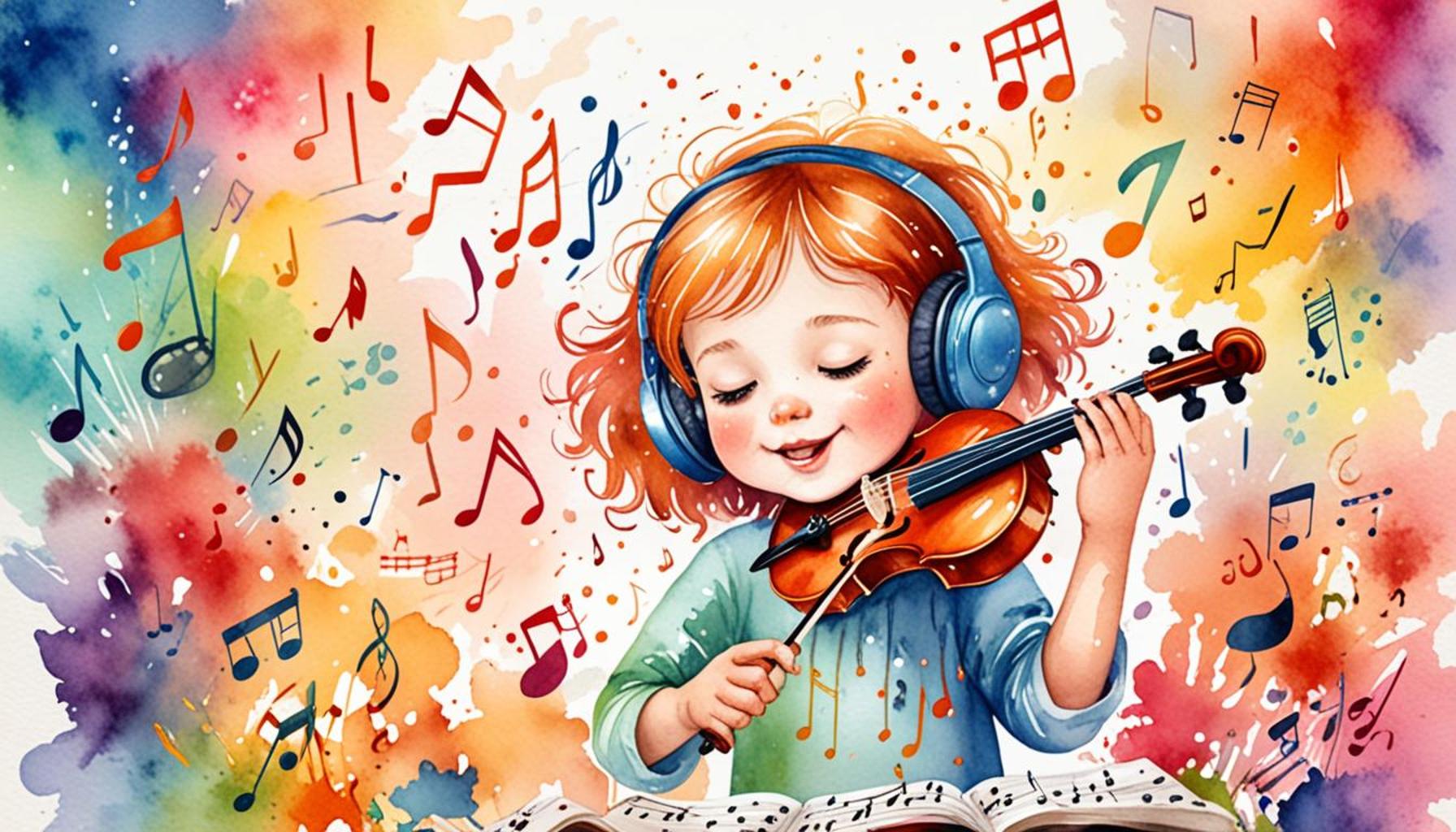
The Impact of Music on Children’s Emotional Growth
Music serves as a universal language that not only entertains but profoundly influences children’s emotional growth. It offers a wealth of opportunities for children to explore complex feelings and foster connections with their peers. The rhythms and melodies of music can evoke a spectrum of emotions, making it a powerful tool in helping children understand themselves and their interactions with others. The implications of this are far-reaching, influencing emotional intelligence and social behavior in profound ways.
Benefits of Music in Emotional Education
Integrating music into children’s lives can yield several important benefits that are crucial for their emotional and social development:
- Emotional Expression: Through music, children can communicate feelings that they might find difficult to put into words. For instance, a child might relate to a sad song about loss, helping them articulate feelings of grief or disappointment. This recognition can foster emotional maturity as they learn that feelings are valid and deserve expression.
- Social Skills: Engaging in group music activities, such as choir or band, encourages collaboration, listening, and valuing contributions from peers. These experiences enhance skills like empathy and patience. Children learn the importance of working together toward a common goal, which is essential for forging deep friendships.
- Cognitive Development: Exposure to music not only enriches emotional experiences but also boosts cognitive skills. Research has shown that children involved in music tend to exhibit improved memory and attention spans. For instance, learning to play an instrument requires discipline and focus, translating into better performance in academic settings.
A wealth of research underscores the importance of music in early childhood development. According to a study published in the journal “Psychology of Music,” children exposed to music training displayed significantly better emotional regulation and resilience compared to their peers without such experiences. This correlation is not merely coincidental; schools across the United States are increasingly adopting music programs, recognizing their value in fostering emotional growth and learning.
As we explore the intricate relationship between music and emotional education, it becomes evident that music is not just an artistic endeavor but a foundational aspect of how children learn to navigate their feelings and relationships. By nurturing a child’s musical abilities, we create a bridge toward understanding themselves and the world around them. The transformative power of music can shape not only the cognitive landscape but also the emotional richness of generations to come.
DIVE DEEPER: Click here to discover creative upcycling ideas
Unlocking Emotional Intelligence Through Musical Engagement
The integration of music into children’s lives is not merely an artistic endeavor; it is a vital aspect of their emotional education. Through the medium of music, children gain valuable skills that aid in understanding and expressing their feelings. A study published in the journal “Music Education Research” highlights that children who actively engage in musical activities exhibit higher levels of coping mechanisms when faced with emotional challenges. This established connection indicates that music can serve as a safe outlet for expressing emotions and developing emotional resilience.
Creating Emotional Connections
One of the most compelling ways in which music impacts children’s emotional education is by facilitating emotional connections. Traditional educational methods may focus primarily on cognitive skills, often neglecting the emotional aspects of a child’s development. However, music allows children to resonate with pieces that reflect their own experiences. Here are some notable ways in which music fosters these connections:
- Relatability: Lyrics and themes in songs often address common childhood experiences, from joy to sorrow. A child may find comfort in a song that talks about feeling lonely, helping them articulate their own feelings of isolation.
- Mindfulness: Listening to music can promote introspection and mindfulness. By concentrating on melodies and rhythms, children learn to focus their thoughts and feelings, an essential skill for emotional regulation.
- Comfort in Shared Experiences: Group music activities offer opportunities for children to bond over shared emotions. For example, singing together can create a sense of belonging and support, something crucial in building social well-being.
In addition to facilitating emotional expression, music education provides a platform for children to explore their identities. As they engage with different genres, they are prompted to think critically about their preferences and the emotional narratives that resonate with them. Research indicates that this exploration plays a key role in developing a child’s self-concept and emotional awareness.
Moreover, opportunities for creative expression through music can influence a child’s future interactions and relationships. Children who express themselves musically often become adults who can articulate their emotions and connect with others in meaningful ways. The National Association for Music Education (NAfME) emphasizes that music is a tool for promoting not just individual growth but community connection. The sense of community forged through music participation fosters empathy, making it easier for children to navigate diverse relationships as they grow.
The Role of Music in Early Education
As educational institutions increasingly recognize the significance of music in emotional education, many have begun embedding music programs into their curricula. Schools from coast to coast are offering a variety of musical experiences, from general music classes to specialized programs like band, orchestra, and choir. Such initiatives enable children to thrive in a structured yet nurturing environment, where emotional creativity is encouraged.
In summary, as we consider the importance of music in children’s emotional education, it becomes apparent that music goes beyond entertainment. It is a vital tool for fostering emotional intelligence, enhancing social skills, and promoting healthy relationships. From early childhood through adolescence, music serves as a cornerstone of emotional development, creating avenues for self-discovery and interpersonal understanding. Through nurturing a child’s musical journey, we unlock the door to a deeper comprehension of their emotions and the world around them.
The Role of Music in Emotional Development
Music serves as a vital tool in children’s emotional education, enriching their lives in multiple dimensions. When children engage with music, they not only develop critical listening skills but also learn to express their emotions in a safe environment. This practice instills confidence, enabling them to convey their feelings more openly both verbally and non-verbally.
Social Skills Through Collaboration
Participating in music groups or classes fosters collaboration among children. They learn to work harmoniously with others towards a common goal, enhancing their social skills. These settings provide opportunities for children to practice empathy, turn-taking, and active listening. Such experiences can lead to richer friendships and better interpersonal relationships, which are crucial aspects of emotional intelligence.
Emotional Resilience and Coping Mechanisms
Moreover, music acts as an effective coping mechanism for children facing various emotional challenges. Whether they’re experiencing joy or sadness, engaging with music helps them process and reflect on their feelings. It provides an outlet for their emotions, promoting emotional resilience. Research suggests that children who engage in music tend to develop a stronger sense of self-regulation and awareness, paving the way for healthier emotional responses in challenging situations.
| Category | Description |
|---|---|
| Emotional Expression | Music provides a platform for children to express their emotions. |
| Social Skills Development | Group music activities enhance collaboration, empathy, and communication. |
| Coping Mechanism | Engagement with music helps children manage their emotions effectively. |
As these elements intertwine through regular musical engagement, children not only learn about music but also about themselves and their emotions, setting the groundwork for a full emotional education. By nurturing these skills at a young age, we pave the way for a generation that values emotional health and understanding.
DIVE DEEPER: Click here to discover more
Building Social Skills Through Collaborative Music Experiences
Engaging in music is not only about individual expression; it is a powerful catalyst for fostering social skills in children. Collaboration in musical settings encourages teamwork and communication, vital components of emotional education. When children participate in group performances, whether in a choir, band, or even a simple sing-along, they learn to work together towards a common goal. This process lays the foundation for healthy social interactions that extend beyond the music room.
Teamwork and Cooperation
Participating in ensemble-based music activities necessitates a level of cooperation that sharpens a child’s ability to collaborate. Children must listen to one another, synchronize their timing, and contribute harmoniously to the performance as a whole. A report from the American Psychological Association notes that children involved in collaborative music activities demonstrate improved interpersonal skills and a sense of responsibility. These skills translate into other areas of their lives, including classroom dynamics and family relationships.
- Listening Skills: Music requires active listening. As children focus on harmonizing with their peers, they develop important skills in attentiveness, empathy, and understanding. This heightened awareness can improve their ability to navigate social situations.
- Conflict Resolution: Disagreements can arise during group music activities, whether it’s about tempo or artistic expression. Children learn to resolve these conflicts through dialogue and compromise, laying the groundwork for emotional maturity in handling disagreements.
- Building Community: Group music activities foster a sense of belonging and community. When children play together, they create collective memories and bonds that help them feel connected and understood, reducing feelings of loneliness.
The Impact of Music on Academic Performance
Interestingly, the benefits of music extend into academic performance as well. Research from the Arts Education Partnership suggests that music education may enhance cognitive skills, which are intrinsically linked to emotional intelligence. For instance, learning to read musical notations and the discipline required to practice an instrument can sharpen focus and concentration. These skills are crucial when it comes to understanding emotional narratives both in literature and real-life scenarios.
Children who participate in music programs are often found to have better literacy and numeracy skills compared to their peers with limited musical exposure. This connection between music and academic performance highlights the necessity for schools to prioritize music education as part of a holistic approach to learning. Bridging the gap between emotional education and academic success is essential for nurturing well-rounded individuals.
Music Therapy in Emotional Education
Furthermore, the efficacy of music in promoting emotional education can also be seen in the field of music therapy. This therapeutic approach uses music as a tool for expression, healing, and emotional support. Music therapists work with children facing various emotional or developmental challenges, proving that the therapeutic qualities of music can aid in emotional regulation and provide comfort during trying times.
- Emotional Expression: Music therapy offers children an opportunity to express feelings they may struggle to articulate verbally. Through creative outlets, they can release bottled-up emotions, fostering a greater understanding of their emotional landscapes.
- Trauma and Recovery: For children dealing with trauma, engaging with music can be instrumental in the healing process. It provides a secure environment where they can explore and process their experiences, proving that music serves as both a refuge and a means of growth.
- Cognitive and Emotional Development: Music therapy has been shown to enhance emotional well-being, cognitive function, and even physical coordination. As children immerse themselves in music, they are not just learning notes; they are embarking on a journey of self-discovery and emotional healing.
The influence of music on children’s emotional education is manifested in numerous ways—through fostering social connections, enhancing cognitive skills, and providing therapeutic support. By understanding and leveraging the unique benefits music offers, parents and educators can create nurturing environments that empower children emotionally and socially, equipping them with essential life skills as they grow. As research continues to highlight the transformative power of music, it becomes imperative to integrate these practices into children’s everyday learning experiences.
DIVE DEEPER: Click here to discover more about sustainable art projects
Conclusion: The Transformative Role of Music in Shaping Emotional Development
In sum, the significance of music in children’s emotional education cannot be overstated. As demonstrated throughout this article, music serves as a multifaceted tool that enriches the emotional and social development of young learners. From fostering interpersonal skills during group collaborations to enhancing cognitive performance, the benefits of music extend well beyond mere enjoyment. By providing children with avenues for emotional expression through creative outlets, we not only equip them with essential skills but also contribute to their overall well-being.
The integration of music programs in educational curricula is crucial for nurturing emotionally intelligent individuals who can thrive in diverse environments. Schools, parents, and policymakers must collaborate to prioritize access to quality music education, recognizing it as a vital component of holistic learning. Furthermore, initiatives like music therapy highlight the healing potential of music, illustrating its capacity to support children facing emotional challenges or trauma.
As we move forward, it is essential to keep an open dialogue about the transformative power of music. By investing in music education, we can empower the next generation to navigate their emotional landscapes with confidence and resilience. As research continues to unveil the deep connection between music and emotional education, we invite educators and parents to explore these findings, enriching children’s lives through the harmonious blend of melody and emotional understanding.
Related posts:
How Abstract Art Influences Personal Expression and Well-being
The Influence of Music on Personal Self-Expression
Exploring Cultural Diversity Through Musical Expression
Music and Technology: New Frontiers in Musical Expression
The Role of Music in Building Creative Communities
Music as a Form of Protest and Social Change

Linda Carter is a writer and creative hobbies expert specializing in crafting, DIY projects, and artistic exploration. With extensive experience helping individuals discover their creative potential and bring their ideas to life, Linda shares her knowledge on our platform. Her goal is to empower readers with practical tips, inspiring ideas, and step-by-step strategies for success in the world of creative hobbies.