The Importance of Experimentation in Abstract Painting
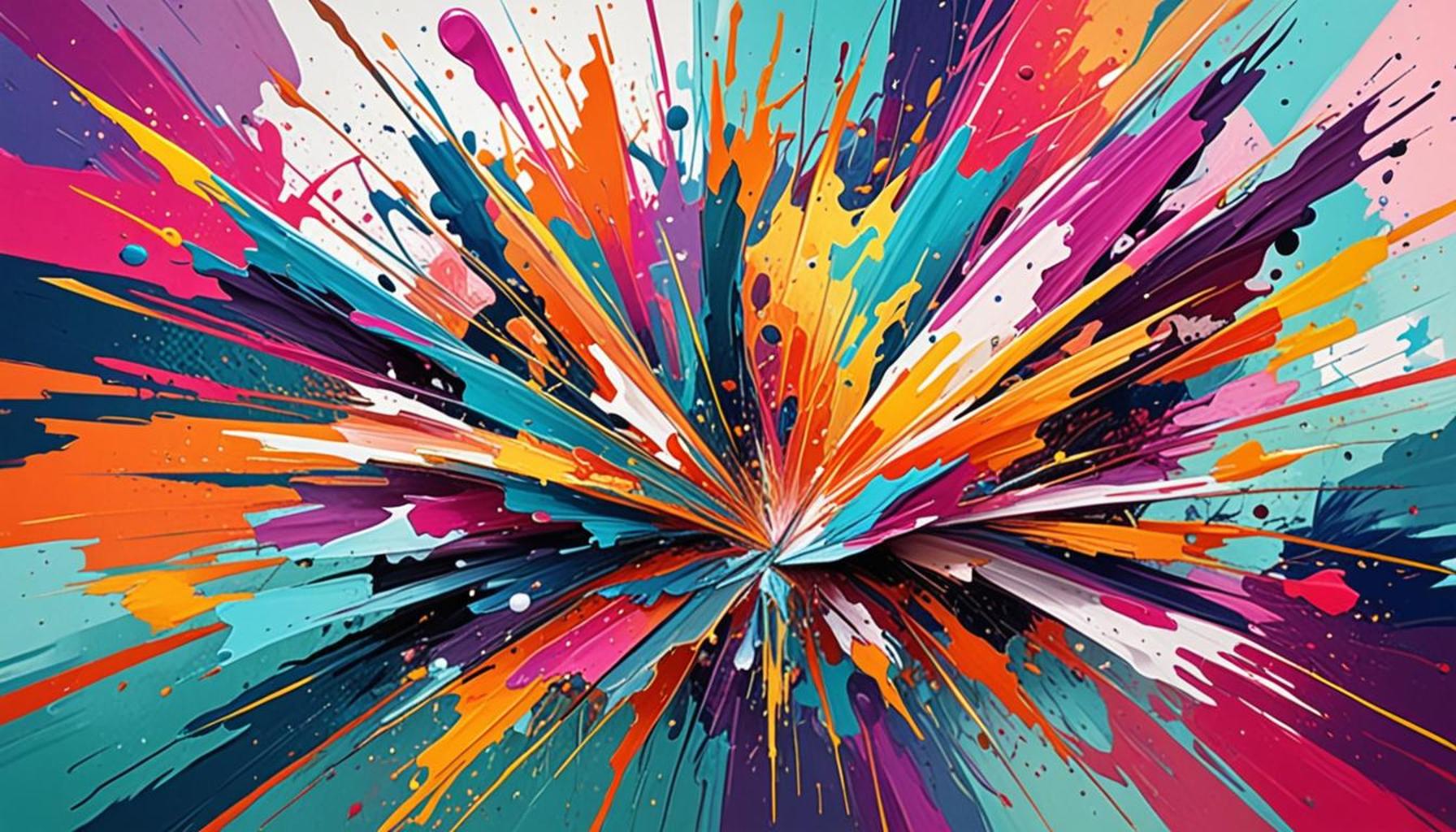
The Dynamic Landscape of Abstract Painting
In the world of abstract painting, experimentation is not just encouraged; it is essential. This artistic approach allows creators to transcend conventional boundaries and explore their true potential. By breaking free from traditional techniques and materials, artists can embark on a journey of self-discovery and innovation.
Why Experimentation Matters
Through experimentation, artists discover innovative techniques and unique perspectives that breathe new life into their work. This process can lead to significant breakthroughs in their artistic practice:
- Unseen colors and textures: Blending unexpected materials, such as adding sand or fabric to paint, can create a vibrant new palette that challenges viewers’ perceptions. For instance, the incorporation of metallic powders can give a painting an iridescent quality, evoking a sense of movement and depth.
- New methods of application: Utilizing unconventional tools—like sponges, forks, or even fingers—can enhance the overall composition and introduce an element of spontaneity. Many artists have found that using everyday objects can yield surprising results, infusing their work with a raw, tactile quality.
- Personal growth: Each experiment contributes to an artist’s style, helping to define their voice. By continuously pushing their limits, artists can refine their techniques, leading to distinctive signatures that resonate with viewers.
The Impact of Risk-Taking
Abstract painting thrives on the willingness to take risks. Artists who embrace uncertainty often unlock fresh ideas and concepts that can redefine their work. Here are some vital aspects to consider:
- Breaking the Rules: Deviating from traditional techniques can lead to original works that stand out in a crowded art world. For example, the famous artist Jackson Pollock revolutionized the medium with his drip painting technique, challenging accepted norms and paving the way for future generations of artists.
- Cultural Reflection: Experimentation often resonates with contemporary societal themes. Many modern abstract artists engage with issues such as climate change or social justice, embedding these themes into their artwork, thus inviting the audience to reflect on their own experiences.
- Artistic Evolution: Each new creation builds on the last, inspiring a continuous cycle of innovation. Artists learn from both their successes and failures, often revisiting past works to reinterpret or expand upon them, reinforcing the notion that art is an ever-evolving pursuit.
The journey of experimentation in abstract painting captivates audiences and allows artists to express their innermost thoughts in compelling ways. As we delve deeper into this subject, we will uncover the transformative power that comes from embracing the unexpected, ultimately encouraging a vibrant and dynamic art community. Each stroke of paint, every unconventional choice, becomes a testament to the artist’s journey, sparking curiosity and inspiring others to embark on their paths of exploration in the world of art.
DIVE DEEPER: Click here to discover creative DIY projects
The Role of Creativity in Abstract Exploration
Experimentation in abstract painting fosters an environment where creativity knows no limits. This liberating approach compels artists to step outside their comfort zones, igniting a spark that can lead to groundbreaking artistic expressions. By embracing the unknown, they can shift their perspective and engage with their work on a deeper, more personal level.
Challenging Perceptions
One of the primary benefits of experimentation is the opportunity to challenge and reshape how art is perceived. Abstract painting thrives on the idea that art is not merely a representation of reality but a complex interplay of colors, shapes, and emotions. When artists introduce new elements into their practice, they invite viewers to reconsider their preconceived notions about art. Consider the following aspects:
- Contextual Layering: Artists may layer multiple materials and styles, incorporating techniques like collage or mixed media to create a rich tapestry of texture and meaning. This layering compels viewers to engage with the piece more thoughtfully, unraveling its complex narrative.
- Emotional Resonance: By experimenting with color palettes and forms, artists can evoke a diverse range of emotions. A vivid combination of chaotic strokes and calming hues can transport the viewer into different emotional realms, challenging them to confront their own feelings.
- Viewer Interaction: Abstract paintings often provoke conversations and interpretations, making the audience an active participant. Artists who experiment may design works that require movement or interaction, allowing audiences to contribute to the artistic experience.
Innovative Techniques and Tools
The possibilities of experimentation extend beyond traditional media. In recent years, many artists have embraced emerging technologies to expand their creative horizons. Here are some noteworthy techniques and tools that have transformed the landscape of abstract painting:
- Digital Artistry: Tools such as tablets and graphic design software allow artists to create abstract works that challenge physical limitations. This form of experimentation opens new avenues for creativity, paving the way for unique visual styles that blend traditional methods with the modern digital realm.
- 3D Printing: The advent of 3D printing technology has enabled artists to create sculptural elements or textured canvases that were previously unimaginable. This innovation offers a tactile experience that can infuse the artwork with new life, further pushing the boundaries of how abstract painting is defined.
- Interactive Installations: Many contemporary artists are experimenting with installations that engage viewers in immersive ways. By combining abstract painting with sound, light, or even virtual reality, these installations transform the act of viewing art into a multi-sensory experience.
Ultimately, the significance of experimentation in abstract painting lies in the power to evoke, challenge, and inspire. As artists continue to push the envelope, they affirm that creativity knows no bounds. The ongoing exploration not only enriches their own artistic journeys but also offers audiences fresh insights into the power of visual language, urging them to delve deeper into the layers and meanings that abstract art can convey.
The Importance of Experimentation in Abstract Painting
Abstract painting is a profound exploration of emotions and conceptual interpretations that challenge traditional notions of art. At its core, experimentation serves as the lifeblood of this artistic form. Artists often delve into uncharted territories, allowing spontaneity and intuition to guide their creative processes. This approach liberates them from the constraints of conventional techniques and opens pathways to new styles and ideas.
One of the significant advantages of experimentation in abstract painting lies in its ability to cultivate innovation. Artists can blend various media—such as acrylics, watercolors, and mixed media—to produce unique textures and effects. This not only enhances the visual depth of their work but also engages the audience in an interactive dialogue, prompting them to interpret the piece from multiple perspectives.
Another key aspect is the tactile nature of experimentation. By involving physical materials and processes—like layering, dripping, or pouring—artists create a sensory experience that contributes to the overall impact of the artwork. This hands-on approach encourages artists to embrace failure as a stepping stone, learning from each brushstroke and mistake, ultimately refining their artistic voice.
Moreover, experimentation fosters a deeper connection between the artist and their work. It invites introspection and allows them to express complex emotions that may be difficult to articulate in words. This emotional transparency invites viewers to connect on a more personal level, enhancing the overall appreciation of the artwork.
As abstract painting continues to evolve, embracing the importance of experimentation becomes essential for both emerging and established artists. It not only shapes their artistic identity but also revolutionizes the way audiences engage with art. To truly understand the transformative power of experimentation in abstract painting, one must witness the process—where creativity knows no bounds.
| Category | Description |
|---|---|
| Innovation | Encourages unique styles and techniques through blending of materials. |
| Emotional Expression | Promotes a deep connection between the artist and the work, allowing for complex emotion representation. |
DISCOVER MORE: Click here for creative crafting tips
The Influence of Cultural Context on Experimentation
In the realm of abstract painting, experimentation is not only a personal journey for artists but also a reflection of the cultural landscape in which they operate. This interplay between artist and cultural context can dramatically influence the direction and outcome of their explorations. As varied as the artists themselves, these cultural elements bring fresh perspectives and serve as a rich backdrop for inspiration. Let’s delve into some ways in which cultural context shapes the experimentation that defines contemporary abstract painting:
Historical Influences
Abstract painting has roots in various historical movements, from Expressionism to Minimalism. Artists draw upon these influences while simultaneously subverting them through experimentation. For instance, consider the works of American abstract expressionists such as Jackson Pollock, whose drip painting technique radically transformed the approach to canvas. Today’s artists can look back on these pivotal moments in art history, using them as stepping stones to innovate and push boundaries. Their experimentation with materials, forms, and methods can be seen as a dialogue with these historical precedents, challenging the norms established in previous eras.
Global Perspectives
The rise of globalization has introduced diverse cultural narratives into the world of abstract painting. Artists are increasingly inspired by their heritage and surrounding environments, integrating traditional themes with modern techniques. For example, Indigenous artists in the United States blend ancient storytelling with contemporary methods to produce profound abstract works that resonate with both personal and collective histories. The impact of these global perspectives underscores that experimentation is often intertwined with identity, giving viewers a multifaceted experience of the art.
Social Commentary
Abstract painting provides a unique platform for artists to express social and political concerns, using experimentation as a tool for critique and dialogue. Artists such as Kerry James Marshall and Mark Bradford utilize abstract forms to address issues of race, identity, and systemic injustice, creating pieces that compel audiences to confront societal realities. This conscious experimentation resonates deeply with viewers, inviting them to engage with the artwork not solely as a visual experience but as a medium for reflection and activism. The resulting pieces often break ground in both artistic and social contexts.
Collaborative Practices
Today, collaboration within the art world is becoming increasingly popular, leading to innovative experiments in abstract painting. Artists work together across different disciplines, engaging with writers, musicians, and technologists, among others, to create multi-dimensional projects. These partnerships bring in new methodologies and perspectives, yielding works that challenge traditional notions of abstraction and invite diverse interpretations. For instance, a collaboration between visual artists and choreographers can lead to an art piece where movement influences color and form, creating a dynamic dialogue between different artistic languages.
The cultural context in which artists experiment significantly shapes the narratives and forms that define contemporary abstract painting. By engaging with history, global perspectives, social commentary, and collaborative practices, artists create a tapestry of experimentation that continually evolves, making the field an exciting and potent area of exploration in the visual arts landscape.
DON’T MISS: Click here to discover amazing DIY art projects
Conclusion: Embracing the Unknown in Abstract Art
In summation, the role of experimentation in abstract painting is an essential catalyst for both artistic innovation and cultural discourse. As artists navigate the fluidity of form, color, and technique, they embrace a paradigm that continually refines and challenges the boundaries of visual expression. This exploratory process is not merely a personal endeavor; it is deeply intertwined with historical influences, global narratives, and the evolving dynamics of social commentary. In today’s interconnected world, artists draw upon a rich tapestry of cultural contexts, bridging traditional methods with modern interpretations that resonate on multifaceted levels.
Moreover, the collaborative nature of contemporary abstract painting fosters an environment where diverse ideas and perspectives converge, urging artists to break away from conventional thinking. By engaging with other disciplines, they expand their creative horizons, resulting in groundbreaking works that invite viewers to consider new interpretations and meanings.
As the art community continues to embrace experimentation, it becomes increasingly apparent that this approach is vital not only for artistic growth but also for social engagement. The transformative power of abstract art lies in its capacity to provoke thought, inspire dialogue, and reflect societal intricacies. Thus, the importance of experimentation in abstract painting transcends aesthetic appeal; it is a crucial means of exploring identity, questioning norms, and revealing truths that resonate across cultures. Ultimately, the journey of experimentation opens doors to uncharted territories, encouraging both artists and viewers to explore the richness and depth of the artistic experience.
Related posts:
The Interaction between Art and Technology: How Augmented Reality is Transforming Artistic Creation
Deconstructing Reality: The Role of Surrealism in the Expansion of Artistic Imagination
The Art of Contemporary Drawing: Rediscovering Expression Through New Tools and Materials
Techs Impact on Creative Hobbies Innovative Projects Redefining Creation
Exploring Minimalism: The Power of Simplicity in Creative Expression
The Influence of Art on Mental Health: How Artistic Exploration Can Improve Well-Being
Linda Carter is a writer and creative hobbies expert specializing in crafting, DIY projects, and artistic exploration. With extensive experience helping individuals discover their creative potential and bring their ideas to life, Linda shares her knowledge on our platform. Her goal is to empower readers with practical tips, inspiring ideas, and step-by-step strategies for success in the world of creative hobbies.