The Future of Home Gardening: Innovative Hydroponic Projects for Urban Dwellers
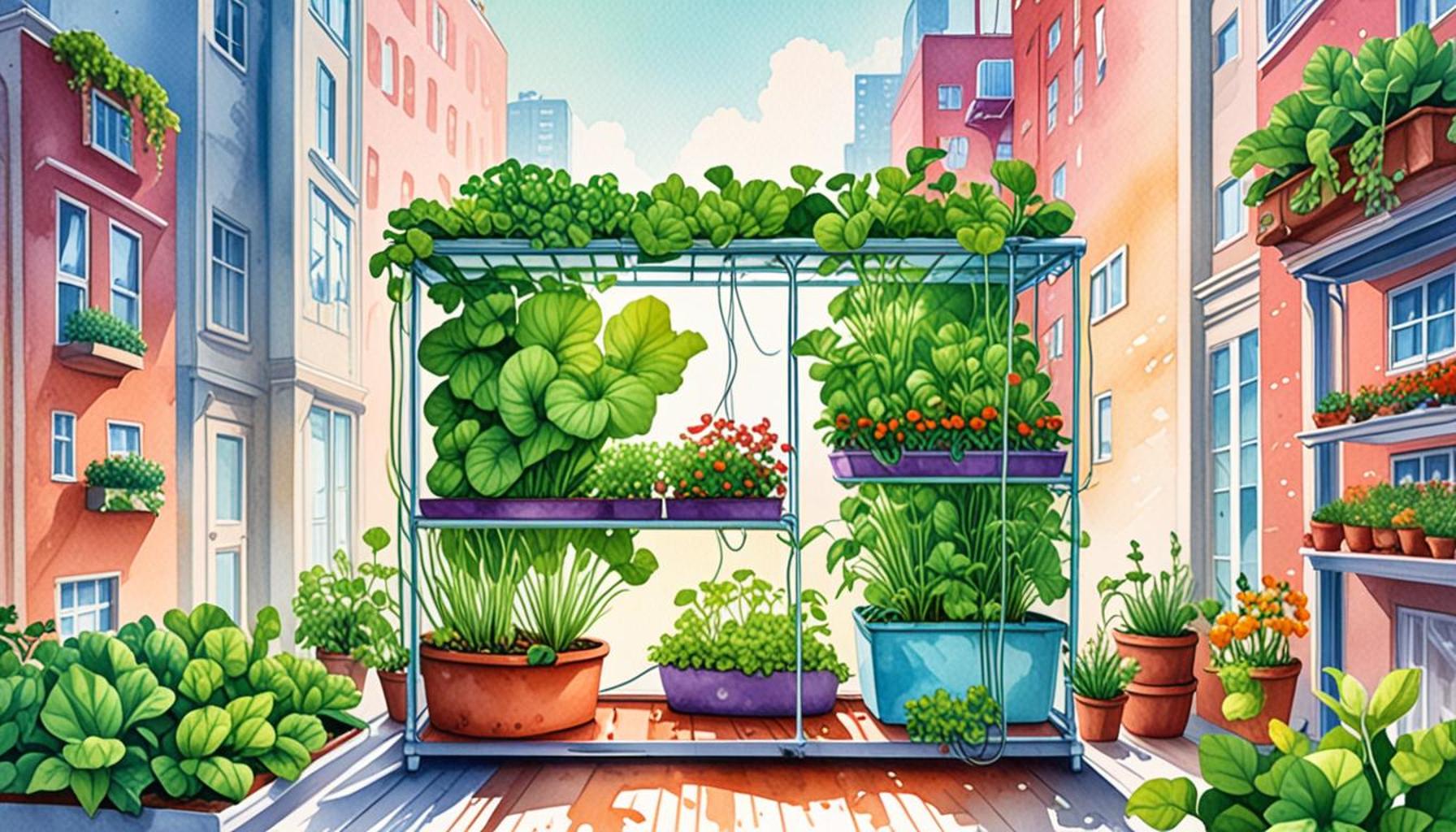
The Rise of Hydroponics in Urban Gardening
In an era where urbanization is reshaping our lifestyles and environments, innovative gardening solutions are essential for sustaining food supply and enhancing our quality of life. Among these solutions, hydroponics stands out as a transformative approach to growing plants. This soil-less method has gained momentum, particularly in metropolitan areas where space is limited, but the desire for home-grown produce is strong. With improved technologies and initiatives, hydroponics is not just a trend; it represents a viable future for urban agriculture.
Why is hydroponics such an attractive option for city residents? Here are some important advantages:
- Space efficiency: Traditional gardening requires substantial land; however, hydroponic setups can thrive in compact areas. Whether on a small balcony, in an apartment corner, or atop a building, hydroponic gardens can maximize every inch, making them ideal for city dwellers.
- Sustainability: Hydroponics utilizes up to 90% less water than conventional farming. By recirculating water and nutrients, these systems minimize waste, making them an eco-friendly choice for sustainable living.
- Crop variety: Hydroponics is not limited to just a few varieties; you can cultivate a diverse range of plants, from vibrant herbs like basil and cilantro to tomatoes and strawberries. This variety offers home gardeners the chance to tailor their gardens to their culinary preferences.
Across the United States, innovative hydroponic projects are emerging, offering exciting opportunities for urban gardening enthusiasts. For instance:
- Vertical gardens: These creative structures utilize upward space to grow plants, often employing wall-mounted systems that deliver water and nutrients, allowing city inhabitants to cultivate a garden without expanding their footprint.
- Smart hydroponic kits: As technology evolves, automated hydroponic systems that monitor environmental conditions, adjust nutrient levels, and even notify users via smartphone apps are making home gardening more accessible and efficient than ever.
- Home-based aquaponics: This method combines fish farming with hydroponic systems, creating a symbiotic environment. Fish waste provides essential nutrients for plants, which in turn purify the water for the fish, effectively creating a balanced ecosystem right in one’s home.
Adopting hydroponics not only brings the pleasure of fresh produce and the satisfaction of gardening into urban homes but also aligns with a movement towards sustainability and self-sufficiency. Understanding these cutting-edge projects will empower city residents to cultivate a healthier lifestyle while contributing to local food initiatives. As more innovations surface, the question remains: Are you ready to dive into the world of hydroponics and transform your urban space into a thriving garden?
DIVE DEEPER: Click here to uncover innovative art ideas
Innovative Hydroponic Solutions for Urban Living
As urban spaces become increasingly populated, the need for practical and innovative gardening solutions has never been more pressing. Hydroponics, with its promise of efficient space usage and minimal resource consumption, is at the forefront of this gardening revolution. With advancements in technology and design, urban dwellers are now able to harness the power of hydroponics to create lush, bountiful gardens right in their homes.
The beauty of hydroponics lies in its adaptability to various environments, which is particularly crucial in densely populated cities. Here are several innovative hydroponic projects making waves across urban landscapes:
- Hydroponic Towers: These vertical systems consist of stacked planters where herbs and vegetables can grow in a downward cascade. The design not only saves space but also optimizes light exposure for every plant. In cities like New York and Los Angeles, many residents are utilizing hydroponic towers on rooftops and balconies, transforming otherwise unusable areas into green spaces.
- Container Gardens: For those with limited sunlight, LED-lit container gardens are gaining popularity. These portable boxes are equipped with hydrating systems and energy-efficient grow lights, enabling urban gardeners to cultivate their own produce indoors. In cities like San Francisco, tech-savvy individuals are creating small indoor gardens that thrive year-round, regardless of external weather conditions.
- Community Hydroponic Systems: Beyond individual projects, community-based hydroponic systems are popping up in urban neighborhoods. These shared gardens encourage collaboration and education among residents. Initiatives like the Brooklyn Grange in New York City demonstrate how collective efforts can yield high-quality, organic produce while strengthening local connections.
Hydroponic gardening not only addresses the limitations of traditional farming but also offers significant environmental benefits. By reducing the need for pesticides and fertilizers, it promotes healthier plants and minimizes chemical runoff into local ecosystems. Moreover, urban hydroponics can have a substantial impact on reducing carbon footprints, as locally grown produce does not require extensive transport across long distances.
As we delve deeper into the future of home gardening, it is crucial to note that hydroponic systems also foster a sense of community and wellness. Many enthusiasts report increased mental well-being and creativity as they immerse themselves in the planting process. This connection to nature, even in a concrete jungle, serves as a reminder that green spaces are vital for urban resilience and sustainability.
The transformation of urban landscapes through hydroponic gardening is not just about growing food—it’s about cultivation of community, sustainability, and a greener future. With such promising innovations on the horizon, city residents can look forward to a future where their desire for fresh produce and green living can thrive, regardless of limited space.
| Advantages | Innovative Hydroponic Projects |
|---|---|
| Space Efficiency | Hydroponic systems like vertical gardens maximize limited urban spaces, allowing you to grow more plants in smaller areas. |
| Water Conservation | Innovative hydroponics uses 90% less water than traditional gardening, making it a sustainable choice for eco-conscious urban dwellers. |
| Fast Growth Rates | Plants grown in hydroponic systems typically grow up to 50% faster, providing quicker access to fresh produce. |
| Year-Round Gardening | Controlled environments protect crops from seasonal changes, allowing continuous gardening regardless of external weather conditions. |
The integration of technology into hydroponic gardening is also noteworthy. Smart hydroponic systems come equipped with sensors that monitor pH levels, nutrient concentrations, and moisture, ensuring optimum growth conditions. Furthermore, community-based hydroponic initiatives promote urban sustainability, encouraging neighborhoods to engage in collaborative cultivation. Not only do these projects provide healthier food options, but they also cultivate a sense of community among urban dwellers.By exploring these innovative hydroponic projects, city residents not only contribute to a greener urban environment but can also revolutionize their relationship with food. The future of home gardening, particularly in urban settings, holds the promise of transforming concrete jungles into lush green spaces.
DIVE DEEPER: Click here to discover sustainable art projects
Hydroponics Meets Technology: The Rise of Smart Gardening
The integration of technology into hydroponic gardening is reshaping how urban dwellers engage with their green spaces. Smart gardening solutions are emerging as a game-changer, allowing even the most inexperienced gardeners to successfully grow fresh produce at home. These systems utilize automated processes, sensor technology, and data analytics to optimize growing conditions, making it easier than ever to cultivate edible plants indoors.
One of the most exciting developments in this realm is the advent of smart hydroponic systems equipped with IoT (Internet of Things) capabilities. Sensors can monitor key variables such as pH levels, temperature, humidity, and nutrient concentration in real-time, sending alerts and recommendations directly to users’ smartphones. This connectivity not only simplifies the management of hydroponic systems but enhances yields significantly. For instance, companies like Click & Grow and Freight Farms are at the forefront, providing commercial-grade, automated farming solutions that cater specifically to small urban spaces.
Moreover, innovative software applications complement these smart systems by offering tailored advice and planting schedules based on local climate conditions. One popular platform, Plantix, utilizes artificial intelligence to analyze photos of plants and diagnose potential diseases, enabling urban gardeners to take immediate action. This blend of technology and gardening not only enriches the urban gardening experience but also empowers residents to engage with their food sources actively.
Hydroponic Educational Programs
As interest in hydroponics grows, many organizations are stepping up to educate urban dwellers about the benefits and techniques of hydroponic gardening. Institutions such as the Kroc Center and The Edible Schoolyard are incorporating hydroponics into their curriculums, teaching students the science behind soil-less agriculture and encouraging them to experiment with growing their own food. This educational shift is particularly vital for urban communities, where access to fresh produce can be limited.
Workshops and hands-on training sessions are becoming more commonplace in various cities, equipping residents with the skills needed to implement hydroponic systems at home. In cities like Chicago and Philadelphia, local non-profits are leading initiatives focused on community hydroponics, demonstrating how to set up simple systems using recyclable materials while promoting sustainable practices. Research shows that engaging with gardening can reduce stress and improve mental health, which is particularly important for city dwellers facing the pressures of urban life.
Hydroponics and Environmental Responsibility
The intersection of innovation and environmental consciousness cannot be overlooked. With the global push for sustainability, hydroponic systems are gaining traction as a solution to several pressing issues. These systems use significantly less water—up to 90% less than traditional agriculture— which is particularly crucial in urban areas where water scarcity is a growing concern. Additionally, hydroponics eliminates the need for harsh pesticides, making urban gardening a more eco-friendly endeavor.
Research published by the USDA indicates that urban hydroponic farms could potentially reduce the carbon footprint associated with transporting food by growing fresh produce right where consumers live. By promoting local food systems, cities can reduce their reliance on industrial agriculture and its associated environmental impacts, creating more resilient and sustainable urban ecosystems.
As urban populations continue to rise, the combination of smart technology, educational initiatives, and environmental responsibility through hydroponics positions this innovative gardening approach as a vital component of future urban living. It paves the way for a greener, healthier, and more self-sufficient lifestyle for city residents.
DIVE DEEPER: Click here to discover how technology transforms creative hobbies
Conclusion
As we look to the future of home gardening, hydroponics offers a promising and transformative approach for urban dwellers seeking to cultivate their own food in limited spaces. With advancements in smart technology and IoT-enabled gardening solutions, even those with no prior gardening experience can successfully grow fresh produce within the comfort of their homes. These innovations not only simplify the gardening process but also lead to improved yields and greater food security in our increasingly crowded cities.
Furthermore, the rise of educational programs focused on hydroponics empowers individuals with the knowledge and tools necessary to engage in sustainable practices. By fostering a culture of learning and experimentation, community initiatives and organizations are cultivating a sense of self-sufficiency among urban residents, helping to bridge the gap in access to fresh produce.
Hydroponic systems also align with the global push for environmental responsibility. Utilizing significantly less water and reducing the need for harmful pesticides, these systems are paving the way for more sustainable urban living. As cities work to combat the challenges posed by climate change and food scarcity, hydroponics stands out as a practical solution that shrinks their ecological footprints by promoting local food production.
In conclusion, the future of home gardening through hydroponic projects is not only a reflection of innovation but also a testament to the resilience and creativity of urban dwellers. By embracing these techniques, city residents can cultivate vibrant green spaces, enhance their well-being, and contribute positively to their communities and the environment. The journey toward a greener, healthier urban lifestyle begins with the seeds we plant today.
Related posts:
Sustainable Creative Hobbies: Innovative Projects Using Recycled Materials
Unlocking Creativity: Innovative Upcycling Projects for Home Decor
Creating Interactive Educational Kits: Innovative Projects to Inspire Young Makers
Crafting with Purpose: Innovative Community Projects that Promote Social Change through Creative Hob...
The Power of Music Boosting Emotional Expression and Well-Being
Master Advanced Origami Unveil Techniques for Paper Sculpture Art

Linda Carter is a writer and creative hobbies expert specializing in crafting, DIY projects, and artistic exploration. With extensive experience helping individuals discover their creative potential and bring their ideas to life, Linda shares her knowledge on our platform. Her goal is to empower readers with practical tips, inspiring ideas, and step-by-step strategies for success in the world of creative hobbies.