The Art of Improvisation: How Music Can Stimulate Visual Creativity
The Intersection of Music and Visual Arts
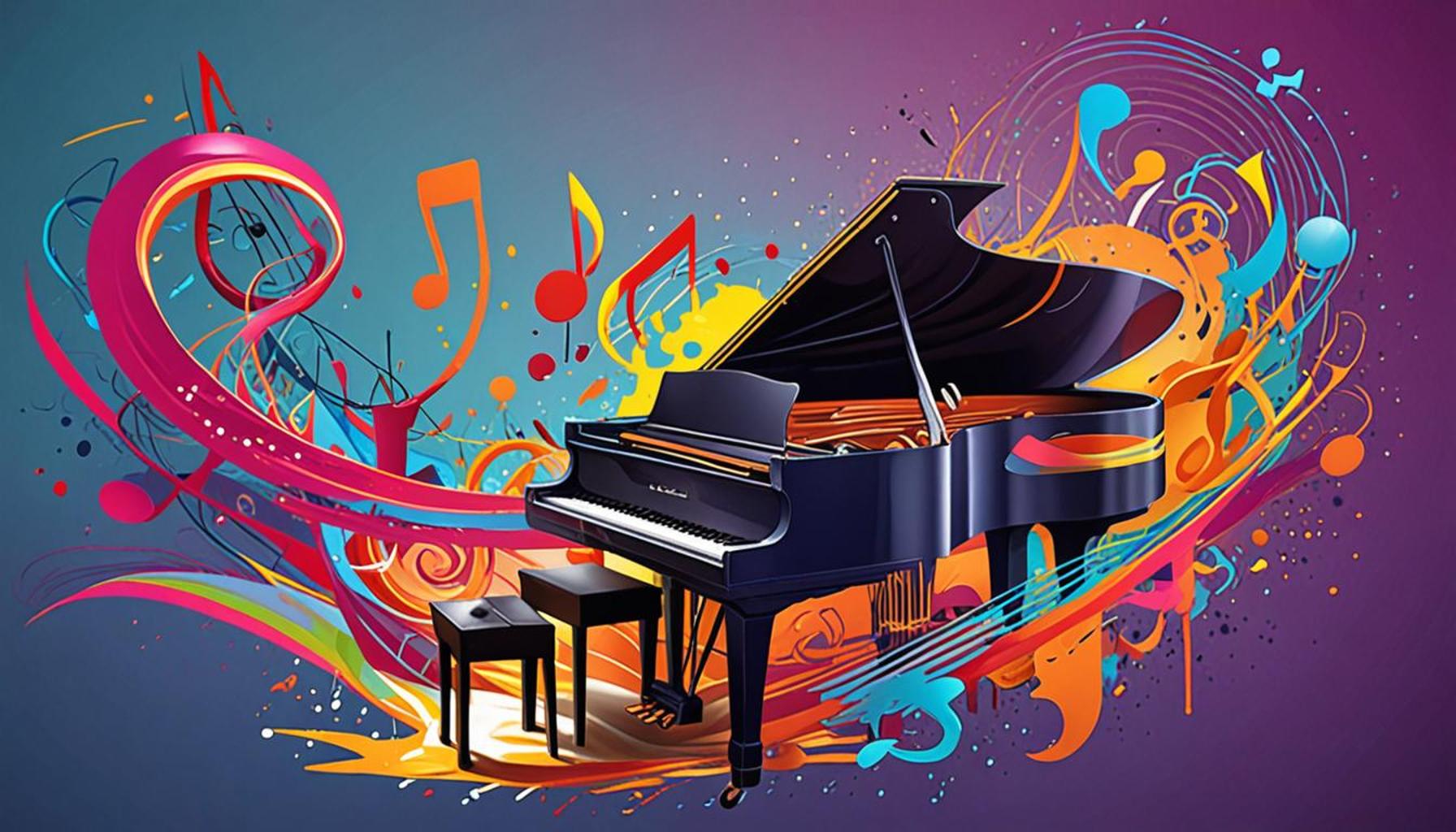
Creativity flourishes at the confluence of various art forms, allowing artists to draw inspiration from multiple sources. One particularly compelling alliance is that of music and visual arts. The incorporation of improvisation into both mediums can unveil pathways to heightened creativity that may not be accessible through structured approaches. This dynamic synergy captivates not only artists but also audiences who appreciate the spontaneous expressions that emerge from such interactions.
Improvisational music, by its very nature, evokes a range of emotions and stimulates mental processes, which can significantly enhance visual creativity. Let’s take a closer look at some specific influences that improvisational music can have on visual artists:
- Enhances Mood: Uplifting tunes frequently foster an inspiring atmosphere. For example, a vibrant jazz piece can create a sense of joy that allows painters to explore bold colors and dynamic strokes. Studies suggest that positive music experiences can boost overall creativity, embodying the notion that our emotional state deeply affects our artistic output.
- Encourages Spontaneity: Improvised rhythms often encourage artists to think outside the box. When musicians play without a predetermined script, they forge unique moments of expression. This approach can inspire visual artists to abandon rigid frameworks, allowing their brushwork or sculpting techniques to evolve organically with the rhythm, resulting in one-of-a-kind pieces that reflect both the visual and auditory experience.
- Stimulates the Brain: Engaging with music activates various brain regions associated with creativity, memory, and emotion. Research conducted by neuroscientists indicates that different musical elements, such as tempo and melody, can stimulate cognitive functions that spur innovative thoughts. This newfound creativity can lead to unexpected artistic breakthroughs in visual works.
In the United States, artists across genres often leverage this connection. Take, for example, renowned jazz musicians like John Coltrane, whose improvisational style not only revolutionized music but also inspired visual artists such as Romare Bearden, who incorporated music into his vibrant collages. The intersection of these two art forms illustrates how improvisation can serve as a vital tool for overcoming creative blocks, allowing for a free flow of ideas that can manifest visually.
As we delve deeper into the art of improvisation, we uncover its potential to bridge sound and vision in innovative ways. By examining the nuances of this collaboration, we begin to appreciate the profound impact of music on visual expression. The beauty of improvisation lies in its unpredictability; it challenges not only artists but also viewers to embrace a spectrum of possibilities, ultimately enriching the tapestry of human creativity.
DISCOVER: Click here to learn how abstract art impacts your well-being
The Impact of Improvisation on Artistic Expression
In the realm of creative arts, improvisation acts as a catalyst, invigorating the imagination and enhancing artistic expression. For visual artists, the incorporation of improvisational music can unleash a torrent of ideas that lead to compelling visual narratives. When artists immerse themselves in spontaneous musical performances, they tap into a reservoir of inspiration that shows how sound can guide the creation of visual pieces.
One of the primary ways that improvisational music influences visual creativity is through its ability to evoke emotional responses. Music possesses the remarkable ability to reflect moods, serving as a direct conduit to the artist’s emotional state. This phenomenon can be attributed to the psychological effects of music; research indicates that different genres can trigger distinct emotional reactions. For example:
- Classical Piano: The fluidity and emotional depth of pieces by composers like Chopin can inspire an artist to create ethereal landscapes or delicate abstracts that echo the music’s nuances.
- Folk Music: The storytelling essence of folk tunes often resonates with cultural themes, prompting visual artists to explore narratives depicting community, heritage, or personal journeys in their work.
- Electronic Beats: The pulsating rhythms of electronic music can ignite a sense of energy and motion, leading artists to experiment with kinetic imagery and dynamic forms that seem to dance across the canvas.
Furthermore, the improvisational aspect allows for real-time interaction between the visual artist and the music. As musicians explore melodies and rhythms without adhering to a script, visual artists can engage in a dialogue with the sounds they hear. This interplay can result in artwork that captures the essence of a particular moment, imbuing it with authenticity and spontaneity. The unpredictability of improvisation can stimulate innovative techniques and encourage artists to diverge from their typical styles.
Additionally, the act of creating visual art alongside live music often serves as a powerful form of cognitive stimulation. When an artist immerses themselves in an improvisational musical setting, their brain is activated in ways that facilitate creative thinking and problem-solving. Cognitive psychology suggests that engaging with music enhances overall cognitive flexibility, enabling the visual artist to embrace new ideas and materials. This phenomenon has been backed by studies indicating that artists working in creative environments with musical backgrounds report higher levels of inspiration and exploration.
The confluence of improvisational music and visual creativity presents endless possibilities for artists seeking to expand their expressive horizons. By allowing the rhythms, melodies, and harmonies to guide them, visual creators can transcend conventional boundaries, finding new ways to embody their imaginations. This unique relationship not only enriches the artistic process but also cultivates a deeper appreciation for the interconnectedness of different art forms.
The Role of Musical Improvisation in Visual Arts
In exploring the synergy between music and visual creativity, we must delve into the ways musical improvisation ignites the imagination. When artists engage in spontaneous musical creation, they often enter a state of flow—an experience where the constraints of traditional structure dissolve. This fluidity allows artists to explore new ideas without hesitation. For instance, a painter may find inspiration in the rhythm and melody of an improvised piece, translating auditory sensations into vibrant colors and dynamic brushstrokes on canvas.Musical improvisation also encourages experimentation. Through the freedom of exploring unexpected harmonies and rhythms, artists can push their boundaries, leading to innovative visual interpretations. This cross-pollination between different art forms not only opens up new avenues of expression but also fosters a collaborative spirit among musicians and visual artists alike. By participating in joint performances, these creators cultivate a shared understanding and appreciation of each other’s craft, ultimately enriching their work.Incorporating elements of music into visual arts can also enhance the emotional depth of the artwork. Music evokes feelings that can dramatically alter a viewer’s experience. When artists reflect upon their emotional responses to music while creating, they often convey a more profound narrative in their visual pieces. The interplay of sound and sight invites an immersive experience that resonates deeply with audiences, drawing them into a world brimming with creativity. Thus, understanding the relationship between music and visual art in the context of improvisation can provide invaluable insights for artists seeking to enhance their expressive capabilities. This fusion of art forms allows for a reimagining of creativity that is dynamic, engaging, and ultimately transformative.
| Advantages of Music in Visual Creativity | Effects on Artistic Practice |
|---|---|
| Stimulates Imagination | Enhances ideas without limitation. |
| Encourages Experimentation | Pushes creative boundaries for innovation. |
| Enhances Emotional Depth | Creates a powerful narrative through emotions. |
As we marvel at the impressive impact of musical improvisation on visual creativity, it becomes crucial for artists to acknowledge and harness this complementary relationship. Such an intertwining of the arts offers endless possibilities for innovation and cultural dialogue, ultimately leading to a more enriched artistic landscape.
DISCOVER MORE: Click here to uncover the impact of abstract art on well-being
The Synergy of Sound and Vision
The dynamic interplay between sound and vision during the improvisational process creates a unique synergy that enhances artistic output. Visual artists tapping into improvisational music not only experience a transference of emotions but also engage with the rhythm and tempo of the music itself. This rhythmic component can serve as a driving force behind an artist’s stroke or brushwork, allowing them to translate auditory sensations into visual forms.
Research in the field of neuroscience underlines how our brain processes sound and visual stimuli in connected ways. Studies have shown that engaging with music while creating visual art can stimulate areas of the brain responsible for both auditory processing and visual imagination. This connection can awaken dormant creative potential, stimulating an artist’s ability to think outside conventional paradigms. For instance, an artist might start with a traditional still life and, fueled by the invigorating flux of jazz improvisation, create an abstract interpretation that reflects the unexpected tonal shifts of the music.
Moreover, the collaborative spirit found in improvisational settings further enhances creativity. When visual artists participate in jam sessions alongside musicians, the collective energy generated can ignite new ideas and innovative methods. Artists learn to trust their instincts and reactions, inspired by music that changes spontaneously. As they surrender to the artistic impulses evoked by musicians, they often discover uncharted territories within their own styles.
Artistic Transformation Through Styles and Genres
Diverse musical genres can influence visual creativity in unique ways. Artists exposed to a wide range of musical styles often find themselves able to mimic or counteract the essence of the sound through their chosen medium:
- Jazz: The improvisational nature of jazz encourages spontaneity. Artists may employ unpredictable brush strokes or novel combinations of colors, allowing their artwork to reflect the complexities of jazz rhythms and melodies.
- World Music: Exposure to global musical traditions can inspire artists to incorporate culturally rich motifs, patterns, or symbols into their work. This melding of influences not only enriches the final piece but also embraces the artist’s exploration of identity and cultural resonance.
- Heavy Metal: The intensity and raw energy of heavy metal music may drive artists to use bolder colors and dramatic contrasts, evoking a sense of power and urgency that aligns with the music’s fierce vibrations.
Furthermore, it’s important to consider the psychological effects of improvisational music on the artist’s mindset. Engaging with spontaneous sound allows artists to embrace a “flow state,” a mental condition where they are fully immersed in the creative process. This state has been touted for its ability to enhance productivity and fosters a profound sense of fulfillment and satisfaction in one’s work. As artists lose themselves in both the music and their art, they tend to produce pieces that transcend their previous limitations, delivering works that resonate more deeply with viewers.
The relationship between improvisational music and visual artistry is a rich tapestry, offering endless opportunities for exploration and innovation. By allowing music to dictate the tempo, mood, and emotion of the artistic endeavor, creators can summon new dimensions within their visual expressions, forging pathways that lead to unprecedented artistic breakthroughs.
DISCOVER MORE: Click here for seasonal DIY decor ideas
Conclusion: Unlocking New Realms of Creativity
The exploration of improvisational music as a catalyst for visual creativity opens a compelling dialogue about the interconnectedness of sensory experiences. The ability to merge sound with sight enriches the artistic process, leading to transformative outcomes that challenge the boundaries of traditional art forms. As artists immerse themselves in the spontaneity of musical improvisation, they unlock a wellspring of inspiration that ignites new ideas, encourages experimentation, and fosters intuitive exploration.
Through genres like jazz, world music, and heavy metal, the vitality of sound serves as a powerful muse, allowing creators to convey deeper emotional narratives within their visual works. This fusion of auditory and visual artistry not only cultivates a more profound connection within the artist but also resonates with audiences on a visceral level, inviting them to experience art as a living, breathing entity that transcends mere aesthetics.
Moreover, the scientific insights into brain function underscore the significance of engaging multiple senses in creative pursuits. This knowledge encourages artists and musicians to collaborate, fostering a culture of innovation that celebrates the serendipity of the moment. As art and music continue to intertwine, they pave the way for an evolution of creativity that is limitless and profoundly impactful.
In conclusion, embracing the art of improvisation not only nourishes the artist’s journey but also enriches our collective understanding of creativity. Whether in a bustling studio or an intimate jam session, the potential for artistic growth is boundless, urging us all to pick up a brush or an instrument and immerse ourselves in the beauty of spontaneous expression.
Related posts:
The Art of Failure: How Creative Mistakes Can Lead to Surprising Discoveries
The Interaction between Art and Technology: How Augmented Reality is Transforming Artistic Creation
Revitalizing Traditions: The Intersection of Folk Art and Contemporary Experimentation
Techs Impact on Creative Hobbies Innovative Projects Redefining Creation
Exploring Experimental Painting Techniques Watercolor to Spray Art
The Importance of Experimentation in Abstract Painting
Linda Carter is a writer and creative hobbies expert specializing in crafting, DIY projects, and artistic exploration. With extensive experience helping individuals discover their creative potential and bring their ideas to life, Linda shares her knowledge on our platform. Her goal is to empower readers with practical tips, inspiring ideas, and step-by-step strategies for success in the world of creative hobbies.