The Art of Digital Storytelling: Innovative Projects Merging Literature and Multimedia
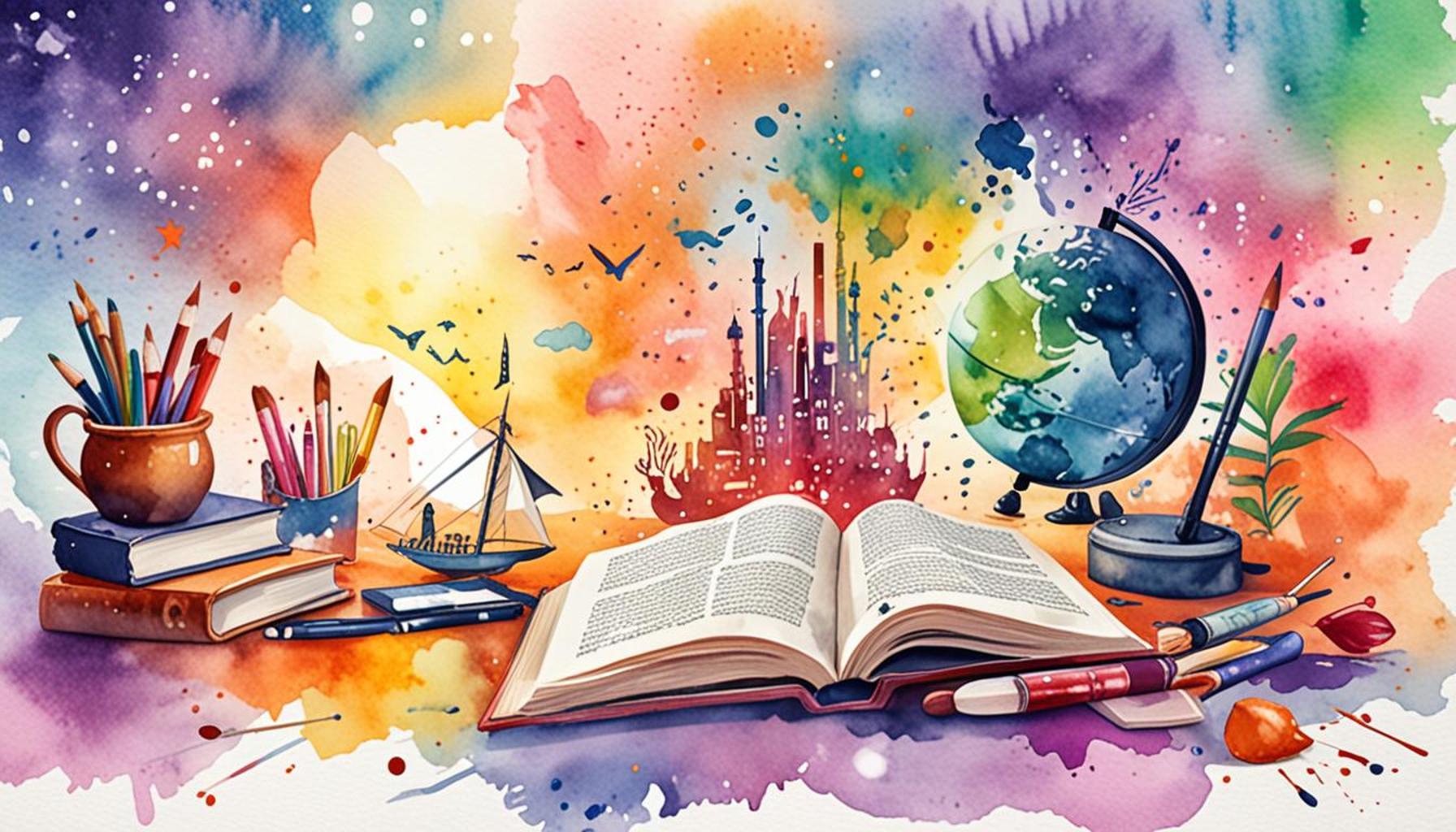
The Dynamic Intersection of Technology and Narrative
As we navigate an increasingly digital world, the art of storytelling is undergoing a significant transformation. Digital storytelling combines traditional narrative techniques with cutting-edge technology, resulting in compelling and immersive experiences that captivate audiences in ways previously unimaginable. This evolution reflects not just changes in format, but also a fundamental shift in how stories are created, shared, and consumed.
At the heart of this transformation is the emergence of various platforms that empower creators and engage audiences. Here are several key aspects that illustrate this compelling evolution:
- Interactive Content: One of the most exciting advancements in digital storytelling is interactivity. Readers are no longer passive consumers; they can make choices that influence the trajectory of a story. For instance, platforms like Choose Your Own Adventure books have transitioned into digital formats, allowing readers to aid protagonists with decisions ranging from minor choices to pivotal plot points. Video games like The Walking Dead series deepen immersion by forcing players to confront ethical dilemmas as characters navigate a post-apocalyptic world.
- Visual Narratives: The fusion of text and visuals has given rise to captivating graphic novels and webcomics that reinterpret classic tales. For example, adaptations of literary works like Shakespeare’s plays are now often presented in visually striking formats, producing graphic novels that not only attract younger audiences but enhance understanding through imagery. The use of augmented reality in projects like Dreams of Dali allows readers to experience Salvador Dali’s artwork in a multi-dimensional way, merging art with storytelling in an innovative manner.
- Audio Integration: The popularity of podcasts has created a unique space for storytelling. Shows like Welcome to Night Vale use audio formats to weave intricate tales filled with eccentric characters and surreal narratives. Audiobooks, too, have evolved with the inclusion of sound designs, background music, and skilled narrators bringing stories to life. Platforms like Audible and various podcast apps offer listeners a diverse range of genres, from classic literature to contemporary narratives steeped in rich audio experiences.
These innovations exhibit how storytelling adapts in response to technological advancements, rendering literature increasingly accessible and engaging for a wider audience. In modern contexts, novels are no longer confined to the pages of a book; they may manifest as multifaceted experiences across screens and devices.
In the coming segments, we will investigate notable projects and emerging trends in digital storytelling that highlight these transformative changes. From narrative-driven mobile applications to virtual reality storytelling, we invite you to explore the ways in which technology reshapes our understanding of narrative and enriches our cultural landscape.
DIVE DEEPER: Click here to uncover creative craft ideas
Innovative Projects Redefining Literary Engagement
The convergence of literature and multimedia in digital storytelling presents exciting opportunities to engage audiences in new and innovative ways. As creators harness the potential of technology, we witness a plethora of projects that amplify narratives, breathe life into characters, and challenge traditional storytelling boundaries. These extraordinary initiatives exemplify how narratives are not merely told but experienced.
Among these groundbreaking projects, several stand out for their unique approaches to merging literature with multimedia elements:
- Interactive Fiction Apps: Applications like Twine are revolutionizing how stories are told, allowing users to create and share their own branching narratives. This tool has empowered amateur and professional writers alike to design stories where readers navigate their paths, dramatically enhancing interactivity. Games like 80 Days further illustrate this trend by blending literature with gameplay, inviting players to travel the world with a rich, choose-your-own-adventure narrative.
- Multimedia Storytelling Platforms: Projects like Wattpad and Radish capitalize on the social aspect of reading and writing. These platforms not only enable aspiring authors to publish their works but incorporate reader interaction through comments and feedback. As serialized storytelling garners attention, stories can evolve with real-time reader input, fostering a deeper connection between the author and audience.
- Virtual Reality Narratives: The digital landscape has also embraced virtual reality (VR) as a medium for storytelling. Projects like The Invisible Hours combine immersive environments with rich narratives, placing users directly within the story. As players slip into characters’ shoes, the experience transcends traditional reading and offers unparalleled emotional depth and engagement, reimagining how narratives are constructed and consumed.
These projects signal a shift in the landscape of digital storytelling, where the audience can influence the narrative experience in intimate and meaningful ways. The evolution is not just in the tools used but in the very essence of how stories are shared and received. With advancements in technology, including artificial intelligence and machine learning, personalized narratives are on the horizon, allowing stories to adapt uniquely to individual preferences.
As culture evolves, so too does storytelling. The digital space allows for experimentation and creativity that traditional mediums cannot accommodate. Authors and creators have the chance to communicate their visions while engaging with audiences on a more profound level. This climate of innovation not only enriches the storytelling experience but also emphasizes the importance of audience involvement in shaping narratives. The subsequent sections will delve deeper into specific examples and the emerging trends that continue to redefine our understanding of digital storytelling.
| Advantages | Description |
|---|---|
| Enhanced Engagement | Merging multimedia formats captivates audiences, making stories more immersive and memorable. |
| Diverse Storytelling Techniques | Combining text with audio, video, and visuals offers various creative avenues for expression and interpretation. |
In exploring “The Art of Digital Storytelling,” various innovative projects highlight how literature pairs with multimedia to forge deeper connections with audiences. The Enhanced Engagement brought forth by this merging of formats elevates storytelling, drawing readers into richly layered narratives that span beyond traditional methods. By incorporating elements such as animation, interactive graphics, and soundscapes, creators can transform simple plots into immersive experiences that resonate on multiple levels.Furthermore, the use of Diverse Storytelling Techniques enables writers and artists to push creative boundaries. This multifaceted approach not only broadens the scope of narratives but also invites audiences to participate actively, whether through interactive quizzes or branching storylines. Such innovation encourages unique collaborations between genres, allowing for new interpretations of time-honored tales. Readers eager to delve deeper into this evolving realm of narrative construction will find ample inspiration and insights that demand exploration.
DIVE DEEPER: Click here to expand your artistic horizons
Emerging Trends Shaping Digital Storytelling
As the landscape of digital storytelling continues to evolve, creators are exploring new methods to enrich narratives through innovative technology. Recognizing the potential of augmented reality (AR) and live interactions, various projects are pushing the boundaries of how stories are told and experienced.
One notable advancement lies in the realm of augmented reality. Projects like Wonderscope exemplify how AR can transform storytelling by allowing young readers to interact with the narrative world. Using mobile devices, children can see elements of a story come to life in their own environment, enabling an immersive reading experience that encourages active participation. With AR, literary works are transitioning from static forms into dynamic interactive experiences, making storytelling more engaging and tactile.
The rise of podcast storytelling has also gained traction in recent years, merging the auditory format with story-driven content. Podcasts like Welcome to Night Vale and The Moth showcase how narratives can be crafted through sound design and voice acting, inviting listeners to engage their imaginations while they absorb the story. This auditory medium disrupts the traditional visual reliance of storytelling and encourages listeners to construct imagery and emotions within their minds, making for a unique experience.
Furthermore, the phenomenon of transmedia storytelling is reshaping narratives across various platforms. This approach employs multiple media forms to tell a single story, with each platform contributing its unique strengths. An example can be seen in the Harry Potter franchise, which has extended its narrative through books, films, video games, and interactive experiences, providing fans with diverse ways to engage with the story universe. This interconnected narrative flow illustrates how different mediums can complement and enhance each other, resulting in a richer overall experience for audiences.
The increasing prevalence of social media storytelling platforms is another development reshaping the landscape. Platforms like Instagram and TikTok have cultivated a unique space for short, visual narratives, where users share stories through images and video snippets. A perfect example is the rise of “storytelling challenges,” where creators invite users to contribute their interpretations of a narrative theme or concept, fostering a sense of community and collaborative storytelling. These bite-sized formats cater to the fast-paced digital culture and appeal to audiences who may prefer consuming content in shorter, more digestible formats.
Moreover, the incorporation of artificial intelligence in storytelling is beginning to pave new avenues for personalized content. With AI tools capable of generating personalized narratives based on user input, readers can partake in stories that align more closely with their preferences. Services like AI Dungeon allow players to create and navigate stories that evolve based on their choices, providing a unique combination of technology and creativity.
As these emerging trends indicate, the art of digital storytelling is not merely about the content but deeply intertwined with the modes of engagement, fostering a participatory culture where audiences play a critical role in crafting narratives. This multi-faceted landscape continues to present both challenges and opportunities for creators, paving the way for a more immersive, interactive, and innovative storytelling environment.
DIVE DEEPER: Click here to uncover more innovative ideas
Conclusion: Embracing the Future of Narrative
In conclusion, the art of digital storytelling stands at a thrilling crossroads, where innovation seamlessly merges literature with multimedia. As illustrated by the rise of augmented reality (AR), podcast storytelling, and transmedia narratives, creators are actively redefining how stories unfold and resonate with audiences. By leveraging emerging technologies, they invite participants not just to absorb a narrative, but to interact with it, fostering a deeper connection.
The continue evolution of social media platforms provides new spaces for storytelling that cater to the digestible needs of modern audiences. Meanwhile, the role of artificial intelligence opens doors for personalized experiences, allowing users to become co-authors of their own stories. This unprecedented access to creative tools enriches not only the stories themselves but also the community of storytellers and audiences that partakes in their journeys.
As we move forward, the intersection of literature and technology will present both challenges and opportunities. It challenges traditional notions of authorship, prompting us to reconsider the very essence of storytelling. However, it also offers immeasurable possibilities for engagement, creativity, and inclusivity. To truly understand the future of narratives, one must be willing to explore, experiment, and embrace the new mediums available. The art of digital storytelling is not merely about technological prowess; it is an invitation to immerse oneself in the endless possibilities of narrative creation that awaits.
Related posts:
Exploring Sustainable Art Projects: Creating Beauty from Recycled Materials
Exploring the Art of Upcycled Fashion: Innovative Projects for Sustainable Style
Sustainable Creative Hobbies: Innovative Projects Using Recycled Materials
Crafting with Purpose: Innovative Community Projects that Promote Social Change through Creative Hob...
The Power of Music Boosting Emotional Expression and Well-Being
Exploring the World of Biophilic Design: Innovative Projects for Nature-Inspired Creative Hobbies
Linda Carter is a writer and creative hobbies expert specializing in crafting, DIY projects, and artistic exploration. With extensive experience helping individuals discover their creative potential and bring their ideas to life, Linda shares her knowledge on our platform. Her goal is to empower readers with practical tips, inspiring ideas, and step-by-step strategies for success in the world of creative hobbies.