The Art of Contemporary Drawing: Rediscovering Expression Through New Tools and Materials
The Revival of Drawing as a Medium
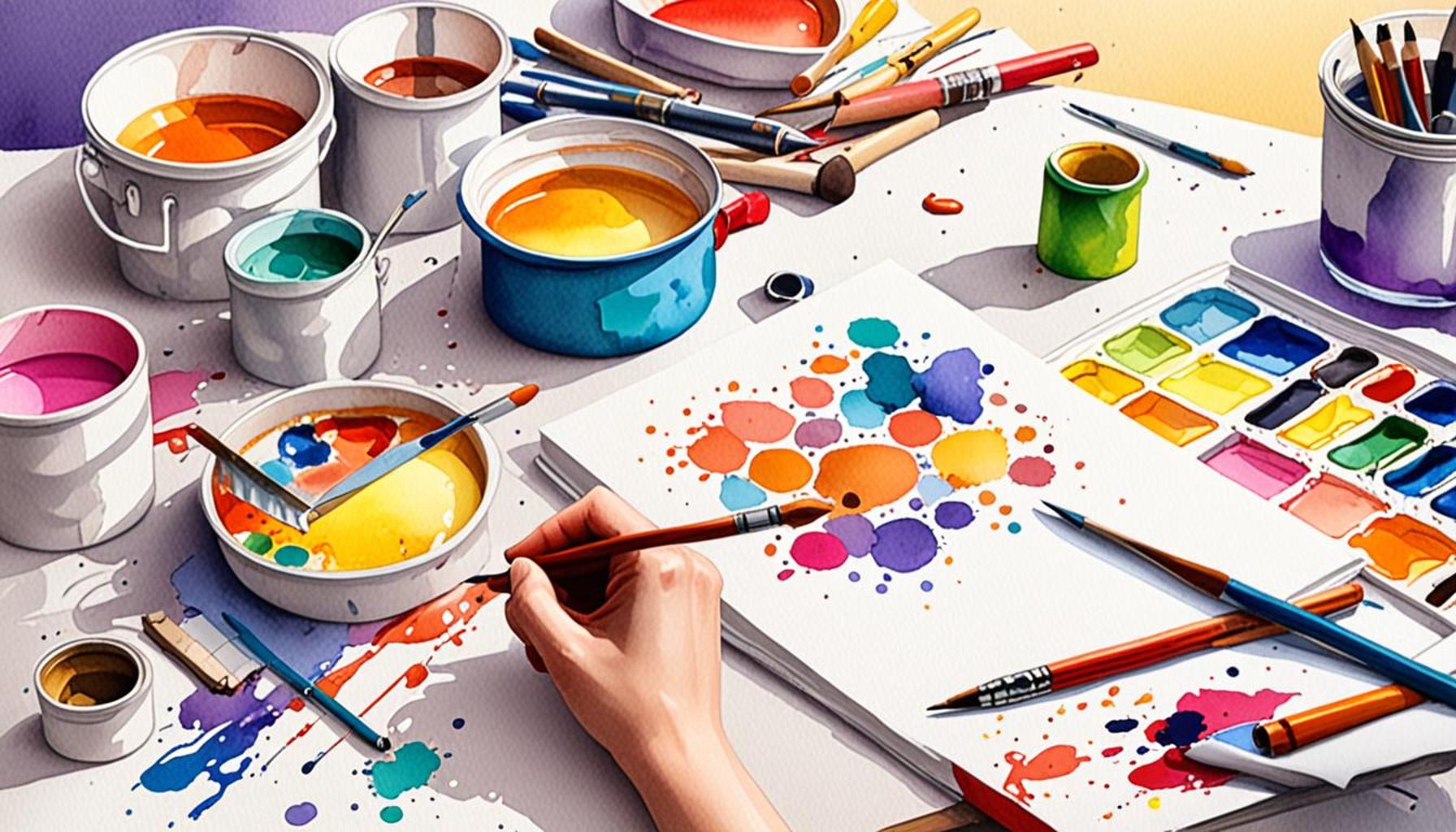
In an era defined by constant technological advancement and cultural shifts, drawing has experienced a remarkable resurgence, emerging not only as a foundational skill but also as a profound medium for artistic expression. This renewed interest can be attributed to the influx of innovative tools and materials that allow creators to navigate their artistic visions in exciting and unexpected ways.
As technology infiltrates every sphere of life, artists are increasingly turning to:
- Digital tools: Programs like Adobe Illustrator, Procreate, and CorelDRAW enable artists to create intricate designs with a flexibility that traditional media cannot match. Graphic tablets, such as those made by Wacom or Huion, allow for precise strokes and easy corrections, empowering artists to experiment without fear of ruining a piece.
- Unconventional materials: Creativity knows no bounds when artists innovate with everyday objects. From using coffee as a dye to create sepia-toned images to employing charcoal for stark contrasts, the possibilities are endless. Some artists even explore sustainability by utilizing recycled materials—think collages composed of old magazines or sculptures made from discarded plastic.
- Mixed media: The contemporary art scene is vibrant with works that blend various techniques and media. Artists are pairing traditional pencil drawings with digital elements or incorporating paint and collage into their drawings. A famous example includes the work of contemporary artist Jean-Michel Basquiat, whose mixed-media pieces blend graffiti, drawing, and text to tackle complex societal issues.
This artistic renaissance opens doors not only for seasoned professionals but also for aspiring artists willing to explore and innovate. The blend of classical techniques—like figure drawing or perspective studies—with modern advancements fosters a creative landscape brimming with diversity and excitement.
For art enthusiasts, recognizing these transformations is crucial to understanding contemporary works. Engaging with this evolution can illuminate the creative processes behind different pieces, offering insights into the dialogue of our current cultural moment.
In conclusion, contemporary drawing is not just about making marks on a surface; it is about forging connections, making statements, and inviting discussion. By embracing new tools and media, artists reshape perspectives and expand the definition of creativity itself. This ongoing exploration enriches the artistic narrative and invites individuals from all walks of life to join in the conversation about what art can be in today’s world.
EXPLORE MORE: Click here to discover exciting upcycling ideas
Reimagining Techniques: The Intersection of Tradition and Innovation
The contemporary drawing landscape is continually evolving, driven by the integration of traditional techniques with groundbreaking innovations. Artists are not just relying on age-old methods; they are rediscovering and reinterpreting these approaches, allowing for a richer and more dynamic expression of their ideas. As artists move away from conventional confines, they often find greater freedom in their work.
One of the most notable aspects of this revival is the emphasis on experimentation. Artists are engaging with different styles, techniques, and materials, giving rise to unique forms of expression. This phenomenon is seen in:
- Sketching with intention: Where sketches were once dismissed as mere preliminaries, artists now embrace them as legitimate art forms. The emotive and unpredictable nature of sketching allows artists to convey raw sentiments, often resulting in pieces that resonate on a personal level.
- Contrasting textures: By merging diverse elements, such as smooth graphite with rough pastels or organic materials like leaves and fabric, artists create striking contrasts that engage viewers’ senses. The manipulation of texture can evoke feelings or reactions that purely visual representations may not achieve.
- Spontaneity in urban environments: The rise of public art and street drawing has taken many forms, with artists capturing fleeting moments of urban life. This spontaneity, recognizable in works presented on sidewalks, walls, and public spaces, challenges the traditional white-walled gallery by inviting audiences into the artist’s world.
Moreover, contemporary artists are leveraging social media platforms to showcase their work and garner collaborative opportunities. These digital listings serve as not just portfolios but as a vibrant community where artists exchange ideas and techniques. Platforms like Instagram and TikTok foster dynamic dialogues and push creators to seek inspiration across a myriad of artistic disciplines.
As we delve deeper into the art of contemporary drawing, it becomes evident that the exploration of new media is not merely about adopting the latest technological tools. This exploration is also a reflection of the shifting culture and society in which these artists find themselves. Each stroke of a digital pen or splash of unconventional material tells a story that connects to broader themes such as identity, environment, and innovation in a rapidly changing world.
The beauty of contemporary drawing lies in its capacity to adapt and transform over time. By understanding this interplay between tradition and modernity, we can appreciate the multifaceted nature of contemporary art. With every new technique adopted and every bold choice made, artists continue to shape narratives that not only reflect their inner worlds but also resonate with audiences across different demographics and cultures. In this light, drawing becomes an infinite conversation—a reminder that art is as much about the materials used as it is about the messages conveyed.
The world of contemporary drawing is witnessing a revival of expression thanks to innovative tools and materials that are reshaping how artists create. This evolution is characterized not only by the increasing use of traditional mediums but also by the incorporation of digital technology, alternative materials, and mixed media. Artists are now exploring avenues that challenge the boundaries of conventional drawing and open doors to new forms of artistic expression.
One of the most significant transformations in contemporary drawing is the accessibility of digital tools. Software like Adobe Illustrator and Procreate allows artists to create detailed illustrations and sketches using tablets and styluses. This technology enables artists to experiment with color, texture, and form with unparalleled precision. Additionally, the ability to undo actions and manipulate designs digitally offers new opportunities for creativity that traditional mediums often cannot provide.
Furthermore, contemporary artists are adopting unusual materials, from recycled objects to unconventional surfaces like wood, canvas, and even walls. This shift not only adds a unique dimension to their work but also reflects a broader societal movement towards sustainability and environmental awareness in art. By employing materials that tell their own story, artists can communicate powerful messages and provoke thought within their audiences.
As artists explore these new methodologies, the dialogue surrounding artistic practice continues to evolve. Workshops and collaborative spaces invite both seasoned artists and newcomers to share their skills and experiences, fostering a community that thrives on exploration and shared growth. By embracing these changes in tools and materials, contemporary drawing redefines itself, making art more accessible and resonant with a wider audience.
| Category | Description |
|---|---|
| Digital Tools | Innovative software for creating expressive digital artwork. |
| Unconventional Materials | Use of recycled and mixed media for greater environmental awareness. |
As artists continue to push the boundaries of drawing through these diverse tools and materials, the contemporary art scene is becoming more vibrant, inviting a broader audience to engage with the mediums in innovative ways. This artistic collaboration heralds a future where creativity knows no bounds.
DISCOVER MORE: Click here to uncover sustainable art projects
Innovative Materials: Expanding the Boundaries of Drawing
In addition to the evolving techniques, the selection of materials plays a vital role in shaping contemporary drawing. Artists today are not limited to traditional tools such as pencils, charcoal, or ink; they are embracing a plethora of unusual and mixed media that can yield bold visual statements and challenge perceptions. This exploration of materials serves as a metaphorical palette, allowing artists to articulate their unique stories through the surfaces they choose to work upon.
Many contemporary artists are turning to non-traditional mediums that blur the lines between drawing, painting, and sculpture. Materials like found objects and recycled materials are increasingly common, transforming everyday waste into poignant artistry. For instance, artists like El Anatsui have gained recognition for their works made from bottle caps and discarded metal, which not only reflects societal issues of consumption but also creates stunning visual compositions that speak to environmental consciousness.
Additionally, the incorporation of digital tools has revolutionized the drawing space, enabling artists to push creative boundaries beyond physical limitations. With drawing tablets and software applications like Procreate or Adobe Fresco, artists can simulate traditional drawing techniques while unlocking a vast array of colors, textures, and effects unattainable with conventional methods. This fusion of digital and analog approaches is creating a new genre of work, where artists like Kara Walker leverage both painting and digital mediums to create striking, thought-provoking pieces that address complex themes like race and identity.
Another exciting development is the use of interactive drawing. Artists are increasingly incorporating elements that engage viewers and encourage participation, evolving the traditional notion of a static artwork. Mixed media pieces that incorporate augmented reality (AR) allow audiences to see additional layers or animations on their smartphones, deepening their understanding of the artwork. An example includes projects by artists such as Rafael Lozano-Hemmer, who invites onlookers to interact with drawings that react in real-time to their presence, making every viewing a unique experience.
Moreover, the rise of experimental art spaces across the United States, from artist-run collectives to alternative art galleries, fuels this material-driven transformation. These venues prioritize creative freedom and were created to showcase diverse drawing practices that challenge the status quo. This shift not only cultivates a vibrant art scene but also expands the audience’s perception of what constitutes drawing. Such environments have given rise to innovative exhibitions like Art in the Age of COVID-19, where artists have utilized their homes as studios to produce drawings that reflect pandemic experiences—addressing isolation and coping mechanisms.
The exploratory aspect of contemporary drawing encourages artists to constantly rethink their creative processes, inspiring them to unearth new meanings and associations through material choices. As artists blend materials with thoughtful subject matter, they engage in a continuous dialogue that resonates strongly with audiences. Ultimately, the invigorating phase of contemporary drawing reflects a society eager for connection, deeper understanding, and an expression that can adapt to the complexities of the human experience.
DIVE DEEPER: Click here to discover more about sustainable art
Conclusion: A New Era of Expression in Contemporary Drawing
The exploration of contemporary drawing has ushered in a remarkable renaissance, where innovation and expression converge through new tools and materials. This evolution encourages artists to step away from traditional confines, embracing everything from digital platforms to recycled materials as vehicles for creative storytelling. Each line drawn and each surface chosen now holds a dual significance—not only as an artistic choice but as a reflection of the broader socio-cultural landscape.
As artists experiment with interactive elements and materials that provoke thought and engagement, they reframe the viewer’s experience, transforming art into a participatory event. The shift towards mixed media and the integration of technology offers expansive avenues for expression, inviting countless interpretations and emotional responses. Furthermore, the emergence of alternative art spaces throughout the United States nurtures this burgeoning artistic dialogue, enabling emerging voices to challenge norms and inspire discourse.
In this context, contemporary drawing transcends mere representation; it becomes a profound commentary on the human experience and our collective consciousness. Artists are not only reimagining their craft but also igniting curiosity and connectivity among audiences. As we delve into this enthralling journey of rediscovery in contemporary drawing, we are reminded of art’s intrinsic power—a power that evolves continuously to mirror the complexities of our world. A call to action beckons: to engage with and support this vibrant landscape, where every stroke of the pencil is a step towards understanding and expression in an ever-changing narrative.
Related posts:
The Importance of Experimentation in Abstract Painting
Exploring Experimental Painting Techniques Watercolor to Spray Art
The Art of Improvisation: How Music Can Stimulate Visual Creativity
The Art of Collage: Reimagining Stories Through Mixed Media
The Influence of Pop Culture on Art: Exploring the Fusion of Styles and Ideas in Artistic Creation
Techniques for Artistic Exploration: How to Step Out of Your Comfort Zone and Discover New Forms of ...
Linda Carter is a writer and creative hobbies expert specializing in crafting, DIY projects, and artistic exploration. With extensive experience helping individuals discover their creative potential and bring their ideas to life, Linda shares her knowledge on our platform. Her goal is to empower readers with practical tips, inspiring ideas, and step-by-step strategies for success in the world of creative hobbies.