Revitalizing Traditions: The Intersection of Folk Art and Contemporary Experimentation
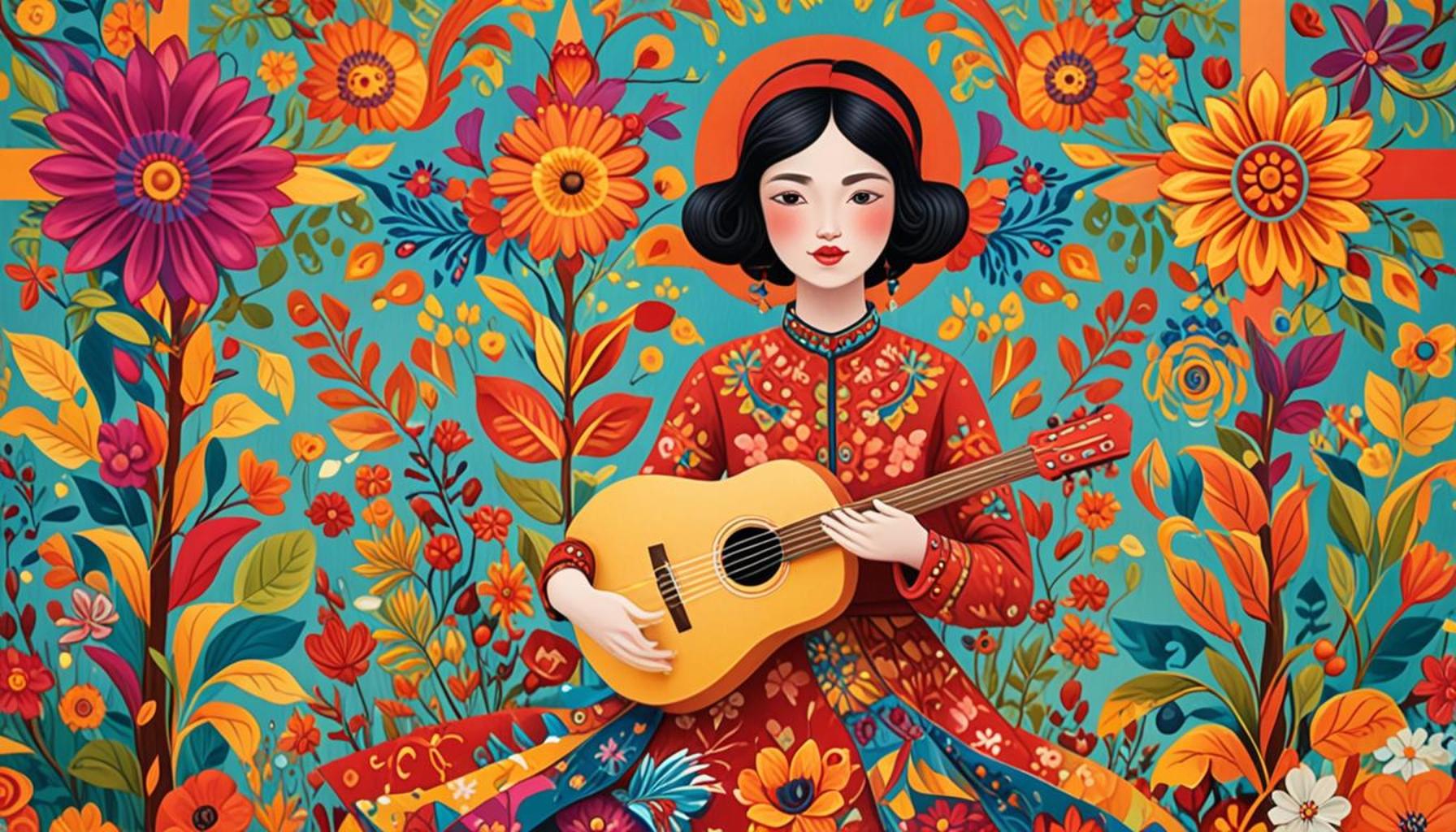
The Harmonious Blend of Tradition and Innovation
In a rapidly evolving world where technology often ushers in a wave of homogenization, the rejuvenation of folk art through modern creativity serves as a vital counterbalance. This innovative blending creates a dialogue between heritage and contemporary aesthetics, inspiring both artists and viewers to explore cultural narratives from fresh perspectives.
By establishing a connection between age-old practices and present-day techniques, contemporary artisans are forging meaningful connections that resonate across multiple generations. This artistic renewal is evident in various forms, demonstrating the myriad ways traditional values can adapt to new contexts while retaining their significance.
Revitalizing Traditional Textiles
Take, for instance, the transformation seen in traditional textiles. Artists are embracing advanced dye techniques and modern materials to breathe new life into classic quilting patterns. These reimagined quilts often incorporate bold colors and unconventional fabrics that parallel contemporary fashion trends, attracting younger audiences and inviting them to appreciate this historical craft. For example, renowned quilt artist Bisa Butler combines vivid fabrics with themes that reflect African American culture, creating striking works that tell compelling stories of identity and heritage.
Challenges in Visual Storytelling
The realm of painting also underscores this exciting fusion. Contemporary artists are increasingly incorporating folk motifs into their abstract works, challenging conventional perceptions of visual storytelling. For instance, artists like Alma Thomas, an African American abstract painter, employed vibrant colors and geometric patterns that echoed her African heritage, celebrating both her cultural roots and her modernist approach. Such works not only challenge viewers’ expectations but also expand the narrative possibilities within folk traditions.
Innovations in Craftsmanship
In the world of crafts, pottery artisans are experimenting with innovative glazing techniques while preserving traditional forms. This willingness to explore new materials, like metallic or textured glazes, transforms classic pottery designs, making them relevant in today’s design landscape. Artisans like Joni Johnson have gained recognition for their unique interpretations, which infuse the age-old medium with contemporary flair, thus enhancing its appeal to modern collectors.
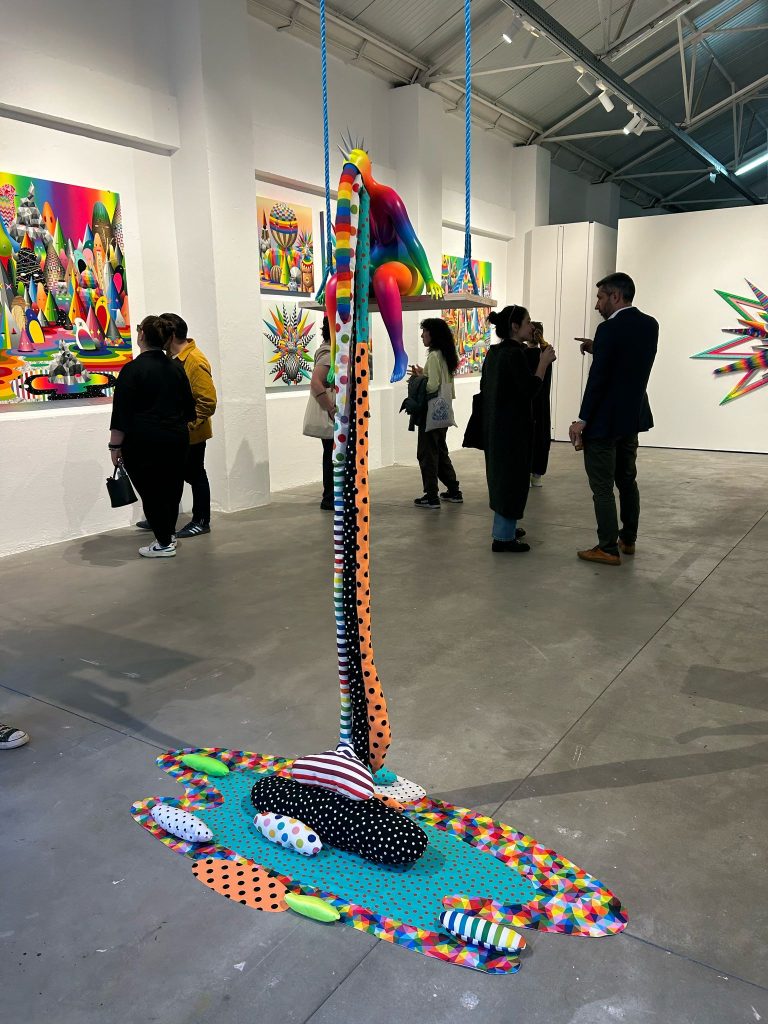
This rich interplay of heritage and creativity invites audiences to engage with cultural narratives in unforeseen ways. By allowing the intricate details of tradition to coexist with the spontaneity of modern artistry, we gain a more textured understanding of art’s evolution. Each piece invites viewers to reflect on the past while envisioning the future.
As we delve deeper into this fascinating intersection, we will uncover the relevance and impact of revitalizing traditions through an innovative lens. Join us on this captivating journey as we explore the stories behind these compelling transformations, revealing how a dynamic approach to heritage can create a bridge to future artistic expressions.
DIVE DEEPER: Click here to explore experimental painting techniques
Crafting a New Narrative
As we explore the realm of revitalizing traditions through artistic innovation, we stumble upon unique expressions that celebrate the diverse cultural tapestry of the United States. This intersection of folk art and contemporary experimentation allows artists to reshape narratives while paying homage to their roots. From ceramics to woodworking, the revival of traditional crafts showcases an eclectic blend of function and artistic expression. Understanding this phenomenon demands a deeper look at how artisans blend heritage with a modern sensibility, creating works that captivate today’s audiences.
Folk Music Reimagined
The influence of revitalized folk traditions reaches far beyond visual arts. In the music scene, folk elements are making a resounding comeback, infused with contemporary styles that resonate with younger generations. Artists like Sturgill Simpson and Brandi Carlile are breathing new life into traditional genres, merging bluegrass, country, and rock to craft sounds that pay tribute to their predecessors while pushing musical boundaries. This evolution in folk music does not only appeal to existing fans but also draws in new listeners, encouraging a fresh appreciation for the storytelling aspects inherent in folk traditions.
A Modern Take on Woodworking
Woodworking is another area where the marriage of tradition and innovation thrives. Artisans are not only carrying forward age-old techniques, such as dovetail joints and steam bending, but are also incorporating modern design principles. Makers like Chris McCoy of Everyday Woodworks have gained recognition for creating minimalist furniture that highlights the natural beauty of wood while ensuring functional integrity. This approach invites a younger audience to engage with handcrafted pieces in their daily lives, creating a renewed appreciation for artisanal skills.
Expanding the Dimensions of Folk Art
The intersection of folk art and contemporary experimentation isn’t confined to one medium. It branches into various forms of visual arts, creating a rich landscape teeming with innovation. Here are some examples of how traditional influences are being redefined:
- Mosaic Art: Artists are blending historical techniques with modern materials, introducing glass and resin to create vibrant, immersive installations that capture the viewer’s imagination.
- Metalwork: Craftspersons are merging traditional metal forging with contemporary sculpture, resulting in pieces that provide commentary on societal issues while maintaining a connection to their ancestral roots.
- Photography: Photographers incorporate folk elements into their work, creating visual narratives that highlight community rituals, oral histories, and the endurance of cultural heritage in a fast-paced world.
This eclectic mix thrives on experimentation, demonstrating the relevance and adaptability of folk art in contemporary contexts. As artists navigate the delicate balance of honoring tradition while innovating, they contribute to a dialog that transcends time, enabling the telling of stories both old and new.
In the following sections, we will investigate specific case studies of artists and movements that embody this fascinating intersection. The journey promises to reveal the intricate pathways that connect our rich past with our dynamic present.
| Category | Details |
|---|---|
| Cultural Preservation | Folk art serves as a historical record, documenting community values and heritage. |
| Creative Fusion | The integration of traditional techniques with contemporary art forms allows for a new narrative. |
| Community Engagement | Workshops and collaborative projects bring people together, fostering a sense of belonging. |
| Economic Development | Revitalized folk art markets can stimulate local economies and increase job opportunities. |
Revitalizing folk art not only preserves traditions but also enhances cultural identity in a globalized world. Artists today are blending age-old techniques with modern expressions, leading to an exciting creative fusion that critiques contemporary society while honoring its roots. This intersection is evident in various platforms where artists exhibit their work, often leading to increased community engagement. Workshops that invite local members to collaborate serve as a catalyst for unity and shared experience, illustrating how art can transcend generations.Additionally, as interest in these hybrid art forms grows, there is potential for economic development. Art markets and festivals can bring visitors and new audiences, ultimately boosting the local economy. The evolving dialogue between folk and contemporary styles encourages the community to celebrate their heritage while adapting to the future, which remains a compelling message in today’s global landscape.
DIVE DEEPER: Click here to discover creative DIY ideas
Bridging Generations Through Craft
The resurgence of interest in folk art and its integration into contemporary practices serves as a remarkable bridge between generations. Artisans and craftspeople today are not only preserving traditional skills but also finding innovative ways to educate and engage younger audiences. Workshops and community classes focused on traditional crafts, such as quilting, weaving, and pottery, are becoming increasingly popular, as they provide a tactile connection to heritage while fostering creativity.
The Role of Community in Revival
Community efforts play a pivotal role in revitalizing traditional crafts. Organizations like the American Craft Council have emerged as advocates for artisans, promoting folk art through exhibitions, festivals, and educational programs. These initiatives not only elevate the visibility of folk art but also create networking opportunities among artists and enthusiasts. Events such as the National Folk Festival invite diverse local artists to showcase their work, celebrating community identities and fostering dialogue around cultural narratives.
Textiles: Weaving the Future
The world of textiles exemplifies the enriching synergy between traditional techniques and modern aesthetics. Artisan textile makers are innovating with surprising materials—recycled fabrics, eco-friendly dyes, and digital printing techniques—yet still honor ancestral methods like natural dyeing and hand-weaving. Artists such as Liz Prince are redefining quilt-making, creating pieces that not only function as art but also serve as a means of storytelling, often reflecting personal experiences or social commentary. This revival and recontextualization of textiles invite millennials and Gen Z consumers to align with crafts that resonate with their values around sustainability and authenticity.
Reinterpreting Folk Narrative Through Visual Arts
The visual arts continue to flourish at the intersection of tradition and contemporary experimentation. Street artists, for instance, are embracing folk motifs, reviving historical imagery and narratives in urban spaces. This transformation of folk art into public installations makes it accessible to a broader audience, merging the past with the present in dynamic urban environments. Artists such as Faile have taken inspiration from traditional printmaking and folk icons, reinterpreting them within the context of modern pop culture. The result is a juxtaposition that challenges viewers to consider how historical narratives inform our current cultural landscape.
- Installation Art: Some artists are utilizing traditional craft techniques to create immersive installations, incorporating community participation to further blur the lines between artist and audience. These works often highlight shared histories and local stories, emphasizing the collective experience of heritage.
- Food Art: Culinary artists have also joined this movement by blending folk traditions with contemporary food trends, exploring themes of identity and nostalgia through unique dishes that reflect regional culinary practices. Chef Onairlook Fajardo, for instance, creatively reinterprets indigenous cooking methods, linking native flavors to modern dining concepts.
The openness to experimentation seen in these endeavors illustrates how traditions can evolve. With each brushstroke, stitch, or melody, contemporary artists are crafting narratives that resonate across age groups, illustrating that the core values of folk art—storytelling, community, and craftsmanship—remain relevant in today’s ever-changing landscape. This ongoing dialog between past and present reveals the enduring power of art to connect us to our roots while inspiring future generations to innovate.
DIVE DEEPER: Click here to discover how 3D printers can enhance your artistic hobbies</p
Conclusion
In a world that is constantly evolving, the revitalization of folk art through contemporary experimentation acts as both a breath of fresh air and a grounding force. As artisans weave together traditional techniques with modern ideas, they create works that not only preserve heritage but also resonate with today’s culturally diverse society. Community involvement, from craft workshops to art festivals like the National Folk Festival, fosters a shared sense of identity, bridging generational divides and nurturing a deeper appreciation for art.
The fusion of traditional crafts with innovative materials and methods—such as the striking textile designs of Liz Prince—illustrates a path where historical narratives meet the contemporary landscape. Likewise, visual artists embrace folk motifs, creating public art that sparks dialogue and invites audiences to reflect on their cultural roots. This evolution of art encourages a new generation to find meaning in craftsmanship, while also promoting values of sustainability and authenticity.
As this creative dialogue between past and present continues to unfold, it emerges that the essence of folk art—storytelling, community, and craftsmanship—remains pivotal in today’s landscape. For those interested in diving deeper, exploring local artisan fairs, engaging with artist collectives, or participating in folk art workshops can unveil the rich tapestry of traditions that still resonate today. Ultimately, the intersection of folk art and contemporary experimentation not only preserves our heritage but also ignites the imagination for future generations, ensuring that these traditions thrive well into the future.
Related posts:
The Influence of Art on Mental Health: How Artistic Exploration Can Improve Well-Being
Exploring Minimalism: The Power of Simplicity in Creative Expression
The Art of Improvisation: How Music Can Stimulate Visual Creativity
Techs Impact on Creative Hobbies Innovative Projects Redefining Creation
The Influence of Pop Culture on Art: Exploring the Fusion of Styles and Ideas in Artistic Creation
Deconstructing Reality: The Role of Surrealism in the Expansion of Artistic Imagination

Linda Carter is a writer and creative hobbies expert specializing in crafting, DIY projects, and artistic exploration. With extensive experience helping individuals discover their creative potential and bring their ideas to life, Linda shares her knowledge on our platform. Her goal is to empower readers with practical tips, inspiring ideas, and step-by-step strategies for success in the world of creative hobbies.