Music and Technology: New Frontiers in Musical Expression
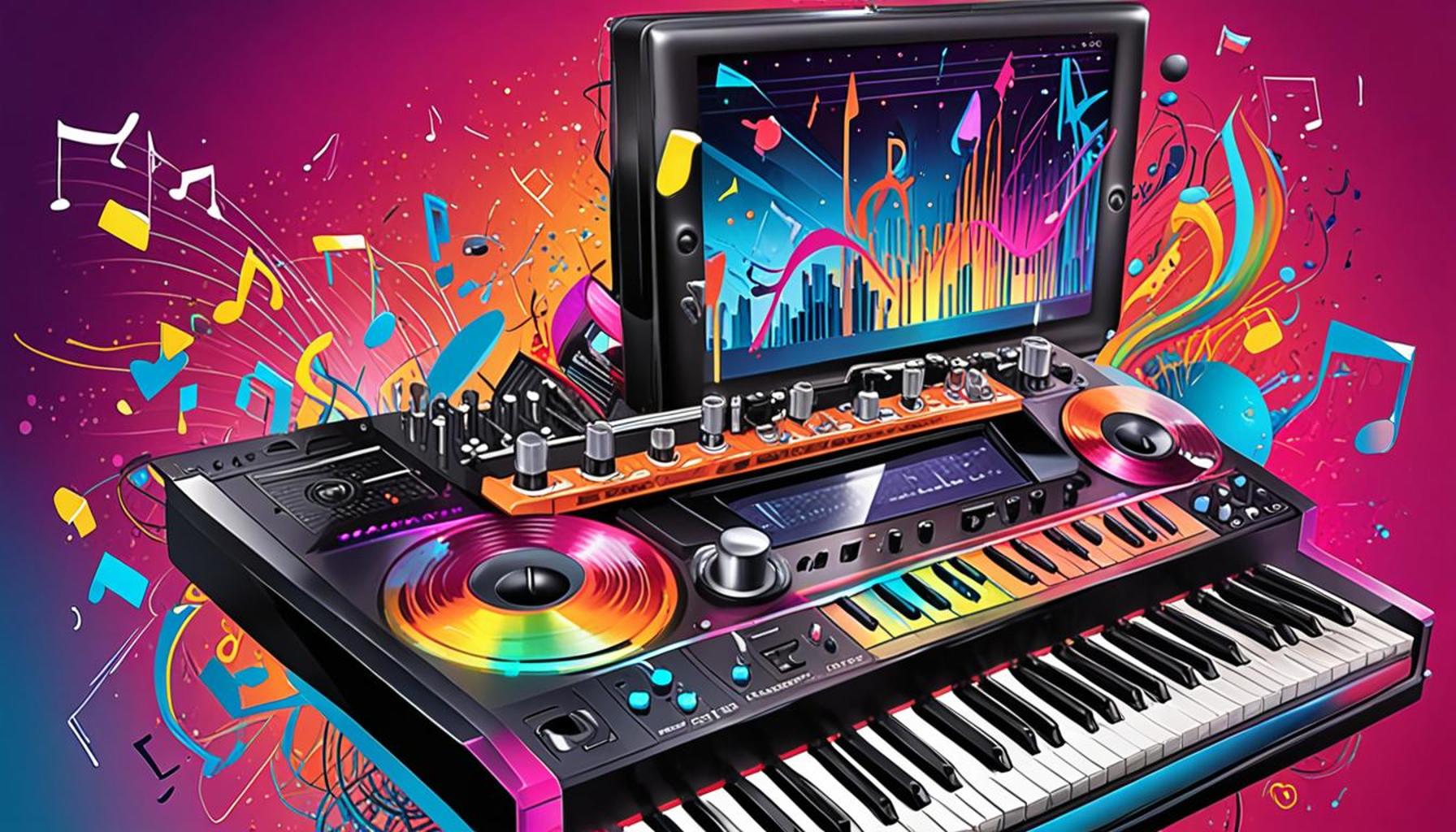
The Evolution of Music Through Technological Innovation
As technology rapidly evolves, it reshapes the landscapes of various industries, and the world of music is no exception. The intersection of music and technology is not merely a fusion; it’s a revolution. Artists and producers are now equipped with tools that allow for unparalleled creativity and expression. This transformation allows for a richer tapestry of sound and collaboration that echoes across genres and cultures.
In this dynamic environment, several innovations are leading the charge:
- Digital Audio Workstations (DAWs) enable musicians to compose, mix, and master tracks from their own homes. Programs like Pro Tools and Logic Pro have become industry standards, allowing artists to create studio-quality music without the need for a traditional recording studio. These platforms offer an array of features, from multi-track recording to advanced editing tools, making the music creation process not only more efficient but also more intuitive.
- Music Apps, such as GarageBand and Ableton Live, make music-making accessible to anyone with a smartphone or laptop. With user-friendly interfaces and extensive libraries of sounds and loops, these applications empower aspiring musicians to experiment without significant financial investment. For instance, GarageBand’s enormous library of presets allows users to emulate the sounds of legendary musicians and genres, giving beginners a taste of professional sound.
- Artificial Intelligence is being harnessed to generate new melodies, analyze trends, and even create entire compositions. Tools like Amper Music and OpenAI’s MuseNet are at the forefront of this innovation, allowing users to input parameters and have AI generate unique pieces of music that can serve as inspiration or foundation for further creativity. This capability raises intriguing questions about authorship and originality, as machines increasingly participate in the creative process.
- Virtual Reality (VR) opens new avenues for immersive musical experiences and performances that transcend physical venues. Artists like The Weeknd have utilized VR to deliver interactive concerts that allow fans to engage with performances in entirely new ways, offering a sense of presence that traditional concerts cannot match. VR experiences create opportunities for fans to explore a digital space filled with visuals that complement the music, enhancing emotional connections to the performances.
These advancements not only transform how we create and consume music but also challenge traditional notions of artistry and originality. With each technological breakthrough, burgeoning genres emerge, allowing for a refreshing blend of influences. Genres such as hyperpop, which combines elements of pop with experimental sounds, are springing up on streaming platforms, demonstrating the eclectic possibilities spawned by technology.
As we delve deeper into this exploration, we will uncover how artists are pushing the boundaries of musical expression through innovative practices. The question remains: How will these new tools continue to shape the future of music? Will AI-generated songs dominate the charts, or will human emotion and artistry always prevail? As the lines between the digital and the physical blur, the answer promises to be as complex and dynamic as the music itself.
DIVE DEEPER: Click here to discover innovative DIY projects
Revolutionary Tools Transforming Creativity
The fusion of music and technology is leading to an explosion of creativity that was previously unimaginable. As artists adapt to the evolving landscape, they are leveraging cutting-edge tools to rethink the process of music creation, pushing the boundaries of their art. Some remarkable innovations are reshaping the way music is conceived, performed, and interacted with:
- Sampling and Looping Tools: Sampling has transitioned from an underground technique to a mainstream music creation practice. Software like Serato and Native Instruments’ Kontakt allows musicians to integrate pieces of existing recordings into their work, building new compositions from snippets of the past. This practice not only revitalizes classic tracks but also introduces younger generations to the rich history of music through innovative reinterpretations.
- Online Collaboration Platforms: Tools such as Splice and BandLab enable artists from around the globe to collaborate in real-time—from creating melodies to mixing final tracks. This democratization of the music production process allows for diverse perspectives and influences, fostering collaborations that blend genres and cultural elements in ways that were once constrained by geography.
- Advanced Synthesis Technologies: The rise of synths and plugins, such as Serum and Massive, broadens the sonic palette available to composers and producers. These advanced synthesizers empower musicians to build their own unique sounds, circumventing traditional instrumentation. The rise of modular synthesis especially allows artists to create tailor-made soundscapes, bringing a blend of science and art to their compositions.
- Streaming and Distribution Innovations: The shift in how music is consumed has triggered a reevaluation of the entire music distribution model. Platforms like Spotify and SoundCloud have revolutionized how artists reach their audiences, making it easier to share music directly with fans. Moreover, the introduction of blockchain technology promises a more transparent and fair compensation model, tackling ongoing issues of copyright and artist royalties in the digital age.
As these tools continue to evolve, artists are encouraged to explore the uncharted territory of musical expression. Each innovation not only makes production more accessible but also pushes creators to experiment with diverse sounds, rhythms, and genres. For instance, the increasing popularity of cross-genre collaboration has birthed entirely new styles, enriching the global music scene.
This ongoing evolution raises pertinent questions about the future of music. Will artists continue to adapt and innovate, or will they retreat to more traditional methods as a response to the overwhelming presence of technology? The answers may lie in how individual musicians choose to harness these advancements, reflecting their unique voices while navigating the vast landscape of available tools.
In the exploration that follows, we will delve deeper into how these groundbreaking tools are influencing creative approaches and yielding fresh musical expressions. Are we on the cusp of a new musical renaissance driven by technology, or are traditional forms of artistry still fundamental to our understanding of music?
| Advantages | Impact on Music |
|---|---|
| Innovation | Digital tools and software allow musicians to explore new sounds and experimental approaches to music production. |
| Accessibility | Music technology breaks barriers, making it easier for artists from diverse backgrounds to create and share their work globally. |
| Collaboration | Technology fosters collaboration among musicians across the world via online platforms, enhancing creativity and diversity in music. |
The advent of advanced digital technologies has opened up unprecedented opportunities for musicians and producers, allowing them to push the boundaries of musical expression. From the creation of intricate soundscapes to the integration of artificial intelligence in composing, artists are constantly exploring ways to merge music and technology. By leveraging these tools, musicians can not only produce high-quality tracks but can also curate an immersive experience for their audiences, inviting participation and engagement on various levels. With platforms such as streaming services, social media, and live-streaming for performances, artists now have a broader audience reach than ever, making the music industry more interconnected. This evolution prompts musicians to rethink their strategies for creating and distributing music, inviting a closer examination of how technology continues to redefine the shape of art in the digital age. The synergy between music and technology not only enhances creative expression but also lays a groundwork for exploring new frontiers that were once only imagined.
DIVE DEEPER: Click here to discover innovative DIY projects
Exploring New Avenues of Musical Engagement
The impact of technology on music is not only confined to the creation process but also extends profoundly into how artists engage with their audiences. With the advent of immersive technologies, such as virtual reality (VR) and augmented reality (AR), musicians are discovering novel ways to forge intimate connections with fans. Imagine attending a concert where the audience dons VR headsets, becoming part of an interactive experience that transports them to a fantastical realm, where visuals synchronize with the music in real-time. This futuristic scenario is swiftly becoming a reality, with artists like Björk and The Weeknd experimenting with these technologies to create performances that merge sound, sight, and spatial awareness.
The rise of live streaming also deserves attention. Platforms like Twitch and Instagram Live have empowered musicians to showcase their work and connect with fans instantly. Live streaming enables spontaneous performances, Q&A sessions, and behind-the-scenes glimpses into the artist’s life, breaking down traditional barriers between musician and audience. Notably, the COVID-19 pandemic hastened this trend, with many artists turning to social media to engage audiences stuck at home, resulting in a surge of new followers and heightened visibility.
Social media and digital marketing strategies have transformed the way music is promoted. Artists now have the option to create engaging, multimedia content that showcases their work, leveraging the power of Instagram Reels and TikTok to reach younger audiences. Viral dance challenges, for instance, can catapult a previously unheard song into the spotlight, leading to unexpected mainstream success. A recent example of this phenomenon is the viral sensation of “Driver’s License” by Olivia Rodrigo, which exploded across platforms primarily due to user-generated content and TikTok trends.
Moreover, advancements in artificial intelligence (AI) are reshaping the landscape of music composition and production. AI algorithms can now analyze vast datasets of musical patterns and create entirely new compositions or assist in arranging songs. Programs like AIVA and Amper Music allow composers, regardless of their musical training, to generate scores that can be further refined. Some artists even collaborate with AI to inject an element of unpredictability into their works, inviting innovative and unexpected results.
- Networked Musical Instruments: The development of smart instruments connected to the internet provides musicians with data-driven insights and collaborative possibilities previously unthinkable. These innovations encourage real-time collaboration across distances, fostering a communal aspect in music creation.
- Multimedia Artistry: Musicians are increasingly blending their sonic creations with other art forms, utilizing video, visual art, and narrative storytelling to enhance the listener’s experience. Projects like the installation pieces by musicians such as Imogen Heap showcase how modern creators are becoming interdisciplinary artists.
The convergence of music and technology presents a myriad of opportunities and challenges. As artists navigate this landscape, they continually experiment with new tools and techniques, seeking to maintain a genuine connection to their craft while pushing the boundaries of what is possible. This interplay of tradition and innovation is undeniably defining a new era in music, where possibilities are limitless, and the soundscape evolves at an unprecedented pace.
EXPLORE MORE: Click here for inspiring DIY interior decoration projects
Conclusion: The Harmonious Fusion of Music and Technology
As we witness the transformational impact of technology on the music industry, it becomes clear that this fusion has ushered in a new era of musical expression and engagement. From immersive experiences through virtual reality and augmented reality to the spontaneity offered by live streaming platforms, artists are breaking traditional barriers and redefining their relationship with fans. The burgeoning role of artificial intelligence in music composition exemplifies the innovative potential that this technological partnership holds, enabling both seasoned and aspiring musicians to push artistic boundaries like never before.
Moreover, the integration of social media and viral content into music promotion reveals how quickly and drastically the landscape can change. Not only does it democratize music accessibility, but it also encourages a collaborative spirit among creators and fans. As we embrace this exciting future, the question arises: how will the next generation of musicians navigate these evolving tools to shape their art? The answers may lie in a continued exploration of networked instruments and interdisciplinary approaches that merge sound with visual and narrative elements.
Ultimately, the journey of music and technology is a symbiotic relationship that invites both challenges and opportunities, echoing the limitless possibilities of creative exploration. As we move forward, it is essential to celebrate the innovative spirit that propels this evolution, unlocking new frontiers of expression that not only enrich our soundscape but also redefine what it means to experience music in the modern world. For artists and enthusiasts alike, the melody of progress continues to play, inviting all to join in this ever-expanding symphony.
Related posts:
The Role of Musical Genres in the Construction of Personal Narratives
How Abstract Art Influences Personal Expression and Well-being
The Influence of Music on Personal Self-Expression
The Influence of Music on Personal Identity Formation
Music and Mental Health: The Impact of Musical Expression on Well-Being
Turn Recycled Materials into Art Sustainable DIY Project Ideas
Linda Carter is a writer and creative hobbies expert specializing in crafting, DIY projects, and artistic exploration. With extensive experience helping individuals discover their creative potential and bring their ideas to life, Linda shares her knowledge on our platform. Her goal is to empower readers with practical tips, inspiring ideas, and step-by-step strategies for success in the world of creative hobbies.