Music and Movement: The Intersection Between Dance and Musical Expression
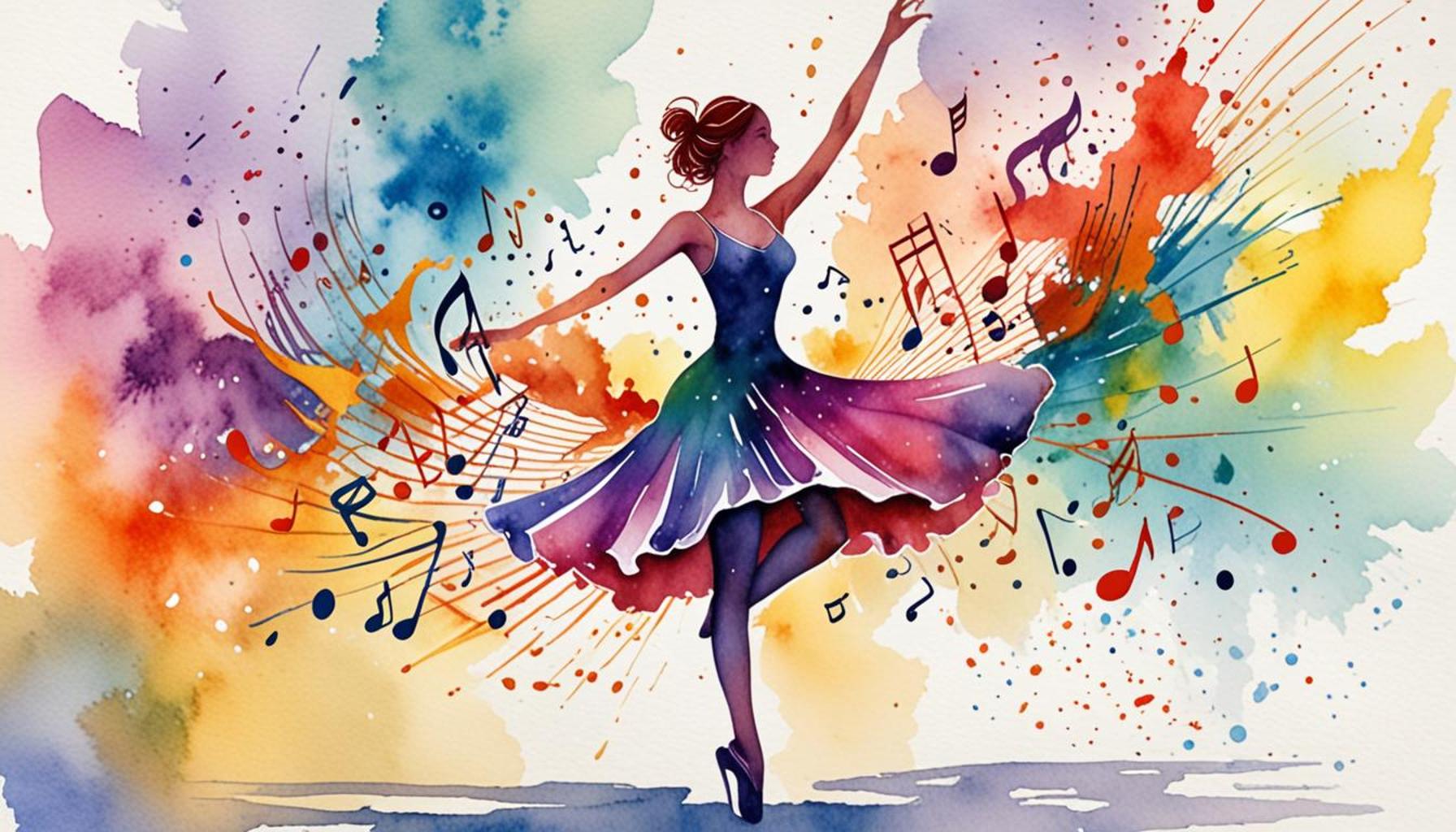
The Interconnected World of Music and Dance
At the heart of every vibrant performance lies a blend of music and movement. From the rhythmic beats that echo in the soul to the graceful movements that captivate the eye, these two art forms create a powerful connection. This intersection not only entertains but also conveys emotions, telling stories that transcend verbal communication. Music provides a backdrop that enhances the physical expression of dance, while dance breathes life into musical compositions, creating an experience that resonates deeply with audiences.
Consider how different genres of music influence dance styles:
- Ballet, rooted in the classical traditions of Europe, thrives on intricate compositions from composers like Tchaikovsky and Debussy. This dance form embodies elegance and discipline through its structured movements, showcasing a blend of athleticism and artistry. The iconic “Swan Lake” and “The Nutcracker” exemplify how narrative-driven music can inspire dancers to tell compelling stories through their movements.
- Hip-hop, on the other hand, evolves with raw energy and cultural significance. Originating in the streets of New York City, hip-hop dance reflects urban culture, self-expression, and social commentary. Styles like breaking, locking, and popping encompass the diverse influences that shape this genre, making it a staple at events like street competitions and showcases.
- Jazz is another example, embracing spontaneity and innovation. Jazz music is known for its improvisational nature, which invites dancers to express their creativity through rhythmic, fluid movements. Iconic dance forms like the Charleston and the Lindy Hop emerged during the Jazz Age, illustrating how music and dance can evolve together.
This synergy sparks creativity and fuels cultural movements, showcasing unique traditions. Festivals across the United States celebrate this bond and the richness of cultural expressions, including:
- The New Orleans Jazz & Heritage Festival – a melting pot of music and dance that features performers from a range of genres, making it a vibrant hub for cultural exchange.
- DanceFest – an event dedicated to diverse dance styles, demonstrating the historical and contemporary musical roots that influence movement across communities.
- Coachella – where artists often incorporate dynamic dance performances into their live shows, adding visual storytelling to their music and amplifying audience engagement.
As we delve deeper into this relationship, we uncover how different communities use rhythm to unify, empower, and inspire. From traditional folk dances that celebrate heritage to contemporary dance battles that promote artistic expression, the ability of music and movement to connect people is evident. This exploration invites us to discover the profound impact that music and movement have on our lives, encouraging us to appreciate their intertwined significance in modern society. Through music and dance, we can not only celebrate our differences but also find harmony in our shared experiences.
DISCOVER MORE: Click here to dive deeper
The Rhythmic Language of Connection
As audiences gather to watch a performance, they become part of a shared experience steeped in the rhythmic language of music and movement. This powerful intersection transcends the simple combination of sound and body; it embodies a universal communication that resonates deeply within cultural contexts. Many communities across the United States utilize this connection to strengthen bonds, celebrate identity, and create a sense of belonging.
The relationship between music and dance is not merely performative; it is deeply embedded in various social and cultural frameworks. Different styles of dance evolve alongside genres of music, shaping individual and collective expressions. For instance, traditional Native American dance often includes drumming and singing that demonstrates connection to nature and spirituality, creating a sacred dialogue through movement that aligns with musical traditions. Similarly, the Flamenco dance, originating from the Andalusian region of Spain, has permeated American culture, showcasing how music and movement can tell stories of passion and heartache, further solidifying their interconnection.
Within the realm of contemporary dance, we see defined styles that bridge gaps between genres and cultures. For example, contemporary dance draws inspiration from multiple music genres—classical, jazz, hip-hop, and even electronic music—challenging traditional definitions. A choreographer might select a famous piece by Bach or a modern pop track to innovate dance forms that further explore visceral connections between body and sound.
Understanding this multifaceted relationship can be accomplished through analyzing various performance spaces where music and movement converge. Here are some notable venues that exemplify this intersection:
- The Apollo Theater – A historic venue in Harlem that has been a launching pad for countless artists across genres. The theater has hosted everything from classical ballet to groundbreaking hip-hop dance performances, showcasing the breadth of musical and movement expression.
- The Kennedy Center – Known for its array of performances, the Kennedy Center in Washington, D.C., regularly features concerts and dance shows that highlight the relationship between composers and choreographers, presenting stories that elevate cultural narratives.
- The ODC Theater – Located in San Francisco, this theater emphasizes dance that celebrates the synergy of various musical styles. It supports new work, encouraging collaborations that explore the intricate dialogue between sound and movement.
As we explore the nuances of music and movement, we come to understand how these forms invite individuals to not only experience art but also engage with their roots and cultures. Through vibrant festivals, community events, and dance competitions, we witness the ongoing evolution of this intersection in American culture. The myriad ways in which music and movement intertwine reflect our collective human experience—one that affirms our shared histories while celebrating our unique narratives.
| Advantages | Description |
|---|---|
| Enhanced Creativity | Engaging in dance and music fosters both artistic expression and a unique creativity, allowing individuals to explore their emotions and connect with others through movement. |
| Improved Physical Health | Dance acts as an excellent form of exercise, promoting cardiovascular health, strength, flexibility, and overall well-being while synchronized with musical rhythms. |
| Social Connection | Participating in group dance or musical activities fosters community engagement and strengthens relationships as individuals share experiences and collaborate creatively. |
| Cognitive Benefits | The combination of music and movement enhances cognitive functions, improving memory, attention, and problem-solving skills, making it particularly beneficial for children and the elderly. |
Exploring the rich tapestry woven between music and movement, one uncovers a world of potential that extends beyond mere entertainment. With roots in various cultures and traditions, the synergy between dance and music has laid the groundwork for profound personal and societal benefits, enriching both individual lives and community dynamics. Understanding and participating in this intersection can lead to a deeper appreciation of the arts while promoting a healthy and harmonious lifestyle. As we delve further into these aspects, the significance of the interplay between rhythm and motion becomes ever more apparent, inviting us to engage with these art forms in new ways.
DIVE DEEPER: Click here to discover how 3D printers can enhance your artistic hobbies</p
Embodying Emotion Through Choreography
The fusion of music and movement extends beyond mere rhythm and physicality. This confluence becomes a powerful vehicle for expressing emotions, storytelling, and encapsulating the human experience. Dance serves as a visual manifestation of musical narratives, where choreographers intricately weave movement patterns to evoke feelings that resonate at a primal level.
One poignant example is found in the works of Martha Graham, an influential figure in modern dance. Graham’s choreography often responds directly to musical pieces, infusing them with emotional depth and a reflection of internal struggles. The collaboration with composer Aaron Copland, particularly in works like “Appalachian Spring,” exemplifies how dance can embody the spirit of music, transforming abstract sounds into profound visual storytelling.
In the contemporary landscape, artists like Alvin Ailey further illustrate this concept. Ailey’s renowned piece “Revelations” draws on African American spirituals, translating their deep emotional resonance into movement that celebrates cultural identity and collective memory. This synthesis not only honors musical traditions but also enriches the dance form, thus allowing audiences to engage with history through the prism of artistic expression.
Dance competitions and performances often exemplify this collaboration where various styles intersect, offering a platform for emerging artists to explore their creative identities. Platforms like So You Think You Can Dance spotlight choreographers who fuse disparate musical genres with innovative dance styles, demonstrating the limitless potential at this crossroads. Each episode offers a glimpse into how music can motivate and shape movement, encouraging dancers to push their boundaries in both technical skill and artistic exploration.
In educational contexts, programs like Dance Without Borders leverage the intersections of these art forms to promote cultural awareness and inclusivity. Through workshops that unite aspiring dancers with musicians from diverse backgrounds, participants gain insights into different traditions, fostering a dialogue where music serves as a bridge to understanding movement styles worldwide. Ultimately, these collaborative experiences enhance one’s appreciation of the profound connections sustained by music and dance.
The role of technology further amplifies the potential for exploring music and movement. Virtual platforms allow for the creation of innovative pieces that blend digital audio with virtual dance performances. This has gained momentum, especially during the pandemic when traditional performance venues were limited. Artists have since discovered new ways to reach audiences, utilizing online mediums to break geographical barriers and create immersive experiences that challenge the perception of how music and movement coexist.
As we engage in this continually evolving dialogue between music and movement, the impact on personal identity becomes evident. Dance serves not only as an expressive outlet but also as a means to connect individuals with their cultural heritage and community. Festivals such as Burning Man and local events like dominican festivals in New York City showcase the ways communities come together, celebrating the power inherent within shared musical and movement traditions. These gatherings illustrate how dance can foster unity, resilience, and a deeper understanding of oneself and others.
DON’T MISS: Click here to uncover inspiring ways to create beauty from waste
Conclusion: The Harmonious Blend of Music and Movement
The intricate connection between music and movement unfolds a rich tapestry of artistic expression that transcends cultural boundaries and personal experiences. Through the lens of dance, we witness how melodies transform into physical language, conveying emotions that words often fail to capture. The legendary contributions of artists like Martha Graham and Alvin Ailey serve as powerful reminders of the profound narratives that emerge when music and dance converge.
Moreover, modern platforms and collaborations have democratized this art form, making it accessible to a broader audience. Programs that foster cross-cultural exchanges, such as Dance Without Borders, highlight the importance of embracing diverse traditions. These initiatives not only deepen our understanding of various movement styles but also emphasize the shared human experience encapsulated in dance and music.
As technology continues to reshape artistic landscapes—allowing new forms of expression through virtual performances—contemporary creators are challenged to explore uncharted territories of innovation. This evolution enables storytellers to craft immersive experiences that draw audiences into the heart of their artistic visions.
Ultimately, the intersection of music and movement is not just about choreography or composition; it’s about forging connections between individuals and communities. Events like Burning Man and local festivals celebrate this intersection, fostering a collective consciousness that unites us through rhythm and expression. As we continue to explore this synergistic relationship, we are reminded of the fundamental essence of what it means to be human— to express, to connect, and to celebrate life through art.
Related posts:
The Influence of Music on the Expression of Human Vulnerability
How Musical Improvisation Can Enhance Creativity
Music and Mental Health: The Impact of Musical Expression on Well-Being
Turn Recycled Materials into Art Sustainable DIY Project Ideas
The Emotional Benefits of Learning a Musical Instrument
The Role of Music in Building Creative Communities
Linda Carter is a writer and creative hobbies expert specializing in crafting, DIY projects, and artistic exploration. With extensive experience helping individuals discover their creative potential and bring their ideas to life, Linda shares her knowledge on our platform. Her goal is to empower readers with practical tips, inspiring ideas, and step-by-step strategies for success in the world of creative hobbies.