Music and Mental Health: The Impact of Musical Expression on Well-Being
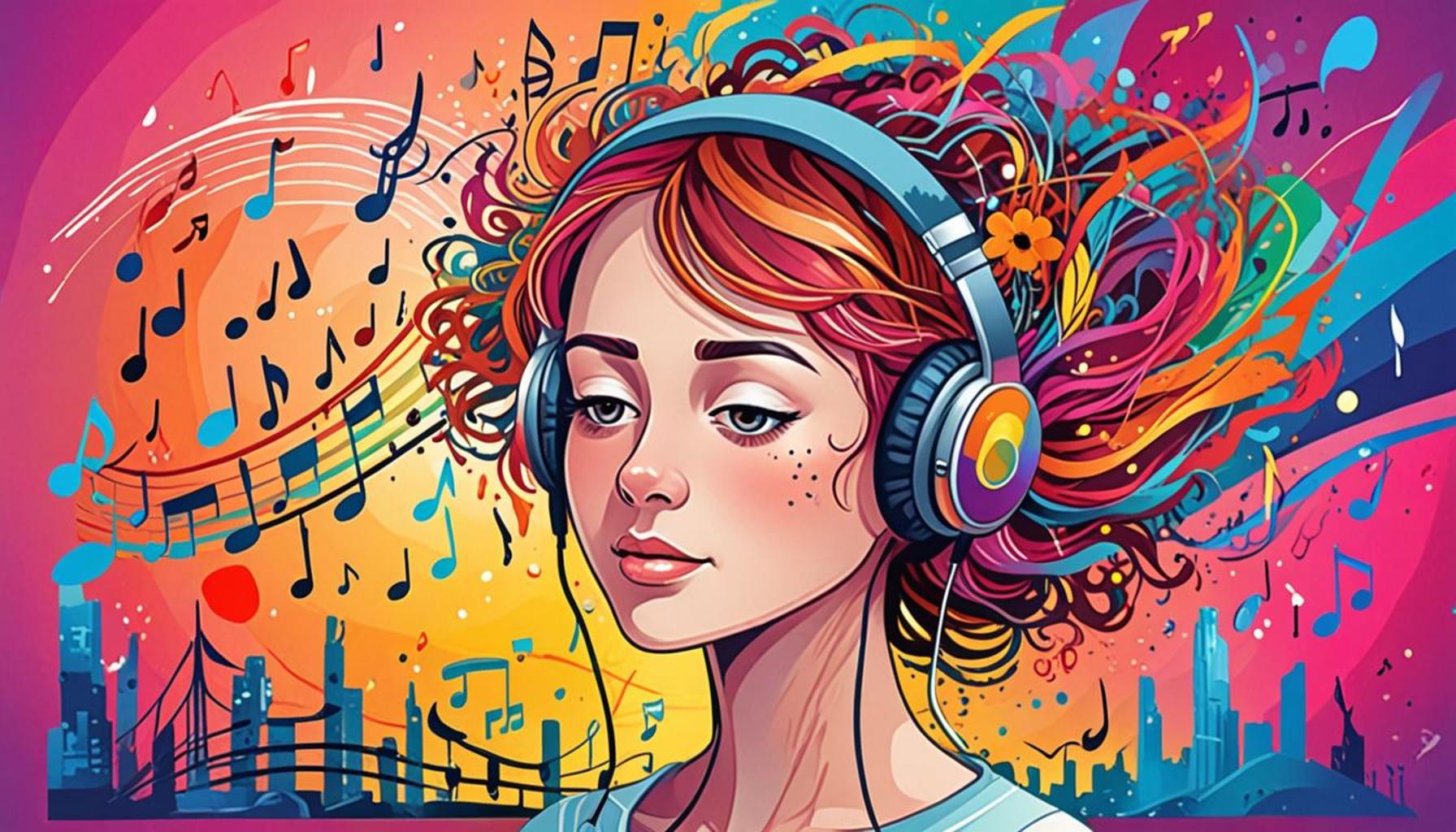
The Dynamics of Music’s Influence on Mental Well-being
Music has long been recognized as a powerful form of expression, yet its impact on mental health is often underestimated. Those who engage with music, whether by listening or creating, can experience profound benefits that touch on various aspects of well-being. The interplay between music and mental health is a rich field of study that underscores the therapeutic potential of sound.
Research highlights that engaging with music can lead to significant improvements in overall well-being, including:
- Emotional expression: Music provides a safe outlet for emotions, allowing individuals to articulate feelings they may struggle to express verbally. For example, songs about heartbreak can help listeners navigate their own feelings of loss or grief.
- Stress reduction: Listening to relaxing music can lower cortisol levels, which is particularly beneficial for those overwhelmed by daily life’s challenges. For instance, patients undergoing surgery have been shown to experience lower anxiety levels when soothing music is played in the background.
- Social connection: Group musical activities, such as choirs or community jam sessions, foster community and support. Participating in such communal experiences can mitigate feelings of isolation often felt in today’s fast-paced society.
Many people turn to music during challenging times. The reasons for this reliance include:
- Therapeutic effects: Musical therapy is an established treatment for various mental health conditions. Certified music therapists use music interventions to address emotional, cognitive, and social needs, helping individuals cope with depression and anxiety.
- Cognitive engagement: Active participation in music, whether through playing an instrument or singing, can enhance brain function. Research indicates that learning music can improve memory and cognitive skills, particularly in children and older adults.
- Joy and fulfillment: Creating or listening to music often sparks joy and can lift spirits. For many, personal playlists or creating melodies becomes a way to celebrate life or process difficult times.
Moreover, studies suggest that different genres of music can influence emotions in various ways. For example, upbeat pop songs may energize listeners and increase motivation, while classical music is often associated with calmness and focus. This enigma adds a layer of intrigue to the relationship between musical expression and individuals’ psychological landscapes, suggesting that personal preferences also play a significant role in music’s therapeutic effects.
As we delve deeper into this fascinating area, we uncover the transformative potential of music on mental wellness. The evolving research continues to invite us to rethink its role in our daily lives, encouraging individuals and healthcare providers alike to consider music not just as a form of entertainment, but as a vital component of holistic health strategies.
DISCOVER MORE: Click here to learn how music can shape your emotions
The Role of Musical Engagement in Enhancing Emotional Resilience
As we navigate the complexities of modern life, the question arises: how can musical expression become an ally in promoting mental health? A wealth of studies underscores the capacity of music to bolster emotional resilience, facilitate healing, and foster personal growth. Understanding how and why music serves as an essential tool for mental well-being allows individuals to harness its benefits more effectively.
One of the most compelling aspects of music’s influence on mental health lies in its ability to enhance emotional intelligence. Individuals who actively engage with music often find themselves navigating their emotions with greater clarity and awareness. This is particularly evident in diverse settings, from therapy sessions to casual listening experiences. When individuals encounter songs that resonate with their personal experiences, the resulting emotional connection can lead to heightened self-awareness and impact personal growth positively.
- Improved Mood: Research indicates that music has a direct correlation with mood enhancement. Both listening and creating music stimulate the release of dopamine, a neurotransmitter associated with pleasure and reward. Studies have shown that people diagnosed with depression often report feeling uplifted after a listening session, highlighting music’s quick and effective impact on their emotional state.
- Emotional Regulation: Music serves as a coping mechanism for many facing stress and anxiety. By engaging with music—be it through singing loud or finding peace in meditation tracks—individuals can process complex emotions safely. Numerous psychological studies have pointed out that music can act as a contemporary form of emotional regulation, providing a means to navigate distress can be particularly helpful for adolescents and younger adults.
- Personal and Cultural Identity: Music allows for the exploration of self-identity and cultural belonging, which can be grounding for individuals facing mental health challenges. When people connect with the sounds of their heritage or personal experiences, it can positively affirm their identity and foster a sense of community, which is crucial for psychological well-being.
Moreover, the therapeutic applications of music are as diverse as musical genres themselves. From the structured environments of music therapy to the informal settings of community groups, a variety of methods are employed to engage individuals. Therapeutic practices demonstrate that even passive listening can be enriching; for example, community musicians often participate in outreach programs where they play live music in hospitals or recovery centers, offering a soothing and uplifting presence during challenging times.
While not all music generates uniform emotional responses, analyzing an individual’s preferences can reveal much about their state of mind and emotional needs. Genres such as hip-hop can inspire empowerment and resilience, whereas soft ballads might facilitate introspection and healing. Understanding these nuances emphasizes the essential role of music in personal and communal landscapes, making it clear that discovering and curating personal playlists could be a vital aspect of one’s mental health care.
As society continually evolves in its understanding of music and mental health, the narrative shifts towards awareness and integration of musical practices into holistic health models. With ongoing research and societal shifts towards mental health advocacy, we are prompted to consider how music could weave itself into the fabric of everyday recovery and well-being.
Understanding the Therapeutic Role of Music
The intersection of music and mental health has garnered significant attention in recent years, underscoring the profound impact that musical expression can have on emotional well-being. Music therapy, which harnesses the healing potential of music, is a recognized approach for alleviating various mental health issues, including anxiety, depression, and stress-related disorders.Research indicates that engaging with music—whether through listening, singing, or playing instruments—activates brain regions associated with pleasure and reward. This can lead to an increase in the production of dopamine, a neurotransmitter directly linked to feelings of happiness and satisfaction. Moreover, musical expression allows individuals to process emotions that might be hard to articulate verbally, providing a safe outlet for exploration and healing.Additionally, studies show that rhythmic elements in music can aid in improving focus and reducing symptoms of attention deficits. The structured patterns of music engage the brain’s cognitive functions, making it an invaluable tool not only in therapeutic settings but in everyday life. For those struggling with emotional regulation, creating or listening to music can evoke positive memories and foster a sense of connection, significantly enhancing one’s overall mental health.As we explore further, the implications of integrating musical practices into mental wellness routines can be profound. Many people find comfort in group music-making, which enhances social connections, combats loneliness, and builds community. The collective experience of musical participation promotes a sense of belonging, which is vital for emotional resilience.To encapsulate the multifaceted benefits of music in promoting mental well-being, let’s further delve into the advantages through this table:
| Category | Advantages |
|---|---|
| Emotional Expression | Allows individuals to express and process complex emotions. |
| Social Connectivity | Fosters a sense of community and combats feelings of isolation. |
| Cognitive Benefits | Improves focus and attention through rhythmic and structured patterns. |
| Reduction of Anxiety | Listening to calming music has been shown to lower stress levels. |
Through this exploration of music’s role in mental health, we can appreciate its capacity not just as entertainment but as a vital therapeutic tool that enhances well-being and enriches our lives. The relationship between music and mental health is indeed a profound one that warrants further exploration and understanding.
DIVE DEEPER: Click here to discover the magic of 3D printing in artistic hobbies</p
The Therapeutic Power of Music: A Deeper Understanding
Delving deeper into the effects of music on mental health reveals a fascinating intersection between neuroscience and personal experience. Music therapy has emerged as a recognized discipline, leveraging the innate power of sound to address emotional and cognitive challenges. Various studies highlight the mechanisms through which music influences mental states, offering both qualitative and quantitative data on its benefits.
Neurologically, music activates multiple areas of the brain, including the limbic system, which is responsible for emotional regulation, and the prefrontal cortex, associated with complex thought and decision-making. For example, a study published in the journal Nature Neuroscience found that listening to music can stimulate the release of oxytocin, also known as the “love hormone,” which plays a role in social bonding and empathy. This biochemical response underscores music’s capacity to enhance interpersonal connections, fostering a sense of belonging and community—two essential components for mental well-being.
- Reduction of Anxiety and Stress: Numerous studies have demonstrated that calming music can significantly reduce levels of anxiety and stress. Music’s soothing properties can influence heart rates, blood pressure, and even cortisol levels, the stress hormone. Patients undergoing medical procedures have reported enhanced comfort and diminished anxiety levels when exposed to calming music—a practice increasingly integrated into surgical rooms and clinical settings.
- Enhancing Cognitive Functions: Engaging with music not only serves emotional needs but also enhances cognitive functioning. Research indicates that learning to play an instrument can improve memory skills and executive functions. This is particularly beneficial for children and adolescents, who might find structure and discipline through musical practice, promoting a positive outlook and improved mental health.
- Empowerment through Creative Expression: For many, creating music is an exploratory journey that provides a unique outlet for expression. Songwriting, for instance, allows individuals to process traumatic experiences and express feelings they might otherwise struggle to articulate. Such creative activities can empower individuals to reclaim their narratives, leading to empowerment and healing.
Furthermore, community initiatives utilizing music as a medium for healing are gaining traction across the United States. Programs like “Musicians on Call” send live musicians to perform in healthcare facilities, providing much-needed emotional support to patients and families. Anecdotal evidence from participants reveals that these interactions uplift spirits and create a sense of connection among individuals experiencing similar challenges.
Additionally, the role of technology in music therapy cannot be overlooked. With the advent of streaming services, online support groups, and music creation apps, individuals have unprecedented access to a diverse range of musical resources. For example, playlists designed for mindfulness or relaxation can be customized and shared, making therapeutic music more accessible than ever. The use of music apps such as Calm and Headspace integrates music with mindfulness practices, enhancing the scope of traditional mental health techniques.
In exploring the relationship between music and mental health, it’s essential to acknowledge the diversity of musical preferences. Different cultures and communities draw strength from various musical traditions, which can resonate with the unique experiences that shape individual narratives. This cultural resonance not only affirms personal identities but also enhances the therapeutic potential of music in fostering a supportive environment where individuals can thrive.
DIVE DEEPER: Click here to expand your creative journey</
Conclusion: The Harmonious Connection Between Music and Mental Health
As we navigate the complex landscape of mental health, the impact of musical expression emerges as a beacon of hope and healing. The interplay between music and mental well-being is not merely a trending topic but rather an area rich with profound implications for individuals and communities alike. Through various studies and real-world applications, it is clear that music acts as a transformative force, capable of reducing anxiety, enhancing cognitive functions, and empowering individuals through creative expression.
The therapeutic power of music transcends traditional boundaries, providing a versatile tool for mental health care and personal growth. Programs like “Musicians on Call” serve as shining examples, showcasing how live music can foster connection and uplift spirits in clinical settings. Additionally, the integration of technology with music therapy broadens access, inviting more individuals to embrace the healing potential of sound. In this digital age, curated playlists or mindfulness apps can cultivate soothing environments, reinforcing that anyone can tap into music’s therapeutic power from the comfort of their homes.
Ultimately, music serves as more than just an art form; it is a universal language that unites us, offering solace and resilience. The next time you immerse yourself in a favorite song or create a melody of your own, consider the deep layers of emotional wellness at play. By recognizing and harnessing the profound connection between music and mental health, we can promote not only individual well-being but also foster stronger, more supportive communities. As this field continues to evolve, it is essential to advocate for and explore innovative ways to integrate music into mental health practices, ensuring that the symphony of healing resonates for generations to come.
Related posts:
The Influence of Music on the Expression of Human Vulnerability
The Role of Musical Genres in the Construction of Personal Narratives
Music and Technology: New Frontiers in Musical Expression
The Role of Music in Building Creative Communities
The Importance of Music in Children's Emotional Education
How Abstract Art Influences Personal Expression and Well-being

Linda Carter is a writer and creative hobbies expert specializing in crafting, DIY projects, and artistic exploration. With extensive experience helping individuals discover their creative potential and bring their ideas to life, Linda shares her knowledge on our platform. Her goal is to empower readers with practical tips, inspiring ideas, and step-by-step strategies for success in the world of creative hobbies.