How Abstract Art Influences Personal Expression and Well-being
The Intersection of Art and Well-being
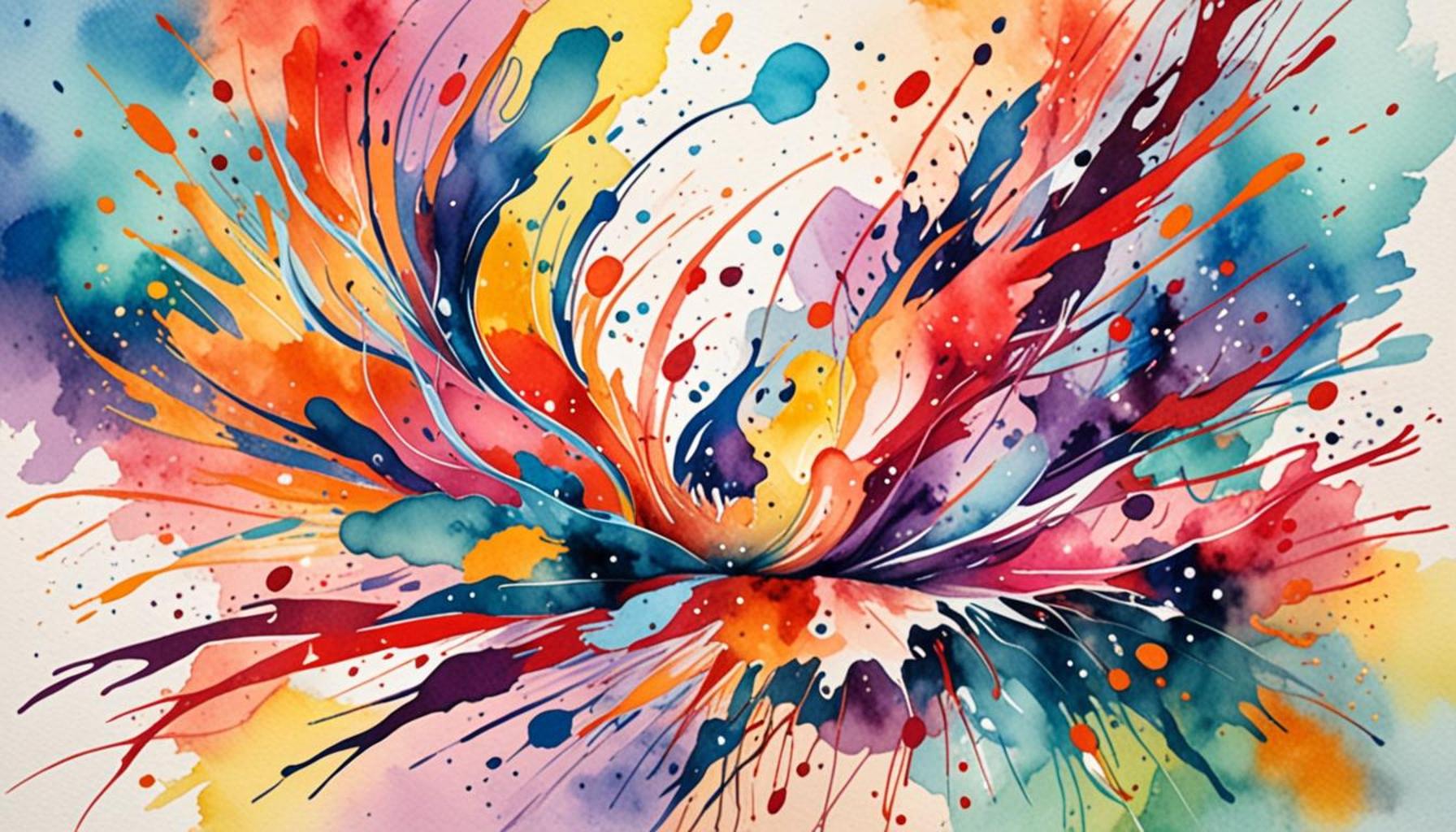
Art has long been a powerful outlet for human expression, but the realm of abstract art takes this connection to a new level. By moving away from realistic depictions, abstract art encourages individuals to explore and convey their emotions in unique ways. This transformative practice not only fosters creativity but also has a profound impact on personal well-being.
Why It Matters
Engaging in creative hobbies such as painting, drawing, or sculpting can lead to numerous benefits, including:
- Stress Relief: Artistic expression helps release pent-up emotions and tension.
- Enhanced Self-awareness: Creating abstract pieces encourages introspection and personal reflection.
- Boosted Confidence: Seeing one’s ideas come to life can elevate self-esteem and motivation.
This article explores how abstract art serves as a medium for personal expression and emotional healing. Get ready to discover the Top 5 ways abstract art influences wellbeing and how you can incorporate creativity into your daily life for a more fulfilling experience.
Top 5 Influences of Abstract Art on Personal Expression and Well-Being
Abstract art, a movement often misunderstood due to its non-representational nature, serves as a powerful tool for personal expression and mental health improvement. Through its dynamic forms and vibrant colors, abstract art transcends the limits of traditional art. By delving deeper into this artistic style, we uncover its profound effects on creativity, emotional well-being, and human connections. This article delves into the top five influences of abstract art on personal expression and well-being, illustrating its transformative power on individuals and communities alike.
5. Liberation from Conventional Forms
One of the most compelling aspects of abstract art is its freedom from traditional artistic constraints. In a world where so much is defined by norms and expectations, abstract art offers a refreshing departure from the status quo. Unlike representational art, which often demands adherence to the depiction of recognizable subjects, abstract art liberates creators from this necessity. This liberation invites artists and observers to embrace their creative instincts without the pressure of conforming to established standards, fostering an environment ripe for innovation and personal expression.
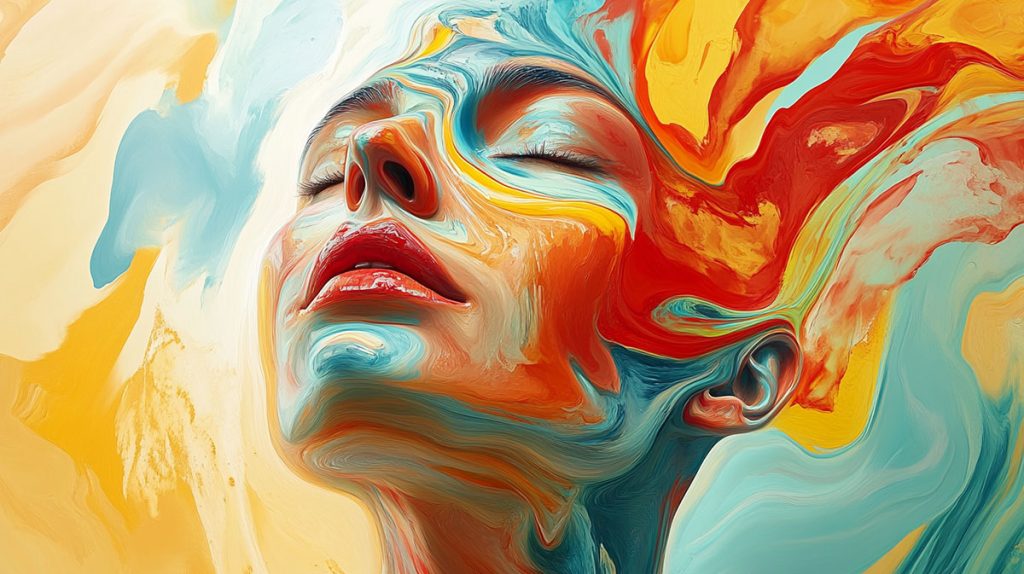
For example, consider the works of Wassily Kandinsky or Jackson Pollock, whose art broke barriers by focusing on the emotional and expressive potential of color and form rather than on accurately portraying the physical world. Kandinsky’s use of vivid, immersive color schemes and Pollock’s revolutionary drip techniques showcase how these artists transcended conventional boundaries to create unique artistic languages. This disregard for tradition encourages not only creators but also viewers to question their perceptions and redefine their understanding of art and self.
4. Emotional Expression through Color and Form
Abstract art is uniquely equipped to serve as a potent channel for strong emotional expression. The use of color and form in this genre is not bound by logic or realism, allowing for an uninhibited exploration of feelings. Through the interaction of hues and shapes, abstract art can convey emotions that might otherwise be challenging to articulate verbally. It becomes a visual language accessible to all, transcending linguistic limitations. Engaging with abstract art empowers individuals to explore their inner emotional landscapes, often leading to moments of epiphany and catharsis.
The therapeutic benefits of engaging with abstract art are well documented. The art therapy field, for instance, often employs abstract techniques to help individuals recognize and process emotions. The calming blues of a Rothko painting can evoke serenity or melancholy, while the chaotic energy of a de Kooning piece might mirror internal conflict. By allowing emotions to manifest visually, people can achieve a clearer understanding of their internal states, facilitating emotional healing.
3. Mindfulness and Presence
Abstract art naturally invites viewers to engage in mindfulness and presence. As individuals observe or create these works, they are encouraged to be fully immersed in the present moment. The non-linear, multihued nature of abstract compositions demands focus, steering the mind away from everyday worries and into a meditative state of pure observation.
This experience of immersion is akin to the mindfulness practices emphasized in cognitive behavioral therapy or meditation, providing a haven from stress and anxiety. As one loses themselves in the layers of an abstract work, the demands of everyday life fade away, replaced by a tranquil awareness and appreciation of the here and now. This temporary reprieve can significantly enhance one’s state of mind and overall mental well-being, offering balance in a fast-paced world.
2. Catalyst for Personal Discovery
Engaging with abstract art serves as a catalyst for personal discovery. Whether through the act of creation or contemplation, individuals often stumble upon revelations about themselves and their experiences. This artistic journey is both introspective and enlightening, as the process of interpreting and crafting abstract forms compels one to delve deeply into their subconscious.
Many artists and art enthusiasts recount transformative experiences borne from encounters with abstract art. For creators, the act of pouring paint to canvas can unearth long-buried emotions and thoughts, leading to greater self-awareness. For viewers, the task of interpreting abstract art’s often ambiguous imagery often mirrors their life’s introspective explorations, prompting questions about identity and purpose.
1. Connection to Community and Shared Experience
Above all, abstract art holds the unique ability to foster a sense of community and shared experience. Art is inherently communicative, and abstract art, with its universal appeal and myriad interpretations, invites interaction and dialogue among diverse groups of people. Exhibitions and art workshops serve as gathering grounds, drawing individuals together to share and debate interpretations, which not only enriches personal experiences but builds social bonds.
This communal aspect of abstract art significantly reduces feelings of isolation, enhancing mental and emotional well-being. By sharing artistic experiences and interpretations, people forge connections that transcend cultural and linguistic barriers. Participating in communal art initiatives, whether through viewing or creating, nurtures a supportive atmosphere ripe for collaboration and empathy, underscoring the power of art as a unifying force in society.
In summary, abstract art profoundly influences personal expression and well-being through its liberation from traditional forms, emotional depth, promotion of mindfulness, catalysts for self-discovery, and ability to foster community connections. Engaging with abstract art, be it through creation or observation, opens avenues for creativity and emotional wellness, contributing to a richer, more fulfilling life. Exploring the abstract realm offers the potential to harness these benefits, presenting an intriguing invitation to embark on a journey of self-discovery and communal engagement.
| Category | Description |
|---|---|
| Emotional Release | Engaging with abstract art allows individuals to explore and articulate deep emotions, often leading to a cathartic experience. This expression of feelings can promote psychological healing and emotional resilience. |
| Mindfulness and Presence | Creating or observing abstract art fosters a state of mindfulness. This practice encourages individuals to immerse themselves in the moment, reducing stress and anxiety while enhancing the sense of well-being. |
| Enhanced Creativity | Participating in abstract art can inspire creativity. This freedom of expression often translates into various aspects of life, leading to new solutions and ideas in both personal and professional realms. |
| Community and Connection | Engagement in abstract art classes or exhibitions can foster a sense of community. Sharing experiences and insights around art can create meaningful connections among individuals, enhancing social well-being. |
Art has a remarkable way of transcending verbal communication. For many, viewing or creating abstract art serves as an interpretation of the unexplainable, reflecting personal thoughts and feelings that may be challenging to articulate. The emotional release experienced through this art form can pave the way for exploring inner conflicts or joy, contributing significantly to personal growth.The meditative quality intertwines with the creative process, allowing individuals to step out of their busy lives and focus solely on creation. This shift not only alleviates stress but also enriches one’s mental landscape.Moreover, abstract art does not demand adherence to rigid rules or techniques, which invites everyone to participate regardless of experience level. This inclusivity cultivates an environment that nurtures self-expression—and in doing so, reveals the unique perspectives of each participant.Exploring abstract art can also lead to enhanced problem-solving skills. As individuals experiment with various forms and colors, they develop an ability to see things from more than one angle, an essential skill in today’s complex world.In summary, the multifaceted benefits of engaging with abstract art—ranging from emotional expression to fostering community connections—make it a valuable endeavor for personal and societal wellness. As the journey continues, one realizes that every stroke, color choice, and composition tells a story waiting to be unearthed.
FAQs About the Impact of Abstract Art on Personal Expression and Well-Being
How does abstract art influence personal expression?
Abstract art allows individuals to express themselves beyond the constraints of traditional art forms. By eliminating realistic representations, it encourages a focus on feelings and ideas, offering a canvas for pure emotional and intellectual exploration. Artists often find that abstract art provides a unique means of conveying complex emotions or concepts that might be difficult to articulate verbally.
Can engaging with abstract art improve mental well-being?
Research has shown that engaging with abstract art can have a positive impact on mental well-being. It encourages mindfulness and reflection, allowing individuals to explore their own emotions and thoughts in a safe and imaginative space. This process can lead to reduced stress, increased self-awareness, and a better understanding of one’s own emotional health.
What are some practical ways to incorporate abstract art into daily life to boost well-being?
There are several ways to incorporate abstract art into your daily routine to enhance well-being. One approach is to start your morning with a few minutes of contemplation on a piece of abstract art, focusing on the colors and shapes to ignite creativity and mental clarity. Additionally, keeping abstract art pieces in your living or working space can serve as a constant source of inspiration and a reminder of the power of creativity.
Why does abstract art provoke different interpretations among viewers?
Abstract art is inherently open to interpretation, lacking the definitive forms and subjects often found in other art styles. This absence of clear context invites viewers to project their own experiences and emotions onto the work. The result is a multitude of personal interpretations, each shaped by an individual’s unique perspective, making abstract art a deeply personal experience.
Is creating abstract art beneficial even for those without artistic skills?
Absolutely. Creating abstract art doesn’t require formal artistic training or skills. It’s about the process rather than the product, allowing individuals to freely express themselves without fear of judgment. Engaging in the act of creation can be a therapeutic and empowering experience, promoting relaxation and a sense of achievement, which contribute positively to one’s overall well-being.
Conclusion
The exploration of Abstract Art and its influence on personal expression and well-being offers profound insights into the realm of creative hobbies. Throughout the article, the connection between abstract art and mental health becomes evident, illustrating how this art form serves as a powerful vehicle for personal self-discovery and emotional release.
We examined how engaging with abstract art can foster a deeper understanding of oneself, providing an outlet for emotions that words often fail to capture. This provides practitioners with opportunities to explore their subconscious and express emotions freely. The importance of creativity as a therapeutic tool cannot be overstated, as it encourages mindfulness and reduces stress and anxiety, forming a pathway to overall well-being.
The Importance for Creative Hobbies
For those involved in creative hobbies, abstract art offers a unique medium to harness the benefits of self-expression, without the constraints of traditional forms. This liberating characteristic empowers individuals to explore art unrestricted by specific guidelines or techniques.
- Encourages freedom of expression
- Promotes relaxation and mental clarity
- Enhances emotional and psychological resilience
- Offers unconventional ways to articulate complex emotions
In conclusion, the relationship between abstract art and personal well-being is symbiotic. As individuals delve into abstract creations, they can achieve a harmonious balance between their inner world and outer expressions. Therefore, it is crucial to recognize abstract art not only as an art form but as a vital component of personal growth and emotional health. Encouraging participation in such projects could open new avenues for improving mental health and enriching lives through the power of creative exploration.
Related posts:
Music and Movement: The Intersection Between Dance and Musical Expression
Music and Mental Health: The Impact of Musical Expression on Well-Being
Music as a Form of Protest and Social Change
Music and Technology: New Frontiers in Musical Expression
How Musical Improvisation Can Enhance Creativity
The Role of Music in Building Creative Communities
Linda Carter is a writer and creative hobbies expert specializing in crafting, DIY projects, and artistic exploration. With extensive experience helping individuals discover their creative potential and bring their ideas to life, Linda shares her knowledge on our platform. Her goal is to empower readers with practical tips, inspiring ideas, and step-by-step strategies for success in the world of creative hobbies.