Fabric Painting: Exploring Application Techniques and Design for Clothing and Accessories
Understanding the Art of Fabric Painting
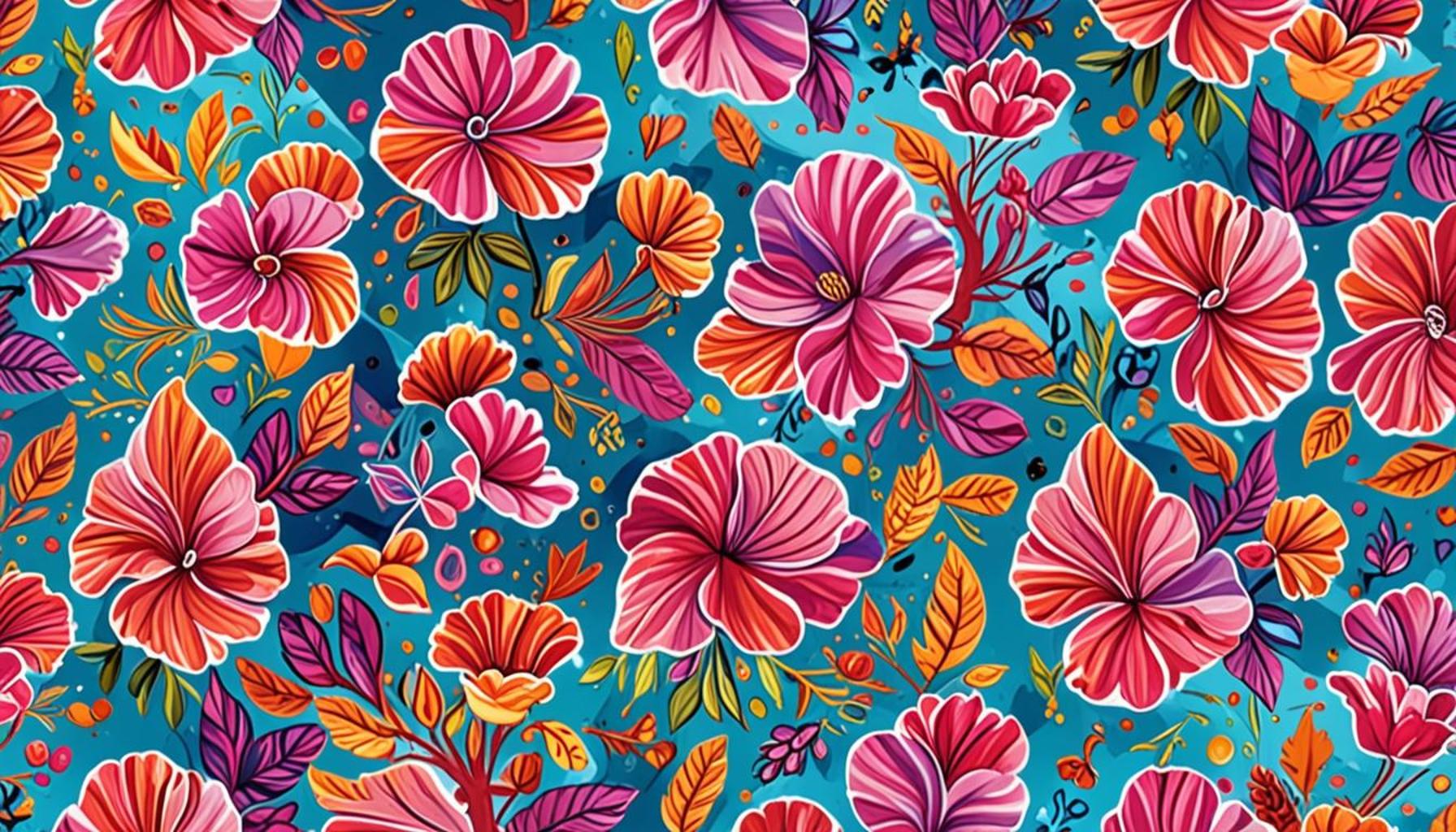
Fabric painting stands as a celebrated intersection of artistry and craftsmanship, reshaping the landscape of personal expression through wardrobes and home decor. This multifaceted technique enables both amateurs and experienced artists to showcase their personalities and style on a canvas as versatile as fabric. Whether it’s a simple T-shirt, a chic tote bag, or a decorative pillow, fabric painting can add a personal touch that mass-produced items simply cannot offer.
Among the plethora of application techniques available, stenciling remains a favorite for its efficiency. Artists deploy pre-cut templates to effortlessly create complex designs, ensuring consistency and precision. This technique is particularly popular for producing repeating patterns, such as floral designs on curtains or geometric shapes on activewear. For those who lean towards spontaneity, freehand painting liberates creativity, allowing for a more organic and improvisational style. This method encourages artists to express emotion and individuality, creating truly unique pieces.
Another intriguing aspect of fabric manipulation is fabric dyeing, which allows crafters to achieve stunning gradient effects and tie-dye patterns. Techniques like ombre and dip-dye have surged in popularity, especially among seasonal fashion trends. Many enthusiasts love how these methods can transform a plain white garment into a vibrant expression of art, making old fabrics feel new again.
Screen printing, on the other hand, is prized for its ability to replicate designs across numerous items with precision. This method is frequently seen in branded merchandise or custom designs for events, showcasing its commercial appeal. From vibrant festival t-shirts to personalized home décor, screen printing provides an efficient way to meet consumer demand without sacrificing quality.
Beyond aesthetics, fabric painting practices dovetail with the global sustainability movement. By tailoring existing clothing through artistic intervention, individuals can significantly minimize textile waste—a pressing issue in the United States, where millions of tons of fabric end up in landfills each year. Eco-conscious consumers are increasingly turning to fabric painting as a way to breathe new life into their wardrobe while adhering to sustainable and ethical practices.
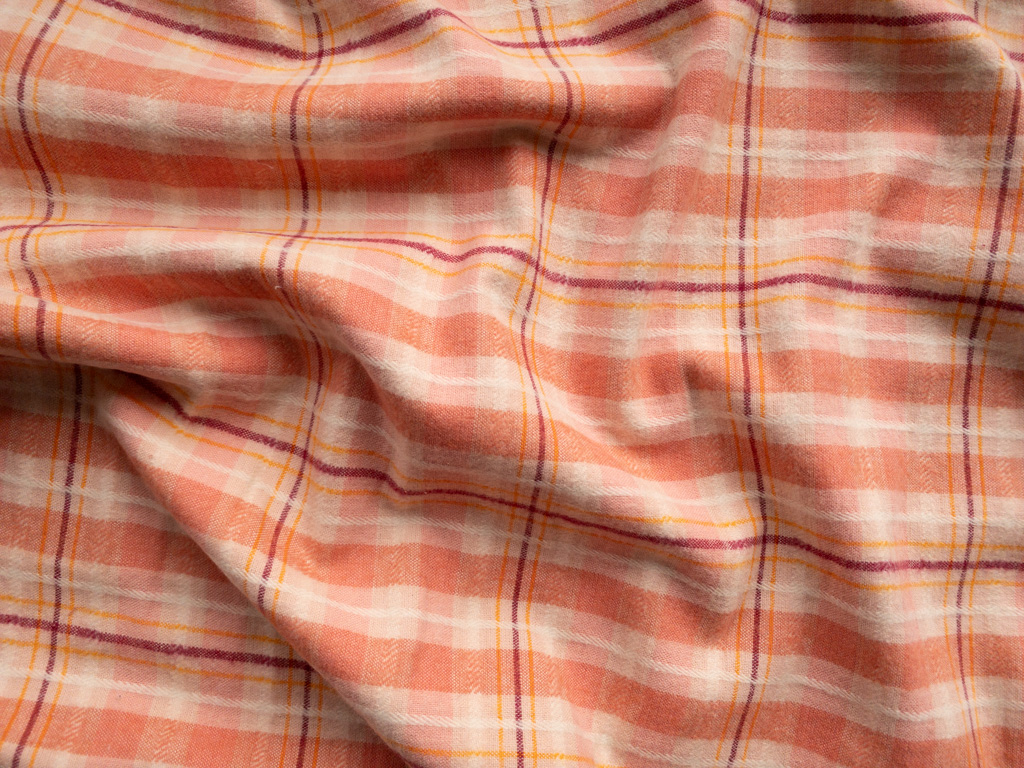
As you immerse yourself in this creative pastime, each brushstroke transitions from mere technique into an storytelling exercise. Whether aspiring to enhance a personal wardrobe or craft delightful gifts for friends, the world of fabric painting invites exploration and limitless possibilities. The journey, with all its intricacies and creative challenges, is just as rewarding as the finished product. For both newcomers and seasoned artists, the avenues to discover and refine fabric painting skills are virtually endless, promising a fulfilling and exhilarating experience.
DISCOVER MORE: Click here for innovative DIY projects
Diving into Application Techniques
As the art of fabric painting continues to capture the imagination of creatives across the United States, understanding the various application techniques is imperative for both novices and experienced artists alike. Each technique offers unique advantages, enabling artists to achieve diverse effects and styles. Below are some of the most popular application methods that have emerged as game-changers in the world of fabric painting:
- Stenciling: This method is invaluable for those seeking precision and uniformity. By placing a stencil over the fabric, painters can apply paint with a brush or sponge. This approach yields clean lines and repeatable patterns, making it perfect for home décor projects like pillowcases or tablecloths.
- Freehand Painting: For artists who thrive on freedom of expression, freehand painting allows the brush to flow unrestricted across the fabric’s surface. This technique invites spontaneity and emotion into pieces, creating one-of-a-kind designs that truly reflect the artist’s vision.
- Fabric Dyeing: Techniques such as tie-dye, ombre, and dip-dye have made a resurgence with a modern twist. These methods utilize dyes to create vibrant gradients and eye-catching patterns. They are particularly popular among fashion enthusiasts wanting to revitalize old garments or inject color into plain items.
- Screen Printing: Commercially favored for its efficiency, screen printing involves pushing ink through a mesh screen to replicate detailed designs. This method is the go-to for businesses producing custom clothing and merchandise, offering high-quality results in bulk.
- Block Printing: An ancient technique seeing renewed popularity, block printing involves carving designs into wooden or rubber blocks, which are then stamped onto fabric using ink. This method effectively produces bold, textured designs reminiscent of traditional textile arts.
Each technique brings its own set of opportunities and challenges, making the exploration of these methods an exciting journey for artists at any level. For instance, those who advocate sustainability in fashion may gravitate towards dyeing and re-imagining old items instead of buying new ones. This ethical approach not only fosters creativity but also contributes to a greener planet, aligning with the values of today’s environmentally conscious consumers.
Moreover, the growing online community dedicated to fabric painting is a treasure trove of resources. Tutorials, workshops, and social media groups provide valuable insights and foster connections among enthusiasts. Whether through video demonstrations on platforms like Instagram or hands-on workshops at local craft stores, artists are gaining the tools and knowledge to refine their skills and share their journeys.
In approaching fabric painting, it is essential to consider the types of fabrics being used. Cotton, linen, and canvas allow for different absorption rates and textures, affecting the final outcome of any design. This variability can inspire creative experimentation, as artists determine what works best for their intended expression and message.
The world of fabric painting is rich with opportunities for self-expression, experimentation, and innovation. By embracing various application techniques, artists can create stunning, personalized statements that stand out in a sea of mass-produced items. As you dive into this art form, remember that the journey is as significant as the destination; each paint stroke reveals a story waiting to be told.
Innovative Techniques in Fabric Painting
Fabric painting offers a myriad of techniques that can transform clothing and accessories into wearable art. This emerging trend allows artists and DIY enthusiasts alike to express their creativity, utilizing both traditional methods and modern innovations. From stenciling to freehand painting, the choices available enable unique interpretations of design. For instance, block printing allows for intricate patterns to be replicated consistently, making it ideal for larger projects. In contrast, brush technique grants more freedom for those looking to infuse vibrancy into their work.
Surface Preparation and Material Choices
Critical to successful fabric painting is the preparation of the surface. Utilizing high-quality fabrics such as cotton, silk, or canvas ensures better adherence of paint and longevity of the design. Additionally, pre-washing fabrics removes any finishes, while heat-setting the final artwork enhances durability, enabling the piece to withstand the test of time and washing.
| Technique | Benefits |
|---|---|
| Freehand Painting | Allows for personal expression and unique designs. |
| Stenciling | Creates consistent patterns, ideal for larger scale projects. |
Incorporating Accessories into Fabric Painting
Aside from clothing, the realm of fabric painting extends into accessories. Bags, sneakers, and hats become personalized masterpieces through paint application. The techniques learned can be adapted, making it easy to turn these everyday items into exclusive fashion statements. Furthermore, this practice not only revamps personal style but promotes sustainability as it encourages the upcycling of existing items.
As fabric painting continues to gain popularity, the potential to explore different mediums, tools, and styles expands, offering endless opportunities for creativity and innovation within the fashion industry. The results are not only visually stunning but also foster individuality in a world that increasingly values personalized self-expression.
DIVE DEEPER: Click here to uncover the world of musical improvisation
Design Considerations in Fabric Painting
Once artists have mastered various application techniques, the next step is to delve into the exciting realm of design. This part of the fabric painting process is where the imagination truly takes flight, allowing for the creation of unique clothing and accessories that express personal style and creativity. Understanding core design principles can elevate the quality and impact of fabric painting projects immensely.
One of the pivotal aspects of design is color theory. Color choices significantly influence a design’s mood and visual appeal. Warm colors like reds, oranges, and yellows can evoke feelings of energy and warmth, while cool colors like blues and greens can instill a sense of calm. Artists often utilize color wheels to experiment with complementary and analogous colors, allowing them to craft color palettes that resonate with their intended message. Popular fabric painting workshops often emphasize the importance of color harmony, enabling creators to draw from a rich palette that enhances their artistic vision.
Additionally, the use of texture and layering adds depth and interest to fabric designs. By incorporating multiple techniques—such as combining stenciled patterns with freehand painting—artists can produce dynamic textiles that catch the eye. Texture can be manipulated through the use of different brushes, sponges, or even materials like sand or salt. These elements combine to create a tactile experience that invites touch, making the finished piece not just a visual masterpiece but also an engaging sensory experience.
As cultural influences continue to shape fashion, many artists are drawing inspiration from traditional patterns and motifs. From tribal designs to floral prints, integrating historical elements into modern fabric painting fosters a sense of connection with diverse cultures. Sustainability adds another layer to this conversation, with artists considering the origins of their influences while championing ethical practices in their work. This cultural awareness creates a dialogue between heritage and contemporary fashion, enriching the landscape of fabric painting.
Functionality Meets Aesthetics
When designing for clothing and accessories, functionality plays a crucial role alongside aesthetics. It is essential to consider how a painted item will be worn and used. For instance, fabric intended for active wear must prioritize durability and flexibility, guiding artists toward selecting specific fabric paints that withstand stretching and moisture. Meanwhile, accessories like bags or hats can leverage more intricate designs, as durability may be less of a concern.
Moreover, incorporating customization into designs has gained traction within the fabric painting realm. Many consumers are drawn to the idea of personalized clothing, seeking out unique pieces that reflect their tastes. This trend has spurred a rise in DIY fabric painting kits, allowing individuals to create custom designs for birthdays, festivals, or special occasions. For entrepreneurs, combining artistic skills with textile customization opens new avenues for business, particularly in online marketplaces such as Etsy and Instagram.
Another significant trend in fabric painting is the movement towards upcycling, encouraging artists to refashion garments instead of disposing of them. This hands-on approach not only promotes environmental sustainability but also provides a creative challenge in transforming the ordinary into the extraordinary. By using fabric painting techniques to revitalize second-hand pieces, artists can create standout fashion statements that tell stories and give new life to overlooked textiles.
In summary, embracing sound design practices while mastering application techniques enhances the artistic journey in fabric painting. As artists navigate this vibrant landscape, they find endless ways to transform their creative visions into wearable art that speaks to both function and individual expression.
EXPLORE MORE: Click here to dive into advanced origami techniques
Conclusion
In the dynamic world of fabric painting, the marriage of application techniques and design principles creates a unique canvas for expression. Artists have the opportunity to harness various methods—from stenciling to freehand painting—as they seek to infuse life into textiles destined for clothing and accessories. Understanding color theory and incorporating elements like texture and layering help elevate these designs, transforming them into visually striking masterpieces.
The cultural narratives woven into fabric painting are equally compelling, as artists draw inspiration from traditional patterns while embracing contemporary influences. This ongoing dialogue between heritage and innovation fosters fresh perspectives and encourages a mindful approach to creativity, particularly with an emphasis on sustainability and upcycling practices. The increasing demand for personalized and unique pieces not only drives individual creativity but also opens new realms for entrepreneurs eager to showcase their craft.
Ultimately, fabric painting is not merely about embellishment; it is about forging connections between the artist, the medium, and the consumer. Each painted piece has the potential to tell a story, celebrate identity, and impact the ever-evolving landscape of fashion. As this vibrant community grows, the exploration of new techniques and designs continues to be a fruitful path for both personal and artistic development. Whether you’re a budding artist or a seasoned creator, diving into the world of fabric painting offers endless possibilities for innovation and self-expression.
Related posts:
Acrylic Painting Techniques: Blending Styles and Textures for Canvas Art
Watercolor Painting: Exploring Blending and Layering Techniques for Stunning Effects
Fabric Stamping Techniques: Personalizing Clothes and Accessories with Style
DIY with Papier-Mâché: Transforming Containers and Decorations with Creativity
Creative Upcycling Transform Recyclable Materials into Art Projects
The Magic of Ceramics: Shaping and Painting Techniques to Create Unique Pieces

Linda Carter is a writer and creative hobbies expert specializing in crafting, DIY projects, and artistic exploration. With extensive experience helping individuals discover their creative potential and bring their ideas to life, Linda shares her knowledge on our platform. Her goal is to empower readers with practical tips, inspiring ideas, and step-by-step strategies for success in the world of creative hobbies.