Exploring the World of Biophilic Design: Innovative Projects for Nature-Inspired Creative Hobbies
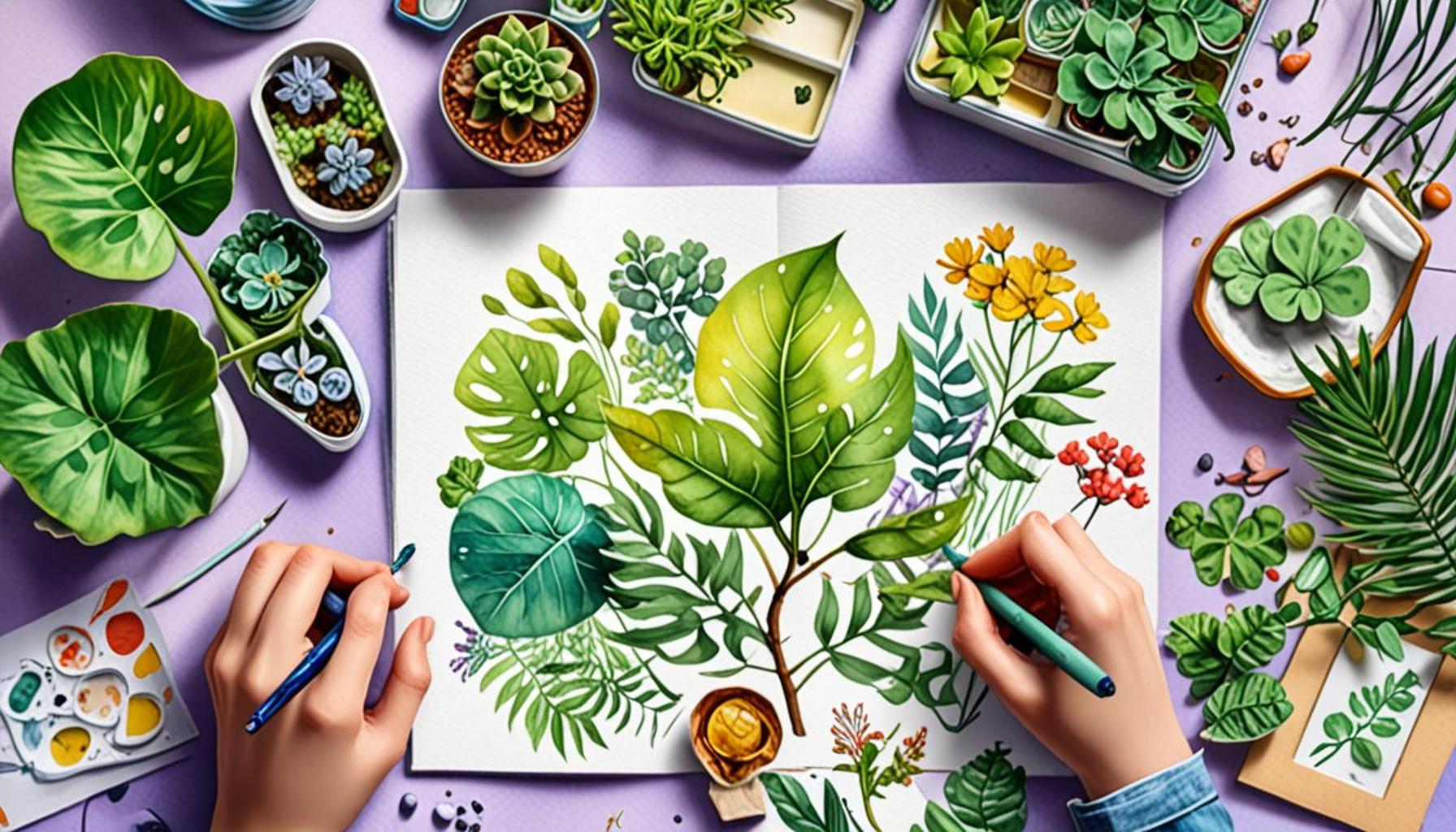
The Power of Nature in Creative Expression
In a world that often feels detached from nature, biophilic design emerges as a beacon of hope. This innovative approach intertwines the natural environment with human creativity, fostering not only aesthetic pleasure but also enhancing well-being. As more people seek ways to reconnect with the outdoors, biophilic design has taken center stage in creative hobbies, leading to a plethora of projects that not only engage the senses but also invite mindfulness and tranquility.
Biophilic design can be found in various creative projects that encourage exploration and inspiration in everyday life. Here are some exciting examples:
- Vertical Gardens: These living walls transform plain surfaces into lush green canvases that breathe life into urban environments. Communities across the United States, from New York City’s High Line to various eco-friendly cafés in Portland, have embraced vertical gardens, making greenery an integral part of their architectural identity. The use of local flora promotes biodiversity and enhances air quality, creating environments that are not only visually appealing but also ecologically beneficial.
- Natural Materials: Artists and creators are increasingly incorporating elements like wood, stone, and clay into their works. Furniture made from reclaimed wood or sculptures carved from local stone exemplify this trend. These materials tell a story of sustainability and respect for nature, allowing the user to feel a tangible connection to the earth. Craft fairs and art shows in regions such as the Midwest feature artists who prioritize using indigenous materials, highlighting the unique characteristics of their local landscapes.
- Nature-Inspired Crafts: The art of creating jewelry or home décor using motifs drawn from nature is gaining momentum. Crafters are utilizing biodegradable or sustainable supplies, such as seeds, leaves, and natural dyes, to create pieces that celebrate the beauty of the natural world. Workshops and classes focus on teaching techniques to dive deeper into this art form, while eco-conscious brands also cater to consumers looking to adorn their lives with sustainable aesthetics.
- Outdoor Installations: Artists are breaking the conventional boundaries by making installations that harmonize with natural settings, such as parks and nature trails. Projects like installations that mimic the flowing forms of rivers or sculptures made from stones found in the local environment engage viewers on multiple sensory levels. These works not only inspire appreciation for nature but also encourage a sense of community and shared experiences among participants.
These projects do more than merely beautify our surroundings; they facilitate a profound connection to the natural world. Research indicates that exposure to nature can significantly reduce stress and increase focus, making such creative pursuits essential in our fast-paced lives. A study published in the Journal of Environmental Psychology found that interacting with natural elements can enhance cognitive functions, reaffirming the necessity of incorporating these elements into our creative processes. As we delve deeper into biophilic design, countless opportunities await for those eager to explore and embrace nature through their creativity. The fusion of art with nature invites us to rediscover our roots and cultivate a more harmonious relationship with the environment, offering a refreshing perspective that will resonate with future generations.
EXPLORE MORE: Click here to unlock your creative potential</
Embracing Nature through Creative Innovation
As the plight of urbanization deepens, many individuals are seizing the opportunity to reintroduce nature into their lives through biophilic design. This holistic approach not only enriches individual creativity but also plays a pivotal role in enhancing emotional health and social connectivity. By intertwining nature with our daily activities, we can foster a greater appreciation for the environment and leverage the benefits it brings to our mental well-being. The advent of nature-inspired creative hobbies acts as a catalyst for this movement, leading to a vibrant exploration of art, architecture, and community projects that echo the rhythms of the natural world.
At the heart of this phenomenon lies the concept of integrating biological elements into creative endeavors, serving as a reminder of our intrinsic connection to the earth. The following examples illustrate how creativity inspired by nature can take shape:
- Community Gardens: Urban dwellers are cultivating community gardens that not only provide fresh produce but also foster connections among neighbors. Projects like the Brooklyn Grange rooftop farm in New York City exemplify how community initiatives can transform urban landscapes into green spaces where individuals can engage with nature and each other. These gardens serve as communal hubs for learning about sustainable practices while contributing to the well-being of residents through gardening activities that emphasize collaboration and creativity.
- Eco-Art Installations: Artists are increasingly creating eco-art installations that utilize natural or recycled materials, encouraging audiences to engage with art that has sustainability at its core. Local artists are leading the charge in cities such as San Francisco, where installations made from discarded plastic waste raise awareness of environmental issues while providing stunning visual experiences. These projects invite spectators to reflect on their relationship with nature and the impact of human activity on the environment.
- Natural Dye Workshops: The revival of traditional methods to create textiles through natural dyes is gaining popularity. Workshops across the United States, particularly in places like Asheville, North Carolina, and Portland, Oregon, teach participants how to extract colors from plants, fruits, and minerals. This process not only connects artisans to the natural world but also promotes sustainable fashion practices and a deeper understanding of color theory derived from nature.
- Artful Pathways: Cities are increasingly incorporating biophilic pathways designed to guide individuals through nature-infused environments. Projects, such as the Atlanta BeltLine, combine walking trails, art installations, and native plants to create a cohesive experience that encourages physical activity while stimulating creativity. These pathways invite exploration and provide an immersive environment where individuals can draw inspiration from scenic viewpoints and natural elements.
Through these artful intersections of creativity and nature, individuals can partake in hobbies that resonate on multiple levels. The beneficial effects of engaging with nature are well-documented, with research highlighting that even brief exposures to natural settings can enhance cognitive functions and reduce mental fatigue. As modern living becomes increasingly frenetic, exploring biophilic design through creative hobbies offers a pathway to rediscover the beauty surrounding us, fostering a sense of accomplishment and contributing to individual and communal well-being.
| Advantages | Innovative Projects |
|---|---|
| Enhanced Well-being | Nature-inspired designs, such as indoor gardens, can reduce stress and improve mood. |
| Sustainable Creativity | Projects that use recycled materials for decor, promoting environmental awareness through art. |
Exploring biophilic design opens up avenues for innovative projects that harness the natural world, turning your creative hobbies into significant forms of self-expression. For instance, weaving plant life into home aesthetics—such as creating a sustainable living wall—can transform any space into an oasis. This interconnection not only fosters creativity but also encourages a deep appreciation for nature. As you engage in such endeavors, your mental well-being is likely to flourish, leading to a more fulfilling creative journey.Harnessing techniques like using reclaimed wood for crafting functional furniture pieces can elevate your skills and provide a unique charm to your creations. Such approaches not only beautify your surroundings but also echo the principles of sustainability. With countless DIY projects available, incorporating biophilic elements into your everyday life is an enriching experience worth exploring further.
DISCOVER MORE: Click here to delve deeper
Nature’s Influence on Interior Design and Home Projects
As the trend of biophilic design continues to grow, it is also making its mark within the realms of interior design and home-based projects. Homeowners and renters are seeking ways to leave behind sterile, cookie-cutter spaces, opting instead for designs that resonate with nature’s textures, colors, and forms. This transformation not only enhances aesthetic appeal but also promotes mental wellness, particularly in a society that increasingly craves balance amidst chaos.
One of the most compelling manifestations of biophilic design is the incorporation of indoor gardens, or living walls, which have gained popularity in urban settings. These vertical gardens utilize space efficiently while allowing residents to cultivate plants indoors. Pioneers such as Green City Solutions have developed solutions with integrated irrigation systems that support a range of plants, making this innovative design suitable even for apartments. The presence of greenery indoors has been shown to improve air quality and elevate mood, thus fostering a harmonious living environment.
Additionally, the rise of natural materials in home decor has been a game-changer for those looking to weave nature into their everyday spaces. From reclaimed wood furniture to organic cotton textiles, these choices not only reduce environmental impact but also imbue homes with warmth and authenticity. Companies like West Elm and Anthropologie are at the forefront of this movement, offering products crafted from sustainable materials that celebrate eco-conscious living while maintaining an artistic flair.
Innovative DIY Projects with a Nature Twist
For those inclined towards hands-on creativity, numerous do-it-yourself (DIY) projects channel biophilic design principles. Crafting plant terrariums, for instance, serves as a captivating way to bring a slice of nature indoors while engaging participants in the nurturing process of plant care. Workshops in cities like Los Angeles and Chicago are springing up, providing eager learners with the knowledge and materials to create their miniature ecosystems. Unlike traditional houseplants, terrariums require minimal upkeep and offer a visually striking experience that can brighten up any space.
Another captivating DIY endeavor involves creating nature-inspired art pieces. Using elements found in nature, such as pressed flowers, twigs, and leaves, individuals can design unique wall hangings or decorations that reflect their personal connection with the outdoors. The resurgence of art classes focused on nature composition—many hosted online—gives aspiring artists the chance to gain insight into techniques that honor the environment, blending sustainability seamlessly with artistic expression.
Innovating with Technology
Moreover, technology has entered the biophilic design dialogue through innovations like augmented reality (AR) apps, allowing users to visualize natural elements in their spaces before committing to them. For instance, applications such as PlantSnap help users identify plants in their surrounding environment, offering an educational lens to any outdoor excursion. This modern approach encourages individuals to engage with the outdoors beyond mere observation, facilitating a deeper connection as they curate their own green spaces at home.
Biophilic design extends beyond simply inviting nature in; it creates a narrative that intertwines the human experience with the natural world. From innovative interior projects to engaging DIY crafts and tech advancements, this approach not only nurtures creativity but also invokes a profound respect for the ecological systems we are all part of. As individuals continue to embrace biophilic design in various facets of life, we can anticipate an awakening to the beauty and benefits of nature-infused living.
DIVE DEEPER: Click here to explore innovative painting methods
Conclusion: Embracing Biophilic Design for a Healthier Future
In a world increasingly detached from nature, biophilic design emerges as a critical remedy, fostering a connection that enriches our living spaces and overall well-being. From the inviting greenery of living walls to the warmth of sustainably sourced materials, the principles of biophilic design promise not just aesthetic benefits, but profound impacts on mental health, creativity, and ecological awareness. Innovative projects, such as DIY terrariums and nature-inspired art, empower individuals to bring a touch of the natural world into their daily lives, transforming mere living spaces into personal sanctuaries of tranquility.
Additionally, the integration of technology, like augmented reality apps, further enhances our ability to connect with nature—providing new avenues for exploration and engagement. This symbiosis between nature and technology illustrates a future where our built environments harmonize with the ecosystems around us. As we continue to embrace biophilic design, we foster not only a renewed appreciation for the beauty of the natural world but also advocate for sustainable living practices that can safeguard these precious resources for future generations.
Ultimately, exploring the world of biophilic design presents an invitation to rethink our surroundings and redefine our relationships with nature. It encourages us to pursue innovation in how we create and inhabit our spaces, ensuring that the spaces we call home reflect the tranquility and balance we seek in our rapidly bustling lives. As interest in biophilic principles grows, the potential for more creative, healthier lifestyles becomes not just a possibility, but an evolving reality.
Related posts:
Crafting with Purpose: Innovative Community Projects that Promote Social Change through Creative Hob...
The Maker Movement: How 3D Printing is Revolutionizing Creative Hobbies
Technology and Creativity: How to Use 3D Printers in Artistic Hobbies
Sustainable Creative Hobbies: Innovative Projects Using Recycled Materials
The Art of Digital Storytelling: Innovative Projects Merging Literature and Multimedia
Unlocking Creativity: Innovative Upcycling Projects for Home Decor

Linda Carter is a writer and creative hobbies expert specializing in crafting, DIY projects, and artistic exploration. With extensive experience helping individuals discover their creative potential and bring their ideas to life, Linda shares her knowledge on our platform. Her goal is to empower readers with practical tips, inspiring ideas, and step-by-step strategies for success in the world of creative hobbies.