Exploring the Art of Upcycled Fashion: Innovative Projects for Sustainable Style
Understanding Upcycled Fashion
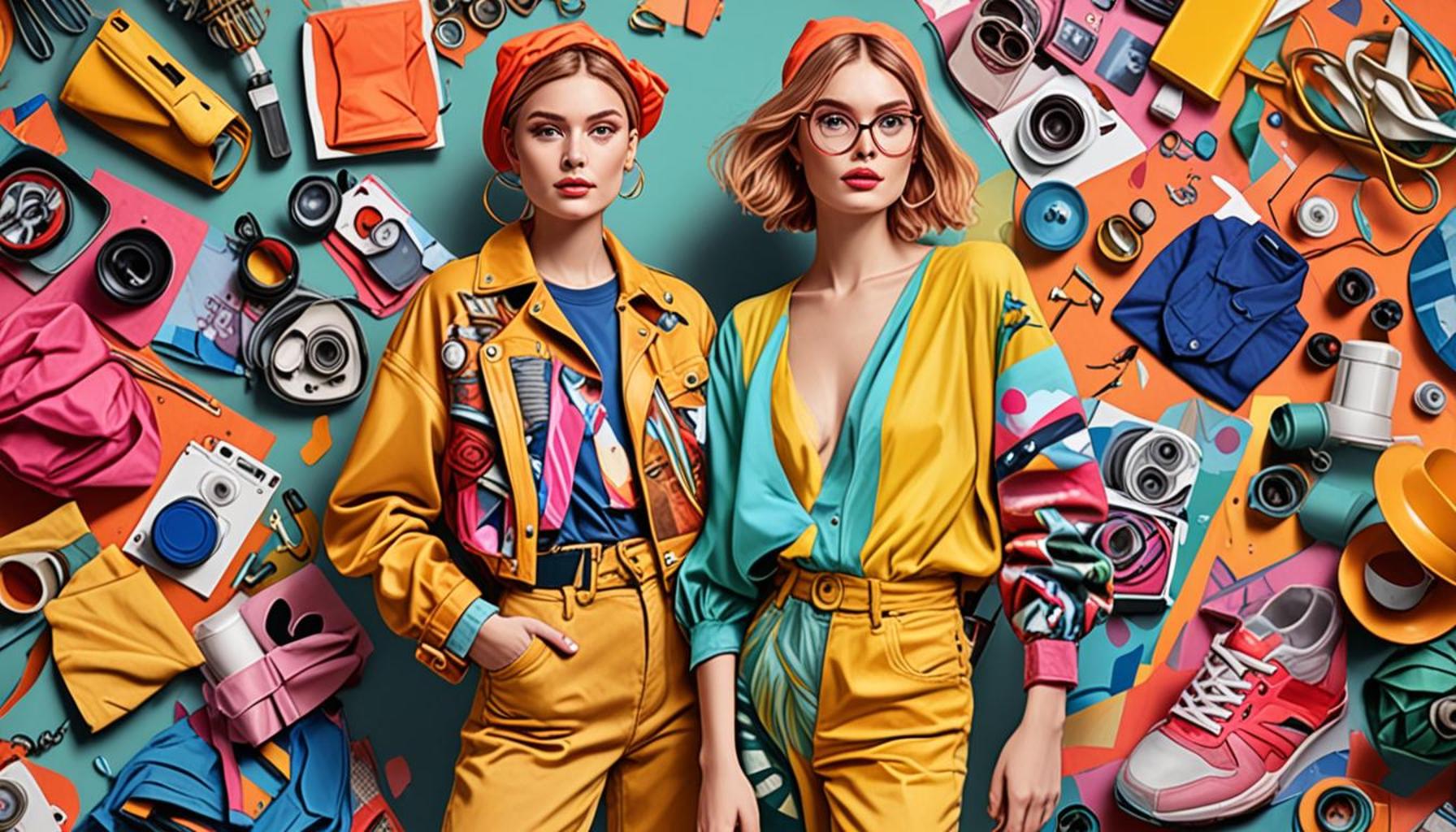
In recent years, the fashion industry has faced increasing scrutiny for its environmental footprint. The phenomenon of upcycled fashion is now at the forefront of a movement designed to address this concern while providing a canvas for unbridled creativity. This practice invigorates old materials, allowing for the rebirth of garments that combine sustainability with style, thus reshaping our interactions with the clothes we wear.
Creative Projects that Inspire
Numerous designers and independent artists are pioneering projects that exemplify the potential of upcycling. For example, the fashion label Reformation often takes vintage or leftover fabrics and crafts them into stylish dresses that appeal to modern sensibilities. Similarly, brands like Patagonia have successfully launched initiatives that encourage customers to return used clothing for refurbishment, thus creating a circular economy. By transforming what would otherwise be waste into fashionable items, these creators not only cultivate an eco-conscious ethos but also highlight the importance of originality in an industry often dominated by uniformity.
The Charm of Unique Styles
The beauty of upcycled fashion lies not just in its sustainability but also in the unique styles it offers. Each upcycled piece often tells a story—take, for instance, a jacket made from patches of various thrifted denim jeans. Such garments resonate with the wearer’s personality, offering a stark contrast to the mass-produced clothing that floods retail stores. In communities like Portland, Oregon, local artisans have taken to creating one-of-a-kind accessories from remnants of commercial fabric. Marketplaces showcase these items, allowing individuals to support local businesses and celebrate the arts. This personalization not only adds sentimental value but also instills a sense of pride in wearing something that stands apart from conventional fashion.
The Environmental Impact
In the United States alone, an estimated 92 million tons of textile waste is produced each year. Upcycling presents a tangible solution to this pervasive problem. By reducing the demand for new materials, it lessens the strain on natural resources and minimizes pollution associated with production. One striking example is the transformation of plastic bottles into fashionable, sustainable fabrics utilized by various outdoor apparel brands. This innovative approach not only helps manage waste but also raises awareness about sustainability practices among consumers.
As we explore the compelling narratives woven into the fabric of upcycled fashion, we invite you to not only appreciate the artistry involved but also to ponder your own role in fostering an eco-friendly clothing culture. Each piece crafted through upcycling serves as a reminder that we can collectively champion sustainability while embracing our unique styles. By delving into this vibrant world, enthusiasts can redefine their fashion choices, embodying a lifestyle that values creativity and responsibility.
Are you intrigued by the stories of transformation within the realm of upcycled fashion? Join the movement, and let’s discover how each of us can integrate sustainable practices into our everyday wardrobes!
DISCOVER MORE: Click here to dive into creative recycling tips!
Innovative Upcycling Techniques
Exploring upcycled fashion opens a gateway to a diverse range of innovative techniques that redefine the way we perceive clothing. Designers and creators are utilizing their craft to transform discarded materials into unique pieces that resonate with both sustainability and style. Some of the most captivating techniques include:
- Patchwork Design: This technique involves stitching together various leftover fabrics to create visually striking garments. By integrating different prints, textures, and colors, designers produce one-of-a-kind looks that are as eclectic as they are stylish.
- dyeing and Printing: Utilizing natural dyes derived from plants and food waste, artisans are creating unique hues and patterns on upcycled fabrics. This not only reduces reliance on synthetic dyes but also results in garments that retain their own distinct identity.
- Reconstruction: Transforming existing garments into something entirely new is a hallmark of upcycling. For example, an oversized shirt can be reshaped into a chic crop top or a dress can be seamlessly altered to feature a modern silhouette, breathing new life into tired pieces.
- Accessorizing with Scrap: Small cut-offs and remnants from larger fabric projects are perfect for crafting accessories such as bags, jewelry, and headbands. These pieces, often made from unexpected materials, reflect the ingenuity of the creator and can serve as conversation starters.
These innovative projects emphasize not just the beauty of repurposing materials but also the artistic skills of those behind them. One inspirational example is the brand Eileen Fisher, which has implemented a take-back program allowing customers to return worn items. The company then reimagines these garments into new products, supporting a closed-loop system that reinvents fashion consumption.
Community Engagement Through Upcycling
Beyond individual artistry, upcycled fashion has cultivated a powerful sense of community. Workshops and events dedicated to upcycling are emerging across the United States, inviting participants to explore their creativity in a hands-on manner. These gatherings not only teach important skills but also encourage collaboration among locals who share a passion for sustainability.
Local organizations like Fashion Revolution organize events such as upcycling challenges and swap meets that not only promote awareness about textile waste but also foster connections between designers and consumers. By participating in these activities, individuals can witness firsthand the impact of their contributions towards sustainable fashion, while discovering a new way to express their unique style.
As we delve further into the realm of upcycled fashion, we recognize its multifaceted approach combining artistry and environmental considerations. From the ingenious techniques employed to the community spirit it fosters, upcycled fashion serves as a platform for individuals to make meaningful choices in their clothing consumption. Those drawn to creativity and sustainability will find an abundance of inspiration in the projects emerging from this evolving sector.
Upcycled fashion is a captivating intersection of creativity and sustainability that transforms discarded materials into fashionable garments and accessories. As consumers become increasingly aware of the environmental impact of fast fashion, the demand for innovative solutions has surged. In this vibrant realm, designers and DIY enthusiasts alike embark on a thrilling journey to redefine style while reducing waste.Consider the charm of upcycled denim, where old jeans can be crafted into trendy tote bags or chic patchwork skirts, merging functionality with flair. Notably, this approach significantly conserves resources, as it repurposes materials that would otherwise contribute to landfill overflow. By embracing upcycled fashion, individuals not only enjoy unique pieces that tell a story but also champion sustainability, making a powerful statement against environmental degradation.Moreover, the rise of online platforms and social media has bolstered communities dedicated to upcycled fashion. These platforms encourage sharing tips, tutorials, and inspiration, fostering a collaborative spirit. Local workshops also play a vital role in teaching sewing skills and creative techniques, empowering others to dive into this rewarding craft. Each project not only celebrates personal creativity but also advocates a collective movement towards conscious consumerism.As the trend evolves, materials include everything from vintage fabrics to industrial waste, expanding the possibilities for design. Upcycled accessories, such as jewelry made from salvaged metal or repurposed clothing fragments, further exemplify the innovation within this niche. These unique items often carry a rich backstory, inviting conversations and heightening the emotional connection wearers have with their wardrobe.Overall, exploring the art of upcycled fashion transcends mere aesthetics. It is an invitation to engage with the environment, inspire local economies, and embrace a more sustainable lifestyle. By incorporating these principles into our daily choices, we can make meaningful strides toward a more ethical and stylish future. In light of these captivating insights, check out below the table highlighting the advantages of upcycled fashion, its categories, and the benefits it offers:
| Category | Advantages |
|---|---|
| Creative Design | Upcycled fashion allows for unique, one-of-a-kind pieces that cannot be replicated. |
| Environmental Impact | Reduces waste and promotes a more sustainable fashion industry. |
This table highlights just a glimpse of the varied categories and advantages that upcycled fashion offers. By exploring innovative projects, you contribute to a global movement towards sustainable style, proving that fashion can indeed be both beautiful and environmentally responsible.
DISCOVER MORE: Click here to dive deeper
Upcycled Fashion in the Retail Landscape
The rise of upcycled fashion is dramatically reshaping the retail landscape, challenging traditional production methods and consumer habits. More than just a niche market, upcycled fashion is making significant strides in mainstream retail with an ever-growing number of brands embracing sustainability through innovative practices. Retail giants and independent designers alike are harnessing the potential of upcycling to forge a path toward a more sustainable future.
One notable trend is the collaboration between established brands and independent upcycle designers. Notably, Patagonia, a leader in sustainable outdoor apparel, has collaborated with artists and creatives to produce limited edition collections made from recycled materials. This initiative not only celebrates individual creativity but also emphasizes the broader impact of upcycling on reducing textile waste, echoing the sentiments of many eco-conscious consumers.
Moreover, retailers are increasingly adopting transparency in their production processes, allowing consumers to trace the lifecycle of their garments. Brands like Reformation are at the forefront of this movement, disclosing the environmental footprint of their garments while promoting practices like upcycling. Their unique approach reinforces the importance of consumer awareness, enabling customers to make informed decisions as they shop.
Educational Initiatives and Awareness Campaigns
In conjunction with product innovation, educational initiatives play a crucial role in promoting upcycled fashion. Fashion schools across the United States are incorporating sustainability into their curricula, encouraging aspiring designers to think critically about the lifecycle of textiles and the importance of upcycling. Through these programs, students learn not only technical skills but also the environmental and social implications of their craft.
Additionally, organizations like Eco Warrior Princess spearhead awareness campaigns aimed at educating consumers about the benefits of upcycled fashion. Social media platforms serve as a powerful tool for these initiatives, amplifying messages about sustainable practices and inspiring followers to reconsider their relationship with fashion. Influencers and advocates within the sustainable fashion community often share tutorials, tips, and resources that highlight the versatility and creativity of upcycling, making it more accessible to the public.
Moreover, community thrift shops and second-hand stores are tapping into the upcycling trend by hosting workshops that teach patrons how to breathe new life into pre-owned clothing. Events like “Sew and Sip” nights invite participants to bring in old garments and transform them under the guidance of skilled artisans—all while enjoying a relaxing evening with friends. This combination of creativity and camaraderie fosters a supportive environment that inspires a collective movement toward a sustainable wardrobe.
As upcycled fashion continues to evolve, the blend of artistry, environmentalism, and community engagement reveals an exciting landscape of possibilities. With innovation at its core, the focus on sustainability nurtures a culture where fashion is not merely consumed but reimagined and repurposed, creating a vibrant tapestry of style that challenges conventional norms.
DISCOVER MORE: Click here for innovative DIY projects
Conclusion
In conclusion, upcycled fashion represents a transformative movement within the fashion industry, intertwining creativity and sustainable practices that resonate with a growing demographic of eco-conscious consumers. As both major retailers and emerging designers embrace this innovative approach, they break away from traditional production methods, showcasing not only the potential for remarkable style but also the importance of reducing environmental impact. The collaborations, such as those seen with Patagonia, highlight the collaborative spirit of upcycling, blending artistry with sustainability.
Moreover, the push for transparency in production processes by brands like Reformation signifies a wider shift toward accountability in the retail landscape. As consumers become more informed, they are empowered to make decisions that reflect their values, thereby nurturing an environment that champions ethical fashion. Educational initiatives and community participation, such as workshops and social media campaigns, further amplify the significance of this movement, encouraging individuals to embrace their creative potential while fostering sustainable habits.
Ultimately, the art of upcycled fashion is more than a trend; it is a call to reimagine our relationship with clothing and consumption. As we explore innovative projects that prioritize sustainability, we not only challenge conventional norms but also cultivate a stylish future infused with responsibility. By engaging with upcycled fashion, we invite both personal expression and a collective commitment to a healthier planet, highlighting that style can indeed coexist with environmental stewardship.
Related posts:
Creating Interactive Educational Kits: Innovative Projects to Inspire Young Makers
Sustainable Creative Hobbies: Innovative Projects Using Recycled Materials
The Art of Digital Storytelling: Innovative Projects Merging Literature and Multimedia
Collaborative Creative Hobbies: Building Community Through Innovative Group Projects
Exploring Sustainable Art Projects: Creating Beauty from Recycled Materials
Master Advanced Origami Unveil Techniques for Paper Sculpture Art

Linda Carter is a writer and creative hobbies expert specializing in crafting, DIY projects, and artistic exploration. With extensive experience helping individuals discover their creative potential and bring their ideas to life, Linda shares her knowledge on our platform. Her goal is to empower readers with practical tips, inspiring ideas, and step-by-step strategies for success in the world of creative hobbies.