Exploring Sustainable Art Projects: Creating Beauty from Recycled Materials

The Transformative Power of Sustainable Art
Across the globe, artists are harnessing the power of creativity to transform waste into stunning masterpieces. Sustainable art projects shine a light on the importance of recycling while showcasing the incredible possibilities that can emerge from discarded materials. This movement not only highlights environmental consciousness but also inspires communities to rethink their relationship with consumption, ultimately fostering a culture of sustainability.
One of the hallmark features of sustainable art is the creativity involved in repurposing everyday items. Artists have been known to gather materials that would typically end up in landfills, such as plastic bottles, old tires, and metal scraps, and breathe new life into them. For example, renowned American artist Tyree Guyton revitalized the streets of Detroit with his Heidelberg Project, which uses abandoned houses and urban debris as a canvas to create a mosaic of art that encourages community pride and awareness of urban decay.
Furthermore, sustainable art project promotes heightened awareness of environmental issues through a compelling form of visual storytelling. Artists effectively capture attention and emotions, communicating vital messages about climate change, pollution, and the beauty of nature. Christo and Jeanne-Claude, famous for their large-scale environmental works such as “The Gates” in Central Park, utilized their art to draw attention to the impact of human interaction with the environment, sparking discussions about preservation and the transient nature of life.
Another significant aspect of sustainable art is community involvement in collaborative projects. Local artists often work alongside residents to create installations that reflect community identity and shared values while promoting recycling initiatives. Projects like the Trash the Dress campaign, where participants create art from wedding dresses slated for disposal, emphasize both personal stories and larger societal issues, encouraging discussions about waste and the significance of memory.
From whimsical sculptures made of plastic waste to intricate quilts assembled from fabric scraps, these artistic endeavors challenge conventional perceptions of beauty. Artists such as Elisa Insua who utilizes ocean debris to create stunning installations raise awareness about marine pollution, while Holly Wren Spaulding crafts unique pieces from upcycled wood, turning neglected items into valuable art. These artworks not only elevate discarded materials but also provoke vital conversations about their origin and potential reuse.
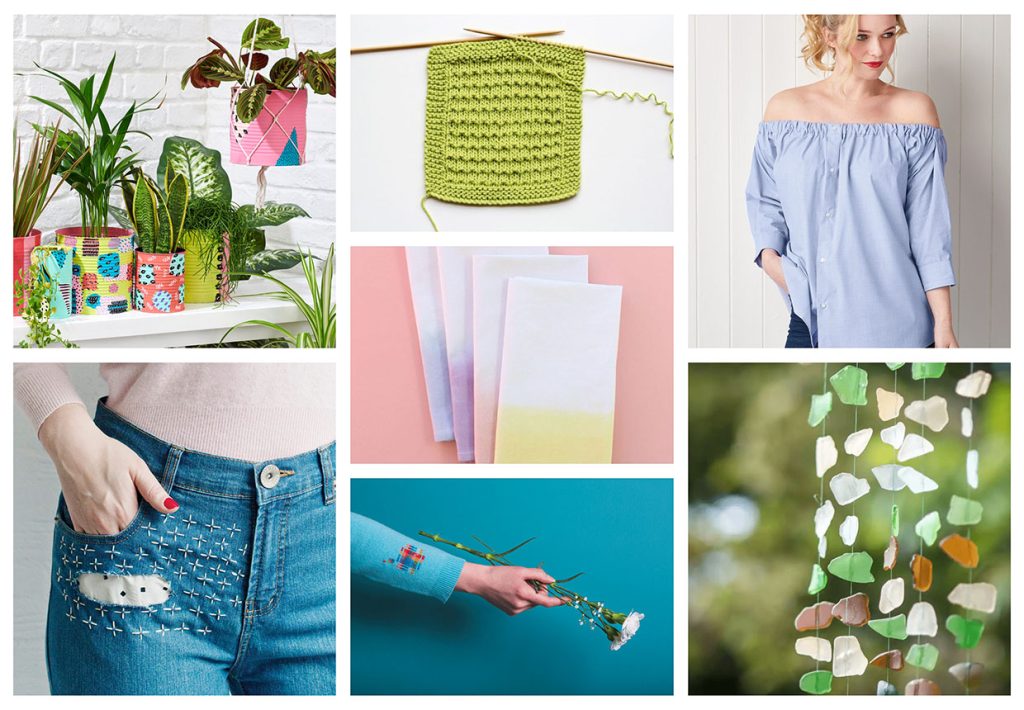
As awareness of climate change intensifies, sustainable art projects in the United States serve as both a call to action and a source of inspiration. By exploring this vibrant movement, you will discover profound tales of renewal, reminding us that even the most unassuming materials can become powerful symbols of artistic expression. Engaging with these projects offers insight into the innovative solutions artists provide, encouraging us all to see the beauty in our waste and the potential for rebirth in our consumption habits.
DISCOVER MORE: Click here for seasonal DIY decor ideas!
Reimagining the Ordinary: The Art of Recycled Materials
In a world increasingly burdened by waste, sustainable art projects emerge as a beacon of hope, showcasing the beauty found in the ordinary and discarded. Artists are not only creating visually stunning pieces but are also urging society to confront its waste generation habits and reimagine the potential tucked away in everyday items. By repurposing materials that would otherwise clutter landfills, these artists spark a movement that emphasizes creativity, passion, and awareness.
At the core of projects centered on recycled materials is the idea of innovation. Artists around the United States are stepping beyond traditional mediums, finding inspiration in items that often go unnoticed. Here are several materials being transformed through sustainable art:
- Plastic Waste: From bottles to shopping bags, plastic has been a favorite material for artists like Pablo Valencia, who creates intricate sculptures that highlight the impact of pollution on marine life.
- Wood Scraps: Many artists are embracing reclaimed wood, transforming old furniture and construction debris into contemporary art pieces. Holly Wren Spaulding exemplifies this movement with her beautifully crafted sculptures that tell stories of memory and loss.
- Textiles: Old clothes and fabric remnants serve as the foundation for mixed media artists who stitch narratives around waste and consumerism. Artists like Elisa Insua utilize fabric scraps to weave together compelling installations that challenge the perception of beauty.
- Metals and Electronics: Discarded metal scraps and electronics are also common in sustainable art. They offer a unique texture and structural possibility, allowing artists to push the boundaries of conventional forms.
One compelling example of sustainable art can be found in the public art installation “Ocean Voyages Institute”, spearheaded by artist Mary Crowley. This project involves the collection of debris from the ocean to create an impactful visual representation of the stark reality of plastic pollution. The installation serves as a striking reminder of the pervasive issue and urges viewers to consider the environmental implications of their consumption habits.
Sustainable art projects also foster a sense of community engagement, transforming the act of creation into a collective experience. Through workshops and collaborative installations, communities come together to not only learn about the environmental impact of waste but also express their cultural identities. Initiatives like the Urban Art Projects in major U.S. cities aim to unite diverse neighborhoods, encouraging residents to share their stories through environmentally conscious art. This not only cultivates community pride but also grounds the message of sustainability in relatability and shared values.
Engaging with sustainable art does more than just present an aesthetic experience; it cultivates a profound understanding of environmental responsibility. By inviting artists and communities to showcase their ingenuity, these projects lay the groundwork for a future where creativity and sustainability go hand in hand. The stories told through these endeavors serve as both warning and inspiration, reminding us all that beauty can emerge from even the most unexpected materials.
Exploring Sustainable Art Projects: Creating Beauty from Recycled Materials
Sustainable art projects not only elevate the beauty of our surroundings but also promote a more ecological mindset. Artists around the world are turning to recycled materials as a primary resource, transforming what would be waste into stunning pieces of art. This practice not only fuels creativity but also helps draw attention to the issue of waste management in our society.Moreover, integrating recycled materials into art encourages community participation. Workshops and collaborative projects often invite individuals to bring their own discarded items, promoting a collective effort towards sustainability. This involvement not only raises awareness but also connects people to the artistic process, fostering a deeper appreciation for art and its potential impact on the environment.Another key aspect of these projects is educational outreach. Many artists are now using recycled materials in their work to educate young people on the importance of sustainability. Through school programs and public installations, they are providing valuable lessons about conservation, creativity, and the benefits of rethinking our consumer habits.Ultimately, exploring sustainable art projects transcends mere aesthetics; it is about crafting a narrative that encourages reflection, inspires change, and transforms our understanding of beauty in everyday life.
| Advantages of Sustainable Art | Impact on Society |
|---|---|
| Creative Expression | Unlocks new artistic potentials through innovative reuse. |
| Environmental Awareness | Highlights pressing environmental issues, encouraging proactive behavior. |
Engagement with sustainable art practices profoundly influences not just artists but communities as a whole, making art a powerful vehicle for environmental advocacy and prompting viewers to reconsider their relationship with waste.
DIVE DEEPER: Click here to discover innovative DIY projects
Collaboration Across Mediums: The Future of Sustainable Art
The innovative world of sustainable art is not confined to individual expression; it thrives in collaboration. Artists from various backgrounds are increasingly joining forces, pooling their unique skills to devise interdisciplinary projects that make powerful statements about environmental conservation. This synergy enhances the aesthetic appeal of their work while amplifying the message about waste and sustainability, demonstrating the potency of teamwork in driving social change.
One notable example is “The Circular Project”, an artistic collaboration in which artists and designers come together to explore the concept of a circular economy. Each participant contributes recycled materials, crafting works that embody the principles of reuse and sustainability. By blending their styles, they create cohesive installations that challenge viewers to rethink their understanding of consumerism and waste. This project serves as a testament to how collaboration can yield innovative solutions that surpass individual capabilities, effectively engaging audiences and raising awareness.
A focal point of sustainable art lies in its potential to influence education and outreach. Educational initiatives tied to art projects are becoming increasingly popular, aiming to instill a culture of sustainability in younger generations. For instance, “Art for Earth” is a program that offers workshops in schools across the U.S., allowing students to create art from recycled materials. These sessions not only nurture creativity but also promote an understanding of recycling’s importance in environmental protection. Through such initiatives, children learn valuable lessons about waste management and environmental stewardship, giving rise to a new generation passionate about sustainability.
Moreover, the impact of social media cannot be overlooked in the realm of sustainable art. Platforms such as Instagram and Pinterest have transformed how artists share their work, allowing them to reach global audiences and inspire viewers to adopt eco-conscious practices. Artists like Angela Glajcar, who utilizes Instagram to highlight her vibrant installations composed of upcycled materials, exemplify this phenomenon. Her posts not only portray her artistic journey but encourage followers to reconsider their own waste habits. The accessibility of these platforms fosters a sense of community among artists and eco-enthusiasts alike, creating spaces for dialogue and ideas that further emphasize the value of sustainability in art.
As sustainable art continues to gain momentum, it is worth noting the role of grants and funding initiatives aimed at supporting these projects. Organizations such as Creative Capital and the Pew Center for Arts & Heritage provide essential financial backing to artists dedicated to eco-friendly practices. These funds help artists develop projects that engage with local communities while addressing pressing environmental issues. As public interest in sustainability grows, these funding opportunities will undoubtedly encourage more creators to explore how they can make a meaningful impact through their art.
Ultimately, sustainable art projects resonate beyond the realm of aesthetics; they act as catalysts for broader discussions about environmental issues, community engagement, and artistic innovation. By bridging gaps between various disciplines, fostering educational outreach, and leveraging modern technology, we stand on the brink of a vibrant movement that celebrates creativity while advocating for the planet. Through these sustainable art projects, the potential for beauty, awareness, and action is limitless, inviting everyone to join in the creative revolution that shapes the future of art and our environment.
DISCOVER MORE: Click here to create art from recyclables
Conclusion
As we delve into the captivating world of sustainable art, it becomes evident that these projects transcend mere creativity; they embody a movement aimed at fostering environmental awareness and inspiring societal change. The utilization of recycled materials not only offers a means of artistic expression but also serves as a powerful commentary on consumerism and waste. Artists embracing sustainability harness their creativity to challenge conventional notions, inviting audiences to engage in meaningful conversations around ecology.
Through collaborative initiatives, educational programs, and the reach of social media, sustainable art is more accessible than ever. Projects like “The Circular Project” exemplify the dynamic interplay of artistry and eco-consciousness, reminding us of the beauty that can arise from what would otherwise be discarded. As demonstrated by community endeavors such as “Art for Earth,” young minds are being shaped with values centered on sustainability, preparing them to champion environmental protection in the future.
Furthermore, the role of funding and support organizations is essential in propelling this movement forward. By investing in sustainable art projects, we lay the groundwork for innovative solutions that can tackle pressing environmental challenges. As the discourse surrounding climate change intensifies, artists and audiences alike are called to action, with sustainable art serving as a catalyst for broader environmental engagement.
In conclusion, exploring sustainable art projects reveals an exciting realm ripe with potential. Together, we can create beauty from recycled materials while fostering a deeper understanding of our environment. As we witness this artistic revolution, we are reminded that art has the power to shape the future, encouraging a harmonious relationship between creativity and sustainability. Let us embrace this journey towards a greener planet, one artistic expression at a time.
Related posts:
Digital Art Therapy: Innovative Projects Combining Creativity and Mental Health Benefits
Collaborative Creative Hobbies: Building Community Through Innovative Group Projects
Technology and Creativity: How to Use 3D Printers in Artistic Hobbies
Art Meets Science: Innovative Creative Hobbies That Combine Artistry with Scientific Principles
The Future of Home Gardening: Innovative Hydroponic Projects for Urban Dwellers
Creating Interactive Educational Kits: Innovative Projects to Inspire Young Makers

Linda Carter is a writer and creative hobbies expert specializing in crafting, DIY projects, and artistic exploration. With extensive experience helping individuals discover their creative potential and bring their ideas to life, Linda shares her knowledge on our platform. Her goal is to empower readers with practical tips, inspiring ideas, and step-by-step strategies for success in the world of creative hobbies.