Exploring Musical Improvisation as a Form of Creative Freedom and Self-Expression
The Marvels of Musical Improvisation
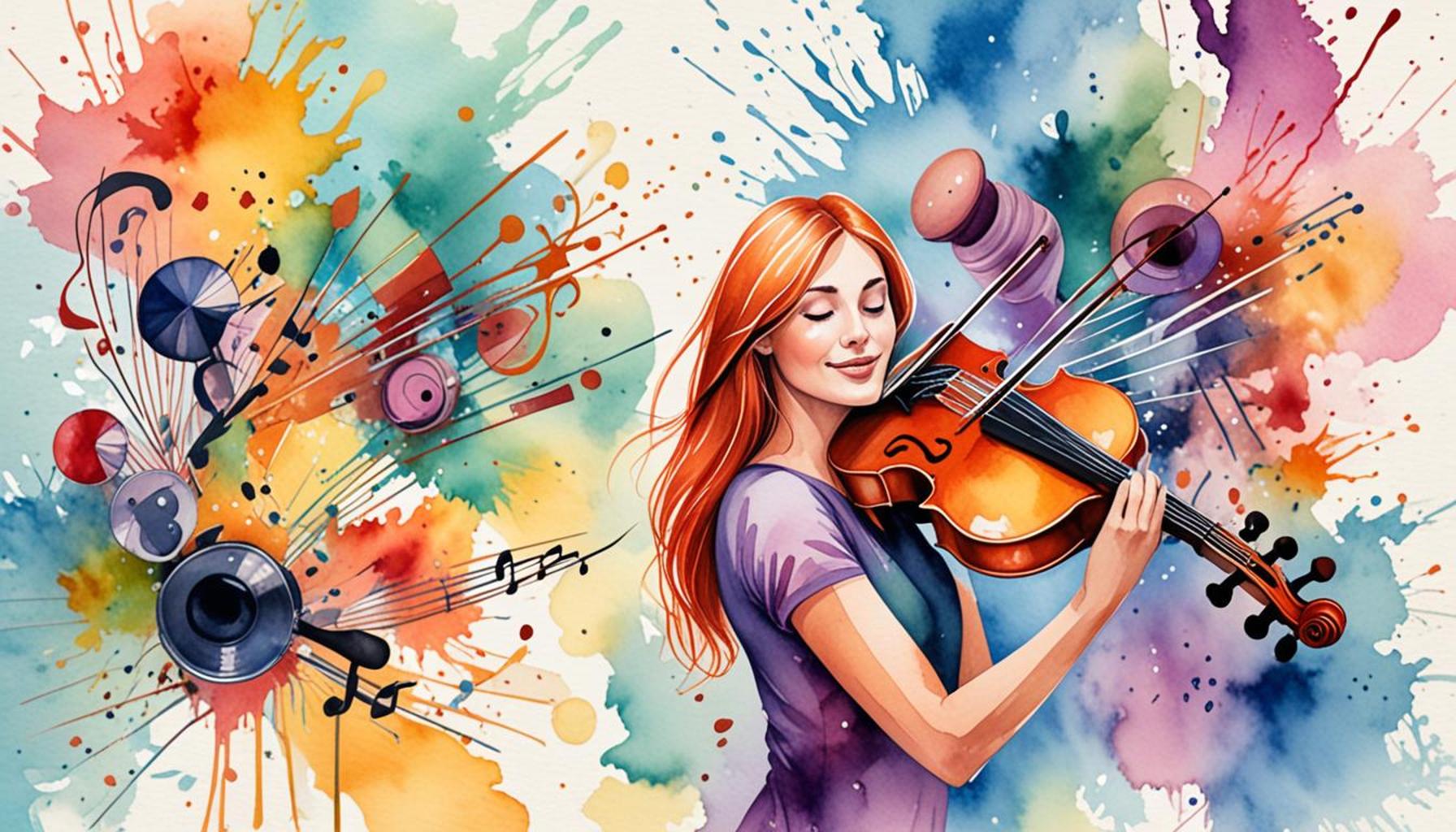
Musical improvisation is not merely a technique; it is a profound expression of creativity that transcends the conventions commonly found in structured compositions. It serves as a powerful conduit for self-expression and an exploration of creative freedom. When musicians engage in this spontaneous act of creation, they often find themselves tapping into their deepest emotional and artistic wells, leading to unique experiences that are both personal and universal.
Diverse Forms of Improvisation
Improvisation can manifest in numerous genres, each with distinct characteristics and cultural significance. For instance, in jazz, musicians frequently craft intricate solos, transforming a standard melody into a personal statement that reflects their style and emotional state. This practice not only showcases their technical prowess but also their ability to communicate through sound. Notable artists like Miles Davis and John Coltrane are revered for their innovative improvisations, which have left indelible marks on the genre.
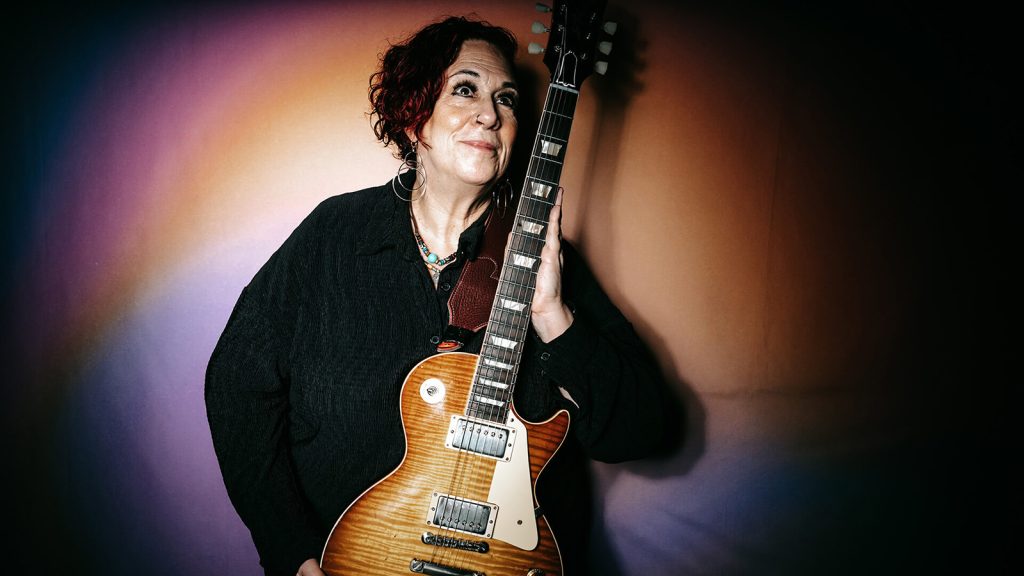
In the blues genre, the improvisational elements are deeply rooted in emotional expression. Musicians often create expressive guitar riffs and poignant vocal lines on the spot, drawing on personal experiences and cultural narratives. This create-as-you-go approach resonates with listeners, forging a connection steeped in shared human experiences.
Even within classical music, improvisation holds historical significance. Composers like J.S. Bach were known for their ability to improvise complex passages during performances, illustrating that the tradition of spontaneous composition runs deep, even in seemingly rigid genres. The ability to improvise was seen as a hallmark of a skilled musician in baroque and classical periods.
World music offers yet another dimension to improvisational practices. Unique cultural expressions become a playground for musicians to experiment with traditional sounds, creating a rich tapestry of auditory experiences. From African drumming patterns to Indian classical music’s raga improvisations, these performances showcase the diverse ways in which cultures interpret and celebrate creativity.
Connection Between Artist and Audience
The dynamic nature of improvisation fosters a profound connection between the artist and their audience. As musicians weave their spontaneous narratives, audiences are not mere spectators; they become active participants in a fleeting moment of creativity. This interplay often results in unexpected bursts of beauty, excitement, and authenticity, mirroring the complexity of human experience. The collective energy shared during these performances can create an atmosphere of unity and emotional resonance, leaving a lasting impression on everyone present.
By delving deeper into musical improvisation, both musicians and listeners acquire fresh perspectives on artistry. Every improvisational session is distinct, offering new dimensions where creativity can flourish. Embracing this vibrant practice not only enriches our understanding of music but also invites us to celebrate the beauty of unpredictability in art. In a world where routine often reigns, improvisation acts as a reminder of the boundless possibilities inherent in creative expression.
DISCOVER MORE: Click here to delve into sustainable art projects
Unlocking the Potential of Spontaneity
At its core, musical improvisation is a testimony to the human spirit’s innate desire for creativity. This spontaneous expression allows musicians to explore a realm of artistic freedom that structured compositions often constrain. Through improvisation, artists engage in a dialogue with their instruments, giving voice to emotions that may remain unspoken in everyday life. It is, in many ways, a form of emotional catharsis, where personal narratives intertwine with cultural influences to create distinctive musical statements.
The Psychological Impact of Improvisation
Engaging in musical improvisation extends beyond the realm of sound; it also has profound psychological implications for both musicians and audiences. Studies have suggested that improvisation can enhance psychological well-being, as it encourages self-exploration and emotional expression. Many musicians report feeling a sense of liberation during improvised performances, akin to a form of flow state, where time dissipates, and they become wholly immersed in their art.
This phenomenon is particularly pertinent for individuals seeking a deeper understanding of themselves. When musicians improvise, they learn to trust their instincts, developing a strengthened sense of self-awareness. This practice not only fosters confidence in their musical abilities but also enhances their overall creativity, impacting other aspects of their lives.
The Role of Intuition in Improvisation
Musical improvisation is a dance between intuition and experience, where artists make split-second decisions that reflect their understanding of musical theory while also breaking free from its constraints. Key elements such as rhythm, melody, and harmony act as the framework within which musicians express their individuality. Notably, many jazz musicians encourage each other to listen closely, adapting their play in real-time to create a cohesive yet dynamic performance. This interplay exemplifies how improvisation acts like a living organism, constantly evolving with each note, each pause, and each breath.
Improvisation encompasses various approaches and philosophies, which can broadly include:
- Emotional improvisation: Drawing from personal experiences to evoke feelings.
- Collaborative improvisation: Engaging with fellow musicians to explore collective creativity.
- Cultural improvisation: Incorporating traditional elements to reflect heritage while innovating.
This spectrum of improvisational styles highlights the possibilities inherent in the practice, inviting musicians from all backgrounds to express their unique voices. Whether through a jazz ensemble, a rock band jam session, or a solo pianist performing a free-form piece, each moment of improvisation becomes a celebration of creative freedom and self-expression.
As audiences partake in these performances, they, too, share in the journey. The visceral reactions elicited by spontaneous music create lasting impressions that resonate long after the final notes fade. This is the essence of musical improvisation—a powerful reminder that true artistry emerges when one embraces the unknown.
| Advantages | Details |
|---|---|
| Fosters Individuality | Musical improvisation encourages artists to move beyond traditional structures, allowing for a unique expression of self that embodies their personal experiences. |
| Enhances Creativity | Improvisation opens new avenues of thought and innovation, as it propels musicians to think outside the box and explore new soundscapes. |
| Builds Confidence | Engaging in spontaneous performance helps musicians trust their instincts, which significantly boosts self-confidence and stage presence. |
| Encourages Collaboration | Participating in group improvisations fosters teamwork and communication among musicians, creating a rich tapestry of sound that enhances the creative process. |
Musical improvisation serves as a powerful platform for creative expression, allowing individuals to break free from the confines of structured compositions. This spontaneity not only brings forth the artist’s inner voice but also invites a deeper connection with the audience. As musicians embrace improvisation, they often discover surprising facets of their artistry.Moreover, engaging with improvisation can lead to personal growth. Musicians frequently report improved problem-solving skills and adaptability, traits that are essential not only in music but in everyday life. The practice of improvising nurtures an open-minded approach to creativity, ultimately enriching a musician’s overall artistry. As each note flows freely, the participatory nature of improvisation transforms the sound into a real-time dialogue, showcasing how communication through music can be an exhilarating experience worth exploring further.
DIVE DEEPER: Click here to discover the impact of abstract art on your well-being
The Intersection of Cultural Heritage and Improvisation
Musical improvisation is not solely a contemporary endeavor; it is deeply rooted in cultural traditions. Across the United States, various musical genres such as blues, jazz, and hip-hop have their roots in improvisational practices. Each genre showcases how fantastic improvisation is at weaving individual stories into a larger cultural narrative. For example, in jazz, artists like Louis Armstrong and Miles Davis pushed the boundaries of musical forms through spontaneous expression, allowing personal interpretation and style to flourish within the framework of well-known standards. This interplay between cultural heritage and individual expression illuminates how improvisation serves as a dynamic bridge between the personal and the collective experience.
The Role of Technology in Modern Improvisation
In recent years, technology has further transformed the landscape of musical improvisation, offering new tools that enhance creative expression. Digital audio workstations (DAWs), loop pedals, and various software instruments enable musicians to experiment with sound in ways that were previously unimaginable. This technological shift allows for enhanced spontaneity, breaking down barriers that might exist between genres. For instance, electronic music artists often engage in live-looping, layering sounds and effects in real-time to create immersive performances that reflect their improvisational instincts.
Moreover, platforms such as social media have also played a role in fostering a culture of improvisation. Musicians can now share their spontaneous creations instantly, inviting feedback and collaboration from a global audience. Online challenges and collaborations, like those seen on TikTok, showcase how improvisation can thrive in a digital world, encouraging participants to think outside conventional musical structures and explore new sounds together.
The Educational Value of Improvisation
The importance of improvisation extends into music education as well. Many educators emphasize its value in developing critical listening skills, creativity, and personal voice among students. Programs that focus on improvisational techniques encourage budding musicians to step outside their comfort zones, promoting a mindset that embraces experimentation. For instance, jazz education programs often include ensemble work that centers on improvisation, guiding students to communicate musically with their peers through mutual listening and responsiveness.
Furthermore, workshops and community events dedicated to improvisational practices have become increasingly popular, offering an environment where individuals can come together, share ideas, and explore their creative potential without the constraints of traditional repertoire. These experiences often foster a sense of community and collaboration among participants, encouraging diverse groups to engage with music-making in inclusive and innovative ways.
Improvisation as a Tool for Social Change
In addition to personal and educational dimensions, improvisation can also serve as a powerful tool for social change. Several contemporary artists utilize musical improvisation as a means of addressing social justice issues, using their platforms to bring attention to important causes. By weaving urgent narratives into their musical expressions, they forge connections between the audience and the issues at hand, prompting discussions that extend beyond the performance itself.
This dynamic aspect of improvisation—its ability to evoke thought and inspire action—highlights its role not just as a form of self-expression but also as a collective voice that resonates across diverse communities. Whether through local jam sessions or national music festivals, improvisation encourages us to reflect on shared experiences and societal challenges, uniting people from all walks of life in a vibrant celebration of creativity and freedom.
DISCOVER MORE: Click here to learn how to express yourself through music
Conclusion: The Ever-Expanding Canvas of Improvisation
In conclusion, musical improvisation stands as a testament to the powerful intersection of creativity and self-expression. From its roots in cultural traditions to its pervasive presence in modern music, improvisation offers a unique avenue for artists to explore their individuality while resonating with collective narratives. As highlighted throughout this article, improvisation is not merely an artistic phenomenon; it serves as a vital tool for education, enabling musicians of all levels to hone their listening skills and develop their personal voice.
Moreover, the role of technology in fostering improvisational dialogue cannot be understated. With digital platforms facilitating rapid sharing and collaboration, musicians can now connect and innovate on a global scale, expanding the boundaries of traditional musical genres. As social issues find their way into performance, improvisation emerges not only as a means of artistic expression but also as a powerful vehicle for social change.
Ultimately, the exploration of musical improvisation invites us to celebrate the dynamic interplay between individual freedom and cultural heritage. It encourages us to embrace spontaneity and connection, challenging us to think creatively and engage with music in transformative ways. As we look ahead, we are reminded that improvisation will continue to evolve, inspiring future generations to seek out their own paths of creativity and expression, ultimately enriching the vibrant tapestry of the musical world.
Related posts:
The Role of Music in Building Creative Communities
Music and Movement: The Intersection Between Dance and Musical Expression
Music and Mental Health: The Impact of Musical Expression on Well-Being
The Influence of Music on the Expression of Human Vulnerability
The Importance of Music in Children's Emotional Education
The Influence of Music on Personal Self-Expression

Linda Carter is a writer and creative hobbies expert specializing in crafting, DIY projects, and artistic exploration. With extensive experience helping individuals discover their creative potential and bring their ideas to life, Linda shares her knowledge on our platform. Her goal is to empower readers with practical tips, inspiring ideas, and step-by-step strategies for success in the world of creative hobbies.