Exploring Experimental Painting Techniques Watercolor to Spray Art
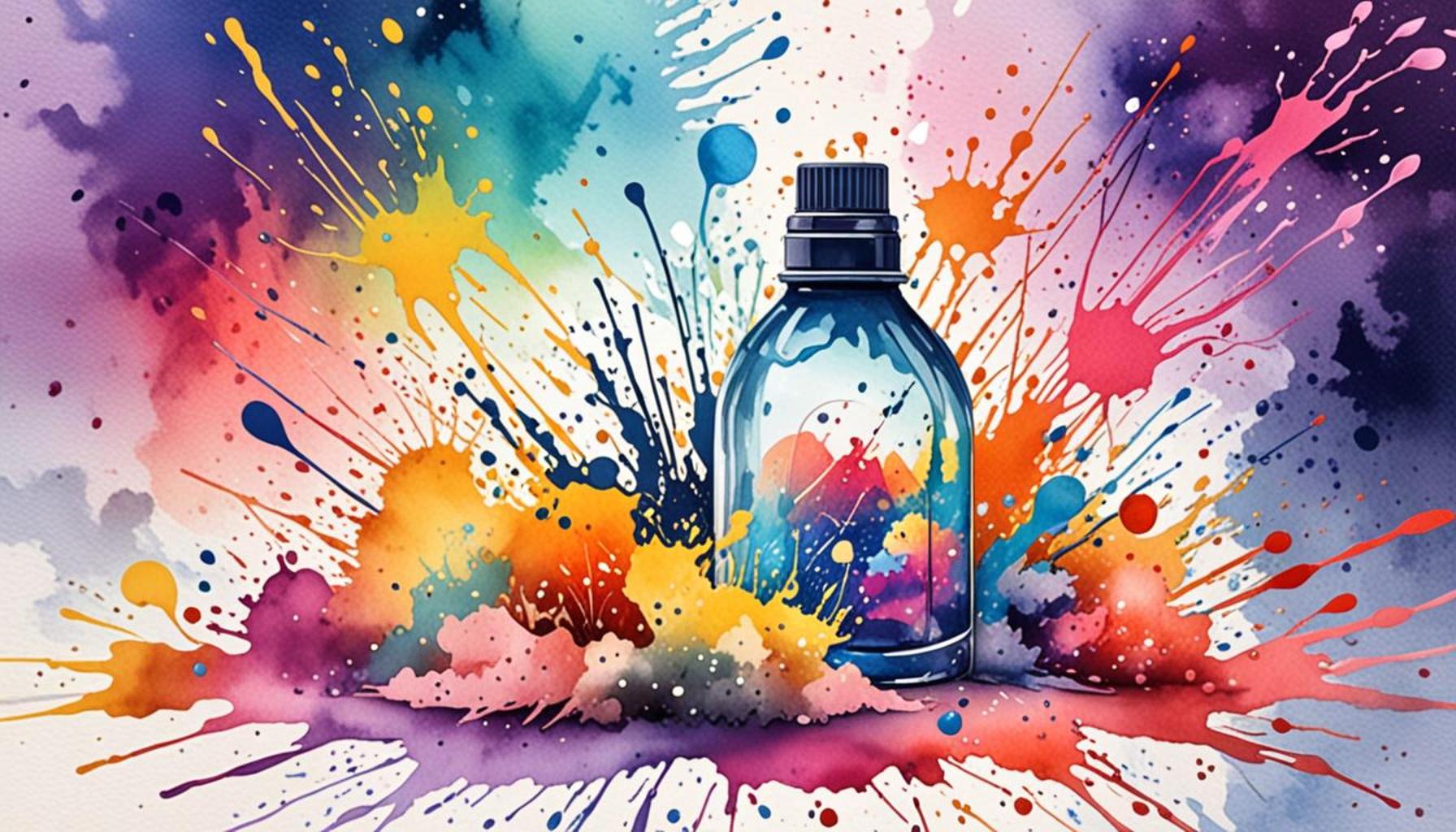
Unleash Your Creative Potential
In an era where self-expression is highly valued, exploring experimental painting techniques serves as a gateway to unlocking one’s artistic voice. Diverse methods, from watercolor to spray art, offer a unique platform for creativity, allowing artists of all levels to push their boundaries.
Understanding these techniques not only enhances artistic skills but also opens the door to new forms of creativity. The shift toward experimental painting is evident in numerous art communities, where enthusiasts share their innovations and discoveries, enriching the creative landscape.
What to Expect
This article will delve into the realm of experimental painting techniques, providing insights into:
- The versatility of watercolor and its ability to create stunning effects
- The dynamic world of spray art and its impact on urban creativity
- A comparison of other exciting painting methods
- Tips for beginners looking to experiment with these techniques
- Inspirational examples to spark your artistic journey
By the end of this article, you will discover the top 5 techniques that can elevate your artistic practice, fueling your desire to explore and create like never before.
Exploring Experimental Painting Techniques: From Watercolor to Spray Paint
If you are a creative soul eager to embark on a journey through the diverse realm of painting techniques, you are in for an exhilarating experience. From the time-honored tradition of watercolor to the daring expressionism of spray paint, the world of artistic expression truly knows no bounds. In this article, we will delve into five distinguished painting techniques that can significantly enhance your artistic endeavors. Each of these methods presents its own set of challenges and rewards, encouraging artists to push the limits of their creativity. Let’s dive into this vibrant and inspirational exploration!
5. Watercolor Painting
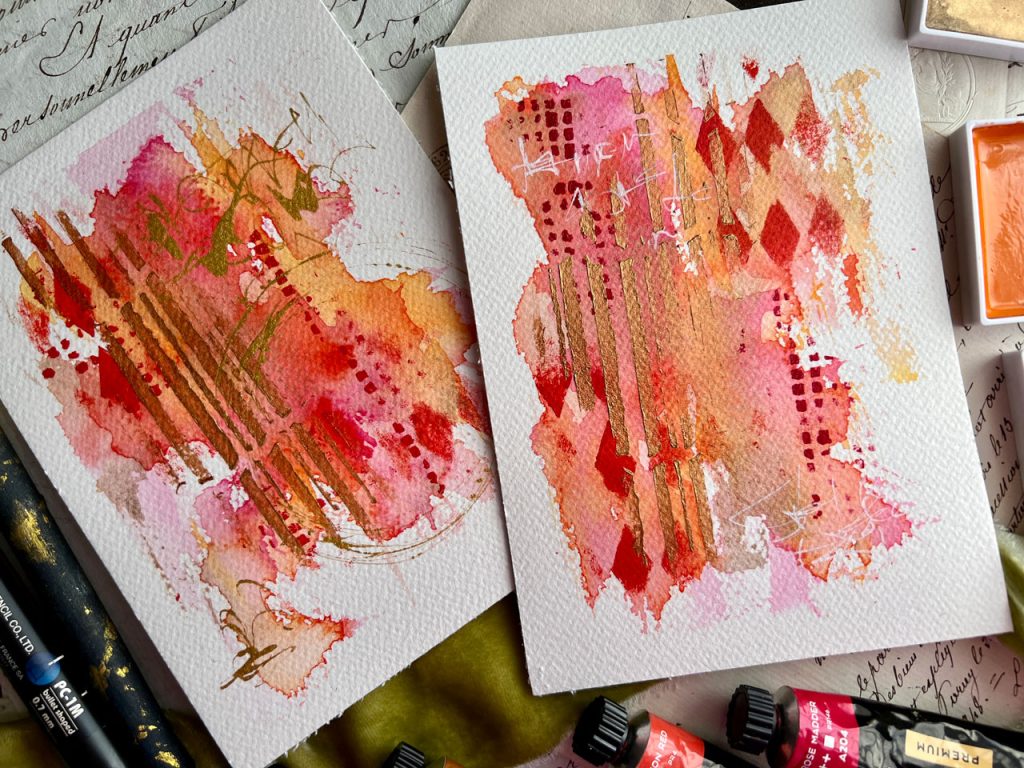
At the beginning of our exploration is the classic watercolor painting. Known for its unique translucence, this method uses pigments suspended in a water-based solution to produce effects that can range from delicate and ethereal to bold and vivid. The natural fluidity of watercolors often leads to unexpected outcomes, providing surprises that delight and inspire.
Often a starting point for many artists, watercolor painting teaches essential skills such as color mixing, brush control, and layering. The beauty of watercolor lies in its unpredictability and the transparency of its hues. Key aspects of watercolor painting include:
- Transparency: Layering washes can produce an exquisite depth, inviting viewers into the many layers of the piece.
- Color Mixing: The subtle art of blending colors offers endless possibilities, from creating soft pastels to dynamic, vibrant tones.
- Varied Techniques: Techniques such as wet-on-wet or dry brush can create a range of textures, from smooth gradients to rough edges.
While often described as forgiving, watercolor painting also demands dedication and concentration. Its nature can be meditative, with artists learning to embrace the spontaneity that water encourages. This foundation allows for progression into more complex forms of artistic expression.
4. Heavy Body Acrylics
Our next technique involves the use of heavy body acrylics, favored for their versatility and textured richness. This medium supports dramatic, impasto effects, where paint is applied thickly, creating a sense of dimensionality and movement.
With heavy body acrylics, artists have the freedom to create distinctive brushstrokes and captivating textures. Noteworthy features of this technique include:
- Vibrant Colors: The quick-drying nature of acrylics ensures the colors remain bold and true to their original hues.
- Layering Capability: Acrylics can be applied in both thin and thick layers, accommodating diverse styles and expressions.
- Mixed Media Potential: This medium can easily be combined with others, such as pastels and oils, broadening the landscape of creativity.
Heavy body acrylics cater to artists fond of both representational and abstract art styles. Its adaptability allows for fierce creativity, making it a preferred medium for artists exploring different textures and forms.
3. Spray Paint
The third technique worthy of mention is spray paint, a medium that has revolutionized the urban art scene. Emerging from graffiti culture, spray paint offers a fast and bold mode of expression. Artists can attain clean lines, gradients, and intricate layered colors quicker than with many traditional mediums.
Spray paint lends itself to a multitude of artistic expressions, from expansive street murals to more focused canvas work. The key advantages of this technique are:
- Speed: Its rapid application is ideal for large artworks and performances requiring fast execution.
- Stenciling: By using stencils, artists can produce detailed and complex designs efficiently.
- Accessibility: Widely available in an array of colors and finishes, spray paint is versatile for many artistic applications.
However, it is imperative to consider safety and ventilation due to inhalation risks associated with spray painting. The dynamic nature of this medium fuels endless possibilities for creative exploration and expression.
2. Oil Paint
Approaching our top-ranking technique is oil paint, celebrated for its rich texture and exceptional blending capabilities. Oil painting, a medium favored by many master painters, permits fine gradients and a color depth that is seldom rivaled. The slow drying time of oil paints offers artists the flexibility to mix and manipulate colors directly on the canvas.
Incorporating oil paint into your practice can significantly enhance your artistic skills. Some prominent features of this medium include:
- Blendability: This provides a smooth transition between hues, creating stunning visual effects and subtleties.
- Longevity: The stability and vibrancy of oil colors endure over time, retaining the artwork’s original allure.
- Variety of Techniques: Oil paint supports various approaches, from glazing and impasto to numerous layering techniques.
While mastering oil painting requires dedication, the depth and potential it offers make it a rewarding pursuit. Artists who engage with this tradition are often rewarded with works of immense beauty and depth.
1. Mixed Media
Leading our exploration of painting techniques is the thrilling world of mixed media. This approach allows for the combination of multiple materials and methodologies, embracing an interdisciplinary style that breaks conventional boundaries.
Mixed media harnesses the unique properties of different materials to create a complex and textured narrative. Key elements of mixed media include:
- Versatility: Artists are not confined to a single medium, offering a playground of creative exploration.
- Texture and Depth: Using varied materials, such as newspaper, fabric, or sand, adds layers and tactile interest to the artwork.
- Personal Expression: This technique allows for a deeply personal and expressive form of art, blending materials that convey powerful narratives.
Mixed media invites artists to innovate, experiment, and challenge the traditional limits of artmaking. It encourages a dialogue between various artistic expressions, resulting in artworks that are not only visually captivating but emotionally resonant.
Each of these painting techniques opens a door to new vistas of creativity, inviting artists to explore and stretch their imaginations. Whether seeking the subtlety of watercolors or the boldness of spray paint, there is a technique waiting to be discovered and mastered, each providing a unique path to artistic success.
| Technique | Advantages & Insights |
|---|---|
| Watercolor | Watercolor enables artists to create translucent layers, making it ideal for capturing light and natural landscapes. The technique is renowned for its unexpected blends and washes, encouraging experimentation with color. Artists can explore episodes of soft gradients and intricate details, making each piece a unique study in color theory and fluidity. |
| Acrylic Pouring | This method allows artists to create mesmerizing patterns and textures using fluid acrylics. The technique is appreciated for its immediacy and unpredictability, with no two pours yielding the same result. It offers a new dimension in abstract art, encouraging artists to abandon traditional tools in favor of autonomy, thus fostering a sense of freedom in creativity. |
| Spray Paint Techniques | Utilizing spray paints allows for versatile applications on a myriad of surfaces. Artists can experiment with layering and stencils, resulting in unique designs. The speed of application combined with its portability appeals to urban artists who work on murals, providing a layer of depth and dimension that traditional paints often cannot achieve. This interaction with the public space transforms art into a communal experience. |
| Mixed Media | Combining different techniques such as collage, acrylic, and resin opens up an unparalleled realm of artistic possibilities. Mixed media celebrates including various textural elements, allowing artists to communicate complex narratives visually. This approach encourages a dialogue between materials, giving rise to innovative expressions and interpretations of contemporary themes. |
Continuing our exploration of experimental painting techniques, one cannot overlook the profound impacts that these approaches bring to the artistic community. The choice of materials can dictate not only the outcome of a piece but also the very experience of the artist during creation. Watercolors, for example, can serve as a gentle guide for those new to the world of painting, providing an accessible pathway into using color while offering masterful nuances for the seasoned creator.As artists find their footing within these techniques, the by-products of such exploration often transcend artistic boundaries, speaking to audiences with a collective voice imbued with the artists’ personal experiences. Techniques such as **acrylic pouring** and **mixed media** illustrate how tradition can harmoniously intertwine with modern innovations, allowing creators to foster new genres.Furthermore, the rise of urban art and the popularity of spray paint reflect society’s ongoing dialogue with public spaces, merging art with daily life. This connection emphasizes the potential of art to inspire, provoke, and enlighten, encouraging an ever-evolving interpretation of what art can be. Such advancements in technique not only keep the artistic discourse lively but also challenge emerging artists to push their boundaries and explore new creative horizons.
Frequently Asked Questions About Experimental Painting Techniques
What characterizes experimental painting techniques?
Experimental painting techniques are defined by their emphasis on innovation and exploration. Artists who engage in these methods often transcend traditional practices, utilizing unconventional materials and approaches. This can involve mixing different mediums such as watercolors and spray paints, experimenting with textures, or even using tools not typically associated with painting. The goal is to create art that not only challenges the norms but also offers new visual experiences.
How can someone start experimenting with watercolor and spray paint?
Beginners interested in blending watercolors with spray paint should start by understanding the unique properties of each medium. Watercolor is known for its transparency and fluidity, which can create soft, ethereal effects. Spray paint, on the other hand, is vibrant and can cover large areas quickly. Start by applying a watercolor base and gradually incorporate sprays to add bold highlights or backgrounds. Always test on a small piece or sketch before committing to larger projects. Layering and patience are key in mastering this intricate combination.
What tools can enhance the creativity in experimental painting?
While traditional brushes and palettes are useful, experimental artists often utilize a diverse array of tools to push their creative boundaries. Items such as sponges, plastic wrap, or even kitchen utensils can add unique textures and patterns. Spray paints provide a different dimension, offering techniques like stenciling or masking to create sharp, defined shapes and dynamic contrasts. The use of such tools encourages spontaneity and unpredictability, essential elements in experimental art.
Why is color theory important in experimental painting?
Color theory plays a crucial role in experimental painting, as it helps artists understand how different hues interact and influence each other. This knowledge is vital when mixing unconventional mediums, like watercolors and sprays, which can produce unexpected results. Understanding warm and cool colors, complementary contrasts, and harmony allows artists to craft visually coherent compositions even amidst the chaos of experimentation. Awareness of these concepts can also prevent muddy colors and enhance the overall impact of the artwork.
Conclusion
Exploring experimental painting techniques, ranging from watercolors to spray, offers artists and hobbyists a realm of creative possibilities. This journey into artistic methods is not just about mastering new techniques but also about the thrilling process of discovery and expression.
Key Takeaways
First, watercolor painting continues to enchant with its delicate fluidity and luminescent transparency, challenging artists to master its unpredictable nature. Its versatility makes it an ideal entry point for those delving into experimental art forms. Meanwhile, acrylic pouring captivates with vibrant colors and dynamic patterns, requiring artists to embrace chance and relinquish control to the movements of paint.
Additionally, the article highlighted the bold use of oil and cold wax, which invites tactile interaction and texture creation. This method encourages a deeper understanding of layers and composition. On the other hand, mixed media offers unlimited possibilities by combining various materials, allowing artists to weave their stories through diverse textures and colors.
Finally, the emergence of spray painting as an experimental technique has broken traditional barriers, bringing urban art into mainstream appreciation. It’s a powerful form of self-expression that demands both precision and spontaneity, bridging the gap between street art and fine art.
Final Thoughts
In conclusion, delving into these experimental painting techniques allows artists to push boundaries and immerse themselves in a continually evolving creative process. Whether you’re a seasoned veteran seeking new inspiration or a novice eager to explore, these methods offer endless possibilities. The importance of this exploration lies not only in honing artistic skills but also in fostering innovation and rethinking the definition of art itself. By embracing such diverse techniques, one can truly unlock the transformative power of art as both a hobby and a conduit for personal and cultural expression.
Related posts:
The Art of Collage: Reimagining Stories Through Mixed Media
Techs Impact on Creative Hobbies Innovative Projects Redefining Creation
The Art of Contemporary Drawing: Rediscovering Expression Through New Tools and Materials
The Importance of Experimentation in Abstract Painting
Deconstructing Reality: The Role of Surrealism in the Expansion of Artistic Imagination
The Art of Failure: How Creative Mistakes Can Lead to Surprising Discoveries
Linda Carter is a writer and creative hobbies expert specializing in crafting, DIY projects, and artistic exploration. With extensive experience helping individuals discover their creative potential and bring their ideas to life, Linda shares her knowledge on our platform. Her goal is to empower readers with practical tips, inspiring ideas, and step-by-step strategies for success in the world of creative hobbies.