Experimental Photography: Capturing the Unusual in Every Click
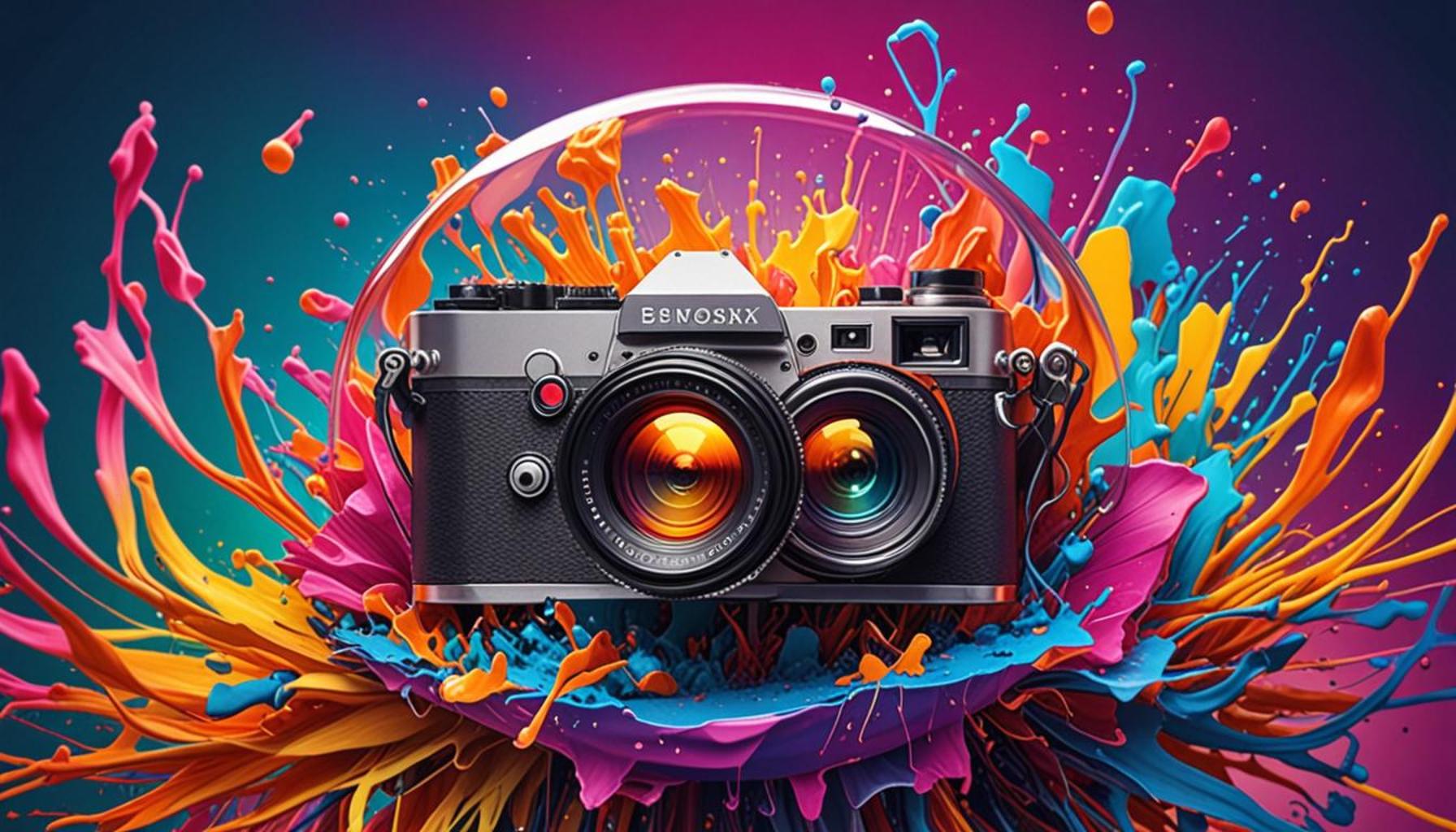
Unveiling the Extraordinary
In today’s fast-paced visual culture, the realm of experimental photography offers a vivid escape from conventional norms, transforming the mundane into extraordinary spectacles. This dynamic style pushes the boundaries of traditional photography, challenging creatives to step outside the familiar and delve into a world of unconventional methods and unanticipated results. By embracing unpredictability, photographers find that each click of the shutter can spark unexpected creativity that captivates viewers.
What Makes Experimental Photography Unique?
- Innovative Techniques: Artists often employ unique instruments, such as pinhole cameras that strip down the process to its most elemental form. Techniques like double exposures, where two images are superimposed, generate a dreamlike quality, allowing photographers to convey complex narratives beyond the limits of a single frame. Long exposures can capture the passage of time and movement, producing ethereal images that capture the essence of motion in a still medium.
- Manipulation of Materials: The materials used in experimental photography can significantly alter the outcome. For instance, instant film’s unpredictability, combined with the immediacy of results, creates unique textures and colors that differ with each shot. Light-sensitive paper can be manipulated directly to create solargraphy, where images are developed using sunlight, or even photograms that capture shapes and forms without a camera. In the digital realm, tools and software can enable digital artists to break free from physical constraints, merging traditional techniques with modern technology for surreal outcomes.
- Subjective Interpretation: This genre thrives on personal narratives and emotional depth. Photographers often transform ordinary scenes—like a bustling urban street or a quiet forest—into extraordinary art by layering their personal perspectives and experiences onto their compositions. This revolves around the idea that each photograph tells a story uniquely shaped by the artist’s experiences, allowing viewers to engage with the work on a deeper emotional level.
The charm of experimental photography lies in its inherent unpredictability. Artists routinely explore unusual themes that may blend various genres, whether it’s fusing portraiture with surrealism or combining landscapes with abstraction. This fusion creates visual poetry that invites contemplation, igniting discussions about perception and reality.
Why Explore This Style?
- Challenge Conventions: By exploring experimental photography, artists can break free from the expectations often associated with traditional photography, redefining what a photograph can signify. This encourages photographers to think critically about their approach and messaging.
- Expand Creativity: Engaging with this bold style can inspire new ideas and foster innovative approaches to seeing and capturing the world. When artists embrace the unexpected, they often tap into reservoirs of creativity they never knew existed.
- Community and Collaboration: The experimental photography scene is vibrant and rapidly growing. Photographers can join communities that encourage sharing techniques, experiences, and innovations. Online forums, local workshops, and social media groups offer platforms for collaboration, critique, and inspiration among like-minded artists.
By venturing into the captivating world of experimental photography, artists can uncover unusual perspectives and encapsulate the essence of life in ways that resonate profoundly with audiences. As one embarks on this artistic journey, they may find themselves asking: Are you ready to embrace the unexpected and explore the richness of this expressive medium?
DISCOVER MORE: Click here to unlock creative DIY ideas
Unleashing Imagination Through Experimental Photography
As photographers venture into the realm of experimental photography, they unlock a plethora of creative possibilities that allow for both innovation and self-expression. This adventurous approach not only expands a photographer’s toolkit but also encourages a genuine connection with the subject matter. By embracing various artistic practices, photographers can depict familiar scenes in striking new ways, revealing layers of meaning that might otherwise go unnoticed.
Exploring Different Genres and Styles
The beauty of experimental photography lies in its versatility, inviting artists to traverse through a myriad of genres and styles. Photographers can craft unique aesthetics by blending elements from different disciplines, which may include:
- Abstract Photography: This genre challenges the viewer’s perception by deconstructing familiar forms and shapes into intriguing compositions. By manipulating focus, lighting, and composition, photographers can transform ordinary subjects into abstract masterpieces that invite imaginative interpretation.
- Surrealism: Echoing the spontaneous nature of dreams, surrealist photography immerses viewers into a world where reality melds with the bizarre. Through innovative techniques such as photomontage or digital manipulation, photographers can merge disparate elements to create visually stunning narratives that leap beyond the ordinary.
- Documentary with a Twist: While traditional documentary photography focuses on capturing genuine moments, experimental photographers infuse personal stories or unexpected elements within their frames. This approach can yield profound reflections on societal issues or illuminate the extraordinary within everyday life.
Engaging with these genres allows photographers to experiment with formats such as panoramas, diptychs, or triptychs, providing a more comprehensive narrative. The intersection between multiple styles often leads to a rich artistic dialogue that challenges the status quo of visual storytelling.
The Role of Digital Innovation
The advent of digital technology has revolutionized experimental photography, providing tools that facilitate limitless exploration. From mobile phone cameras capable of advanced edits to sophisticated software enabling intricate overlays, photographers can play with elements in ways that were previously unimaginable. Online platforms offer galleries where artists can showcase their work and receive instant feedback, further fueling their creative journeys.
In addition, the availability of various apps can streamline processes, permitting photographers to experiment with filters, textures, and layers on the go. This democratizes access to resources that encourage aspiring artists to take risks and embrace their idiosyncrasies in their work.
With the constant evolution of technology and the rise of social media platforms, experimental photography enables artists to share their individual narratives and techniques widely, fostering a sense of community. Engaging with others who share similar passions ignites further creativity and pushes photographers to refine their craft as they explore new frontiers.
In this exhilarating journey of capturing the unusual in every click, artists redefine their creative expressions. As they embrace the diversity of styles and innovations available, the world of experimental photography offers an unparalleled avenue for exploration, revealing the hidden beauty that exists in both the ordinary and the extraordinary.
| Advantages | Insights into Creative Expansion |
|---|---|
| Unique Perspectives | Experimental photography allows artists to view the world through a distinct lens, pushing boundaries and exploring unforeseen angles. This approach cultivates a fresh visual language. |
| Increased Conceptual Depth | By breaking traditional rules, photographers can delve into complex themes and narratives, inviting their audience to engage with the image on a deeper emotional level. |
Experimental photography thrives on the idea of innovation and the unexpected, serving as a platform for artists to express their individuality. As they manipulate techniques, lighting, and composition, the final images often transcend conventional portrayal, igniting dialogues about perception and reality. This form of photography not only enhances the skills of the photographer but also stimulates critical thought among viewers. For those eager to explore this dynamic field, understanding how to effectively harness techniques such as double exposure or long exposure can dramatically influence the storytelling element within each shot. Engaging with experimental photography opens avenues that encourage artists to rethink their creative practices, making every click a potential masterpiece.
DISCOVER MORE: Click here to learn about the impact of abstract art on your well-being
Techniques That Transform the Ordinary
Central to the allure of experimental photography are the diverse techniques employed by photographers seeking to push the boundaries of visual representation. These methods ignite creativity and encourage artists to capture the essence of the unusual by offering fresh perspectives on time-honored subjects. Some notable techniques include:
- Double Exposure: This technique involves overlaying two or more images to create one single photograph, allowing photographers to merge distinct themes or ideas. For instance, an artist might blend a portrait with a landscape, symbolizing the connection between human emotion and nature. This method, historically used in film photography, has found renewed popularity with digital tools, enabling more seamless and experimental combinations.
- Light Painting: Utilizing handheld light sources, photographers can ‘paint’ with light during long exposure shots. This technique can create ethereal effects, making it possible to capture patterns and shapes in midair. Photographers can transform a simple night scene into a luminous masterpiece that reflects the imagination, reminiscent of the works of artists like Pablo Picasso, who famously experimented with light in art.
- Infrared Photography: Capturing images that are invisible to the naked eye, infrared photography reveals the hidden beauty of the world. With special filters or modified cameras, photographers can transform greens into ethereal whites and reveal contrasts in unexpected ways, presenting a new interpretation of landscapes and nature.
By incorporating these techniques into their work, photographers not only utilize new tools but also invite audiences to engage with their artistic visions in profound ways.
The Impact of Conceptual Frameworks
Beyond merely employing creative techniques, the success of experimental photography often hinges on the underlying conceptual frameworks that guide an artist’s vision. This facet encourages photographers to delve deeper, provoking audiences to think critically about the themes and messages behind their work. For example, artists exploring environmental concerns might juxtapose images of nature with industrial scenes or utilize conceptual metaphors to underscore the fragile state of our planet.
Furthermore, photographers can engage with themes of identity, memory, or socio-political issues through their visual storytelling. For example, photographers may use self-portraiture or body photography to articulate personal narratives or challenge societal conventions. As this genre fosters exploration of complex subjects, it empowers photographers to lead with their voice and engage viewers in meaningful dialogues through their imagery.
The Gallery Experience: Fostering Community and Connection
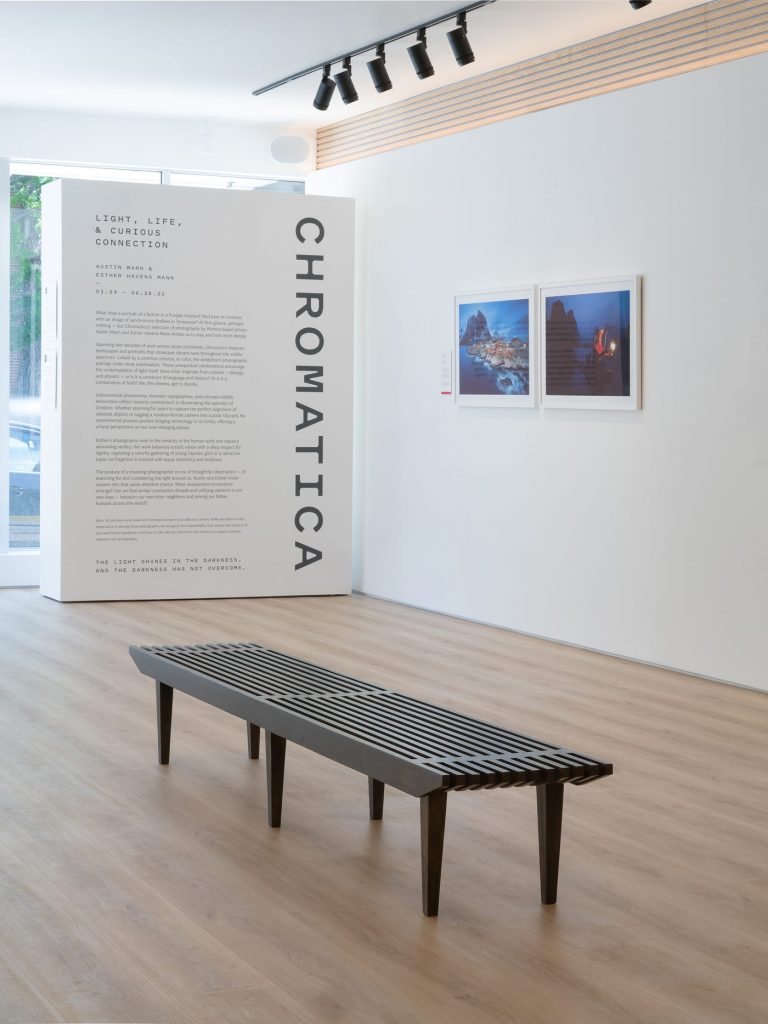
While digital platforms have revolutionized exposure for experimental photographers, traditional galleries continue to offer unique opportunities for showcasing this genre. Exhibitions focusing specifically on experimental photography draw in diverse audiences, fostering curiosity and encouraging artistic connections. Galleries act as sanctuaries for innovative works, allowing individuals to engage directly with the emotion and depth behind each piece.
Beyond showcasing individual works, these exhibitions create a space for community building among photographers, critics, and art enthusiasts. Interactive workshops or discussions might accompany shows, enabling artists to share techniques, insights, and inspirations with one another. Such interactive experiences cultivate a thriving art community while reinforcing the role of experimental photography as a vital avenue for dialogue and exploration.
As artists continue to navigate the evolving landscape of experimental photography, they redefine not only their own practices but also the future of visual art itself. Embracing innovative techniques, conceptual frameworks, and collaborative experiences, these photographers are carving out an inspiring pathway that invites viewers to reconsider how they engage with the world around them.
DIVE DEEPER: Click here to discover inspiring sustainable art projects
Embracing the Unconventional in Photography
In conclusion, experimental photography serves as a dynamic and transformative force within the realm of visual art, inviting both creators and audiences to explore the unconventional. By implementing innovative techniques like double exposure, light painting, and infrared photography, artists are not only expanding their creative horizons but also challenging viewers to reconsider their perceptions of the everyday world. These techniques breathe new life into often-overlooked subjects, revealing intriguing narratives that provoke thought and evoke emotion.
Moreover, the significance of strong conceptual frameworks in guiding visual storytelling cannot be overstated. From addressing environmental issues to exploring identity and memory, photographers leverage their craft to ignite meaningful conversations. As they deconstruct narratives and juxtapose contrasting elements, they encourage a deeper connection between their work and the viewer, paving the way for collective reflection.
Furthermore, the gallery experience remains a crucial aspect of the art world, fostering a sense of community and collaboration among photographers and enthusiasts alike. Exhibitions dedicated to experimental photography unite diverse voices and inspire ongoing discussions, solidifying this genre’s role as a catalyst for cultural dialogue. As technology and artistic practices evolve, experimental photography will undoubtedly continue to thrive, pushing boundaries and inspiring future generations.
For those curious about the unusual and the unseen, diving into the world of experimental photography can be a profoundly enriching journey. Each click of the camera is a call to explore beyond the surface, reminding us that there is always more than meets the eye.
Related posts:
The Art of Collage: Reimagining Stories Through Mixed Media
Exploring Experimental Painting Techniques Watercolor to Spray Art
The Interaction between Art and Technology: How Augmented Reality is Transforming Artistic Creation
The Influence of Pop Culture on Art: Exploring the Fusion of Styles and Ideas in Artistic Creation
The Art of Failure: How Creative Mistakes Can Lead to Surprising Discoveries
Techniques for Artistic Exploration: How to Step Out of Your Comfort Zone and Discover New Forms of ...
Linda Carter is a writer and creative hobbies expert specializing in crafting, DIY projects, and artistic exploration. With extensive experience helping individuals discover their creative potential and bring their ideas to life, Linda shares her knowledge on our platform. Her goal is to empower readers with practical tips, inspiring ideas, and step-by-step strategies for success in the world of creative hobbies.