DIY Educational Toys: How to Make Fun and Instructional Items for Children
Discover the Joy of DIY Educational Toys
Creating DIY educational toys is a rewarding endeavor that combines creativity with learning. Not only do these projects spark imagination, but they also provide children with vital opportunities to enhance essential skills. From fine motor skills required for gripping and manipulating objects to critical thinking abilities necessary for problem-solving, the benefits of DIY educational toys are profound and far-reaching.
What makes DIY educational toys particularly exciting is their accessibility. These projects typically utilize materials you likely already have at home, making them both cost-effective and eco-friendly. Consider the profound impact of using recycled materials—it’s a fantastic way to teach children the importance of sustainability while stimulating their creativity. Here are some popular types of DIY educational toys to inspire your creativity:
- Building Blocks: These classic toys encourage spatial awareness and problem-solving. You can create blocks out of cardboard or wooden scraps, and engage children in constructing buildings, shapes, or even intricate designs, helping them grasp concepts of balance and architecture.
- Sorting Games: From simply categorizing colored buttons to sorting dried pasta shapes, these games teach children colors, numbers, and critical matching skills. Use items from around the house, like socks or Lego pieces, to create fun sorting activities that challenge their cognitive abilities.
- Craft Kits: Foster creativity with art supplies recycled from everyday items. Old magazines, cardboard boxes, and fabric scraps can be transformed into collages, puppets, or even DIY board games, encouraging children to express themselves through artistic expression.
- Science Experiments: Engage children with hands-on learning by conducting simple experiments. For example, combining vinegar and baking soda can create exciting reactions that not only spark curiosity but also teach basic principles of chemistry in a fun and entertaining way.
Moreover, the act of crafting these toys together can significantly strengthen the parent-child bond. As you embark on making these educational items, you’ll find that the process is just as enriching as the finished products. Working side by side allows for meaningful conversations and collaborative problem-solving, ultimately nurturing a shared sense of accomplishment.
Get ready to explore various methods, tools, and materials that will lead to the creation of fun and instructional items suited for children of all ages. Whether you are an experienced DIY enthusiast or a beginner looking to engage your child in educational activities, there’s something here for everyone. Be sure to document your creations to showcase the journey and inspire others in your community to join the DIY educational toy movement.
As you dive into this delightful experience, remember that every toy you create not only entertains but also educates, ultimately laying the foundation for lifelong learning and creativity in your child’s life.
DISCOVER MORE: Click here to dive into music genres that inspire creativity
Engaging Ideas for DIY Educational Toys
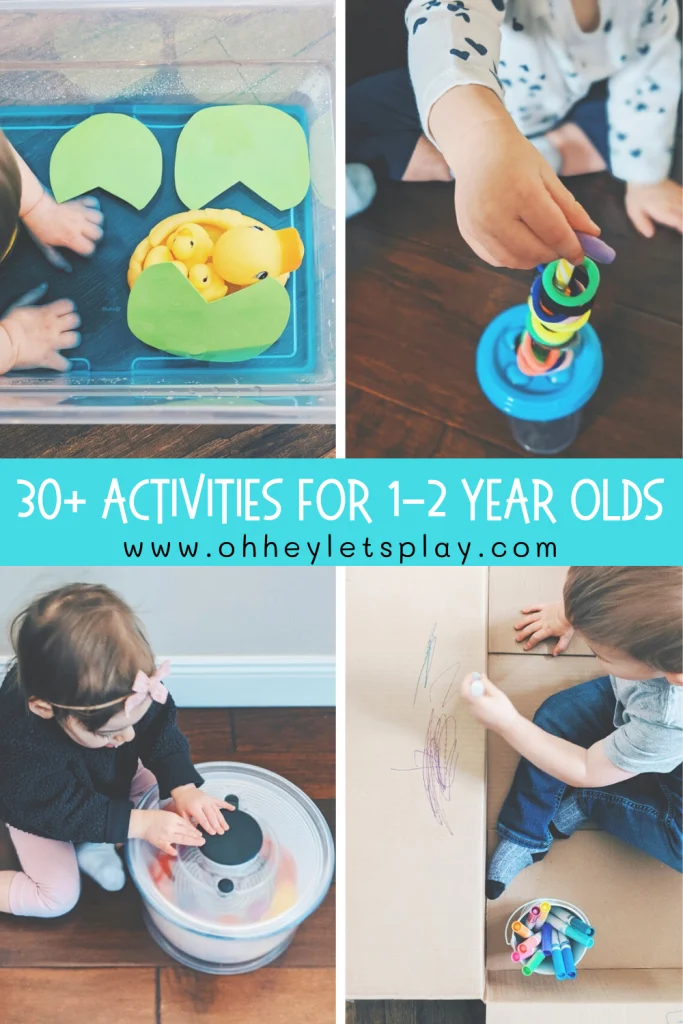
When it comes to DIY educational toys, your imagination is the limit. There are numerous ways to create items that not only entertain but also foster learning and development in children. Below, we explore several engaging ideas that can easily be brought to life using materials commonly found around your home. These projects provide an enriching experience for kids while also offering a platform for parents to bond and engage.
1. Sensory Bins
Sensory bins are a wonderful resource for parents looking to provide tactile learning experiences. Simply fill a shallow container with a base material—such as rice, beans, or sand—and add small toys, tools, or even themed objects. For example, a pirate-themed sensory bin could include toy ships, plastic coins, and seashells. Children can explore textures, practice fine motor skills with scooping and pouring, and even engage in imaginative play while learning about themes like history or ocean life.
2. Homemade Puzzles
Puzzles are excellent for developing problem-solving abilities and spatial awareness. You can easily create your own by repurposing old cardboard boxes or cutting pictures from magazines. After gluing an image onto a sturdy piece of cardboard, cut it into various shapes and challenge your child to assemble it back. Consider incorporating educational themes—like animals or geography—so they learn while they play. This hands-on activity not only ignites curiosity but also helps develop patience and perseverance.
3. DIY Number and Letter Games
Reinforce literacy and numeracy skills with simple DIY games. For instance, you can cut out letters and numbers from colorful construction paper or use bottle caps with numbers written on them. Create matching games where children pair uppercase letters with lowercase letters or match numbers to a corresponding set of objects. These activities are not only entertaining, but they also lay the groundwork for future academic success.
4. Color Mixing Station
Exploring colors through mixing can be a captivating experience for little ones. Set up a simple color mixing station using clear containers or cups filled with primary colors of paint or water. Provide them with mixing tools, like paintbrushes or spoons, and let them experiment with combining colors to see what new shades they can create. This activity sharpens their understanding of color theory and helps develop their creativity in visual arts.
- Builds Creativity: Encourages children to think outside the box and express their thoughts through art and play.
- Enhances Motor Skills: Activities like pouring, mixing, and assembling all require physical dexterity and coordination.
- Strengthens Cognitive Abilities: Engaging in sorting, matching, and problem-solving tasks sharpens critical thinking and reasoning skills.
These examples illustrate just a fraction of what is possible with DIY educational toys. The beauty of these projects lies in their adaptability; modify them according to your child’s developmental stage and interests. This adaptability not only makes learning accessible but also sets the stage for a lifetime of knowledge and creativity. As you embark on these educational journeys with your child, remember that the process is just as valuable as the outcome. Each laugh, discovery, and conversation you share are treasured moments to cherish.
Exploring the Benefits of DIY Educational Toys
In the world of parenting, the idea of creating DIY educational toys has gained immense traction. These toys are not only fun but also serve as vital tools for children’s development. By engaging children in the process of making their own toys, parents can open doors to a multitude of educational advantages.
Encouraging Creativity and Innovation
DIY toys stimulate children’s creativity as they allow them to select materials, design, and modify their projects according to their preferences. This hands-on approach encourages them to think outside the box, enhancing their problem-solving skills. As they embark on constructing toys from scratch or using repurposed materials, kids learn to innovate and adapt, skills that are essential in a rapidly changing world.
Fostering Learning through Play
The intersection of education and play is crucial for child development, and DIY educational toys perfectly embody this concept. These toys can be tailor-made to incorporate various learning elements, such as mathematics through counting blocks, science through building kits, or literacy through themed arts and crafts. Each project can cater to specific learning outcomes, giving parents and educators a flexible way to bolster children’s knowledge while having fun.
Enhancing Motor Skills
When kids engage in making their own toys, they exercise both fine and gross motor skills. Activities such as cutting, gluing, and assembling require hand-eye coordination and dexterity, critical components in developing physical abilities. This not only enriches their playtime but also contributes to their overall physical development, preparing them for more complex tasks in the future.
| Category | Benefits |
|---|---|
| Creativity | Fosters innovation and problem-solving skills. |
| Learning through Play | Integrates educational concepts into fun activities. |
| Motor Skills | Enhances fine and gross motor skills through hands-on activities. |
These key benefits represent just the tip of the iceberg when it comes to the impact of DIY educational toys. By exploring the creativity and learning opportunities they provide, parents and educators can embark on an enriching journey that promotes both fun and educational development for children. As we delve deeper into the world of DIY projects, the potential for learning through play becomes clearer and more enticing, paving the way for parents to engage actively with their children.
DIVE DEEPER: Click here to discover how to express your emotions through music</p
Creative DIY Educational Toys for Hands-On Learning
Hands-on activities capture children’s interest and stimulate their natural curiosity. The following DIY educational toys not only encourage active participation but also invite parents and caregivers to engage in meaningful playtime. From science experiments to building projects, these examples will enhance your child’s learning experience while providing endless fun.
5. Balloon Rockets
Introducing the principles of science and physics can be as simple as creating balloon rockets. All you need is a balloon, a straw, and some string. Thread the string through the straw and secure it between two points, such as two chairs. Inflate the balloon without tying it off and attach it to the straw using tape. When you release the balloon, it will propel itself along the string while children observe the forces of action and reaction in play. This engaging project demonstrates fundamental principles of motion and energy while inspiring kids to ask questions and hypothesize about outcomes.
6. Rainbow Slime
Making rainbow slime is not only a fun experiment but also an exploration of chemistry. Combine glue, baking soda, and a saline solution to create a gooey mixture that children can stretch and mold. Divide the slime into portions and allow kids to add food coloring to create vibrant swirl patterns. This hands-on activity teaches children about chemical reactions while enhancing their sensory development and fine motor skills. Plus, the tactile experience of slime can lead to hours of creative play!
7. Nature Scavenger Hunt Kits
Encourage your child to explore the great outdoors by creating a nature scavenger hunt kit. Fill a small bag with items like a magnifying glass, a notebook, and colored pencils. Develop a checklist of natural items for them to find, such as different leaves, rocks, or bugs. This project not only promotes physical activity but also enhances observational skills, environmental awareness, and appreciation for nature. After the hunt, encourage discussions about their discoveries, fostering communication skills and critical thinking.
8. DIY Counting Beads
Counting and number recognition can be honed with DIY counting beads. Use materials like dried pasta, buttons, or beads and string them together on a piece of yarn or a shoelace. Children can slide the beads to visualize numbers and concepts of addition and subtraction. To further the learning, incorporate patterns using colored beads or pasta, promoting cognitive development and understanding of mathematical sequences. This tactile learning experience adds an innovative twist to traditional counting exercises.
- Encourages Exploration: Each of these DIY toys promotes inquiry-based learning and encourages children to explore their interests.
- Facilitates Cognitive Development: Activities centered around construction, observation, and problem-solving directly contribute to cognitive growth.
- Builds Social Skills: Many of these DIY toys involve collaborative play, allowing children to interact with peers or family members.
These additional DIY educational toys expand the horizon of play and learning, demonstrating the value of creativity and exploration. Engaging in these projects allows both parents and children to develop new skills and enhance existing ones, creating a nurturing environment where curiosity can thrive. Remember, the most rewarding aspect of these DIY educational toys is the shared joy they bring, uncovering new knowledge while forging unforgettable memories.
DISCOVER MORE: Click here to learn how music can enhance your emotional well-being
Conclusion
In a world filled with digital distractions, DIY educational toys offer a refreshing avenue for hands-on engagement and learning. By integrating creativity with educational principles, parents and caregivers can craft experiences that not only entertain but also foster cognitive and developmental skills essential for children’s growth. The projects discussed—such as balloon rockets, rainbow slime, and nature scavenger hunt kits—showcase the versatility and effectiveness of interactive play in introducing scientific concepts, enhancing motor skills, and promoting environmental awareness.
Furthermore, the engagement in these DIY projects serves to strengthen bonds between children and their caregivers. As they work together to construct these toys, they not only share knowledge but also create memories that last a lifetime. Parents should view these moments as opportunities to encourage curiosity and exploration, allowing children to take the initiative in their learning journey.
Ultimately, DIY educational toys are a testament to the idea that learning can be both fun and fulfilling. They prove that the best tools for education often come from our own imagination and creativity. As you embark on these projects, remember to remain open to the possibilities they present, creating an environment where learning thrives. With just a few simple materials and a dash of creativity, the potential for growth and learning is boundless. Discover new ways to inspire your child today—where the joy of play meets the wonders of education!
Related posts:
Creating Homemade Aromas: DIY Projects for Incense and Bath Salts
Transforming Recyclable Materials into Art: DIY Ideas for a Sustainable Planet
The Magic of Fabric Painting: Transforming Ordinary Clothes into Unique Pieces
DIY Interior Decoration Projects: Create Unique Spaces with Personal Touches
DIY Wall Murals: How to Transform Spaces with Homemade Art
DIY Creative Photography: Transforming Images into Artworks

Linda Carter is a writer and creative hobbies expert specializing in crafting, DIY projects, and artistic exploration. With extensive experience helping individuals discover their creative potential and bring their ideas to life, Linda shares her knowledge on our platform. Her goal is to empower readers with practical tips, inspiring ideas, and step-by-step strategies for success in the world of creative hobbies.