Creative Embroidery Techniques: Incorporating Textures and Colors in Craft Projects
Exploring the World of Embroidery
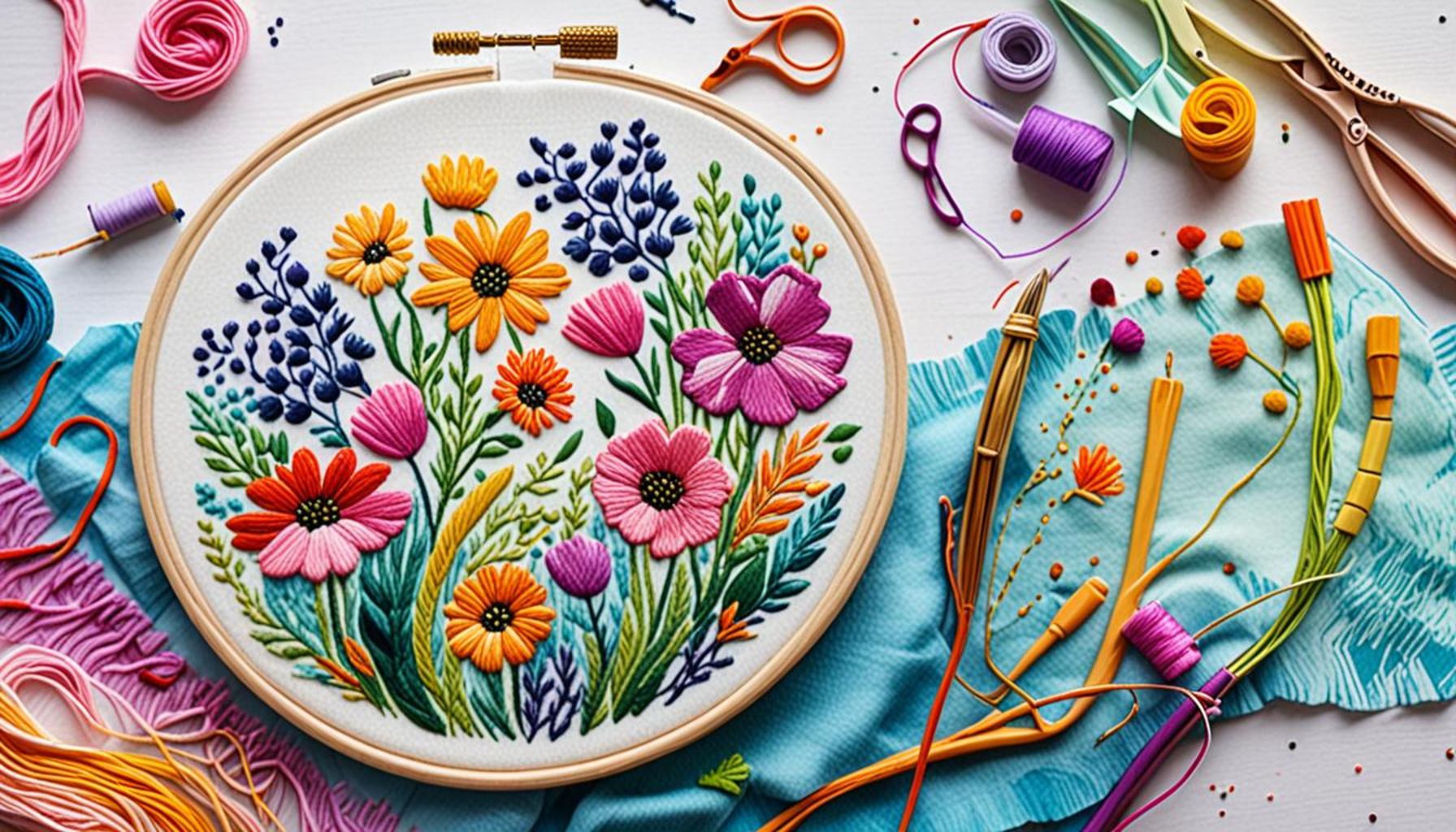
Embroidery is more than just a craft; it’s a profound form of expression that brings fabrics to life. It is a time-honored art form with roots that stretch back thousands of years, spanning cultures and continents. From ornate tapestries in Europe to colorful motifs in Asian traditions, embroidery tells stories that span generations, countries, and societies. As artists and crafters, incorporating textures and colors into our projects can elevate ordinary pieces into stunning works of art. Techniques can range from the traditional to the avant-garde, enabling crafters to create pieces that are both functional and visually exhilarating.
Why Embrace Creative Techniques?
- Visual Appeal: Adding textures and colors enhances the aesthetic of your embroidery, turning simple patterns into eye-catching masterpieces that draw admiration. For instance, combining metallic threads with matte fabrics can create a striking contrast that captivates viewers.
- Versatility: Techniques like free-motion stitching allow for dynamic designs that mimic drawing with a sewing machine. This style can incorporate everything from intricate floral patterns to abstract art, opening a realm of possibilities.
- Personal Touch: Incorporating unique elements, such as personalized monograms or custom color palettes, can make your projects truly one-of-a-kind. This individuality is not only fulfilling but also creates cherished heirlooms that resonate on a personal level.
In the vibrant world of embroidery, possibilities abound. From swirling color gradients to the luxury of varying textures, creative embroidery techniques allow you to explore and express your imagination. Consider trying out techniques like sashiko, a traditional Japanese method that brings subtle beauty through repeated geometric patterns, or the increasingly popular punch needle, which gives a plush texture to your projects.
Whether you are crafting gifts for loved ones, enhancing home decor, or making wearable art, the use of advanced methods can refresh and redefine your artistic journey. Creative embroidery has even found its way into contemporary fashion, with designers using bold stitching to add depth and narrative to clothing lines, merging traditional craftsmanship with modern aesthetics.
Get Inspired
Ready to experiment with threads and stitches? This article will guide you through innovative ideas, showcase exciting techniques, and help you discover the beauty of combining textures and colors in your next craft project. From learning the delicate art of bead embroidery to exploring the sustainable options of using recycled fabric, the journey of embroidery is filled with rich experiences. So, gather your materials and embark on this creative adventure, letting your embroidery tell a story that is uniquely yours!
DIVE DEEPER: Click here to discover more techniques
Distinctive Techniques to Enhance Your Craft
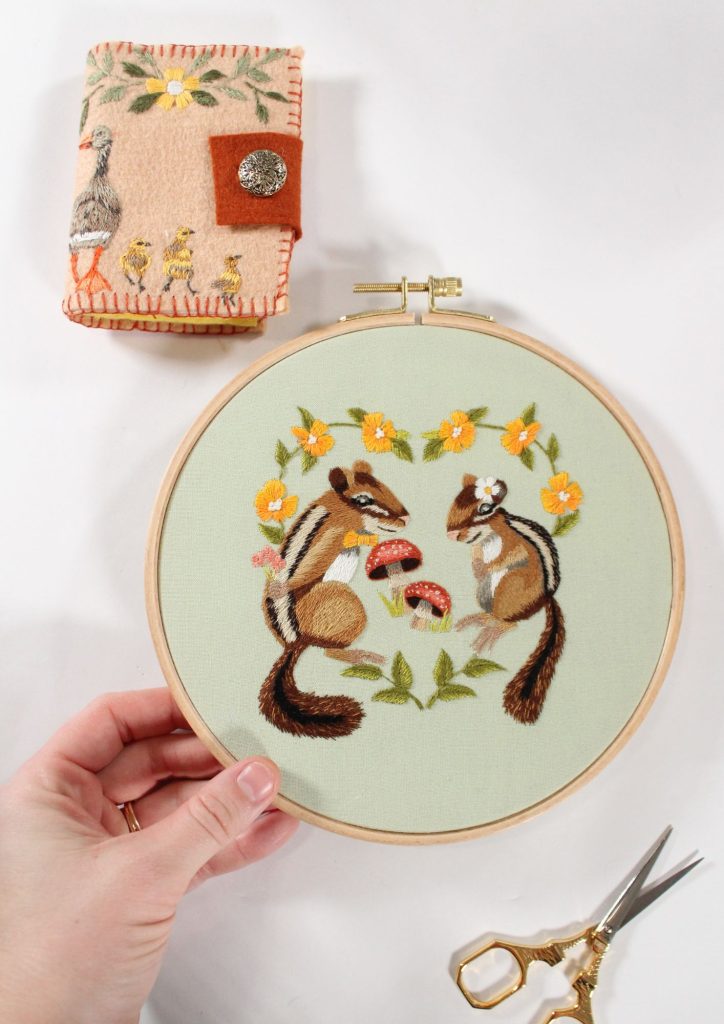
When it comes to creative embroidery techniques, exploring diverse stitches and materials can open a portal to limitless artistic avenues. A deeper understanding of various methods allows you to recognize the elements that will transform your projects into stunning statements of creativity. Let’s delve into some innovative techniques that you can incorporate into your embroidery journey, making textures and colors dance across your fabric.
Embrace the Charm of Stitches
One of the most vital aspects of embroidery is the stitches themselves. Incorporating different types of stitches can significantly affect the overall look and feel of your project. Here are a few stitches to consider:
- Satin Stitch: This stitch is characterized by smooth, lustrous fills that can add a luxurious touch to any piece. It’s perfect for creating elaborate motifs and floral designs.
- Chain Stitch: Chain stitch offers a decorative edge or outline. It can be used creatively to create dimensional patterns or waves that add visual movement to your embroidery.
- French Knot: These small knots can bring a delightful textural element to your designs. When used sparingly, they create charming accents and make specific areas of your work pop.
- Feather Stitch: This stitch has an elegant, flowing look. It resembles delicate leaves and is often used in botanical-themed projects or to add whimsy to everyday items.
Experimenting with these stitches can significantly elevate your embroidery. For instance, combining satin stitches with chain stitches can create dynamic contrasts in texture, captivating the viewer’s eye while adding depth to your overall piece.
Fabulous Fabric Selection
Choosing the right fabric is equally essential when exploring creative embroidery techniques. The base material of your project can either complement or clash with your chosen threads and stitches. Here are a few fabric types that can enhance your embroidery projects:
- Cotton: A popular choice due to its durability and versatility, cotton lends itself well to various embroidery techniques, making it ideal for beginners and experienced crafters alike.
- Linen: With its natural fibers and texture, linen adds a rustic, organic feel to embroidered pieces. It works beautifully with both delicate and bold stitches.
- Denim: Utilizing denim for embroidery can create a stunning contrast of textures. Darker denims make vibrant threads stand out dramatically, resulting in eye-catching artwork.
- Felt: This fabric is excellent for embroidery, especially for appliqué techniques. Its chunky texture allows intricate designs to emerge vibrantly.
By selecting the right combination of fabric and stitch, your designs can transform mundane craft projects into awe-inspiring creations. Don’t shy away from experimenting with unconventional materials, such as silk or burlap; they can add unexpected flair to your embroidery.
Color Palettes that Pop
Introducing color into your embroidery can enhance emotional impact and visual interest. Striking color palettes can bring your design to life, making it more appealing and relevant to the theme you wish to convey. Consider the following tips when selecting colors:
- Complementary Colors: Choose colors that are opposite on the color wheel for a vibrant contrast that catches the eye.
- Analogous Colors: Using colors that are next to each other on the color wheel can create harmony and richness in your design.
- Monochromatic Schemes: Sticking to a single color family can add depth and intrigue, exploring the variations of hue and saturation.
By coordinating colors effectively, you can heighten the emotional narrative of your embroidery, enticing viewers to engage with your art on a more profound level.
| Technique | Benefits |
|---|---|
| Texture Exploration | Incorporates varied materials like lace and felt to create depth in projects. |
| Color Blending | Utilizes gradients and contrasting shades for visual interest. |
| Layering Techniques | Creates a multi-dimensional effect in embroidery by layering threads. |
| Inventive Stitching | Encourages originality through unique stitch patterns. |
In the realm of Creative Embroidery Techniques, the fusion of textures and colors can unlock endless possibilities for craft enthusiasts. By exploring various textures, such as combining smooth silks with rugged canvas or incorporating materials like lace and felt, artisans can add a tactile dimension that invites touch. This layering of materials not only enhances visual appeal but also creates a dynamic relationship between color and texture.Moreover, the art of color blending is essential for crafting pieces that pop. Employing gradients and contrasting shades can evoke emotions and draw the eye, turning simple stitches into breathtaking masterpieces. Inventive stitching is yet another technique that drives creativity, allowing artisans to invent custom stitch patterns that reflect their personal style.Explore these techniques further and transform your craft projects into statements of artistic expression. Each stitch can tell a story, inviting viewers to engage with the art like never before.
DON’T MISS OUT: Click here to discover unique DIY decoration ideas
Innovative Techniques for Dynamic Embroidery
As you venture further into the realm of creative embroidery techniques, don’t overlook the usefulness of embellishments and mixed media. Incorporating various elements can elevate your work, giving it a one-of-a-kind flair that isn’t just about the stitches or the thread. Let’s explore some innovative methods and ideas that expand the possibilities of embroidery, enhancing both texture and color.
Adding Dimension with Appliqué
Appliqué is a technique where fabric cutouts are sewn onto a base fabric, creating layers that add dimension to your piece. This method is especially effective when paired with embroidery, as it allows you to emphasize certain aspects of your design with contrasting fabrics. Here are a few tips to maximize your appliqué projects:
- Layering Techniques: Experiment with layering multiple fabrics, such as tulle, felt, or patterned cottons. This adds visual intrigue and can produce an eye-catching multi-dimensional effect.
- Embellished Edges: Use decorative stitches to finish the edges of your appliqué. Techniques like buttonhole stitch or zigzag stitch can not only secure the appliqué in place but also add textural contrast.
- Play with Scale: Alter the size of the appliqués within the same project. A mix of large and small shapes creates a sense of balance and movement throughout your design.
By embracing the versatility of appliqué, your embroidery becomes a canvas for creativity that engages the viewer on different levels.
Texture through Beads and Sequins
Incorporating beads and sequins is another impactful way to enhance texture in your embroidery work. The sparkle and shine of these embellishments can create an alluring contrast against the softness of thread. Here’s how you can effectively use them:
- Strategic Placement: Rather than overwhelming your piece with beads, consider using them as focal points. Placing them at junctions or transitions between stitches can draw attention where you want it most.
- Mixing Mediums: Pair beads with various thread types, such as metallic and matte, to create an engaging visual tapestry. The interplay of different finishes adds complexity to your project.
- Bead Embroidery Techniques: Techniques such as bead weaving or couching can incorporate beads directly into stitch patterns. This method can introduce both tactile and visual elements into your embroidery.
The strategic use of beads and sequins transforms your work into multidimensional masterpieces that catch light and convey a sense of liveliness.
Explore Dyeing Techniques for Unique Effects
Dyeing fabric and threads can radically change the atmosphere of your project. Techniques such as tie-dye or ombré can result in stunning gradients and unpredictable designs. Experimenting with color can also result in unique textures:
- Natural Dyes: Using plant-based or vegetable dyes can yield vibrant, eco-friendly colors that are unique to each batch, allowing personalization in every piece.
- Watercolor Effects: Achieving a watercolor effect can be done through a fabric painting technique that can be embroidered over, giving the impression of movement and fluidity.
- Resist Dyeing Techniques: Methods such as batik or tie-dye can create intricate patterns that add both visual and textural complexity when incorporated into embroidered designs.
Dyeing offers a fresh perspective on color and texture in embroidery, pushing the boundaries of traditional craft projects by combining artistry and technique.
Your exploration of creative embroidery techniques should be limitless. With the integration of appliqué, embellishments, and dyeing methods, you can manifest pieces that not only resonate aesthetically but also tell stories that inspire. As you experiment with these methods, don’t forget that the journey itself is just as important as the finished product.
DISCOVER MORE: Click here to step beyond your limits</p
Conclusion: Unleashing Creativity in Embroidery
In the vibrant world of creative embroidery techniques, the possibilities are limited only by your imagination. By embracing techniques such as appliqué, beadwork, and dyeing, you unlock avenues for creating not just beautiful, but also tactile and expressive pieces. Each method—whether it’s layering fabrics to craft depth, strategically placing beads for a sparkle, or utilizing natural dyes for unique colorways—enhances your projects, inviting viewers to engage with your work on multiple levels.
As you embark on your embroidery journey, remember that experimentation is key. Explore various materials and styles to discover what resonates with your artistic voice. Don’t shy away from mixing different techniques; often, it’s the unexpected combinations that produce the most compelling results. As you push the boundaries of traditional stitching and incorporate modern elements, you redefine what embroidery can be—a truly multifaceted art form.
Ultimately, let your passion for embroidery serve as a canvas for storytelling—connecting threads of color and texture to convey emotions, memories, and experiences. Every stitch you make contributes to an ongoing narrative, celebrating not just the end product but also the creativity and craftsmanship involved in the process. So gather your materials, nurture your ideas, and dive into the wonderful, textured world of embroidery, where each creation is a testament to your unique artistic spirit.
Related posts:
Fabric Painting Techniques: How to Personalize Your Handmade Creations
Fabric Stamping Techniques: Personalizing Clothes and Accessories with Style
Acrylic Painting Techniques: Blending Styles and Textures for Canvas Art
Transforming Recyclable Materials into Crafts: Tips and Creative Techniques
Creative Upcycling Transform Recyclable Materials into Art Projects
Creation of Jewelry with Wire Techniques: Transforming Materials into Unique Accessories

Linda Carter is a writer and creative hobbies expert specializing in crafting, DIY projects, and artistic exploration. With extensive experience helping individuals discover their creative potential and bring their ideas to life, Linda shares her knowledge on our platform. Her goal is to empower readers with practical tips, inspiring ideas, and step-by-step strategies for success in the world of creative hobbies.