Creation of Jewelry with Wire Techniques: Transforming Materials into Unique Accessories
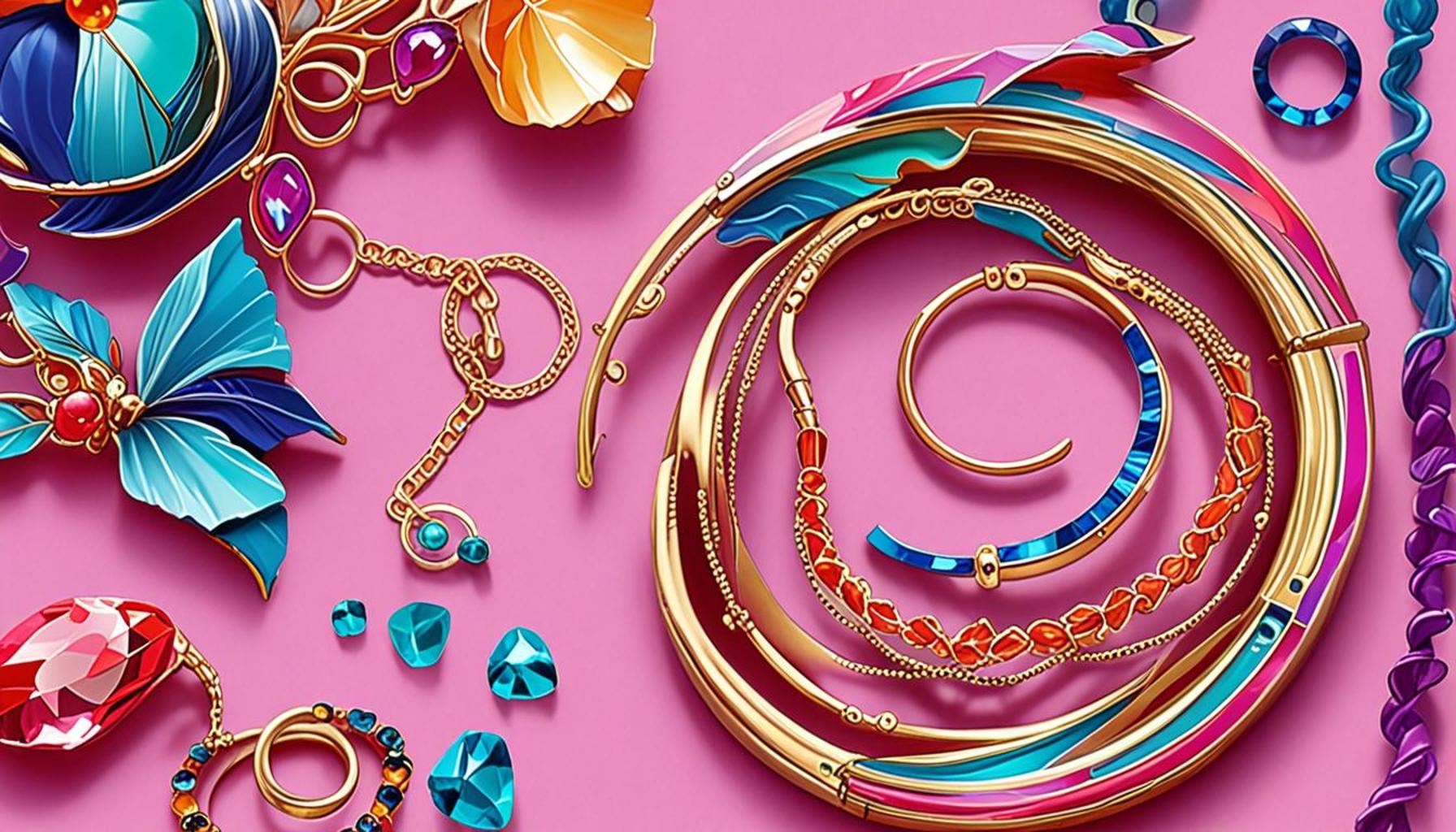
Exploring the Art of Wire Jewelry Making
In the world of fashion and accessories, few things capture the imagination quite like handcrafted jewelry. The ability to transform simple materials into stunning pieces is not just an art; it’s a passion that brings joy to many. Wire jewelry making stands out as a captivating craft that allows artisans to express their creativity while producing wearable art.
One of the most striking aspects of wire jewelry making is its versatility. Artisans can create an array of items, from delicate necklaces and bold bracelets to intricate earrings and custom pendants. For example, a handmade wire-wrapped pendant can showcase colorful gemstones, while a braided wire cuff bracelet can incorporate various textures and colors. This plethora of options means that each piece can cater to different tastes and styles, making it a favorite among jewelry enthusiasts.
Another appealing characteristic is its affordability. Wire jewelry can be made with materials that are relatively inexpensive, such as aluminum, copper, or brass wires. These options make it accessible not only to seasoned jewelry makers but also to beginners more inclined to explore this enchanting art form without a hefty investment. Furthermore, artists can often scavenge for unique embellishments at local flea markets or craft fairs, which adds a personal touch to each creation while keeping costs reasonable.
Personalization is a hallmark of wire jewelry, allowing makers to infuse their creations with their personality or meet the specific desires of customers. By incorporating initials, birthstones, or even symbols significant to the wearer, artisans can craft pieces that hold emotional resonance. For instance, a mother may order a wire necklace featuring her children’s initials, creating a cherished keepsake that she can wear every day.
The tools of this trade are relatively simple, including pliers, cutters, and various gauges of wire, yet the potential for intricate designs is boundless. Artists can learn techniques such as coiling, weaving, and wrapping, each resulting in a unique aesthetic. A well-executed wire design can narrate a personal story or symbolize an important life event, adding layers of meaning to the jewelry. With the right techniques and a dash of imagination, every artist has the opportunity to create pieces that resonate with diverse audiences.
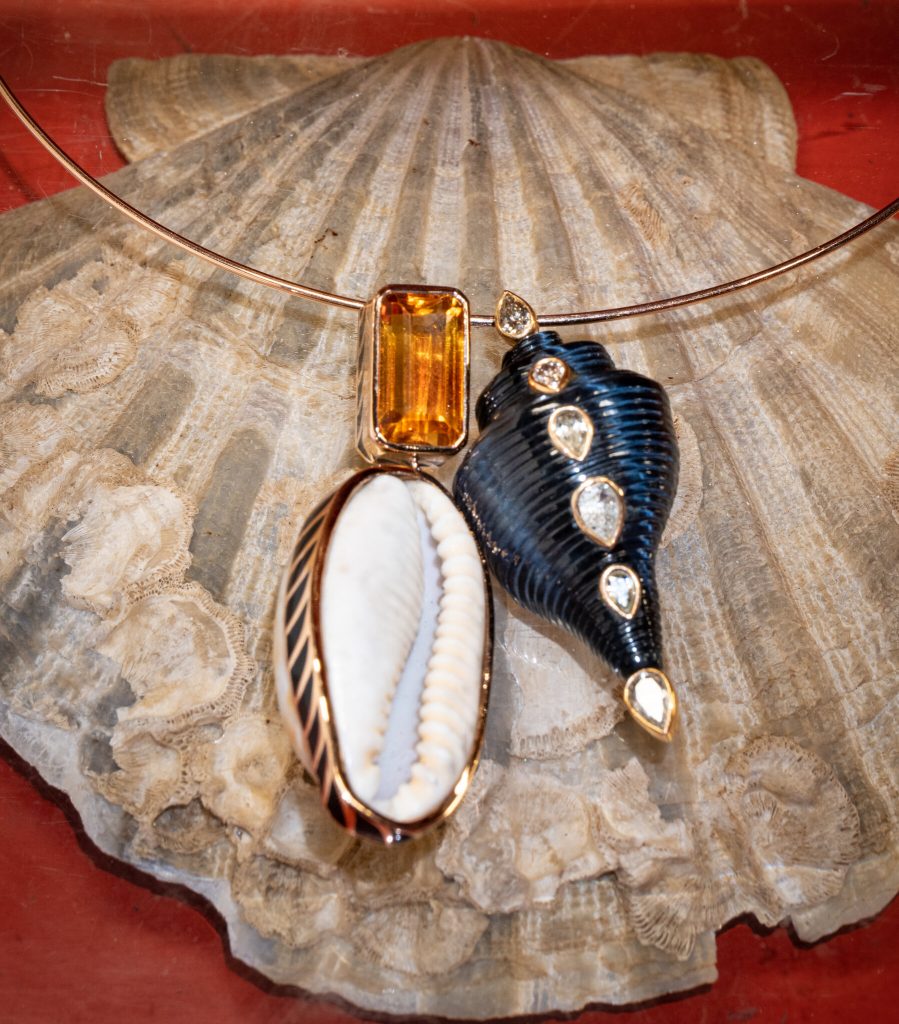
For those new to wire jewelry making, numerous resources are available, from online tutorials to local crafting workshops. Engaging with communities on platforms such as Instagram or Pinterest can provide inspiration and foster connections with fellow enthusiasts. As we delve deeper into various wire techniques in future discussions, we’re excited to uncover tips and ideas that will inspire your next project, encouraging you to embrace your creativity and embark on a rewarding journey in the enchanting world of wire art.
DISCOVER MORE: Click here to dive into creative decoration ideas
The Foundation of Wire Jewelry Techniques
To appreciate the creation of jewelry with wire techniques, one must first understand the essential techniques that serve as the foundation of this fascinating craft. Wire jewelry making is not merely about twisting and bending metal; it involves a meticulous approach that harmonizes creativity with skill. Each technique offers its unique flair, enabling artisans to manipulate wire into stunning wearable art.
Popular Techniques in Wire Jewelry Making
Wire jewelry encompasses a variety of techniques, each offering a different method for transforming simple wires into intricate designs. Some of the most popular wire techniques include:
- Wire Wrapping: This technique involves wrapping wire around stones or other central elements to create a physical and visual bonding. By using various gauges of wire, artists can control the look and feel of each piece, allowing for both delicate and sturdy designs.
- Coiling: Coiling involves spiraling the wire to create patterns and texture. The resulting curls and loops can be used in earrings, necklaces, and even bracelets, adding depth and movement to the piece.
- Weaving: Weaving consists of interlacing multiple wires to create intricate patterns. This technique can transform a simple piece into a complex expression of artistry, showcasing the maker’s skill and creativity.
- Chain Making: Artisans can connect multiple links together to create custom chains for necklaces and bracelets. This allows for personalization in length and style, catering to individual preferences.
Each technique not only brings a different visual element but also requires an understanding of wire properties. For example, softer metals like copper are easier to manipulate but may require additional care to avoid tarnishing. On the other hand, aluminum, although lightweight and rust-resistant, provides a unique texture that can enhance design appeal.
The Importance of Wire Gauge
Understanding wire gauge is crucial in wire jewelry, as it refers to the thickness of the wire used in creations. A thicker wire gauge offers durability and sturdiness, ideal for structural components, while a thinner gauge allows for delicate designs and fine details. The choice of wire gauge not only affects the aesthetic but also the functionality of the jewelry piece:
- 28-30 gauge: Best for delicate projects like intricate designs or tying multiple small beads.
- 20-24 gauge: Commonly used for body structures and foundational elements where durability is needed.
- 16-18 gauge: Suitable for larger components such as hoops or prominent pendants that require more strength.
By carefully selecting both technique and wire gauge, artisans are equipped with the tools needed to create pieces that resonate with wearers on a personal level. As we dive deeper into specific projects and ideas in subsequent sections, the emotional connection behind each handcrafted piece will be illuminated, inspiring new interpretations of the wire jewelry-making journey.
| Advantages | Key Features |
|---|---|
| Creative Freedom | Wire techniques offer artisans limitless possibilities for intricate designs and personal expression. |
| Cost-Effective Materials | Using readily available wire, artisans can create stunning pieces without the hefty price tag of traditional materials. |
| Customization Potential | Each piece can be tailored to individual tastes, allowing customers to purchase truly one-of-a-kind jewelry. |
| Lightweight and Comfortable | Wire jewelry tends to be lighter than other types, making it easier and more comfortable to wear throughout the day. |
The world of jewelry creation is constantly evolving, and wire techniques are at the forefront of this transformation. By utilizing basic wire manipulation methods, artisans can produce designs that not only catch the eye but also tell a story. This can range from cultural symbolism to personal anecdotes embedded within the design.Additionally, the accessibility of wire as a primary material means that anyone, from beginners to seasoned artisans, can embark on this creative journey. Workshops and online courses centered around wire techniques have also made this craft more approachable, allowing a wider audience to explore their creativity. As this trend continues to flourish, it’s evident that wire techniques in jewelry-making will not just remain a niche but will likely become an integral part of the artisan landscape. By delving into the art of wire jewelry making, creators can not only produce beautiful accessories but also engage in a shared community of enthusiasts who constantly inspire innovation and collaboration.
For more inspiration: Click here to discover seasonal DIY ideas
Exploring the Material World of Wire Jewelry
The creation of jewelry with wire techniques is rooted not only in artistic expression but also in the choice of materials. While metal wire serves as the backbone, other elements can elevate a piece from simple to extraordinary. Pathways of innovation can arise from combining various materials, and understanding their qualities is essential for any artisan.
Complementary Materials in Wire Jewelry
In addition to wire, artisans frequently incorporate beads, gemstones, and other embellishments, each of which adds to the overall narrative of the jewelry piece:
- Gemstones: The allure of gemstones is unmatched. From agates to diamonds, incorporating these natural beauties can enhance the aesthetics and value of wire jewelry. Artisans often choose stones based on their color, cut, and metaphysical properties, which can resonate with the intended wearer.
- Beads: Beads come in a myriad of shapes, sizes, and materials, ranging from glass to wood. They offer endless possibilities for design, allowing artisans to create vibrant patterns and intricate detailing. Many artists experiment with the contrast between the glossy finish of glass beads and the raw, textured feel of wire.
- Leather and Fabric: For those looking to infuse a modern or bohemian touch, leather cords and fabric strips can be woven or wrapped with wire techniques. This combination not only adds texture but also creates a unique aesthetic that appeals to diverse fashion styles.
Using complementary materials broadens the scope of creativity in wire jewelry making. Experimenting with textures and colors fosters an environment for innovation, allowing artisans to push the boundaries of traditional wire work.
Incorporating Color: Patinas and Enamels
Another captivating aspect of wire jewelry is the use of color, which can be achieved through various techniques. One popular method is the application of patinas, a chemical treatment that induces corrosion to create striking hues on metal surfaces. This technique allows artisans to create a rustic, vintage look by altering the copper or brass wire’s natural color, transitioning it into shades of green, blue, or deep brown.
Similarly, enameling, a process in which powdered glass is fused to the wire through heat, provides artists the opportunity to introduce vibrant colors and exquisite finishes. Enamel can be layered and manipulated to produce fascinating textures, which can be a game-changer in creating bold statements in wire jewelry.
The Role of Tooling and Workspace
The creation of jewelry with wire techniques is also heavily reliant on the right tools. Essential tools include wire cutters, bent chain nose pliers, flush cutters, and mandrels, allowing artisans to shape and manipulate wire with precision. A dedicated workspace, equipped with good lighting and organizational units for storing tools and materials, can significantly enhance both the efficiency and creativity of the jewelry-making process. Many artisans recommend creating an inspiring environment, as it fosters an atmosphere conducive to brainstorming and crafting.
As individuals begin to explore the vast universe of wire jewelry making, understanding the significance of materials and techniques can lead to groundbreaking discoveries in style and design. The quest for uniqueness through wire techniques transforms raw materials into cherished heirlooms, waiting to be worn and celebrated for generations. The stories told through each carefully crafted piece highlight the intimate connection between creator and creation, making every item a testament to artistic vision and craftsmanship.
DISCOVER MORE: Click here to step out of your comfort zone</a
Conclusion: The Endless Possibilities of Wire Jewelry
In the creation of jewelry with wire techniques, the journey is as beautiful as the destination. The interplay of various materials, coupled with innovative techniques, allows artisans to transform mere wire into heartfelt expressions of individuality. With every twist and turn, unique pieces emerge that not only adorn the body but also tell a story, reflecting the artist’s vision and the wearer’s personality.
The incorporation of complementary materials such as gemstones, beads, leather, and fabric adds depth, texture, and vibrancy, pushing the boundaries of conventional wire jewelry. Techniques such as patinas and enameling deepen the aesthetic appeal, inviting further exploration into color and design. As the creativity in this craft flourishes, so too does the potential for personal expression, with each creation standing as a testament to the artisan’s skill and imagination.
The right tools and a dedicated workspace enhance the crafting experience, enabling artists to realize their creative aspirations efficiently. In this evolving landscape of wire jewelry making, there is a continued invitation for all individuals, whether novices or seasoned creators, to delve into the artform. By embracing new materials and techniques, the possibilities for innovation are truly endless. The art of transforming ordinary materials into unique accessories not only enriches the wearer’s life but also cultivates a vibrant community of artists passionate about their craft.
Ultimately, the creation of jewelry with wire techniques is about more than just making accessories; it’s a celebration of creativity, craftsmanship, and personal connection. Each piece crafted serves as a cherished keepsake and an opportunity to explore the boundless world of art. So whether you choose to create or to wear, know that you engage in a timeless tradition that resonates through generations, inviting you to connect not just with the jewelry itself, but with the stories behind each piece.
Related posts:
Techniques of Creative Reuse: Transforming Everyday Materials into Works of Art
Decoupage Techniques: Customizing Furniture and Objects with Paper and Creativity
Fusion of Techniques: Combining Painting and Craft for Unique Projects
Watercolor Painting: Exploring Blending and Layering Techniques for Stunning Effects
Acrylic Painting Techniques: Blending Styles and Textures for Canvas Art
Creative Embroidery Techniques: Incorporating Textures and Colors in Craft Projects

Linda Carter is a writer and creative hobbies expert specializing in crafting, DIY projects, and artistic exploration. With extensive experience helping individuals discover their creative potential and bring their ideas to life, Linda shares her knowledge on our platform. Her goal is to empower readers with practical tips, inspiring ideas, and step-by-step strategies for success in the world of creative hobbies.