Crafting with Code: Innovative Projects That Combine Programming and Creative Hobbies
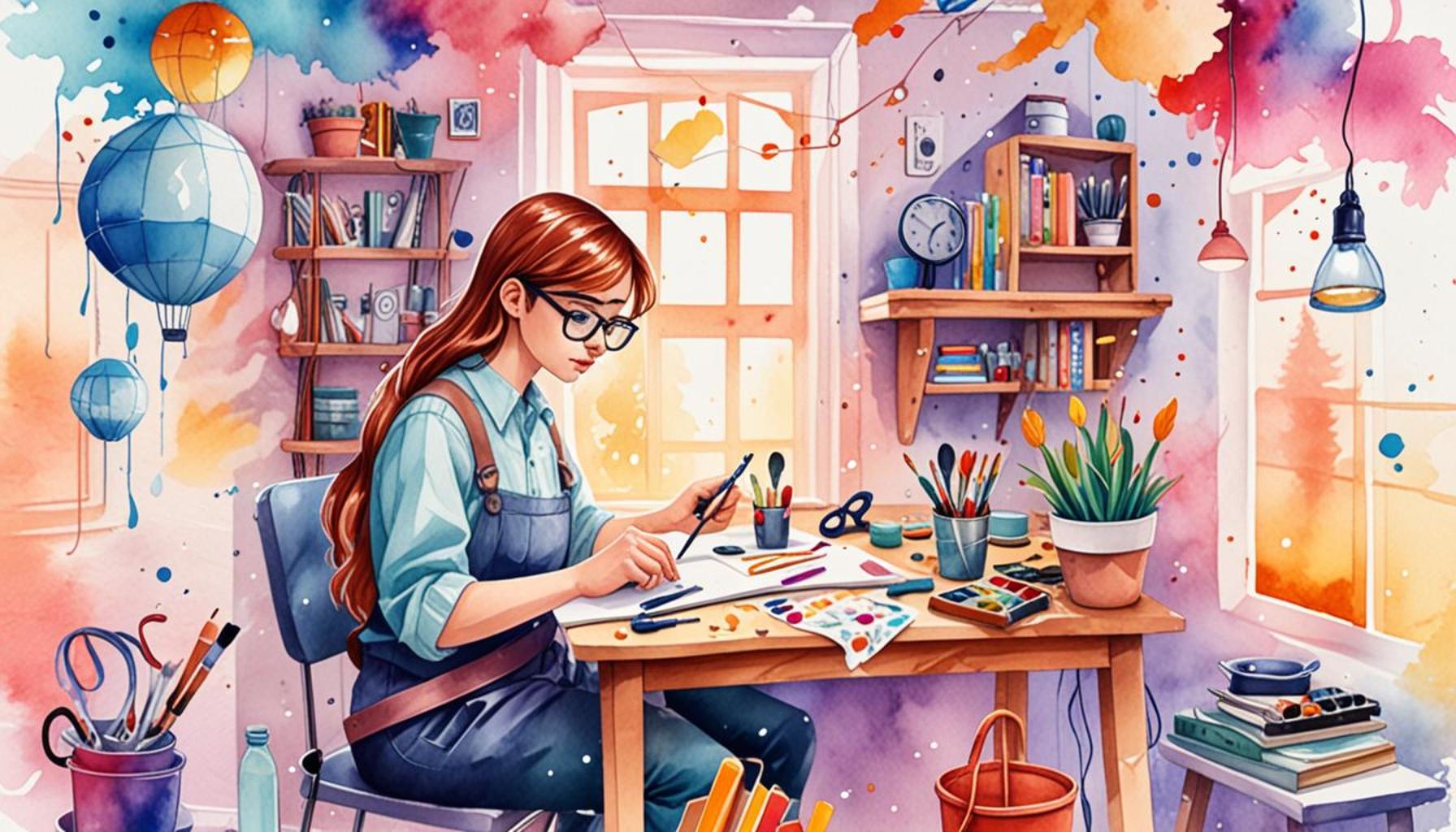
Bridging Creativity and Technology
In today’s digital age, the fusion of crafting and programming has sparked a new wave of innovation. Artists, makers, and tech enthusiasts are stepping beyond traditional boundaries, blending their passions in ways that were once unimaginable. This article dives into the exciting world of crafting with code, showcasing projects that inspire and engage.
Why Combine Code with Crafts?
- Enhanced Creativity: Programming offers a unique toolkit for expressing artistic ideas. With the ability to manipulate sound, light, and interactivity, creators can produce works that evoke emotions and provoke thought in ways that conventional mediums cannot.
- Functional Art: Create pieces that not only look good but also serve a purpose. This intersection allows for the design of items like smart home devices that are as visually pleasing as they are functional, merging aesthetics with practicality.
- Community Engagement: Join a growing community of hobbyists who share similar interests. Online platforms, workshops, and maker fairs are thriving, where people connect, collaborate, and share their innovative projects, fostering a sense of belonging and shared creativity.
As various disciplines intersect, innovative projects emerge that redefine what it means to create. Imagine turning your programming skills into tangible items like:
- 3D-printed sculptures that react to environmental data. For example, an artist could create a shape that changes color based on temperature or humidity levels, making the artwork not just aesthetically pleasing but also a commentary on climate change.
- Wearable tech that showcases your personal style while keeping you connected. Devices like smart jewelry or clothing with embedded LEDs enable users to express their individuality while remaining in tune with their digital lives, blending fashion with functionality.
- Interactive installations that engage the audience in immersive experiences. Galleries and public spaces are increasingly hosting setups where viewers can manipulate the art through their actions, making them a part of the creative process.
Explore how these projects not only engage our minds but also challenge our traditional perceptions of creativity. For instance, art students are often encouraged to venture into coding workshops, illustrating how essential programming has become in the artistic curriculum. Whether you’re an experienced coder or just dipping your toes into programming, there’s something valuable for everyone in this modern crafting landscape. The possibilities are endless, encouraging a blend of imaginative thinking and technical skill that drives innovation forward.
DISCOVER MORE: Click here to dive deeper into the emotional power of music
The Art of Digital Creation
As the overlap between technology and creativity continues to grow, the concept of crafting with code takes center stage. This merging of disciplines opens up a myriad of opportunities for artists, engineers, and hobbyists alike to explore new techniques in self-expression and innovation. From coding workshops to maker spaces, a vibrant subculture has emerged, celebrating the union of creativity and computational thinking.
Transforming Ideas into Interactive Experiences
One of the most exciting aspects of combining programming and crafting is the ability to transform static ideas into dynamic experiences. For instance, interactive art installations have taken galleries by storm, allowing spectators not only to appreciate art but also to actively participate in its creation. Through sensors and code, artists can create responsive environments that change based on audience interaction. Whether it’s light, sound, or visuals, these installations provide a powerful outlet for artistic expression.
- Algorithmic Art: Artists can employ algorithms to generate visual compositions that are unique and ever-changing. Tools like Processing or p5.js allow creators to program visual art, leading to mesmerizing displays that can captivate viewers.
- Sound Art: Programmers can create soundscapes that are not just heard, but felt. With the integration of audio programming languages like SuperCollider or Max/MSP, artists can develop immersive audio experiences that respond to user input.
- Kinetic Sculptures: Building on traditional sculpture with moving parts, artists can integrate motors and sensors controlled by code, resulting in pieces that not only look beautiful but also engage viewers through motion and interactivity.
Moreover, the realm of wearable technology has opened new avenues for crafting with code. By merging textiles with sensors and microcontrollers, designers are now able to create pieces that adjust to their environment. Wearable tech isn’t just about functionality; it has the potential to revolutionize fields like fashion and health. Devices like smart shirts can monitor vital signs, while LED-embedded garments can change colors or patterns based on social media notifications, showcasing how personal expression and technology can blend seamlessly.
In educational contexts, initiatives to integrate coding into art curriculums are on the rise. Schools and creative spaces are increasingly offering programs that teach students how to use coding to complement their artistic endeavors. This movement not only enhances the skill set of young creators but also prepares them for a future where technology and art are intrinsically linked.
The world of crafting with code showcases an endless array of possibilities where innovation meets creativity. Whether through the tactile joy of making or the intellectual challenge of programming, the intersection of these fields opens doors for unparalleled artistic exploration. As we delve deeper into more groundbreaking projects, discover how this fusion is reshaping traditional roles and redefining what it means to create in the 21st century.
| Category | Details |
|---|---|
| Programming Projects | Integrating coding skills with creative hobbies enhances personal growth and technical proficiency. |
| Creative Hobbies | Allow for unique expressions and innovations using digital tools, resulting in customizable outcomes. |
The fusion of coding and craftsmanship opens a plethora of opportunities for enthusiasts. By engaging in programming projects, individuals can leverage their coding skills to create personalized applications, automate creative processes, or even prototype innovative tools that cater to their artistic needs. This synergy not only enhances their logical problem-solving skills but also fosters a unique perspective in approaching creative tasks.Similarly, those who indulge in creative hobbies—such as knitting, woodworking, or digital design—are finding that incorporating programming can significantly elevate their craft. For instance, a hobbyist in sewing can program a microcontroller to design custom embroidery patterns, reflecting a blend of technology and artistry. This fascinating intersection also encourages collaboration among communities, leading to workshops and online collaborations that share knowledge and ideas. With growing interest in spaces like maker fairs and online tutorials, the opportunity to learn these skills is more accessible than ever, urging the creative-minded to dive into the exciting worlds of coding and creative expression.
DISCOVER MORE: Click here for creative crafting tips
Embracing Technological Tools in Traditional Crafts
As the landscape of crafting evolves, traditional art forms are being infused with technology, leading to groundbreaking innovations. With the advent of 3D printing and CNC (Computer Numerical Control) machines, artisans are now able to produce intricate designs that were once limited to the imagination or labor-intensive handcraft techniques. This fusion of traditional craftsmanship and modern technology allows artists to push the boundaries of what is possible in the realm of making.
3D Printing: A New Canvas for Creativity
One of the most significant advancements in the world of crafting with code is 3D printing. Hobbyists and professionals alike can design and fabricate objects that range from sculpture to functional home decor. Programs such as Tinkercad and Blender enable creators to develop unique 3D models that can be transformed into tangible objects using a 3D printer. For example, a potter could create a custom mold to cast intricate ceramic pieces or an architect could develop a detailed scale model of their design concepts.
- Custom Jewelry Design: Crafting artisans have embraced 3D printing to design bespoke jewelry pieces. Utilizing software like RhinoGold or Fusion 360, creators can produce intricate, one-of-a-kind items that showcase both their artistic vision and technical skill.
- Functional Art: Artists are pioneering new frontiers of functional art by producing uniquely designed furniture or home items through 3D printing. Creative thinkers can experiment with forms that would be incredibly difficult to achieve through traditional woodworking techniques.
- Prototyping for Innovation: Inventors and designers are using 3D printing for rapid prototyping. This allows them to iterate on their ideas quickly, receiving feedback and adjusting designs seamlessly before going into mass production.
Additionally, the incorporation of CNC machining into crafts provides another layer of sophistication. CNC machines use coded instructions to carve, mill, or engrave materials like wood, plastic, and metal with incredible precision. This technology opens up opportunities for artisans to create elaborate designs with a level of detail that manual techniques cannot match, fostering an era where creativity meets exactitude.
The Magic of Coding in Textile Arts
The world of textiles is also transforming through the use of coding. Programmable sewing machines and digital knitting technologies empower designers to merge patterns and functionality creatively. Artists can leverage software to create garments that incorporate complex motifs or even programmable features. For instance, “smart textiles” can react to temperature or movement, offering endless possibilities in fashion design.
- Interactive Fashion: Designers are embedding microcontrollers into fabrics to create garments that light up or change color. Fashion shows now feature clothing that responds to music beats or audience applause, merging aesthetics with performance in thrilling displays.
- Textile Prototyping: Coding allows designers to prototype textile patterns quickly, enabling multiple variations in a fraction of the time previously required. This becomes crucial in fields where trends change rapidly, such as in the fashion industry.
The growing trend of maker communities plays a vital role in this innovative cross-disciplinary environment. These collaborative spaces provide the tools, resources, and knowledge-sharing opportunities that encourage experimentation and skill development in crafting with code. Events such as hackathons and workshops bring together coders and artists, creating an atmosphere ripe for creativity and invention, pushing the envelope of traditional arts into the realm of the unexpected.
As we explore this dynamic intersection of programming and creative hobbies, there remains an exciting potential for innovation to reshape the future of crafting. The journey is just beginning, and the merging of technology and art promises to unveil creative horizons we have yet to discover.
DISCOVER MORE: Click here to explore creative upcycling ideas
Conclusion: The Future of Crafting with Code
In an era where technology and creativity are increasingly intertwined, crafting with code stands at the forefront of artistic innovation. By merging traditional techniques with modern tools like 3D printing and CNC machining, creators are not only elevating their craft but also redefining the possibilities of what can be achieved. This synergy between programming and creative hobbies invites crafters to experiment, collaborate, and innovate in ways that were once unimaginable.
The captivating rise of smart textiles and interactive fashion underscores the transformative power of coding in the textile industry, illustrating how garments can be infused with technology to enhance functionality and expressiveness. The dynamic landscape created by these advancements is amplified by the emergence of maker communities, where individuals can share knowledge, resources, and experiences, fostering an inclusive environment where ideas can flourish.
As we move forward, the potential for crafting with code will only continue to expand, inspiring a new generation of artisans to explore this unique marriage of art and technology. Whether it’s through the lens of developing bespoke jewelry, creating intricate furniture, or designing responsive textiles, the journey promises to be rich with exploration and discovery. It’s clear that the future of crafting with code is not only about making but also about reimagining what is possible in the world of creativity. Embrace this frontier—who knows what extraordinary projects await your imagination?
Related posts:
Technology and Creativity: How to Use 3D Printers in Artistic Hobbies
The Art of Digital Storytelling: Innovative Projects Merging Literature and Multimedia
The Future of Home Gardening: Innovative Hydroponic Projects for Urban Dwellers
Unlocking Creativity: Innovative Upcycling Projects for Home Decor
Crafting with Purpose: Innovative Community Projects that Promote Social Change through Creative Hob...
Digital Art Therapy: Innovative Projects Combining Creativity and Mental Health Benefits
Linda Carter is a writer and creative hobbies expert specializing in crafting, DIY projects, and artistic exploration. With extensive experience helping individuals discover their creative potential and bring their ideas to life, Linda shares her knowledge on our platform. Her goal is to empower readers with practical tips, inspiring ideas, and step-by-step strategies for success in the world of creative hobbies.