Basketry Techniques: Transforming Natural Materials into Functional and Artistic Pieces
The Craftsmanship Behind Basketry
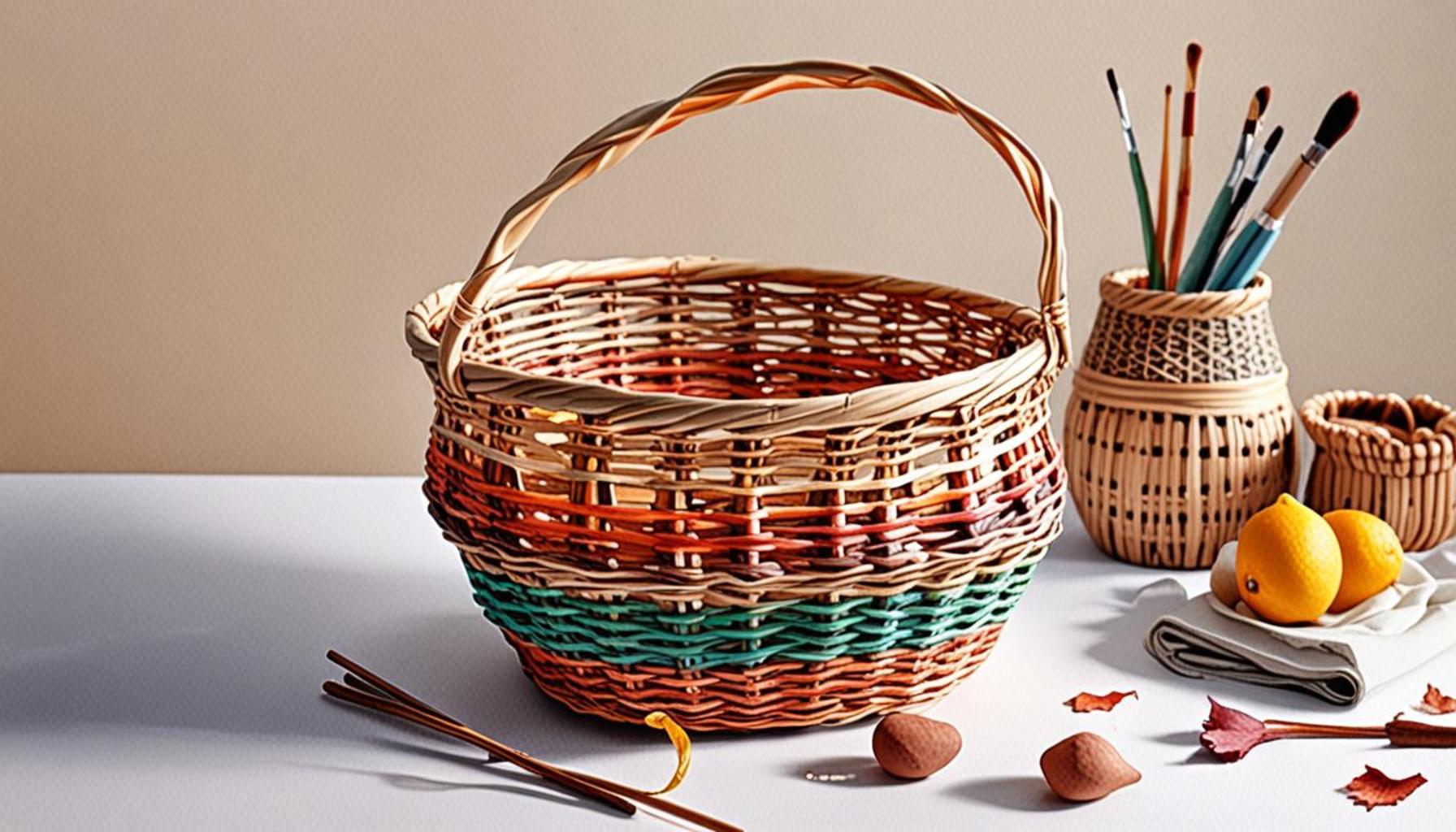
Basketry is not just a simple craft; it represents a rich tapestry of history, culture, and artistry that has been passed down through generations. Artisans wield natural materials like grass, willow, and reeds to create not only functional items but also artistic pieces that tell stories and engage the senses. The versatility of these materials allows for innovative designs that cater to both practical needs and aesthetic desires.
Throughout history, basketry has evolved into a form of artistic expression that varies widely across cultures and regions. In the United States, for example, Native American tribes have developed distinctive styles that reflect their environment and societal values. The Cherokee baskets, often made from rivercane, showcase intricate patterns and symbolic designs, while the Shaker community is renowned for their simple, utilitarian baskets that highlight functionality and minimalism.
Employing various techniques is fundamental to the art of basketry. Some of the most prominent methods include:
- Coiling: This method involves stitching together coils of materials into a desired shape, allowing for intricate patterns and complex designs.
- Woven: In this technique, artisans interlace strands together to establish a solid structure, whether for a traditional basket or a modern interpretation.
- Twining: This approach employs two sets of flexible fibers that intertwine, creating not only strength but also unique patterns that often have cultural significance.
Beyond these core techniques, basketry encompasses an expansive range of designs and finishes, each reflecting the artisan’s creativity and connection to their heritage. From everyday items like storage baskets and picnic containers to elaborate wall hangings and sculptures, the scope of what can be created is virtually limitless. This dynamic craft not only emphasizes sustainability by utilizing biodegradable, locally sourced materials but also serves as a celebration of local traditions and skills.
For those interested in diving deeper into basketry, numerous workshops, craft fairs, and exhibitions exist across the United States, such as the National Basketry Organization’s events that champion those passionate about this art form. Whether you are a seasoned artisan or a curious beginner, exploring basketry techniques can greatly enhance your appreciation for craftsmanship and might ignite inspiration to create your own unique pieces. Join us as we delve into the fascinating world of basket weaving, where the natural seamlessly intertwines with the extraordinary.
DIVE DEEPER: Click here to discover innovative painting techniques
Exploring Traditional Basketry Techniques
Basketry techniques have long been revered for their ability to transform simple, natural materials into intricate and functional designs. Understanding these methods can provide a deeper appreciation for the artisans who utilize them to create both everyday items and stunning works of art. Among the various techniques employed in basket making, we find a wealth of cultural heritage along with innovation, which continues to inspire contemporary artistry.
Starting with the coiling technique, artisans create baskets by stitching together coils of materials, such as wild grasses or soft twigs, into pronounced patterns. This method is highly favored for its versatility, as it can yield baskets in numerous shapes and sizes, often adorned with vibrant colors and decorative embellishments. Notable examples can be spotted in Coastal Native American designs, where each coil tells a story through its color and form, reflecting the environment surrounding them.
The woven technique captures attention with its structured elegance. By interlacing strands of fibers—be they natural or synthetic—artisans construct baskets that are not only visually appealing but immensely practical. Many traditional American baskets, including those crafted by the Pennsylvania Dutch community, exemplify this technique. These baskets often serve utilitarian functions, such as storage solutions or serving trays, yet carry a distinct charm that celebrates their handmade quality.
Twining, another primary technique, employs two sets of flexible fibers that intertwine to form sturdy structures with unique aesthetic qualities. This technique is particularly rich in cultural significance, often found in the works of indigenous tribes across North America. For instance, the baskets made by the Pomo people utilize twining to create intricate designs that go beyond mere aesthetics, as they often symbolize important aspects of tribal identity and connection to the Earth.
Exploring these techniques reveals not merely the craftsmanship involved but also the profound meanings embedded in each creation. Baskets can be practical vessels for carrying goods, but they also represent cultural narratives and the living traditions of diverse communities. With the resurgence of interest in handcrafted items and sustainable practices, contemporary artisans are reimagining these traditional techniques, blending them with modern aesthetics and eco-friendly materials. This fusion of the old and the new is not only revitalizing the craft but also allowing it to thrive in a modern context.
As practitioners and enthusiasts continue to explore the world of basketry techniques, they engage in a dialogue with the past while forging connections to contemporary artistic practices. Understanding these techniques opens up new realms of creativity, encouraging both skilled artisans and curious beginners alike to experiment with natural materials and storytelling through their craft.
Through workshops and exhibitions, aspiring basket makers can discover the richness of these techniques, leading to a fulfilling journey that celebrates heritage and innovation. With each stitch and weave, they contribute to a timeless art form that continues to evolve while retaining its core essence.
| Advantages | Features |
|---|---|
| Sustainability | Utilizes natural materials, reducing environmental impact. |
| Artistic Expression | Encourages creativity through diverse designs and patterns. |
| Functionality | Produces durable pieces for everyday use. |
| Cultural Significance | Preserves traditional craftsmanship and heritage. |
Basketry techniques not only showcase the artistry involved in transforming natural materials into stunning pieces but also underscore their *functional* benefits. Sustainability plays a vital role, as these techniques prioritize eco-friendly practices by utilizing materials readily available in nature. This approach can help significantly minimize waste production, illustrating the potential for a more sustainable lifestyle. Moreover, the artistic expression inherent in basketry is noteworthy. Each crafted piece reflects a unique combination of design skills and creative vision, allowing artisans to demonstrate their personal style and culture. This creative outlet invites enthusiasts to experiment with patterns and textures, breathing new life into age-old practices. The resulting products are not only visually appealing but also possess functionality. Items such as baskets, mats, and decorative pieces serve practical purposes in daily life while providing aesthetic enjoyment. Lastly, the cultural significance of these techniques is profound, as they have been passed down through generations, allowing for the preservation and celebration of heritage, connecting artisans to their roots and history. Through these advantages, basketry techniques invite exploration and appreciation, encouraging a deeper understanding of the relationship between nature, art, and utility.
DIVE DEEPER: Click here to discover fabric painting techniques
Innovative Basketry Techniques in Modern Contexts
As interest in basketry continues to grow, many artisans are exploring innovative techniques that transcend traditional boundaries while still paying homage to the craft’s rich history. New methods are emerging, driven by advancements in material science and a heightened awareness of environmental sustainability. Artisans today are experimenting with techniques that not only enhance the aesthetic appeal of their creations but also promote the use of eco-friendly materials.
One such modern approach is the integration of recycled and reclaimed materials. Basket makers are now incorporating items like discarded textiles, plastic bags, and even old newspapers into their designs. This shift not only diversifies the textures and colors available for basket making but also resonates with a growing movement towards sustainability. For instance, contemporary artists like Ruth Asawa have dazzled audiences with their mastery of weaving unconventional materials, showcasing that basketry can indeed be a canvas for environmental activism.
Furthermore, the use of 3D printing technology has emerged as another frontier in basketry. Artists are using this technology to create intricate forms that would be challenging to achieve through hand-weaving alone. This technique allows for unprecedented precision and unique designs that challenge the traditional notions of basketry. By merging art with technology, artisans create functional pieces that appeal to a new generation of collectors and users who appreciate both artistry and innovation.
The revival of traditional techniques also sees a significant influence through workshops, community initiatives, and online tutorials. These educational platforms serve as valuable resources for individuals interested in delving into the world of basket making. Many community-centered programs emphasize the importance of cultural storytelling, connecting participants with local traditions and narratives. Engaging in these programs allows participants not only to learn technical skills but also to foster a deeper appreciation for the historical significance of each technique.
One prevailing aspect of modern basketry is the emphasis on artistic expression. Contemporary artists like Elisabeth O’Leary and Beth Haggerty are pushing the envelope, creating pieces that blur the lines between functionality and fine art. Their works often provoke thought, inviting viewers to consider the relationship between utility and decor. Through these explorations, basketry is no longer confined to utilitarian roles; it is also a form of personal expression, a reflection of societal values, and a medium for storytelling.
Through such engagements, both traditional and contemporary basketry techniques gain further visibility and relevance in today’s cultural landscape. The craft’s rejuvenation shines a light not only on aged methodologies but also on the potential for future innovations. Artists are continuously inspired by the natural world, evolving their techniques to incorporate new concepts that might challenge conventional notions of what a basket can represent.
The world of basketry is undeniably vibrant, with efforts to both honor and innovate upon its traditional foundations. As artisans around the globe deepen their practice, they cultivate a growing appreciation for both the heritage of basketry and its transformative power. This ongoing exploration is an invitation for enthusiasts and newcomers alike to delve into the rich tapestry of basket making, encouraging an ever-expanding dialogue among generations.
DISCOVER: Click here for creative crafting tips
Conclusion
As we have explored the world of basketry techniques, it is evident that this ancient art form is experiencing a remarkable renaissance. Artisans across the globe are not only preserving traditional skills but are also embracing new methods that breathe life into their creations. The integration of recycled materials and emerging technologies like 3D printing has expanded the possibilities for what basketry can entail, bridging the gap between functionality and artistic expression.
Moreover, the educational initiatives and community workshops play a crucial role in this revival, fostering connections between generations and emphasizing the cultural significance of basketry. Such programs enhance appreciation for traditional narratives while empowering participants to innovate and express their creativity. The collaborative spirit found in these spaces nurtures a deeper understanding of how basketry intertwines with environmental consciousness, as many artists commit to using sustainable practices.
In a rapidly evolving world, basketry remains a powerful medium for storytelling and personal expression. It challenges viewers to reconsider their perceptions of utility and aesthetics, exemplifying the unique capacity of art to reflect societal values and environmental concerns. As interest in this craft continues to gather momentum, we encourage readers to explore the diverse landscapes of basket making—whether by attending local workshops, supporting artisans, or even starting a personal crafting journey. This not only honors the rich heritage of basketry but also contributes to its dynamic and ever-evolving narrative.
Related posts:
Creation of Jewelry with Wire Techniques: Transforming Materials into Unique Accessories
Create Seasonal DIY Home Décor Personalized Ideas for Every Season
Techniques of Creative Reuse: Transforming Everyday Materials into Works of Art
Fabric Stamping Techniques: Personalizing Clothes and Accessories with Style
Fabric Painting: Exploring Application Techniques and Design for Clothing and Accessories
Decoupage Techniques: Customizing Furniture and Objects with Paper and Creativity

Linda Carter is a writer and creative hobbies expert specializing in crafting, DIY projects, and artistic exploration. With extensive experience helping individuals discover their creative potential and bring their ideas to life, Linda shares her knowledge on our platform. Her goal is to empower readers with practical tips, inspiring ideas, and step-by-step strategies for success in the world of creative hobbies.