Techs Impact on Creative Hobbies Innovative Projects Redefining Creation
Introduction
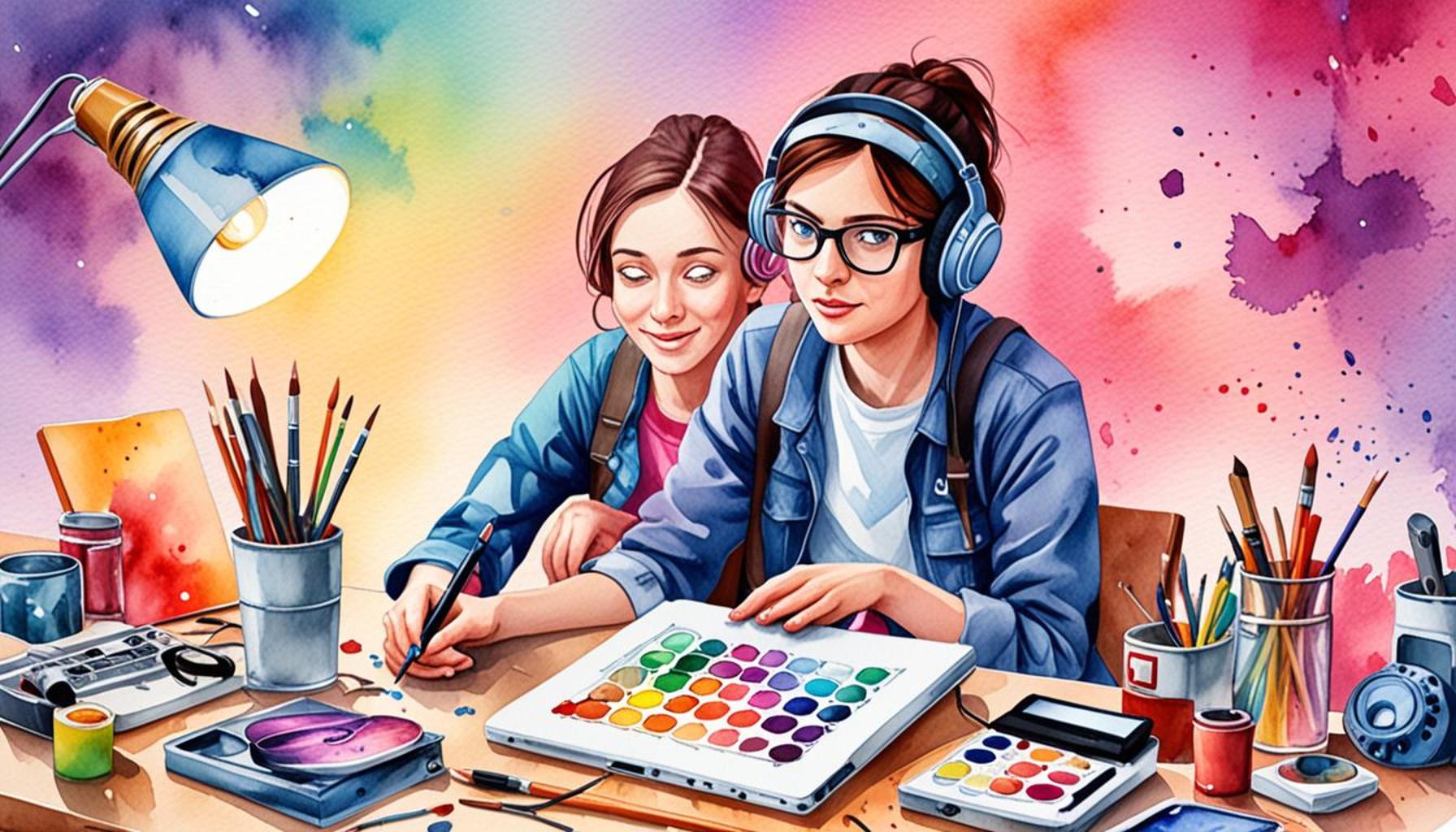
The world of creative hobbies is undergoing a seismic shift, driven by the rapid advancement of technology. As tools and platforms become more accessible, artists, crafters, and DIY enthusiasts are finding innovative ways to express themselves. This transformation is not just about convenience; it’s about redefining the very essence of creativity.
In this context, technology has enabled unprecedented opportunities for collaboration, experimentation, and sharing. Creative individuals are exploring a range of digital tools that enhance their capabilities, leading to remarkable outcomes. Some noteworthy trends include:
- 3D Printing for crafting unique pieces
- Online Workshops that connect creators globally
- Augmented Reality in designing interactive art
- Social Media Platforms for showcasing and monetizing work
- Software Applications for digital painting and design
As we delve deeper, we will uncover the Top 5 innovative projects that are reshaping how we approach our hobbies. These examples not only highlight individual creativity but also signify a broader cultural movement where technology and art converge.
Top 5: The Impact of Technology on Creative Hobbies – Innovative Projects Changing the Way We Create
In today’s fast-paced world, technology continues to reshape various aspects of our lives, including how we engage with our creative hobbies. From digital art to innovative gaming, technology has introduced new tools and platforms that expand our creative horizons. This article explores the top five innovative projects that showcase the profound impact of technology on creative hobbies, ranked from the fifth to the first place, to highlight the changes they bring to our creative expressions.
5. Digital Illustration Platforms
Digital illustration platforms have significantly changed the landscape for artists and hobbyists alike. Tools such as Procreate, Adobe Fresco, and Clip Studio Paint provide artists with a vast array of brushes, colors, and textures that were once reserved for traditional mediums. These platforms allow creators to easily experiment with styles without the mess of physical materials.
- Accessibility: Digital art tools are available at various price points, making them accessible to a broader audience.
- Collaboration: Many platforms support cloud storage and sharing, facilitating collaboration among artists across different locations.
- Integration: Artists can seamlessly integrate animations and interactive elements into their work, appealing to a more diverse audience.
The fusion of creativity and technology through digital illustration is not just about convenience; it’s about opening doors for innovation and allowing artists to push boundaries. This technological advancement has made it easier for creators to share their work with the world, fostering a vibrant community of digital artists.
Consider the artist who once struggled with limited resources and now finds freedom in a digital medium, exploring ideas previously stifled by cost or accessibility. This democratization of art is profound. For instance, a teenager could start learning digital art with a tablet and a $10 app, laying the foundation for a future career or a rewarding hobby.
4. 3D Printing Technologies
3D printing has revolutionized creative hobbies by transforming the way people make physical objects. Artists, designers, and hobbyists can now bring their digital creations to life with relative ease. From jewelry and sculptures to functional household items, the possibilities are endless.
- Customization: 3D printing allows for personalized creations that cater to individual tastes and needs.
- Rapid Prototyping: Creators can test and refine their designs quickly, which is especially beneficial in fields like jewelry design and product development.
- Sustainability: Many 3D printers can use eco-friendly materials, thus appealing to environmentally-conscious creators.
As 3D printing technology continues to evolve, it will undoubtedly affect how design and creativity are approached. Imagine a hobbyist who designs custom-made board pieces for strategic games, each tailored to enhance player engagement. Or consider startups that harness 3D printing for prototyping without the prohibitive costs of outsourcing. This technology has democratized the world of design, innovation, and manufacturing, making previously inaccessible feats achievable for anyone with creativity and a 3D printer.
3. Online Crafting Communities
The rise of online crafting communities has brought together creators from diverse backgrounds, allowing for the sharing of ideas, techniques, and inspiration. Platforms such as Pinterest, Instagram, and dedicated crafting forums have made it easier for hobbyists to connect and collaborate.
- Global Reach: Artists can now showcase their work to a global audience, enabling cultural exchange and inspiring innovation.
- Learning Opportunities: Online tutorials and courses allow hobbyists of all skill levels to grow and learn from others’ experiences.
- Support Systems: These communities foster support and encouragement, which can boost a creator’s confidence and motivation.
The power of connection has transformed individual hobbies into collective experiences, highlighting the importance of community in the creative process and enhancing the capabilities of hobbyists worldwide.
Consider a craft enthusiast in a small town connecting with a global network to learn Japanese origami techniques or crochet styles from South America. This connectivity bridges cultural gaps and fosters international understanding and shared creativity. It’s a world where a DIY enthusiast can share a knitting pattern with someone across the globe, instantly.
2. Virtual Reality Experiences
Virtual reality (VR) has opened up entirely new dimensions for creative expression, allowing users to immerse themselves in their art. Programs like Tilt Brush and Oculus Medium let artists paint and sculpt in a three-dimensional virtual environment, blurring the lines between reality and imagination.
- Immersion: The sensory experience of VR art allows creators to engage with their work in unprecedented ways, enhancing creativity.
- Innovation: Artists can explore novel perspectives and concepts that were limited by traditional mediums.
- Interactive Art: VR enables the creation of interactive experiences, allowing audiences to engage with art in an entirely new manner.
As VR technology progresses, its integration into creative hobbies will only grow, making it a significant player in evolving how we express and create art.
One groundbreaking example is the surge of VR exhibitions in contemporary art galleries, where viewers can ‘walk’ through an artist’s virtual creation, gaining a deep understanding and appreciation that is often impossible through traditional viewing. This marriage of technology and art invites artists to reconstruct reality itself and engage audiences in a multisensory narrative.
1. AI-Powered Creative Tools
At the forefront of technological innovation in creative hobbies are AI-powered tools. Applications like DALL-E, RunwayML, and various music composition programs utilize artificial intelligence to assist creators by generating ideas, enhancing works, and breaking through creative blocks.
- Augmented Creativity: AI offers suggestions and variations that inspire artists to see their work in new lights.
- Efficiency: These tools can manage and execute time-consuming tasks, allowing creatives to focus on conceptual and strategic aspects.
- New Mediums: AI opens new realms in art, such as computer-generated imagery and algorithmic music composition.
The potential of AI in creative hobbies is immense. Consider a musician using an AI program to generate harmonies that they wouldn’t have imagined otherwise or a writer who uses AI to plot scenarios and character developments efficiently, exploring countless narrative possibilities. This technology democratizes expertise, serving as a mentor, colleague, and muse. The possibilities are both infinite and infinitely exciting, making AI a vital player in the creative arenas of the future.
| Category | Details |
|---|---|
| 3D Printing | 3D printing technology has revolutionized the way creators can materialize their ideas. It allows enthusiasts to design and produce their own custom tools, models, and artwork with high precision. |
| Augmented Reality (AR) | AR enhances creative projects by overlaying digital information onto the physical world. This technology has found applications in areas like education, gaming, and artistic endeavors, making experiences more immersive and interactive. |
| Online Communities | The growth of online communities has fostered a global network of hobbyists. This interconnectivity allows individuals to share ideas, offer feedback, and collaborate on projects, breaking geographical barriers. |
| Smart Tools and Gadgets | Innovative gadgets, like smart pens and digital tablets, enhance creative expression. They provide seamless integration of technology into artistic workflows, allowing artists to experiment with different techniques and styles. |
The landscape of creative hobbies is undergoing a radical transformation driven by technological advancements. **3D printing**, for example, not only enables artists to see their digital designs come to life but also empowers them to explore unique structural designs unachievable through traditional methods. Creators can iterate designs rapidly, which fosters innovation and reduces the time from concept to realization. In the realm of **augmented reality**, artists are beginning to utilize this technology to create experiential art pieces that blend the digital with the physical. Users can engage with these installations through their mobile devices, providing a multisensory experience that captivates a diverse audience. Furthermore, the establishment of **online communities** has been transformative. These platforms serve as incubators for talent, enabling individuals to showcase their works to a global audience, receive constructive criticism, and collaborate on projects that ignite collective creativity. Lastly, the advent of **smart tools and gadgets**, such as stylus pens and touch-sensitive tablets, has made it easier for creators to express themselves digitally. In particular, these devices cater to intricate artistry, making it easy to switch from one medium to another without losing any essence of creativity. The integration of technology into creative hobbies not only enhances the creative process but also opens new avenues for self-expression and collaborative development.
FAQs on the Impact of Technology in Creative Hobbies
How has technology transformed traditional creative hobbies?
Technology has vastly transformed traditional creative hobbies by introducing new tools and platforms. Nowadays, hobbies like painting, sewing, or even music composition are being revolutionized by digital interfaces and software. For instance, 3D printing allows crafters to create complex geometries that were once impossible. Likewise, digital drawing tablets and graphic design software have empowered artists to experiment with techniques that combine the physical and digital realms. This fusion often leads to faster and more innovative creative processes.
Can technology enhance creativity or does it limit it?
The role of technology in enhancing or limiting creativity is complex. On one hand, it offers new horizons by breaking down barriers; individuals can now access a global platform, collaborate remotely, and design with new mediums like augmented reality or virtual reality. On the other hand, some argue that the overwhelming array of digital options might stifle originality, creating a dependency on software-assisted designs. However, it largely depends on how creators choose to engage with these tools. When utilized effectively, technology often acts as a catalyst for innovation rather than a constraint.
Are there any downsides to using technology in creative projects?
While technology opens new avenues for creativity, it does come with potential downsides. One of the main concerns is the lack of tactile engagement with materials, which can diminish the sensory experience traditionally associated with crafts like pottery or woodworking. Additionally, there is the risk of becoming overly reliant on digital tools, which might impede the development of foundational skills. Furthermore, the requirement for technical proficiency can be a barrier for some, as not everyone may find it easy to adapt to new technologies.
How can someone integrate technology into their creative hobbies effectively?
To effectively integrate technology into creative hobbies, it is crucial to start with a clear understanding of what you want to achieve. Begin by exploring beginner-friendly tools that align with your interests. For example, aspiring digital artists might start with user-friendly applications like Procreate or Adobe Fresco. It’s also vital to maintain a balance between digital and traditional methods to nurture creativity. Engaging in online communities or forums can also provide support and inspiration. Ultimately, leveraging technology should complement and enhance your creative expression, not overshadow it.
Conclusion
In today’s rapidly evolving digital age, the intertwining of technology and creativity has given birth to a plethora of innovative projects, reshaping how individuals engage in creative hobbies. This transformation is driven by several key trends that have emerged due to advances in technology, each offering remarkable opportunities for hobbyists to explore and expand their creative horizons.
3D printing has revolutionized the physical crafting landscape, allowing for precise and customizable creations at the press of a button. Hobbyists can now integrate technology into traditional DIY projects, yielding unprecedented levels of personalization and design intricacy. Additionally, digital platforms and social media have provided unprecedented access to a global audience, fostering a community where ideas are shared, and skills are honed collectively.
Furthermore, augmented reality (AR) and virtual reality (VR) have opened the doors to new realms of experiential creativity, enabling hobbyists to visualize and interact with their creations in three-dimensional spaces. Meanwhile, innovative technologies such as artificial intelligence (AI) offer tools for automated design and conceptualization, significantly reducing the time and effort typically required in traditional creative processes.
The integration of these technologies into creative hobbies not only enhances the creative process but also democratizes access, breaking down barriers for individuals who might have previously felt limited by conventional means. It’s clear that the influence of technology will continue to expand, inviting further exploration and experimentation in creative fields.
As hobbies continue to be enriched by these technological advancements, they inspire individuals to think outside the box, transforming not only how people create but also how they connect and share their passions with a broader audience. This synergy between technology and creativity not only amplifies individual expression but also propels a collective evolution in creative endeavors.
Related posts:
Deconstructing Reality: The Role of Surrealism in the Expansion of Artistic Imagination
Exploring Experimental Painting Techniques Watercolor to Spray Art
The Influence of Art on Mental Health: How Artistic Exploration Can Improve Well-Being
The Art of Improvisation: How Music Can Stimulate Visual Creativity
The Art of Failure: How Creative Mistakes Can Lead to Surprising Discoveries
Techniques for Artistic Exploration: How to Step Out of Your Comfort Zone and Discover New Forms of ...
Linda Carter is a writer and creative hobbies expert specializing in crafting, DIY projects, and artistic exploration. With extensive experience helping individuals discover their creative potential and bring their ideas to life, Linda shares her knowledge on our platform. Her goal is to empower readers with practical tips, inspiring ideas, and step-by-step strategies for success in the world of creative hobbies.