Innovative DIY Projects Transforming Art with Creative Trends
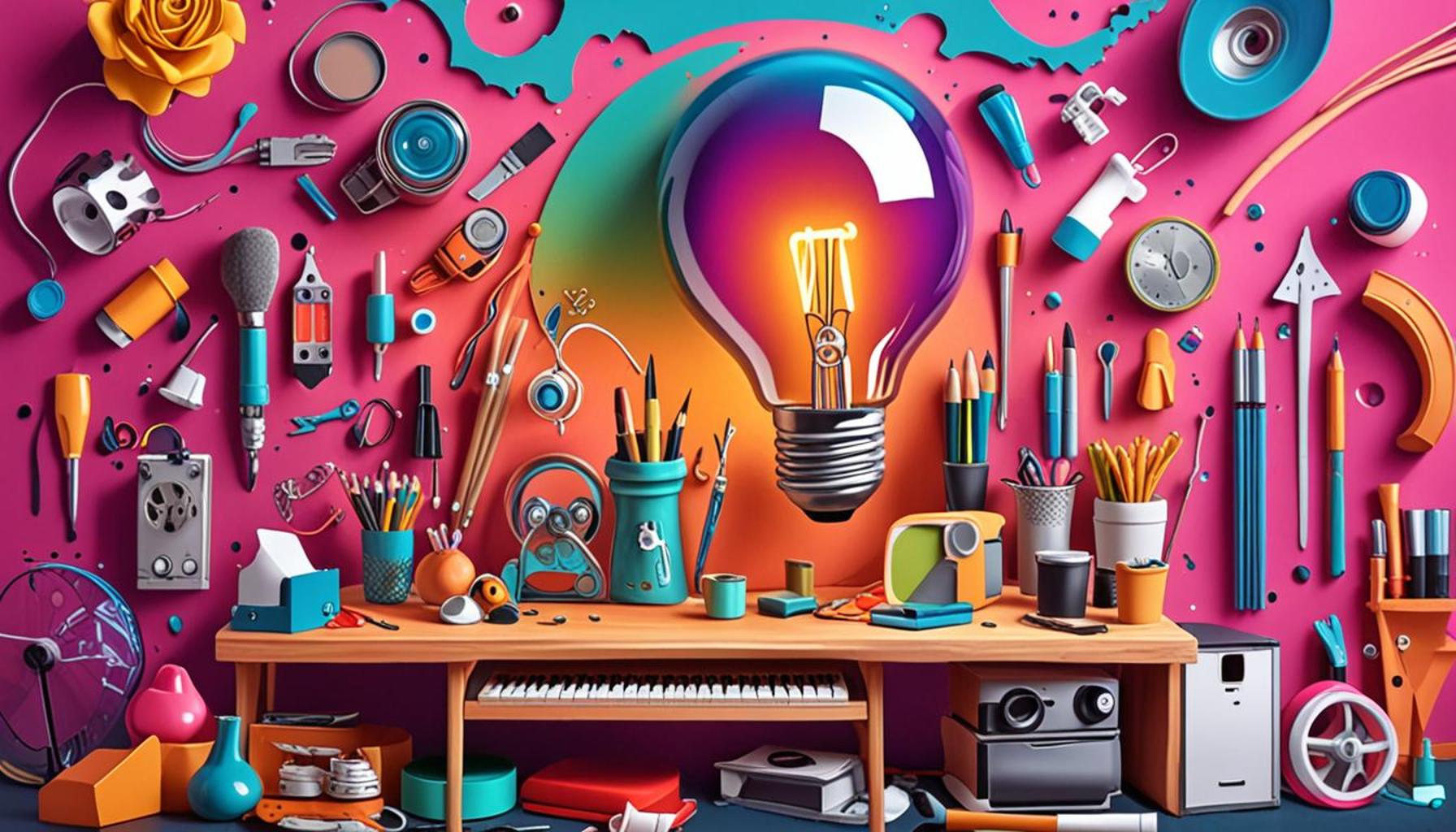
In recent years, the DIY movement has garnered immense popularity, democratizing creativity and encouraging individuals to express their artistic visions. This shift has been largely fueled by advancements in technology, accessibility of resources, and an ever-growing online community sharing tips and inspiration. Today’s creative hobbies extend beyond traditional crafts, showcasing innovative projects that meld functionality with artistry.
As a result, artists and hobbyists alike are experimenting with new materials and techniques, leading to a resurgence of interest in handmade items. This transformation reflects a broader trend where personal creativity is celebrated and shared, inspiring others to join the DIY revolution. In this article, we will explore the Top 5 innovative DIY projects that are shaping the future of art and creativity.
- Smart Home Decor – Blending technology with aesthetics for personalized spaces.
- Eco-Friendly Crafts – Sustainable materials leading to environmentally conscious art.
- Upcycled Creations – Reimagining waste into stunning art pieces.
- Mixed Media Projects – Combining various art forms for unique outcomes.
- Digital DIY – Leveraging apps and software to enhance traditional crafting.
Join us as we delve into these trends, offering insights and ideas that can ignite your creative passions.
Top 5: How Innovative Projects Are Transforming DIY Art: Trends and Creative Ideas
In today’s rapidly evolving creative landscape, the realm of DIY art is undergoing an exhilarating transformation. As imagination takes center stage, innovative projects breathe fresh life into age-old practices, reshaping how enthusiasts embrace their craft. Here, we delve into five captivating trends that are redefining DIY art, sparking inspiration, and ushering in a new era for creators.
5. Upcycling: Adding Value to Waste
Upcycling is more than a buzzword; it’s a movement driving environmental consciousness and artistic resurgence within the DIY community. Unlike traditional recycling that breaks items down, upcycling focuses on giving new life and purpose to discarded materials, turning waste into wonder.
This eco-friendly practice champions creativity, sustainability, and resourcefulness, making it particularly appealing to environmentally conscious creators. For example, a simple glass jar can be transformed into an elegant candle holder, or old textiles can evolve into fashionable tote bags. These projects do more than reduce waste; they create personalized products with stories and character that mass-produced goods lack.
Consider these quick upcycling ideas:
- Old furniture restoration, giving vintage pieces a modern twist.
- Crafting vibrant planters from tin cans, adding greenery to urban spaces.
- Using worn-out clothes to create patchwork quilts or unique wearable art.
Upcycling not only fosters creativity but also promotes economical and sustainable living. It encourages us to see potential in the discarded and to celebrate the past while creating the future. This trend not only reshapes the artistry of customizing discarded materials but also embeds environmental responsibility into the very fabric of today’s DIY culture.
4. Digital Fabrication: Merging Technology and Craft
In an age where technology permeates every aspect of life, digital fabrication stands out in the DIY domain, blurring the lines between traditional craftsmanship and futuristic innovation. Leveraging tools like 3D printers and laser cutters, this trend opens up a realm of precision and experimentation, enabling creators to explore new heights of their craft.
Digital fabrication offers DIY enthusiasts the chance to craft intricate designs quickly and accurately, which historically would have required significant manual effort. This technology empowers artists to create everything from bespoke jewelry pieces to intricate architectural models, democratizing the creative process by providing tools previously accessible only to large-scale manufacturers.
The movement already has practical applications:
- Designing custom-fit prosthetics, enhancing comfort and functionality at a fraction of the cost.
- Creating unique, accentuated home decor elements like lamps and furniture.
- Crafting personalized gifts, from engraved keepsakes to tailored party favors.
By seamlessly merging technology with art, digital fabrication ignites curiosity and inspires a new wave of DIY enthusiasts to delve into technical skills. This trend is not just a convergence of art and tech; it is a community-driven movement fostering innovation and creativity in previously unimaginable ways.
3. Modular Design: Flexibility and Customization
The concept of modular design is transforming the approach to DIY projects, offering creators an unparalleled level of flexibility and customization. By allowing projects to be built in distinct, interchangeable sections, it emphasizes adaptability and personalization.
Modular design is seen in various applications, including furniture, art, and even architecture. This approach breaks down traditional barriers, allowing creators to easily modify or expand their designs without the need to start from scratch.
Here are some examples of modular DIY projects:
- Interchangeable wall panels that adapt to changing decor styles or seasons.
- Furniture with movable parts, such as multi-functional tables or adjustable shelving.
- Build-your-own lighting systems that can be adjusted for brightness and placement.
This trend empowers creators by enabling dynamic solutions tailored to individual spaces and needs. By enhancing functionality while fostering creativity, modular design is redefining problem-solving and innovation within the DIY sphere.
2. Collaborations: Community-Driven Creativity
The DIY movement is warming up to collaborations, recognizing the power of collective creativity. Beyond merely joining forces, collaborations drive innovation as creators share skills, expand their artistic vistas, and harness diverse perspectives.
Collaborative endeavors take numerous forms, from artists painting a community mural to joint product design or organizing workshops. These partnerships are the backbone of a robust, supportive network that enriches the broader DIY culture by facilitating knowledge exchange and inspiration.
The impact of collaboration often extends beyond initial projects:
- Skills and techniques learned collaboratively often fuel innovation in individual artistic endeavors.
- Community projects build strong art networks, fostering support and inspiration.
- Collaborative workshops attract new participants, broadening the community and its influence.
Collaborations encourage inclusivity, allowing multiple voices to merge creatively. They offer groundbreaking solutions and narrative-rich artworks that one might never achieve alone. These community-driven efforts are a testament to the profound creative potential humanity holds when working together.
1. Interactive and Immersive Art Experiences: Engaging the Audience
At the intersection of creativity and audience engagement lies the transformative trend of interactive and immersive art experiences. Moving beyond traditional art displays, these dynamic projects invite audiences to become participants, turning passive viewing into active engagement.
By integrating technology and hands-on involvement, these experiences transform static pieces into living art. For example, augmented reality-enhanced murals allow viewers to interactively explore art, while hands-on workshops invite them to contribute directly to creations.
Interactive art offers several tangible benefits:
- Augmented reality brings an additional layer to murals and exhibits, offering depth and interaction.
- Hands-on workshops become collaborative creations, sparking dialogue and imagination.
- Tech-infused installations blend physical and digital elements for a multisensory experience.
Interactive art bridges creators and audiences, fostering connection, conversation, and collaboration. It democratizes art by transcending barriers, transforming viewers from spectators to participants. This inclusivity promotes a deeper understanding and appreciation of creativity, marking a significant evolution in how art impacts society.
In conclusion, innovative projects are propelling the future of DIY art in thrilling directions. By embracing themes like upcycling, digital fabrication, modular design, collaborative endeavors, and interactive experiences, creators are not merely pushing the boundaries of art; they are redefining them. As new ideas emerge and the DIY community continues to innovate, it stands at the forefront of artistic evolution, inviting all to explore, engage, and create.
| Category | Details |
|---|---|
| Sustainability Initiatives | Innovative DIY projects often focus on sustainability, utilizing recycled materials and eco-friendly practices, which greatly reduces waste and promotes environmental consciousness. This approach is gaining popularity as crafters seek to minimize their carbon footprint. |
| Digital Tools Integration | The rise of digital tools, such as design software and 3D printing technology, allows artists to create intricate designs with precision. By blending traditional crafting techniques with modern technology, DIYers can produce professional-grade projects. |
| Community Collaboration | Many innovative projects thrive on collaboration within the DIY community, fostering an environment for sharing ideas and resources. This sense of camaraderie enhances creativity and encourages skill development among participants. |
| Interactive Workshops | Increasingly, creators are organizing interactive workshops to teach new skills and techniques in real-time, allowing for hands-on learning. These sessions not only nurture creativity but also establish networks among like-minded individuals. |
The transformation of DIY art through innovative projects demonstrates how creativity, technology, and sustainability can coalesce to shape modern crafting trends. As the DIY landscape evolves, the motivations and capabilities of crafters continue to expand, revealing endless possibilities for exploration and expression. With digital integration making crafting more accessible and community collaboration fostering shared learning experiences, the future of DIY art is not only expanding in scope but also in impact. As these trends take hold, they challenge conventional norms and redefine what it means to create.
Frequently Asked Questions about Transformative DIY Art Projects
What are some of the latest trends in innovative DIY art projects?
The world of DIY art is continually evolving with trends that focus on sustainability, technology, and personal expression. One of the most significant trends is the integration of upcycled materials, where artists repurpose waste materials to create new works, emphasizing environmental consciousness. Additionally, the use of digital tools and platforms is becoming more prevalent, allowing DIY artists to reach wider audiences and incorporate technology into their work, such as augmented reality (AR) and 3D printing.
How are innovative DIY projects changing the traditional art scene?
Innovative DIY projects are breaking down barriers in the traditional art scene by democratizing creativity and offering accessibility to a broader range of artists and art enthusiasts. These projects empower individuals to create without the need for formal training or expensive tools. Moreover, the rise of social media and online marketplaces has enabled DIY artists to showcase their work globally, often leading to collaborations and cross-disciplinary projects that push artistic boundaries.
Can you provide examples of creative ideas in the DIY art space?
Absolutely! One creative idea is using biodegradable art supplies, which not only supports sustainability but also encourages artists to explore unconventional mediums, such as water-based paints made from natural pigments. Another example is the use of interactive installations, where DIY artists create pieces that engage the audience, allowing viewers to become a part of the artwork itself. These installations often combine sensory elements, making art an immersive experience.
What role does technology play in modern DIY art projects?
Technology plays a pivotal role in modern DIY art projects by enhancing creativity and expanding possibilities. With advancements like 3D printing, artists can bring intricate designs to life without traditional sculpting skills. Moreover, digital design software allows for greater experimentation and quick iterations, while virtual reality (VR) and augmented reality (AR) offer new dimensions for art interaction. These technological tools have made it easier for artists to experiment, innovate, and reach new heights in their creative endeavors.
How can beginners start exploring DIY art projects?
Beginners should begin by identifying their interests and gathering essential tools and materials. Starting with small projects, such as DIY crafts kits available online, can help build confidence and skills. Joining online communities and attending workshops can also provide valuable support and inspiration. It’s important to remember that creativity knows no bounds, and the most innovative ideas often come from a willingness to experiment and learn from mistakes.
Conclusion: The Transformative Power of Innovative DIY Projects
In the ever-evolving world of creative hobbies, innovative DIY projects are at the forefront of transformation, breathing new life into the art and craft landscape. As explored in this article, we witnessed how trendsetters and imaginative thinkers are leveraging technology and sustainability to reshape the DIY sector. Projects integrating digital design tools, embracing eco-friendly materials, and utilizing new platforms for collaborative creation highlight a shift towards a more conscious and connected crafting community.
Key Takeaways
The main takeaways from this exploration include:
- The integration of technology, such as 3D printing and augmented reality, is revolutionizing traditional DIY methodologies.
- Sustainable practices are becoming increasingly essential, with crafters choosing to upcycle and rely on eco-conscious resources.
- Collaborative platforms and online communities offer expansive opportunities for sharing ideas and enhancing creativity.
- Personalization and customization are driving trends, as individuals seek to infuse personal narrative into their creations.
- The rise of DIY entrepreneurship underlines the potential for crafters to transform hobbies into viable economic ventures.
These insights underline the significant impact that innovative projects are having on the DIY art sphere. Not only are they making creative expression more accessible, but they are also expanding the boundaries of what’s possible within the realm of crafting. This dynamic evolution promises to keep the DIY movement vibrant and relevant, encouraging individuals to explore new horizons in creative hobbies.
As we stand at the intersection of tradition and innovation, the future of DIY art looks promising, inviting enthusiasts to delve into this transformed landscape with curiosity and creativity. There’s never been a more exciting time to pick up a tool, digital or otherwise, and start crafting.
Related posts:
Creating Green Spaces: DIY Gardening Projects for Apartments and Balconies
DIY Wall Murals: How to Transform Spaces with Homemade Art
DIY Creative Photography: Transforming Images into Artworks
Creating Handmade Jewelry: Step by Step to Assemble Your Own Pieces
DIY Aromatherapy: How to Make Essential Oil Diffusers for Relaxation
DIY Furniture with Pallets: Creating Functional and Stylish Items for Your Home

Linda Carter is a writer and creative hobbies expert specializing in crafting, DIY projects, and artistic exploration. With extensive experience helping individuals discover their creative potential and bring their ideas to life, Linda shares her knowledge on our platform. Her goal is to empower readers with practical tips, inspiring ideas, and step-by-step strategies for success in the world of creative hobbies.