Exploring Music Genres to Boost Personal Creativity and Expression
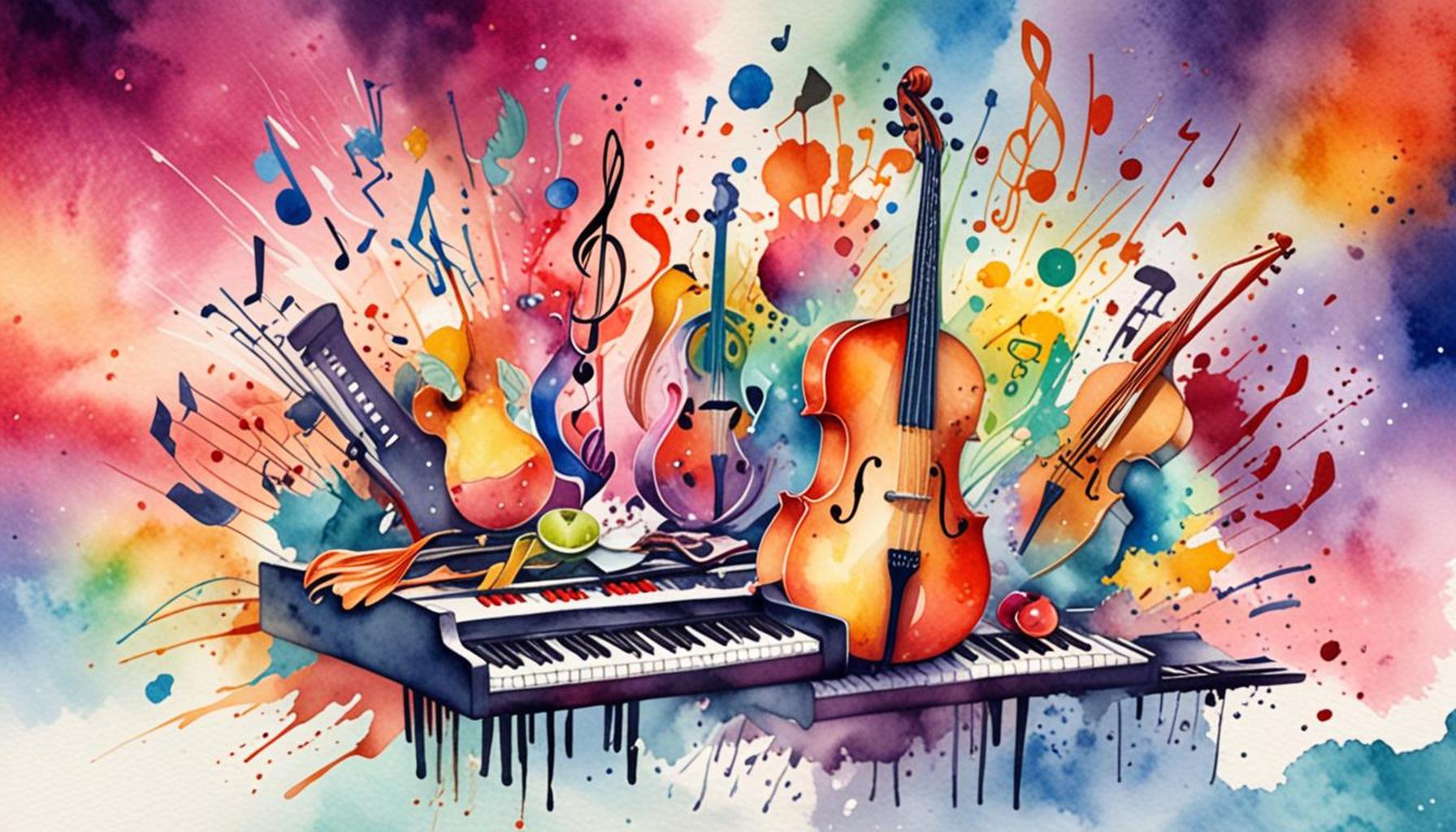
Unlocking Creativity Through Music
Music has been a fundamental part of human expression for centuries, serving as a powerful medium of creativity and emotion. From classical symphonies to contemporary pop hits, each genre offers a unique perspective, inviting individuals to explore their own artistic boundaries. Engaging with diverse musical styles not only enhances our understanding of sound but also ignites new thoughts and ideas.
The Relevance of Music in Creative Hobbies
For those looking to engage in creative hobbies, music can act as a catalyst for inspiration. Experimenting with different genres allows individuals to uncover their personal style while enriching their creative toolkit. Here’s why music matters:
- Emotional Connection: Different genres evoke distinct feelings that can spark new creative avenues.
- Innovation: Exposure to various sounds can lead to inventive approaches in personal projects.
- Community: Sharing musical preferences often leads to new collaborations and connections.
In this article, we will delve into the Top 5 music genres that can significantly enhance your creative process and personal expression. Get ready to discover how these styles can inspire you to explore new artistic dimensions!
Top 5: Exploring Different Music Genres as Forms of Individual Creativity
Music, a universal language, crosses cultural and national borders with ease, offering a vibrant and expressive canvas for individual creativity. Each musical genre not only mirrors the values and emotions of its era but also offers a unique gateway for artists to express their individual identities. In this comprehensive exploration, we delve into the top five music genres that foster individual creativity, examining their key characteristics and the ways they inspire artistic expression and innovation.
5. Country
Country music is often celebrated for its storytelling prowess and profound emotional resonance. It is a genre deeply rooted in the folk traditions of America, with influences from blues and rock, allowing artists to embed personal narratives into their songs. The power of country music lies in its ability to convey relatable experiences about love, family, and hardship, making it accessible to a broad audience. For instance, Johnny Cash, often referred to as ‘The Man in Black,’ used his music to tell stories of personal struggle and redemption.
Beyond the lyrics, what makes country music a truly creative form of expression is its signature instrumentation. Artists skillfully use instruments such as the acoustic guitar, fiddle, and banjo to evoke a wide range of emotions and forge a deep connection with listeners. Furthermore, country music embraces subgenres such as Americana, bluegrass, and alt-country, each encouraging unique interpretations and diverse styles, thus broadening the scope for individual creativity.
- Notable Artists: Johnny Cash, Dolly Parton, and Kacey Musgraves.
- Instruments: Acoustic guitar, banjo, and harmonica.
- Characteristics: Storytelling, relatable themes, and emotional depth.
4. Jazz
Emerging in the late 19th century, jazz has flourished as a genre celebrated for its improvisational nature and technical prowess. At its core, jazz embodies freedom and experimentation, offering musicians the chance to showcase their individuality through intricate solos and spontaneous creative dialogues. The interaction and interplay between musicians create a dynamic atmosphere, ensuring that no two performances are ever the same.
Jazz is a confluence of various musical influences, including blues, ragtime, and classical music, resulting in a complex and rich tapestry of sounds. Artists explore melody, harmony, rhythm, and tempo with great freedom, allowing them to craft unique and innovative compositions. The genre also encourages collaboration, providing a remarkable platform for artists to merge their talents and create something truly inspiring. Legendary figures such as Miles Davis and Louis Armstrong are prime examples of how jazz artists have pushed boundaries and reshaped the musical landscape.
- Notable Artists: Miles Davis, Louis Armstrong, and Ella Fitzgerald.
- Instruments: Trumpet, saxophone, and piano.
- Characteristics: Improvisation, rhythmically complex, and emotional expressiveness.
3. Hip-Hop
Hip-hop, which originated in the streets of New York City during the 1970s, has since evolved into a profound medium for personal and societal expression. Combining elements like rap, DJing, graffiti art, and breakdancing, hip-hop represents a multifaceted and vibrant approach to creativity. Its lyrical content often reflects life’s challenges and victories, providing a powerful platform for storytelling and cultural commentary.
The genre’s emphasis on rhythm, wordplay, and innovative beat-making offers a unique space for artists to showcase their creativity in unprecedented ways. Sampling, a common technique in hip-hop, allows creators to incorporate sounds from various musical backgrounds, effectively bridging the past with the present. This adaptability and focus on innovation make hip-hop one of the most dynamic and evolving genres. Artists like Tupac Shakur and Kendrick Lamar have adeptly used hip-hop to address societal issues and share poignant personal stories.
- Notable Artists: Tupac Shakur, Kendrick Lamar, and Nicki Minaj.
- Elements: Rhyme schemes, rhythm, and beat-making.
- Characteristics: Social commentary, personal storytelling, and cultural fusion.
2. Rock
Rock music has long been synonymous with rebellion and self-expression. Emerging in the 1950s, rock has undergone significant transformation, from the raw energy of punk rock to the intense sounds of heavy metal, each iteration bringing its distinct style and attitude. Rock music celebrates individualism, inviting artists to explore themes involving love, insurrection, and existentialism, frequently challenging societal norms in the process.
Rock’s power lies in its ability to captivate listeners through powerful guitar riffs, driving rhythms, and passionate lyrics. Artists often use personal experiences and emotions as creative fodder, making their compositions both relatable and authentic. The genre’s diverse subcultures further support individual creativity by providing countless platforms and styles for expression, from the psychedelic visions of the 1960s to the grunge aesthetic of the 1990s. Classic rock icons like Jimi Hendrix and modern figures such as Joan Jett exemplify how rock’s fiery spirit continues to inspire artists globally.
- Notable Artists: Jimi Hendrix, The Rolling Stones, and Joan Jett.
- Instruments: Electric guitar, bass guitar, and drums.
- Characteristics: Rebellious themes, electric instrumentation, and high energy.
1. Classical
Claiming the top spot, classical music is often revered as the pinnacle of musical invention and artistry. Spanning from the medieval period to the present, classical music’s profound influence is unmatched in terms of its depth and scope. It provides a comprehensive exploration of harmony, structure, and musical theory, making it a foundational genre for musicians across the globe.
Featuring elaborately composed pieces, classical music emphasizes technical skill and emotive expression. Composers like Ludwig van Beethoven and Wolfgang Amadeus Mozart pushed the boundaries of musical form, creating complex symphonies and sonatas that continue to captivate and inspire. Contemporary classical artists maintain this tradition of innovation, blending classical techniques with modern sensibilities, creating new works that resonate with today’s audiences.
The genre encourages individual creativity by providing ample opportunities for interpretation and exploration. Musicians often infuse their personal touch into performances, ensuring classical music’s rich legacy continues to evolve. The enduring prominence of classical music across concert halls worldwide is a testament to its timeless appeal and the ever-evolving realm of artistic creativity it embodies.
- Notable Artists: Ludwig van Beethoven, Wolfgang Amadeus Mozart, and Yo-Yo Ma.
- Instruments: Violin, piano, and cello.
- Characteristics: Complexity, emotional depth, and technical skill.
In conclusion, exploring these diverse music genres uncovers unique pathways for artistic expression and individual creativity. Each genre, from country to classical, offers a distinct cultural and emotional palette, empowering artists to not only express their stories and emotions but also to connect with audiences across the globe. Through the universal medium of music, creativity knows no bounds, inviting continuous innovation and discovery.
| Category | Description |
|---|---|
| Cultural Expression | Different musical genres often reflect the cultural background of their origin, allowing individuals to express their unique identities and heritage. |
| Emotional Release | Engaging with various music genres can serve as a form of emotional catharsis for individuals, providing a means for expressing feelings that might be difficult to articulate. |
| Creative Experimentation | Exploration of different genres encourages experimentation with sounds, rhythms, and techniques, fostering a creative environment for musicians and artists alike. |
| Community Building | Music genres often create communities where individuals come together, sharing their passion for specific styles, thereby promoting interpersonal connections. |
Engaging in the study of diverse music genres not only enhances individual creativity but also provides an enriching insight into the complexities of cultural narratives. For instance, genres like jazz and blues embody rich histories of African American experiences, allowing listeners to connect with profound stories of struggle, resilience, and triumph. This connection can foster a deep sense of understanding and empathy among individuals, transcending geographical and cultural barriers.Moreover, the intrinsic relationship between music and emotions cannot be overstated. Genres like classical music, known for their intricate compositions and emotional depth, offer listeners an avenue to immerse themselves in a world of sentiment. Scientific studies have often suggested that music, particularly the nuances within different genres, can trigger specific emotional responses, thus influencing individual mood and mental well-being.The creative experimentation that comes with exploring a variety of musical styles promotes an artistic atmosphere that nurtures innovation. Musicians who draw inspiration from multiple genres tend to break traditional boundaries, creating fusion genres that reflect a wide array of influences. For example, the rise of electronic dance music (EDM) has seen traditional rock, pop, and hip-hop elements melded into vibrant soundscapes that elevate both live performances and music production.In addition, music serves as a crucial platform for community building. Genres that resonate with certain demographic groups often lead to festivals, concerts, and gatherings where fans converge, sharing their love for the genre. This social aspect plays a vital role in nurturing relationships and building networks of support among individuals who may share similar artistic passions.In essence, exploring different musical genres is a journey of personal expression and societal connection that enriches the human experience, creating pathways for creativity, emotional exploration, and community engagement. Each genre offers a distinct perspective, allowing individuals to discover more about themselves and the world around them.
Frequently Asked Questions about Exploring Different Musical Genres for Individual Creativity
How can exploring different musical genres enhance individual creativity?
Exploring different musical genres can significantly enhance individual creativity by exposing one to a variety of rhythms, melodies, and cultural expressions. Each genre offers unique elements that can inspire new ideas and encourage creative thinking. For instance, jazz may inspire improvisation, while classical music can provide a structured approach to creativity. This range of influences can help you develop a more nuanced understanding of musical composition and spark innovative ways to express yourself.
What are some popular genres to explore for enhancing creativity?
There are countless musical genres worth exploring to boost creativity. Jazz is celebrated for its improvisational nature. Classical music offers a rich tapestry of complex compositions. Electronic music introduces innovative sound designs and technologies. World music provides a plethora of cultural sounds that can broaden your auditory palette. Additionally, genres like funk, reggae, and folk offer rhythmic diversity and storytelling elements that can deeply influence creative processes.
Does listening to a diversified playlist enhance problem-solving skills?
Research suggests that listening to a variety of music can indeed enhance cognitive functions, including problem-solving skills. A diverse musical experience can foster flexible thinking and open-mindedness, which are crucial in tackling complex problems. The brain is challenged to process different musical styles, promoting adaptability in thought processes, which translates to improved problem-solving capabilities in other areas of life.
Is there scientific evidence to support the impact of music on creativity?
Yes, numerous studies indicate that music can positively impact creativity. The brain releases dopamine when we listen to music, enhancing emotional engagement and cognitive functions. Studies show that certain genres, like classical music, can activate brain regions associated with spatial reasoning and creativity. Moreover, engaging with music, whether by listening or performing, can strengthen connections between different brain areas, fostering creative thinking and innovation.
How can someone start exploring new music genres to boost creativity?
To start exploring new music genres, one can leverage digital music platforms and online communities. Many platforms offer curated playlists and specially tailored algorithms that introduce users to music they might not encounter otherwise. Attending live performances, engaging with music-focused social media groups, and reading reviews or articles about different genres can also broaden one’s musical horizons and inspire creative exploration.
Conclusion
Exploring different musical genres as forms of individual creativity is a vibrant pursuit offering countless personal and artistic rewards. Throughout our analysis, we’ve unearthed how diverse music styles—ranging from classical to jazz, rock, and electronic—provide unique canvases for creative expression. By immersing oneself in varied genres, individuals can tap into rich reservoirs of inspiration, catalyzing their creativity in unparalleled ways.
A key takeaway is the value of musical diversity as a tool for expanding horizons. Each genre brings its own history, cultural influences, and emotional resonances, allowing individuals to not only explore but also reinvent and personalize these elements. This versatility underscores the importance of music as more than just entertainment; it is a profound medium for self-expression and personal growth.
- Diverse Exposure: Engaging with different genres fosters a broader understanding and appreciation, which can lead to innovative outcomes in other creative fields.
- Cultural Connection: Music is a gateway to cultural landscapes, offering insights and inspirations that enrich the creative process.
- Adaptability and Innovation: Incorporating elements from various genres encourages new forms of artistic innovation, pushing boundaries and establishing new creative benchmarks.
Ultimately, the exploration of different musical genres can inspire individuals to transcend conventional limits, fostering a richer and more nuanced artistic journey. As more people indulge in this creative hobby, the fusion of styles and the development of unique artistic identities become not only possible but inevitable. This adventurous journey into the world of music not only enhances personal creativity but also enriches the collective cultural tapestry, pointing to a future where music continues to be a dynamic and eclectic creative force.
Related posts:
DIY Aromatherapy: How to Make Essential Oil Diffusers for Relaxation
Transforming Recyclable Materials into Art: Sustainable DIY Projects
DIY Wall Murals: How to Transform Spaces with Homemade Art
DIY Aromatic Candles: How to Make Custom Candles to Create Cozy Environments
DIY Furniture with Pallets: Creating Functional and Stylish Items for Your Home
Eco-Friendly DIY Transforming Recyclables into Beginner Art Projects

Linda Carter is a writer and creative hobbies expert specializing in crafting, DIY projects, and artistic exploration. With extensive experience helping individuals discover their creative potential and bring their ideas to life, Linda shares her knowledge on our platform. Her goal is to empower readers with practical tips, inspiring ideas, and step-by-step strategies for success in the world of creative hobbies.