Master Advanced Origami Unveil Techniques for Paper Sculpture Art
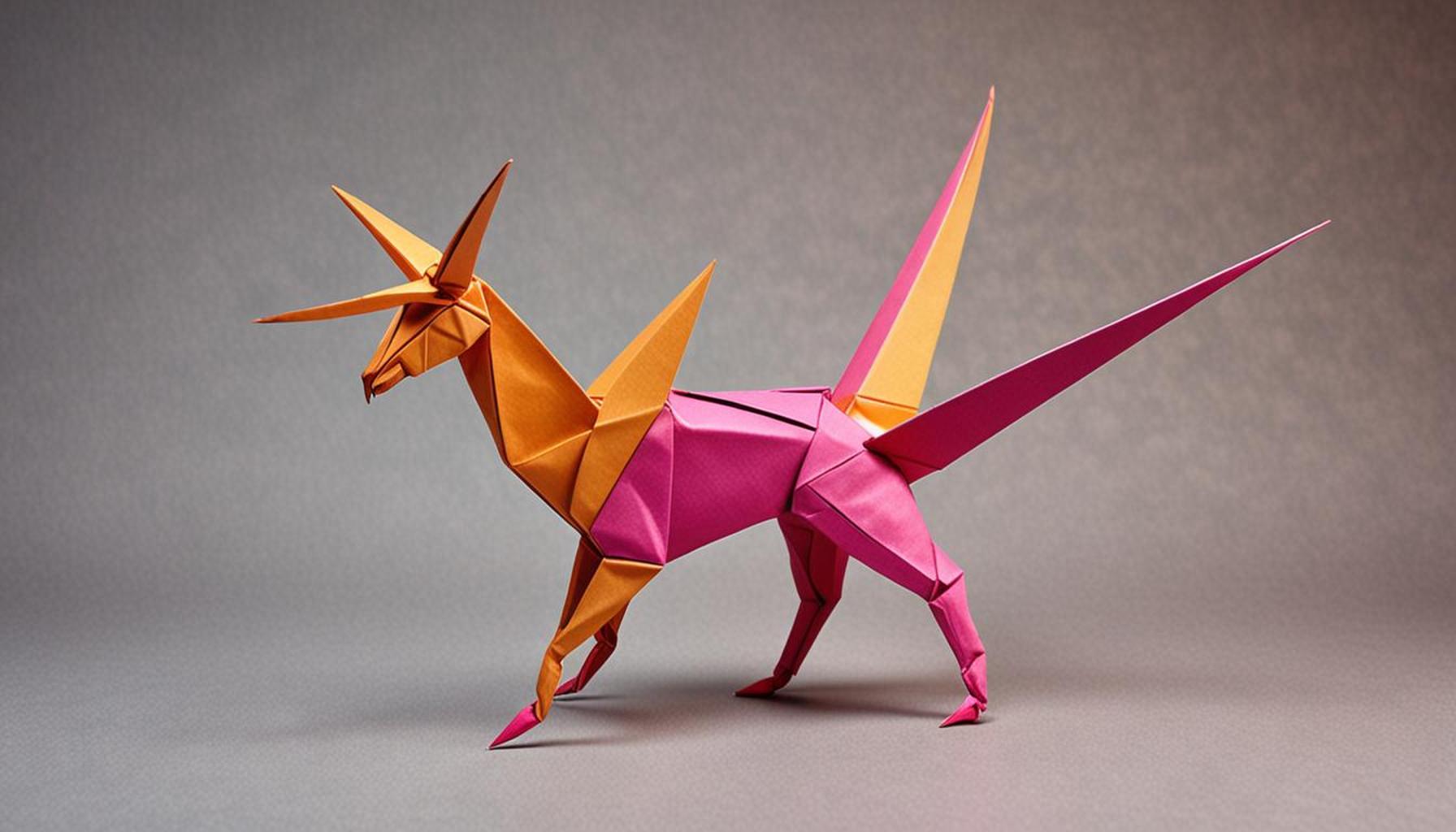
Unveiling the Beauty of Origami
In the realm of creative hobbies, origami stands out as a fascinating fusion of art and mathematics. This ancient Japanese practice transforms simple sheets of paper into intricate sculptures, captivating enthusiasts around the world. Whether you are a seasoned artist or just starting, mastering advanced origami techniques can elevate your crafting skills to new heights.
The Importance of Advanced Techniques
As you delve deeper into the art of origami, exploring advanced methods opens up a myriad of possibilities. From enhancing your precision to expanding your design repertoire, these techniques can significantly improve your creations. Here are some key benefits of learning advanced origami:
- Complex Structures: Create intricate designs that are visually stunning.
- Improved Skills: Enhance your folding technique and attention to detail.
- Creative Expression: Discover your unique style through innovative designs.
What to Expect
In this article, we will explore the top 5 advanced origami techniques that will help you create impressive paper sculptures. Each technique will be accompanied by tips and resources, providing you with the tools needed to refine your craft. Prepare to embark on an artistic journey that will inspire your creativity and leave you eager to fold your next masterpiece.
The Art of Origami: Discover Advanced Techniques for Crafting Paper Sculptures
Origami, the esteemed Japanese art of paper folding, transcends being a mere craft to become a deeply intricate form of artistic expression. This venerable practice has captured the fascination of artists and hobbyists worldwide, transforming modest sheets of paper into remarkable works of art. In this article, we will delve into the esoteric realm of advanced origami techniques, which elevate this ancient art form into the creation of stunning paper sculptures. Whether you are a novice eager to explore new depths or a seasoned folder in search of innovative techniques, here is a curated guide to the top five advanced techniques designed to refine and enhance your origami skills.
5. Modular Origami
Modular origami is a captivating discipline that involves constructing a sculpture from multiple, separately folded pieces of paper. Each piece, or module, is folded into a specific shape, allowing it to connect seamlessly with others. This method not only raises the visual complexity of an origami piece but also introduces new dimensions and textures to your artistic creations. The potential for creative expression in modular origami is virtually limitless.
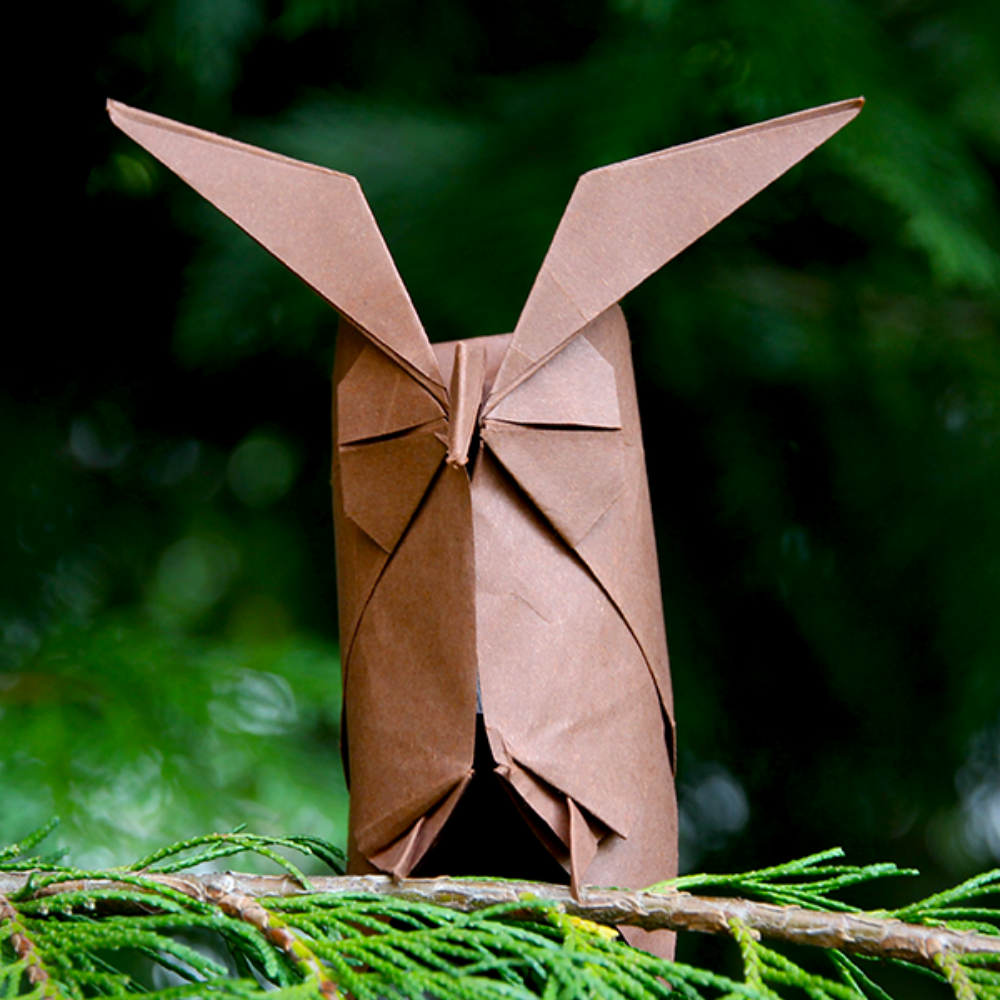
When exploring modular origami, consider these critical aspects:
- Types of modules: There are various types of modules to choose from, with the Sonobe unit being a popular choice. Sonobe modules can be assembled into a wide array of polyhedral shapes and configurations, inspiring versatility and creativity.
- Assembly techniques: Mastering the art of interlocking your paper pieces is essential for ensuring both stability and visual appeal. The precision with which you connect these pieces will define the elegance of your final creation.
- Scaling up: As you become more adept with modular designs, consider scaling up your projects. Larger compositions can be both challenging and rewarding, offering opportunities to develop complex, elaborate sculptures.
Mastering modular origami provides you with the tools to create grand, awe-inspiring structures, making it a valuable addition to the repertoire of any enthusiastic origamist.
4. Wet Folding
Wet folding is an advanced technique that brings a unique elegance to origami. By dampening the paper before folding, artists can achieve smoother curves and softer lines, emulating natural forms found in flora and fauna. This approach gives your artwork a dynamic, organic quality and enables you to capture the subtlety of natural forms in your paper sculptures.
Here are some essential tips for mastering wet folding:
- Paper choices: It is vital to use durable paper varieties such as tissue or stiffer types, which hold moisture well and retain shape when wet. This ensures that your designs are robust and long-lasting.
- Folding techniques: Practice softer, more deliberate folding techniques to harness the inherent beauty of fluid shapes. Transitioning from sharp lines to gentle curves is a hallmark of this technique.
- Drying correctly: Carefully shaping your sculpture as it dries is crucial. The drying process locks in the graceful details of your creation, ensuring they endure.
With the introduction of wet folding into your skill set, the realm of origami will take on a new depth, allowing you to conjure organic forms that resemble the intricacies of flowers and the fluid grace of animals.
3. Box Pleating
Box pleating is a sophisticated technique that employs a grid pattern, enabling the creation of intricate, layered structures. It has garnered popularity among seasoned origami artists interested in producing designs with multiple layers and depths, achieving a new level of complexity and detail in their work.
To maximize the potential of box pleating, focus on the following:
- Creating a grid: Begin with a perfectly squared piece of paper and carefully define the grid size proportionate to your design’s complexity. The grid serves as a roadmap for your origami journey.
- Understanding proportions: Experiment with various grid sizes and dimensions, as they fundamentally impact the ultimate form and shape of your creation.
- Advanced projects: Once comfortable with basic patterns, challenge yourself with more intricate projects, such as lavish dresses or intricate animal figures. These designs often include multiple dimensions and striking complexities.
This technique has the potential to yield stunning creations, earning you recognition within the origami community for your sophisticated layering and design expertise.
2. Complex Models
Crafting complex origami models represents the pinnacle of ambition and intricacy in the world of paper folding. These advanced designs often incorporate meticulous details that challenge even the most skilled folders, requiring precision and patience.
For tackling complex models, keep the following in mind:
- Planning is key: Select a model that personally resonates with you. Meticulously study every step of the design before embarking on the process. A clear plan is essential for successful execution.
- Practice precision: Consistently practice precise folding, as even minor errors can lead to structural collapse. Mastery of accuracy is vital for maintaining the integrity of your piece.
- Patience is vital: Creating complex models demands time, attention, and dedication. The investment is dear, but the sense of accomplishment upon completing an intricate piece is beyond gratifying.
Diving into complex origami offers a platform for expressing creativity and significantly refining your skills. The resulting pieces tell stories and possess an undeniable allure that captivates admirers.
1. Biological Origami
At the summit of origami craftsmanship lies the advanced technique of biological origami. This approach draws inspiration from the intricate structures of living organisms, seamlessly blending artistic creativity with biology and mathematical principles. The results are breathtaking representations of nature that capture the wonder of life’s forms.
By venturing into the world of biological origami, consider these critical elements:
- Study biology: Acquiring a basic understanding of biological structures, such as those of plants and animals, will enhance your abilities to accurately depict the natural world. Biology provides a framework for design and innovation.
- Incorporate mathematics: Mathematical principles often underpin biological forms, dictating proportions and symmetry. Grasping these principles ensures faithful reproduction of natural shapes.
- Innovative design: Experiment with merging natural motifs with abstract elements to create original designs that reflect both nature’s beauty and human ingenuity. This fusion is at the heart of biological origami’s striking appeal.
This sophisticated technique empowers artists to create intricate models that capture the essence of living organisms with stunning accuracy and elegance, transforming simple paper into intricate, lifelike sculptures.
The art of origami is an enriching pursuit filled with endless opportunities for exploration and innovation. By mastering these advanced techniques, you can transform your passion for paper folding into a profound and highly skilled artistic endeavor. Whether through the construction of grand modular structures, the subtlety of wet folding, the complexity of box pleating, the challenge of complex models, or the natural elegance of biological origami, you will find a path that speaks to your artistic aspirations and captures the imagination of those who behold your work.
| Category | Detailed Information |
|---|---|
| Complex Folds | Advanced origami techniques incorporate complex folds such as the reverse fold, pleat fold, and sink fold, allowing artists to create intricate details in their sculptures. |
| Paper Types | Different types of paper, such as washi, kraft paper, and specialty origami paper, can enhance the texture and visual appeal of origami sculptures, aiding in achieving a desired look. |
| Dimensional Techniques | Techniques such as wet folding or layering allow origami artists to create three-dimensional forms that can simulate natural shapes and add depth to the artwork. |
| Mathematical Concepts | Understanding geometry and symmetry is crucial in advanced origami, as these concepts influence the design process and the integrity of the finished piece. |
Frequently Asked Questions about Advanced Origami Techniques
What are the essential tools needed to start learning advanced origami?
While basic origami only requires a sheet of paper and nimble fingers, advancing your skills might invite a few additional tools into your repertoire. A bone folder is invaluable for creating crisp corners and clean folds. Some advanced practitioners also use tweezers for intricate designs, and specialized paper that can handle multiple folds without tearing, such as washi or thin foil-backed sheets.
How does one progress from beginner to advanced origami?
Becoming skilled in origami is a journey of practice and experimentation. Beginners should start by mastering traditional models and then gradually incorporate more complex folds and sequences. Studying diagrams and tutorials from experts, participating in workshops, and joining online communities for feedback and inspiration can help enthusiasts transition to advanced levels. Persistence and patience are key as the complexity of projects increases.
Can origami be used for practical purposes beyond art?
Absolutely! Origami transcends artistic boundaries and is applied in various practical domains. For example, it plays a significant role in engineering and design due to its principles of folding that aid in creating structures in small spaces. You can also find origami techniques in applications as diverse as packaging, architectonic designs, and even in space, where it assists in the deployment of equipment like solar panels and satellites.
Are there cultural significances or traditional origins associated with advanced origami?
Origami is deeply rooted in Japanese culture, often associated with ceremonial and symbolic significance. Advanced origami can be viewed as a continuation of cultural traditions, transforming simple paper into intricate pieces that evoke various meanings and stories. Understanding the historical context and symbolic undertones can enhance one’s appreciation and application of this craft.
Conclusion: The Transformative Power of Advanced Origami
The exploration of advanced origami techniques unveils a world brimming with creativity and precision. As we journeyed through the intricate folds and delicate manipulations required to transform a simple piece of paper into an elegant sculpture, it became evident that origami is more than an art form; it is a bridge to understanding the complexity and beauty of geometric designs.
Engaging with origami allows enthusiasts to delve deeper into creativity, enhancing problem-solving skills and improving patience and concentration. These advanced techniques take the art to new heights, challenging practitioners to think beyond the traditional crane or frog and venture into creating complex representations of animals, abstract shapes, or even practical items.
Throughout the article, we explored the top five advanced techniques that can elevate one’s origami skills. These included waterbomb bases, reverse folds, pleated variants, wet-folding techniques, and the inclusion of complex crease patterns. Each method requires dedication and practice, offering rewards in the form of breathtaking creations that often seem to defy logic and gravity.
Origami as a creative hobby holds significant cultural and therapeutic value. It not only serves as a means of artistic expression but also promotes mindfulness and stress relief. The discipline and focus required for advanced origami resonate profoundly in our fast-paced world, providing a much-needed pause and a tangible sense of accomplishment.
In conclusion, advanced origami fosters an endless cycle of inspiration and innovation. Whether for personal development, artistic exploration, or as a shared activity that connects people, origami continues to captivate and inspire. As we fold paper into new dimensions, we fold our minds into realms of possibility, proving that the art of paper folding is, indeed, limitless.
Related posts:
Exploring the Art of Upcycled Fashion: Innovative Projects for Sustainable Style
Exploring the Intersection of DIY and Digital: How Online Platforms are Inspiring Innovative Craft P...
The Power of Music Boosting Emotional Expression and Well-Being
Creating Interactive Educational Kits: Innovative Projects to Inspire Young Makers
Exploring Sustainable Art Projects: Creating Beauty from Recycled Materials
Crafting with Purpose: Innovative Community Projects that Promote Social Change through Creative Hob...

Linda Carter is a writer and creative hobbies expert specializing in crafting, DIY projects, and artistic exploration. With extensive experience helping individuals discover their creative potential and bring their ideas to life, Linda shares her knowledge on our platform. Her goal is to empower readers with practical tips, inspiring ideas, and step-by-step strategies for success in the world of creative hobbies.