The Magic of Ceramics: Shaping and Painting Techniques to Create Unique Pieces
Discovering the Art of Ceramics
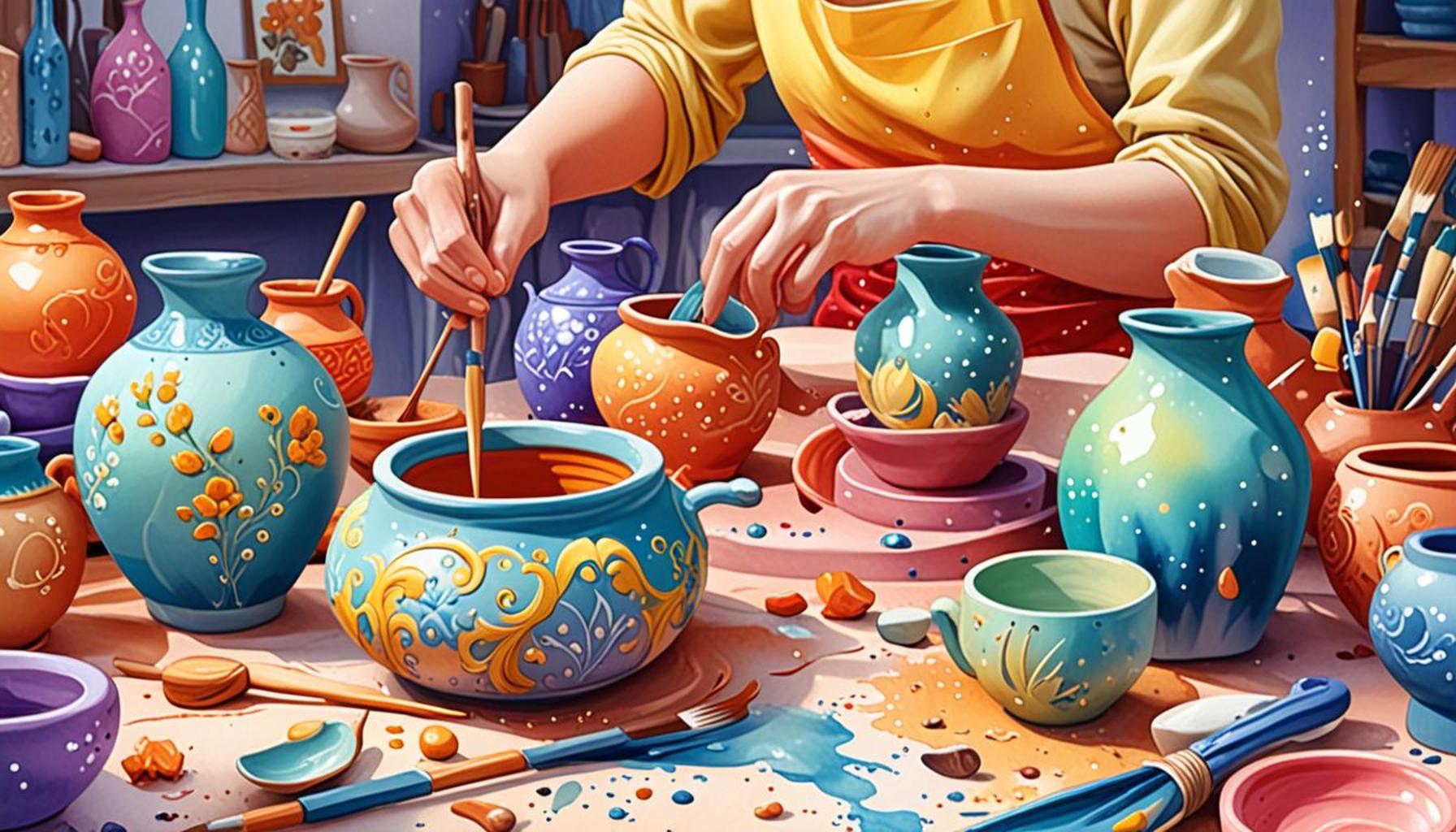
Every piece of pottery tells a story, woven through the hands of skilled artisans and eager beginners alike. The magic of ceramics lies not just in shaping clay but also in the vibrant colors and intricate patterns that give life to these creations. From functional ware such as bowls and vases to decorative pieces that adorn homes, the art of ceramics encompasses a rich tradition that resonates with creativity and cultural expression. Whether you’re a seasoned potter or a curious newcomer, exploring the world of ceramics can be both thrilling and rewarding. It invites individuals to connect not only with the materials but also with their own artistic capabilities.
Key Techniques to Master
- Shaping Techniques: Mastering techniques such as pinching, coiling, and slab building is fundamental. Pinching involves using the fingers to shape small pieces of clay into forms, coiling allows for the construction of larger, rounded shapes through rolled strips, and slab building uses flat pieces of clay to create structures, like boxes or plates.
- Paint Application: The application of underglazes and glazes is essential in adding color and finish. Underglazes provide a matte finish that can be layered to create intricate designs, while glazes offer a glossy, protective coating that enhances the beauty and durability of the piece.
- Texturing: Adding texture can elevate simple designs into extraordinary works of art. Techniques such as carving, stamping, or using natural elements like leaves to impress patterns into wet clay can create stunning visual effects.
In the United States, the ceramic arts have seen significant evolution, blending traditional craftsmanship with innovative techniques. Artists utilize an array of materials and tools, ranging from hand-built methods to advanced wheel throwing, resulting in a diverse spectrum of styles. Contemporary American potters often draw inspiration from various cultural traditions and personal experiences, leading to unique interpretations and influences that enrich the craft further.
The Importance of Personal Touch
Each ceramic piece is an expression of the artist’s creativity and individuality. The endless possibilities for design and decoration allow anyone to create something that reflects their unique vision. Whether through the choice of color, texture, or form, each artist imprints their personality into their work, resulting in pieces that not only serve functional purposes but also evoke emotional connections. This personal touch transforms simple clay into cherished masterpieces.
As you delve into this enthralling journey, prepare to unearth the techniques that transform clay from mere earth into beautiful artifacts. The adventure in ceramics is not just about creating; it’s about discovery, self-expression, and storytelling. Your exploration of this art form begins here, and the possibilities are truly boundless!
DISCOVER MORE: Click here to dive into unique DIY interior decoration projects
Exploring Shaping Techniques in Ceramics
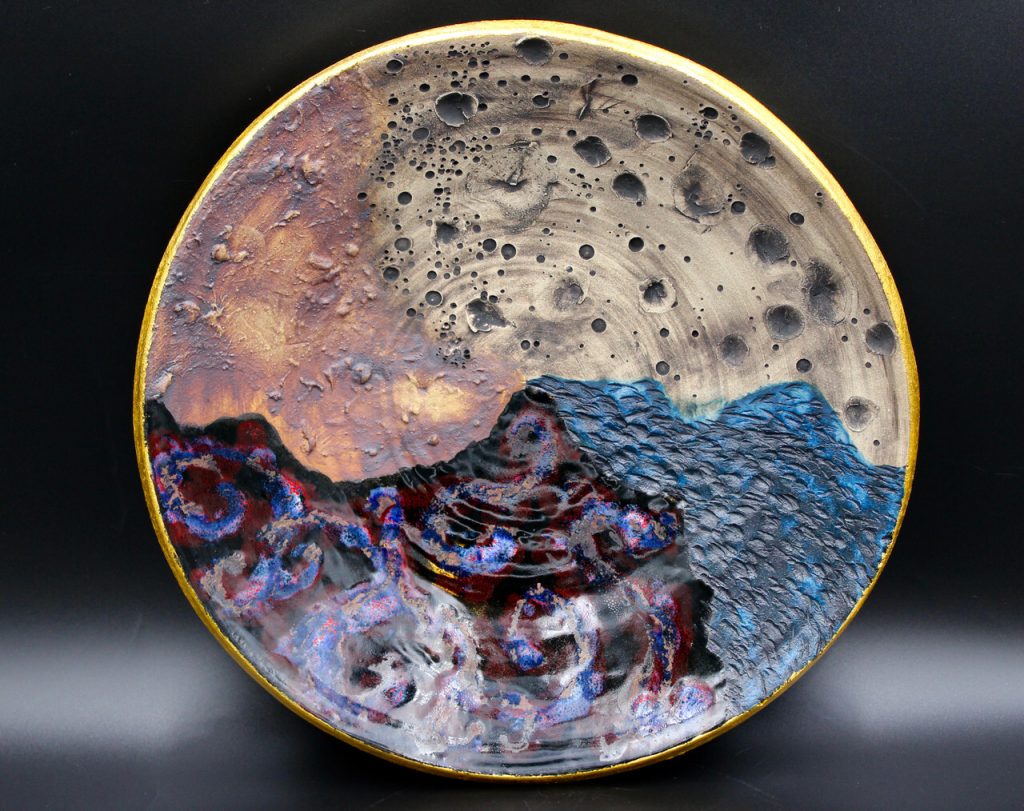
The journey into ceramics begins with mastering the art of shaping. Each technique has its own charm and application, providing a unique foundation for every piece created. Understanding these methods allows potters to express their creativity thoroughly, leading to one-of-a-kind artifacts that stand out in their form and utility. Here are some of the fundamental shaping techniques that every ceramic artist should explore:
- Pinching: This ancient method is one of the most instinctive ways to mold clay. By using fingers to pinch and press small amounts of clay, artists can create forms that range from tiny bowls to sculptural pieces. This technique invites experimentation, as the artist’s touch dramatically influences the shape and feel of the finished product.
- Coiling: A timeless method favored by many cultures, coiling involves rolling long strips of clay and stacking them to create cylindrical forms. This technique is particularly effective for building larger, more complex shapes—think of artistic vases or decorative jars. The coiling method encourages rhythmic movements, allowing potters to find a flow in their creativity.
- Slab Building: Utilizing flat sheets of clay, slab building opens up a world of possibilities. By cutting, joining, and shaping these slabs, artists can produce everything from functional dinnerware to intricate wall art. This technique can incorporate personal style through varying thicknesses and textures, often resulting in visually intriguing patterns.
- Wheel Throwing: For those with access to potter’s wheels, this technique offers a mesmerizing way to create symmetrical forms. It requires practice to master the motions and achieve balance, but once gelled, potters can generate vessels that are both functional and aesthetically stunning. The beauty of wheel throwing lies in its ability to produce smooth, uniform shapes that showcase the natural characteristics of the clay.
These techniques are more than mere methods; they are gateways to self-expression. Take wheel throwing, for instance. The rhythmic motion of the wheel paired with a potter’s focused attention creates an almost meditative experience. Each completed piece emerges not just as a product of skill, but as a tangible representation of emotional investment and commitment to the craft.
Embracing Paint Application Techniques
Once the clay is shaped, the next exciting phase involves painting, which can dramatically alter the visual and tactile qualities of the finished piece. The use of underglazes and glazes is essential for enhancing the artistic impact. Underglazes provide the opportunity for intricate, detailed designs that can be layered with textures, offering a matte finish that evokes a sense of depth. In contrast, glazes add a glossy top coat that not only beautifies pieces but also seals them, making them food-safe and functional.
Understanding the properties of different glazes, such as how they react to heat and how they interact with colors, can open new realms of possibility for your ceramic work. Pieces can achieve dynamic color shifts and unique texturing effects that intrigue the eye and allure the touch. As you embark on this colorful journey, consider experimenting with a variety of painting techniques to develop your own signature style in ceramics.
Ultimately, the fusion of shaping and painting techniques paves the way to creating remarkable and unique ceramic pieces that resonate with personal stories. By embracing these methods, artists can transform raw earth into art imbued with both history and innovation, making ceramics not only a craft but a candid exploration of identity and creativity.
The Intricacies of Shaping Techniques
In the world of ceramics, the ability to manipulate clay is where the magic begins. Shaping techniques are essential to creating unique pieces, allowing artists to express their creativity and craftsmanship. One popular method is the pinch technique, which involves using fingers to mold and form the clay into desired shapes. This technique not only provides an intimate connection to the material, but also allows for distinct and personal designs.
Another widely utilized method is the coil building technique, where long rolled pieces of clay are stacked and shaped to create larger structures. This approach encourages an organic style and allows for intricate detailing; perfect for artists who wish to add depth to their creations. Moreover, the slab technique offers a different avenue, enabling the artist to construct forms using flat pieces of clay. This method opens up endless possibilities for geometric designs and layered patterns.
Painting Techniques for Vibrant Expressions
The journey doesn’t stop at shaping; painting techniques fuse color and emotion into the pottery. One of the most effective methods is the use of underglazes, which are applied to the clay before glazing. This technique allows for detailed painting and vibrant colors, offering artists a wide palette to express themselves. Similarly, glaze application provides a smooth, glass-like finish that not only enhances the aesthetic appeal but also protects the piece, making it functional.
Furthermore, the incorporation of sgraffito—a technique where a surface layer is scratched to reveal a contrasting color beneath—adds a unique texture and depth to ceramic arts. Additionally, the use of staining can produce rich, earthy tones that highlight the natural beauty of the clay.
| Shaping Techniques | Key Features |
|---|---|
| Pinch Technique | Creates organic forms with an intimate touch. |
| Coil Building | Allows for sculptural flexibility in larger pieces. |
| Sgraffito | Adds unique texture and contrasts in colors. |
By mastering these techniques, artists not only elevate their ceramic pieces but also create a dialogue with their audience. Each unique form and color selection tells a story, reflecting the individual artist’s vision and emotions, elegantly encapsulated in the malleable medium of clay.
DISCOVER MORE: Click here to dive deeper
Innovative Painting Techniques to Elevate Your Ceramics
As crucial as shaping techniques are, the painting techniques employed in ceramics are equally transformative, serving as the finishing touch that breathes life into the raw clay. The array of painting methods available not only enhances aesthetic appeal but also allows for individual expression. By exploring diverse approaches, ceramic artists can push creative boundaries to develop truly stunning pieces. Below are some noteworthy painting techniques that can elevate your ceramic creations:
- Layering Glazes: One of the most fascinating aspects of ceramic painting is the ability to layer glazes. Applying multiple glazes can produce unexpected color variances, marbling, and texture—all at low cost. For instance, combining a transparent glaze over a colored underglaze can yield a stunning depth that captivates the eye. Experimenting with layering can lead to unique effects that define the personal brand of any ceramic artist.
- Oxide Washes: An ancient technique still employed by contemporary artists, oxide washes enable the creation of soft, muted tones that embrace the clay’s natural color. By mixing metal oxides with water and applying them to ceramics before firing, diverse shades can emerge that appear weathered and organic. This technique works exceptionally well for naturalistic and rustic aesthetics or to highlight texture in a sculptural piece.
- Engobe: Engobe is a slip that contains clay and colorants, allowing artists to create intricate patterns and designs on their works. This method offers flexibility, as it can be applied to both greenware (unfired clay) and bisque (fired but unglazed clay). Engobe facilitates vibrant colors and custom textures—making it an excellent option for achieving individuality in decorative and functional pieces alike.
- Sgraffito: This technique involves scratching through a surface layer of color to reveal the underlying clay body, creating intricate designs or contrasting patterns. The name comes from the Italian word ‘graffiare,’ meaning to scratch. Sgraffito works especially well when used with contrasting colors, allowing artists to bring dynamic designs and storytelling elements into their ceramics. This method not only enhances visual appeal but also bridges the gap between traditional craftsmanship and contemporary art.
Incorporating these painting techniques into your ceramics introduces an element of unpredictability and exploration. The nature of each method invites a journey of discovery, revealing new possibilities for color and design. The emotional connection built through the painting process can fuel inspiration, encouraging artists to continually refine their technique and express themselves through each creation.
Moreover, understanding the behavior of various glazes and painting techniques will not only optimize aesthetic outcomes but also ensure the durability of the final pieces. Artists must consider the firing temperature and kiln atmosphere to achieve the desired results, as each variable plays a vital role in the interaction between clay, glaze, and the environment. Whether working in a studio, community space, or home setup, consistent experimentation is crucial for mastering the delicate balance of the ceramic process.
Ultimately, as artists progress through different painting techniques, they weave a narrative into each piece, expressing their experiences, emotions, and reflections. The magic of ceramics lies not just in shaping the clay but in the transformative power of color and texture that breathes life into the finished work, resulting in unique pieces that resonate on both personal and universal levels.
DISCOVER MORE: Click here to explore innovative DIY projects
Conclusion: Unleashing Creativity Through Ceramics
The art of ceramics is a captivating journey that marries shaping and painting techniques to produce unique and personal works of art. As we’ve explored, the shaping process allows artists to mold their visions into tangible forms, while innovative painting methods offer a vibrant canvas for expression. From the enchanting results of layering glazes to the rustic charm of oxide washes, each technique provides a pathway to endless creativity, turning ordinary clay into extraordinary pieces.
Moreover, the combination of these techniques not only enhances the aesthetic appeal but also reflects the artist’s individual narrative and emotional journey. As artists experiment with engobe and sgraffito, they invite a dialogue between tradition and contemporary artistry, resulting in ceramic pieces that are as meaningful as they are beautiful. The fusion of form and color highlights the transformative nature of ceramics, fostering a deep emotional connection between creator and creation.
As one delves deeper into the world of ceramics, the magic truly lies in the exploration and experimentation that fuels innovation. Understanding the interplay between clay, glazes, and firing techniques is paramount for producing durable and stunning outcomes. For aspiring ceramicists, embracing this journey is key to unlocking their full creative potential. In this dynamic realm of shaping and painting, each piece is not just crafted but rather infused with a story, waiting to resonate with those who encounter it—sparking inspiration, curiosity, and perhaps, a newfound appreciation for the enduring craftsmanship that defines the art of ceramics.
Related posts:
DIY with Papier-Mâché: Transforming Containers and Decorations with Creativity
Fabric Stamping Techniques: Personalizing Clothes and Accessories with Style
Transforming Recyclable Materials into Crafts: Tips and Creative Techniques
Acrylic Painting Techniques: Blending Styles and Textures for Canvas Art
Fusion of Techniques: Combining Painting and Craft for Unique Projects
Fabric Painting: Exploring Application Techniques and Design for Clothing and Accessories

Linda Carter is a writer and creative hobbies expert specializing in crafting, DIY projects, and artistic exploration. With extensive experience helping individuals discover their creative potential and bring their ideas to life, Linda shares her knowledge on our platform. Her goal is to empower readers with practical tips, inspiring ideas, and step-by-step strategies for success in the world of creative hobbies.