Fusion of Techniques: Combining Painting and Craft for Unique Projects
Exploring the Artistic Fusion of Painting and Crafting
In recent years, the art world has witnessed a dynamic shift, marked by the fusion of techniques that combine traditional painting with various craft mediums. This exciting trend invites artists to break boundaries, creating vibrant, multifaceted works that challenge the conventional definitions of art. As artists experiment with diverse mediums, a new narrative unfolds, encompassing processes that significantly enrich the creative landscape.
One striking manifestation of this artistic evolution is found in mixed media collages. Artists utilize a blend of acrylic paints, paper, fabric, and everyday objects to construct a multi-dimensional experience. For instance, a collage might feature a vibrant painted background layered with photographs and cut-outs from magazines or even natural elements like leaves or twigs, resulting in a visual feast that tells a unique story. This technique not only enhances the aesthetics but also creates a dialogue between disparate materials.
Textile art is another fantastic example where painting meets traditional crafts. Artists are now painting directly on fabrics to create bespoke wall hangings, wearable art, and functional pieces like tote bags. A notable artist, for instance, might take a canvas of raw linen and apply vibrant colors and abstract designs, transforming it into an eye-catching wall tapestry. Such works echo the historical textile traditions while embracing contemporary aesthetics, offering viewers a glimpse into the artist’s imagination and skill.
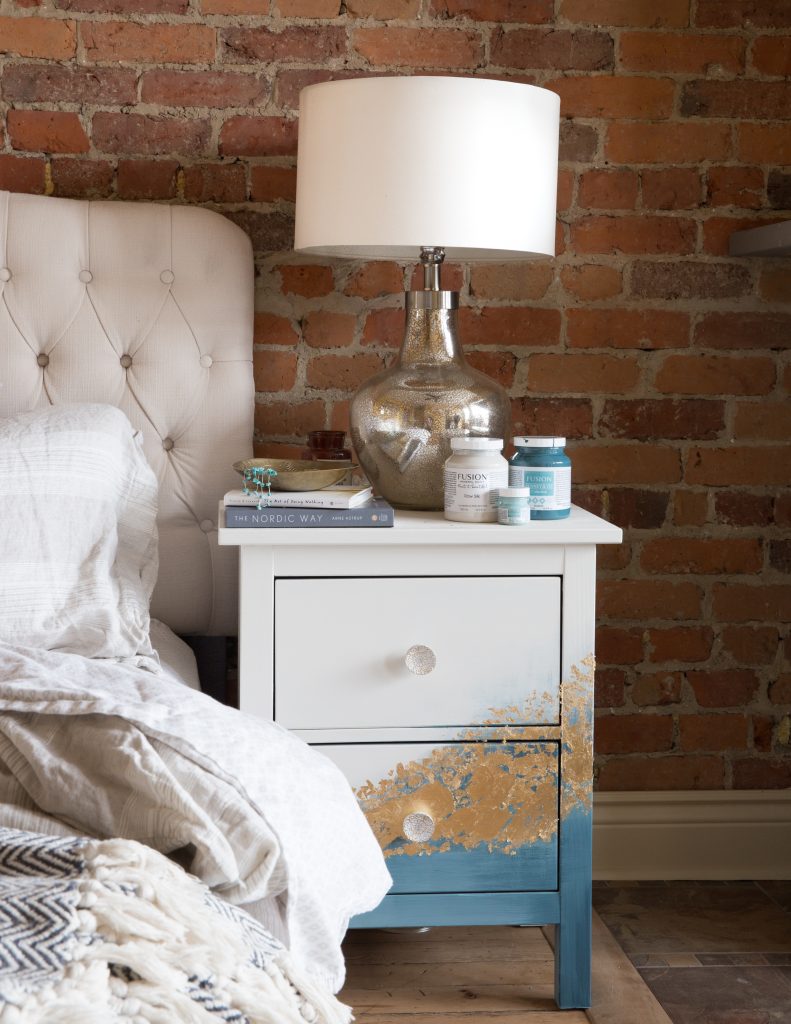
Perhaps most intriguing is the rise of functional art. This innovative approach sees artists crafting furniture that is as much a piece of art as it is utilitarian. For example, tables and chairs may be painted with intricate designs, seamlessly merging form with function. This trend not only provides household items a unique flair but also provokes conversations about the role of art in daily life.
As the artistic community in the United States and around the world embraces this fusion, workshops and classes are proliferating. Many local art studios now offer sessions that encourage participants to experiment with different mediums, merging painting with crafting techniques. This allows both seasoned artists and enthusiastic beginners to explore their creativity in versatile ways. By engaging with these innovative practices, individuals are inspired to craft pieces that reflect their personal expression while contributing to a broader artistic dialogue.
Diving into this captivating space where painting meets craft opens up a world of possibilities. As you explore these techniques, consider how you might incorporate them into your projects. The synergy of colors, textures, and materials invites a new form of expression that can be both profound and deeply personal. In this era of artistic exploration, the only limit is your imagination.
DISCOVER MORE: Click here to delve into the power of music
Innovative Techniques that Merge Painting with Craft
The blending of painting and craft techniques serves as a vibrant canvas for creativity, allowing artists to explore a world where the conventional limits of a single medium no longer apply. As artists delve into this exciting fusion, they unleash a fresh wave of innovation that skillfully intertwines various materials and methods. This approach not only broadens the artistic vocabulary but also sparks interest in sustainable practices and community involvement, creating an enriching environment for collaboration.
One of the standout techniques within this fusion is painting on three-dimensional objects. Artists have started transforming everyday items into pieces of art by applying paint to objects like chairs, lamps, and even kitchenware. This trend has been embraced widely in the United States, where upcycling old furniture into functional art has grown popular, promoting sustainability in creative practices. Imagine a set of wooden stools adorned with intricate floral designs that encourage both functionality and aesthetic appeal. This seamless integration of painting transforms mundane household items into conversation starters.
Moreover, pottery painting has gained significant traction in both professional and casual settings. Artists and hobbyists alike are experimenting with painted ceramic pieces, creating unique bowls, mugs, and vases. Some studios offer pottery classes where participants can learn to paint their handcrafted ceramics, combining the art of crafting with painting. This type of fusion allows individuals to not only express their creativity but also produce functional items that showcase their artistic style. The tactile experience of working with clay and paint adds a layer of richness to the creative process.
Create your own fusion of techniques with the following tips:
- Plan Your Composition: Before you begin, sketch your design to visualize how the painting and crafting elements will work together.
- Experiment with Materials: Don’t hesitate to mix textiles, wood, ceramics, and paper. Each medium brings its unique texture and character.
- Use Quality Paints: Invest in high-quality paints suitable for the surfaces you intend to work on. This can enhance the longevity of your artwork.
- Layer Your Techniques: Start with a base layer of paint, let it dry, and then add your crafting elements, whether it’s collage materials or texture blocks.
- Embrace the Process: Allow room for experimentation and imperfections. The beauty of fusion art lies in its ability to surprise you!
This movement also mirrors the societal shift towards individual expression and personalization. As artists glean inspiration from traditional practices and contemporary trends, they produce works that resonate on a personal level. This method of creating art encourages collaboration between disciplines and invites audiences to contemplate the significance of art in everyday life. The endurance of such projects emerges from combining the visual with the tactile, creating lasting impressions that resonate long after the materials have been put down.
In this landscape of artistic exploration, the fusion of painting and crafting continues to redefine the boundaries of art, inviting creators to engage their imaginations and produce pieces steeped in both tradition and innovation.
| Advantages of Fusion Techniques | Details |
|---|---|
| Enhanced Creativity | Combining painting with crafts opens up new avenues for artistic expression, allowing artists to push boundaries and experiment. |
| Unique Projects | The diverse techniques produce one-of-a-kind creations, making each piece distinct and personal, appealing to collectors and buyers. |
| Skill Diversification | Artists gain versatility by mastering both painting and crafting skills, making them more adaptable in various art forms. |
| Community Engagement | Fusing techniques encourages collaborative projects and workshops, fostering community connections and shared experiences among artists. |
DIVE DEEPER: Click here to explore the power of music genres
Engaging Materials and Techniques for Fusion Projects
As artists continue to evolve in the realm of fusion techniques, mixed-media art has emerged as a dynamic avenue for exploration. This technique allows creators to incorporate various materials, such as wood, fabric, glass, and metal, along with traditional painting. Artists have embraced the idea of layering different forms to create depth and intrigue within their works. For instance, a canvas could feature an oil painting surrounded by polished wooden embellishments that act as both frame and decorative element, further enhancing the piece’s narrative.
Additionally, decoupage is another fascinating method that seamlessly merges painting and craft. This technique involves adhering paper cutouts to surfaces and painting them to create integrated designs. It has a long tradition, originating in the 12th century, but has found renewed interest in contemporary art. DIY enthusiasts and professional artists alike can adorn boxes, trays, and furniture, transforming ordinary surfaces into artistic statements. By collaging painted images with textured patterns, artists can evoke emotions and tell stories in an innovative format.
Moreover, the enticing world of fiber art combines textiles with painting to create unique projects. Artists have taken a keen interest in dyeing fabrics and then employing painting techniques to design stunning textile displays. From painted quilts to wall hangings, the potential of combining woven elements with painted imagery allows for tactile and engaging art forms. This approach encourages the use of sustainable textiles, encouraging a circular economy—a perfect complement to the increasing awareness regarding environmentally friendly practices in art making.
Another movement gaining traction is the use of resin art, where painters infuse craft techniques with a medium that lends an entirely different dimension. Artists pour resin over painted surfaces to achieve a glossy finish while being able to embed objects like flowers or metallic flakes into the resin itself. This fusion gives the artwork a modern aesthetic and allows for intricate designs that may not be achievable through traditional methods alone. The depth and vibrancy of colors achieved through this technique captivate audiences and highlight a robust juxtaposition of 2D and 3D art forms.
Moreover, audiences are increasingly drawn to workshops and events focused on these fusion techniques, demonstrating their growing popularity. Community centers, art studios, and galleries across the United States host classes allowing individuals to learn how to create their own masterpieces that blend painting and craft. Such initiatives not only foster artistic skills but also cultivate connections among blooming artists from diverse backgrounds. Participants can experiment with techniques, share ideas, and develop a sense of community, reinforcing art as a communal experience.
As artists continue to bridge the gap between disciplines, they inspire others to explore their creativity outside traditional boundaries. The commitment to both painting and craft fosters a richer understanding of the artistic process, urging participants to engage with materials and concepts that resonate deeply in our everyday lives. This vibrant fusion encourages a refreshingly modern approach to creating art that can transform personal spaces and reflect individual identities.
DIVE DEEPER: Click here to discover more about sustainable art
Embracing the Fusion of Art and Craft
In conclusion, the fusion of techniques that combines painting and craft opens up a world of creative possibilities, inviting artists and crafters alike to rethink their approaches and explore new avenues of expression. As demonstrated through the diverse applications of mixed-media art, decoupage, fiber art, and resin art, the blending of disciplines stimulates innovation and encourages a fresh perspective on traditional practices. Artists can transform ordinary objects into captivating statements while fostering deeper connections with their audience through storytelling and emotion conveyed in their work.
Moreover, the growing interest in workshops and community events underscores the importance of collaboration and shared experience in artistic growth. By engaging with others who share similar passions, artists can further refine their skills and broaden their horizons. The synergy created in these spaces not only enhances individual artistic journeys but also strengthens the fabric of the creative community.
As society embarks on a journey toward more sustainable and inclusive art practices, the fusion of painting and craft serves as an inspiring model. It champions environmental consciousness through the use of recycled materials and sustainable methods, thus appealing to the eco-friendly sentiments that resonate with many contemporary audiences. Ultimately, this vibrant movement empowers individuals to break down artistic boundaries, fostering an environment where creativity thrives and unique projects flourish. By embracing the fusion of techniques, artists can truly redefine the landscape of modern art.
Related posts:
Fabric Painting Techniques: How to Personalize Your Handmade Creations
Basketry Techniques: Transforming Natural Materials into Functional and Artistic Pieces
Acrylic Painting Techniques: Blending Styles and Textures for Canvas Art
Paper Folding Techniques: Creating Origami Art for Decorations and Personalized Gifts
Fabric Stamping Techniques: Personalizing Clothes and Accessories with Style
Fabric Painting: Exploring Application Techniques and Design for Clothing and Accessories

Linda Carter is a writer and creative hobbies expert specializing in crafting, DIY projects, and artistic exploration. With extensive experience helping individuals discover their creative potential and bring their ideas to life, Linda shares her knowledge on our platform. Her goal is to empower readers with practical tips, inspiring ideas, and step-by-step strategies for success in the world of creative hobbies.