Paper Folding Techniques: Creating Origami Art for Decorations and Personalized Gifts
The World of Origami: A Creative Journey
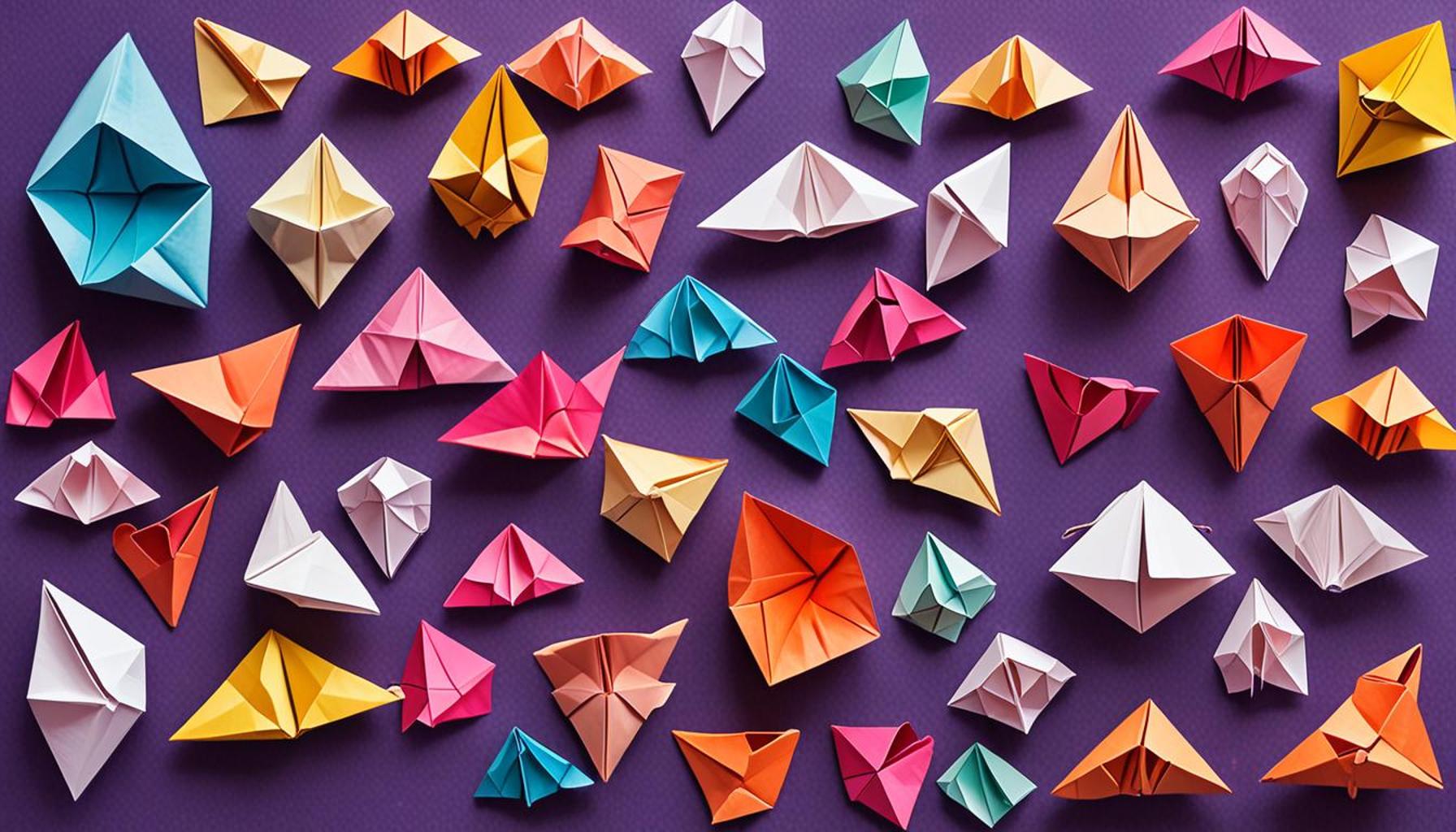
Origami, often described as the art of paper folding, encompasses much more than just transforming a flat sheet into a three-dimensional object. This fascinating craft has evolved significantly since its inception in Japan, gaining global appeal and establishing itself as a medium for creativity and self-expression. Across the United States, in particular, origami has flourished as part of the DIY movement, making it accessible to people of all ages and backgrounds.
The beauty of origami lies in its versatility. Practitioners can create a vast array of items, ranging from simple paper cranes—an iconic symbol of peace—to complex representations of animals, flowers, and even geometric shapes. Beyond just aesthetic appeal, these creations can serve practical purposes. For instance, origami can be used to craft unique gift boxes, intricate cards, and vibrant party decorations that stand out in any setting. The ability to customize these items further ensures that they resonate with personal significance, enriching the crafting experience.
Personalization is another compelling feature of origami. In an age dominated by mass-produced products, handcrafted gifts made through origami provide a refreshing alternative. Whether it’s a delicate paper rose for a loved one or a whimsical origami frog for a child’s birthday, these gifts carry a heartfelt sincerity that often resonates more deeply than anything purchased off a store shelf. Celebrating special occasions with a touch of personal creativity speaks volumes and helps to foster connections between individuals.
One of the most appealing aspects of origami is its accessibility. This craft requires minimal supplies: a sheet of paper and the willingness to learn basic folding techniques. Many aspiring origami enthusiasts have found resources online, including tutorials, instructional videos, and community forums, that make getting started easier than ever. Local libraries and craft stores often offer workshops, providing a hands-on opportunity to master the art alongside fellow creatives.
The spectrum of designs available caters to everyone, from novices to seasoned experts. Beginners might start with simple projects like origami bookmarks or easy animals, while more experienced practitioners can tackle intricate models, such as the challenging origami dragon or tessellations that showcase mathematical principles through art. With so many techniques to explore—from traditional Japanese folds to contemporary designs—the potential for creativity feels limitless.
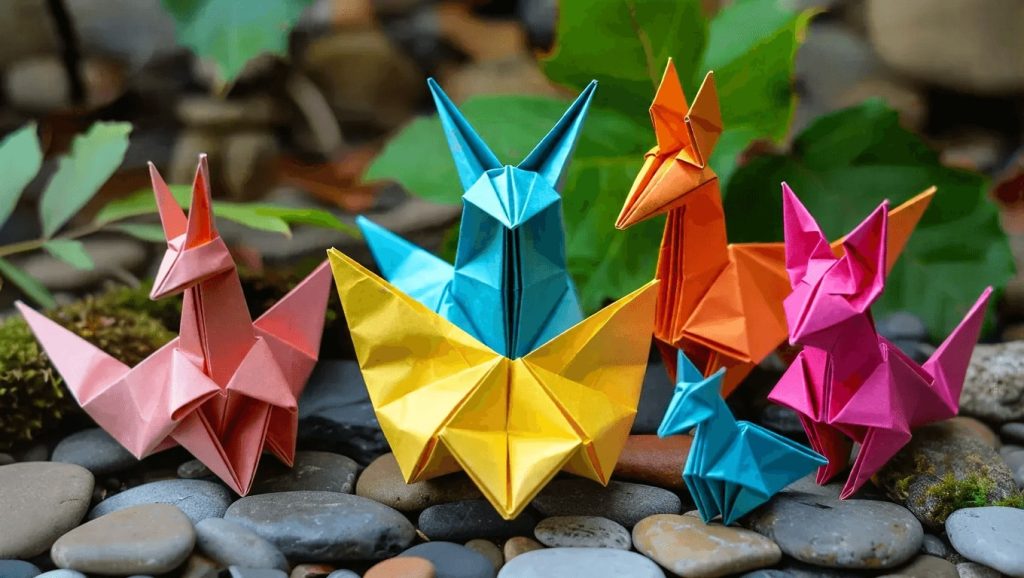
As you delve deeper into the world of origami, you will uncover not just a craft, but a vibrant community ready to share tips and celebrate each other’s creations. So, gather your favorite paper, perhaps some elegant patterned origami sheets, and allow your imagination to lead the way into this fascinating universe where creativity truly knows no bounds!
DISCOVER MORE: Click here to dive into innovative DIY projects
Exploring Basic Origami Techniques: From Folds to Creations
To embark on your journey into origami art, understanding essential paper folding techniques is crucial. Each fold and crease you make serves as a building block for more complex designs, allowing you to create stunning pieces that can be used as decorations or heartfelt gifts. Let’s break down some foundational folds that every aspiring origami artist should master while also shedding light on some creative possibilities along the way.
Common Folding Techniques
Origami offers a variety of folds ranging from the simplest to the most complex. Here are some of the fundamental techniques that are essential for creating captivating origami art:
- Valley Fold: This is one of the most basic folds where the paper is folded toward you, creating a valley shape. It’s used in nearly every origami model.
- Mountain Fold: The opposite of the valley fold, the mountain fold pushes the paper away from you, resembling a mountain peak.
- Reverse Fold: This fold involves altering the direction of a previous fold. It’s often used to create intricate features in designs, such as the beak of a crane.
- Squash Fold: Here, the paper is opened slightly and flattened, allowing for the shape to spread out, commonly used in flower petals.
- Pocket Fold: This technique involves tucking a flap of paper inside another section. It adds depth and dimension to your artwork.
Once you’ve practiced these basic folds, the opportunity to innovate becomes endless. With just a few patterns, you can create impressive designs such as elaborate origami flowers or decorative box structures for gifting. The more you practice these techniques, the more sophisticated your creations will become.
Choosing the Right Paper
When diving into the world of origami, selecting appropriate paper is paramount. While traditional origami paper, known as washi, is highly regarded for its quality and versatility, any thin, flexible paper will suffice for beginners. Keep in mind the following tips for choosing paper:
- Weight: Lighter paper, ranging from 60 to 80 gsm, is ideal for most origami projects because it creases well and is easy to fold.
- Size: Starting with larger sheets allows for easier handling, while advanced projects may require smaller sizes for intricate details.
- Texture and Design: Experiment with patterned, colored, or specialty papers like foil or translucent options to add uniqueness to your pieces.
As you incorporate various techniques and materials, the potential for personalization in your origami projects is immense. Consider taking the time to make decorative elements, each imbued with significance, perfect for enhancing your home décor or presenting to loved ones as charming gifts.
Whether it’s for a birthday celebration or a festive occasion, your origami creations can bring a personal touch, showcasing the thought and effort you’ve invested, making them truly special. Staying engaged in this art form not only enhances your skills but also ignites creativity in designing unforgettable decorations and gifts.
| Advantages | Details |
|---|---|
| Creative Expression | Origami serves as a medium for unleashing creativity by transforming simple paper into intricate designs. |
| Personalized Gifts | Creating customized origami pieces allows for the perfect touch to gifts, making them unique and memorable. |
| Relaxation and Mindfulness | Engaging in origami fosters mindfulness, providing a soothing practice that helps reduce stress. |
| Decorative Appeal | Origami art adds a distinctive decorative element to home decor, enhancing aesthetics with handmade charm. |
Origami is not merely a craft; it embodies a rich tradition that invites individuals of all ages to explore their artistic talents. This engaging art form has the potential to connect families and friends through collaborative projects. Additionally, there is a vast array of designs, from simple to complex, allowing everyone to find something that resonates with their skills and interests. By mastering various paper folding techniques, hobbyists can create stunning pieces that can turn ordinary spaces into showcases of art. Furthermore, incorporating these creations into celebrations or gift-giving occasions elevates the personal touch, leaving lasting impressions. As everyone seeks unique ways to express sentiment, origami stands out as a dynamic choice that blends artistry with emotion.
DISCOVER MORE: Click here to dive deeper
Unleashing Creativity: Advanced Techniques and Unique Designs
As you become more comfortable with basic paper folding techniques, it’s time to explore advanced methods that will take your origami art to a new level. These techniques not only refine your abilities but also expand the horizon of what you can create, ultimately enhancing your decoration and gift-giving options.
Advanced Folding Techniques
Transitioning from basic to advanced folding techniques is where the magic happens. Here are some essential advanced skills every serious origami artist should consider mastering:
- Petal Fold: This folid transforms a single point into a beautiful petal shape, ideal for intricate flowers and decorative motifs.
- Waterbomb Fold: A fun and versatile fold that creates a 3D structure, perfect for making modular origami pieces or decorative balloons.
- Blintz Fold: By folding each corner of the paper toward the center, this technique lays the groundwork for numerous complex designs, from birds to geometric shapes.
- Sink Fold: This advanced technique allows you to “sink” a section of paper inward, generating depth and dimension, adding a sophisticated touch to your pieces.
- Box Pleat: A method that creates multiple parallel folds, providing a structured look, commonly used in origami boxes or gifts.
Each of these advanced folds enriches your origami repertoire. Experiment with combining multiple techniques to craft detailed artworks that exemplify your growing skills.
Utilizing Origami in Decorations and Gifts
With a firm grasp of various folding techniques, it’s time to channel your creativity toward practical applications. Origami can be utilized in a myriad of ways to create enchanting decorations and personalized gifts.
- Origami Flowers: Whether it’s for a wedding, birthday, or any celebration, crafting exquisite origami flowers can provide a lasting alternative to traditional bouquets. You can customize them by selecting papers in the favorite colors of your loved ones.
- Gift Envelopes: Rather than conventional wrapping, consider folding distinctive envelopes from patterned paper. These can be used to encase gift cards and small tokens, adding an elegant flair.
- Table Decor: Enhance dining experiences by using origami napkin designs or folded place settings. These unique elements can be thematic, matching your event’s decor or colors.
- Mobile Art: Delicate origami shapes can be strung together to create beautiful mobiles, perfect for children’s rooms and artistic displays in living spaces.
- Modular Origami Projects: By combining multiple folded units, you can create stunning 3D sculptures such as geometric shapes and intricate animals, turning them into conversation pieces and cherished art displays.
As you explore these applications, don’t forget to seek inspiration from various sources—books, online tutorials, and origami communities. These can offer guidance and fresh ideas, pushing your projects into new and exciting realms.
Origami is not just a hobby; it is a sublime form of art that inspires creativity and nurtures mindfulness. The unique creations you can craft through various paper folding techniques serve to beautify any space and express meaningful sentiments in personal gifts. Your journey into the captivating world of origami art is filled with potential, awaiting your imaginative touch.
DISCOVER MORE: Click here to delve deeper
Conclusion: The Art of Paper Folding Unleashed
In conclusion, paper folding techniques extend far beyond the simple gestures of bending and creasing; they unlock a world of creativity and expression. As you dive deeper into origami, the various methods discussed—ranging from the fundamental to the advanced—provide not just the skills needed for crafting intricate designs but also the joy of transforming ordinary paper into stunning origami art. Whether you aim to create unique decorations for special occasions or to design personalized gifts that demonstrate your care and thoughtfulness, the possibilities are virtually limitless.
Engaging with origami fosters a sense of mindfulness and patience, reminding us of the beauty in taking deliberate, measured steps to create something extraordinary from simple materials. From delicate origami flowers that charm every event to artistic mobiles that captivate in any room, each creation reflects a piece of your personality and creativity.
As you continue your journey through the art of origami, don’t hesitate to experiment, blend techniques, and draw inspiration from the vast tapestry of origami resources available. Publications, forums, and online tutorials serve not only as guides but as gateways to expanding your artistic abilities. Embrace this journey, and watch as your folded creations inspire others and add personal flair to their lives.
Ultimately, the art of origami challenges you to explore, invent, and refine while sharing your beautiful creations with those around you. It’s more than a hobby; it’s an evolving craft—one where you can express your creativity and touch the hearts of others with every fold.
Related posts:
The Magic of Ceramics: Shaping and Painting Techniques to Create Unique Pieces
Creation of Jewelry with Wire Techniques: Transforming Materials into Unique Accessories
DIY with Papier-Mâché: Transforming Containers and Decorations with Creativity
Art in Resin: Tips for Creating Amazing Jewelry and Decorations with Molds and Pigments
Acrylic Painting Techniques: Blending Styles and Textures for Canvas Art
Creative Upcycling Transform Recyclable Materials into Art Projects

Linda Carter is a writer and creative hobbies expert specializing in crafting, DIY projects, and artistic exploration. With extensive experience helping individuals discover their creative potential and bring their ideas to life, Linda shares her knowledge on our platform. Her goal is to empower readers with practical tips, inspiring ideas, and step-by-step strategies for success in the world of creative hobbies.