Art in Resin: Tips for Creating Amazing Jewelry and Decorations with Molds and Pigments
Exploring the World of Resin Art
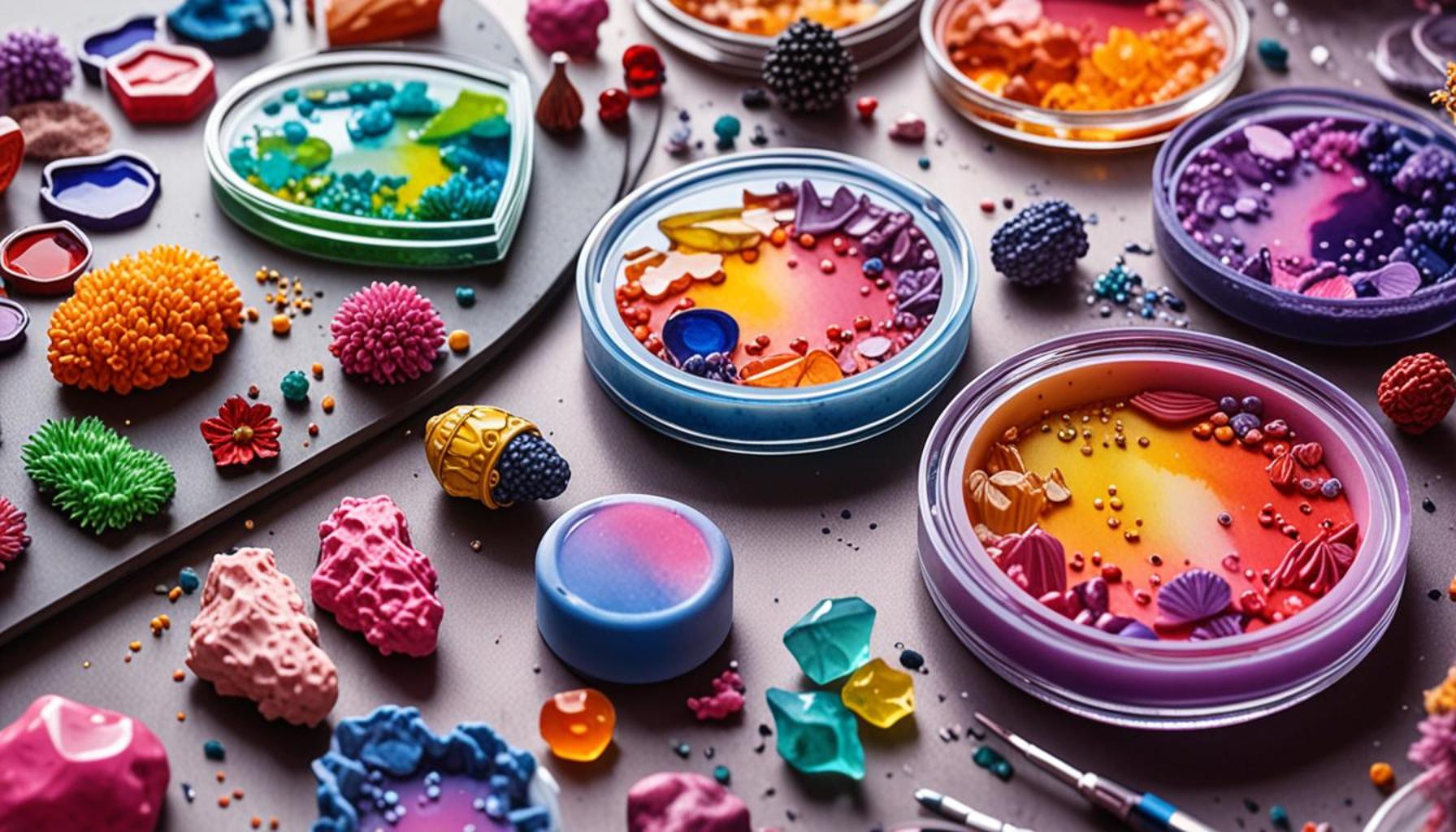
Dive into the vibrant realm of resin art, where creativity flows and imagination takes shape. With just a few materials, you can transform ordinary elements into stunning pieces of jewelry, home decor, or artwork. The combination of molds and pigments opens doors to endless artistic possibilities. This craft, which blends the realms of art and science, has captured the hearts of creators around the globe due to its accessibility and potential for personalization.
Why is resin art rapidly gaining popularity among a diverse group of creators? The answer lies in several appealing factors that cater to both novice artisans and seasoned professionals.
- Versatility: Resin can be molded into various shapes and sizes. From intricate coasters and decorative trays to unique jewelry pieces like pendants and earrings, the scope for creativity is boundless. Artists can even incorporate unconventional elements such as shells, stones, or even tiny figurines, seamlessly sealing them within the resin.
- Customization: One of the charms of resin art is the ability to customize your projects. By adding pigments, dried flowers, or glitter, creators can achieve an aesthetic that is genuinely their own. This personalized touch not only enhances the beauty of the art piece but also makes it a meaningful gift for loved ones.
- Accessibility: The supplies needed for resin art, including resin itself, molds, and various additives, are widely available in craft stores across the United States or online. This accessibility allows beginners to start experimenting without needing an extensive background in art or design.
Whether you are a seasoned artist or just starting as a curious novice, the world of resin art serves as a compelling platform for experimentation. Understanding the core components can lead to impressive results and a fulfilling creative experience. Here are some essential elements to consider as you embark on your resin journey:
- Types of Molds: Silicone molds are particularly popular due to their flexibility, allowing for easy release of the cured resin. Plastic molds offer sturdiness, while custom molds can be designed for specific projects, giving creators the opportunity to experiment with different shapes and effects.
- Pigment Options: Artists can choose from various pigments, including dyes and powders, or explore more vibrant alcohol inks to create stunning color gradients and effects. Knowledge of these options broadens the artistic horizon, enabling creators to achieve the look they desire.
- Safety Precautions: Working with resin does come with some safety considerations. Proper ventilation is crucial due to the fumes when mixing resin and hardener, and protective gear like gloves and safety goggles should always be worn to prevent skin contact and respiratory irritation.
By mastering these fundamental tips, aspiring artists will soon find themselves on the path to creating truly remarkable resin pieces. With the right approach and a splash of creativity, you can unleash your artistic talent and craft pieces that your friends and family will admire. Beyond just a hobby, resin art invites ongoing exploration and innovation, where the only limit is your imagination. As you delve deeper, you may uncover new techniques or inspirations that lead to even more extraordinary creations. Get ready to embark on a colorful journey in the captivating world of resin art!
DISCOVER MORE: Click here
Getting Started with Resin Art: Essential Techniques and Materials
As you begin your journey into the fascinating world of resin art, it’s imperative to familiarize yourself with the essential techniques and materials that will lay the foundation for your creative endeavors. Understanding these core components can elevate your projects and help you achieve stunning results, whether you’re crafting eye-catching jewelry or unique home decor pieces.
The first step in your resin art adventure involves gathering the right materials. Here’s a comprehensive list of what you’ll need:
- Epoxy Resin: This is the primary material for your projects. Epoxy resin is two-part; it includes a resin and a hardener, which, when mixed, creates a chemical reaction that allows it to cure and harden.
- Molds: As previously mentioned, silicone molds are favored for their flexibility and ease of use. They come in various shapes and sizes, enabling you to create anything from simple pendants to intricate coasters.
- Pigments and Dyes: Pigments come in the form of powders and liquids and allow artists to add color, while dyes create deeper and more translucent hues. Experimenting with combinations will help you discover breathtaking color palettes.
- Mixing Tools: You will need a sturdy mixing cup, stirring sticks, and a scale for accurate measurements of the resin and hardener.
- Protective Gear: Safety first! It’s vital to wear gloves, goggles, and a mask to shield yourself from any toxic fumes and spills.
Once you’ve assembled your supplies, the next crucial element is mastering the mixing process. Correctly measuring and combining the resin and hardener is essential for a successful outcome. Follow the manufacturer’s instructions closely, as the resin-to-hardener ratio is crucial for proper curing. Typically, the ratio is 1:1 or 2:1 depending on the specific product you choose. Once mixed, the resin will have a bubble-filled consistency that often requires further attention and care.
To achieve a professional look in your pieces, take note of these helpful mixing tips:
- Stir Well: Mix slowly and thoroughly, making sure to scrape the sides and bottom of your cup. This helps to eliminate air bubbles.
- Let it Sit: After mixing, allow the resin to sit for a few minutes before pouring into molds. This rest period helps some of the remaining bubbles rise to the surface.
- Heat Treatment: Use a heat gun or a torch to pop any stubborn bubbles just after pouring resin into molds. This technique creates a smooth finish and enhances clarity.
By grasping these foundational techniques, you’ll build confidence in your abilities while exploring the versatile world of resin art. The intricate blend of molds, pigments, and techniques not only enable you to unleash your creativity but also transform your ideas into tangible works of art. As you continue to explore, you might discover unique styles and methods that resonate with your artistic voice, leading to an endless array of beautiful creations.
Understanding the Basics of Resin Art
Creating stunning jewelry and decorations from resin involves not just artistic flair but also an understanding of the materials and techniques involved. One of the most crucial aspects is choosing the right type of resin. There are generally two main types: epoxy and polyester resin. Epoxy resin is favored for jewelry due to its durability, clarity, and UV resistance, making it an excellent choice for projects exposed to light. On the other hand, polyester resin tends to cure faster but is less stable and can release strong fumes during the curing process. When it comes to molds, the choices are endless! Silicone molds are particularly popular because they allow for easy demolding and come in various shapes and sizes. Make sure to check if the mold is compatible with the resin type you are using, as some resins can react negatively with certain materials.
Incorporating Pigments and Additives
Once you have selected the right resin and molds, the fun truly begins with color and texture! Pigments are vital in giving your creations a unique personality. Liquid dyes, mica powders, and glitter can transform a simple piece into a spectacular visual statement. When mixing pigments into your resin, remember that less is often more; start with small amounts and gradually add more until you reach the desired hue.Consider also the use of special additives like glow powders or even small objects like dried flowers or beads, which can create captivating, layered effects. These elements can add depth and interest to your jewelry, making each piece truly one-of-a-kind. Don’t be afraid to experiment with different combinations and techniques!
Safety First!
Always remember that working with resin requires caution. Protective gear such as gloves, goggles, and masks is essential to shield yourself from potential fumes or spills. Additionally, ensuring proper ventilation in your workspace will help reduce inhalation of fumes, allowing for a safer and more enjoyable crafting experience.With the right materials and techniques, the world of resin art opens up endless possibilities for creating beautiful jewelry and decorations. The next steps will focus on advanced techniques to elevate your resin projects even further, making them not only eye-catching but also long-lasting treasures. Let’s delve deeper into the exciting realm of resin art!
DISCOVER MORE: Click here to dive deeper
Exploring Innovative Techniques in Resin Art
With your materials gathered and mixing techniques mastered, it’s time to delve deeper into innovative techniques that can elevate your resin art creations to new heights. The versatility of resin, along with various application methods, allows for endless artistic possibilities. Here are some captivating techniques to explore:
Layering for Depth and Dimension
One of the most effective ways to create stunning visual interest in your resin pieces is through layering. By pouring multiple layers of resin, you can add depth and dimension to your artwork. Consider this approach for jewelry items such as pendants or earrings. Here’s a simple guide:
- Layering Colors: Pour a base layer of clear resin, then add your preferred pigments for subsequent layers. The colors can blend or contrast beautifully, highlighting the intricacies of your design.
- Inclusion Techniques: Add natural elements like dried flowers, glitter, or beads between layers to create a stunning visual appeal. Ensure each layer cures properly before adding the next to prevent compromising the integrity of the piece.
- Textures: Use various tools or add materials such as sand or fabric to create textures within the layers, resulting in a more tactile and visually dynamic experience.
Using Silicone Molds Creatively
Silicone molds offer not only a fantastic way to shape resin but also a canvas for intricate designs. Here are some advanced tips on using molds effectively:
- Customizing Molds: Create your own molds using silicone mold-making kits or impress items into an existing mold. This allows you to bring personal touches and unique shapes into your resin artwork.
- Embedding Objects: Consider embedding various objects within the mold. Stones, shells, or even small photographs can become stunning focal points in your finished pieces. Ensure any embedded items are thoroughly cleaned and dried to prevent issues with curing.
- Resin Art Combinations: Combine resin casting with other mediums, such as wood or metal, to design jewelry that is truly one-of-a-kind. This combination broadens your creative palette and enhances the elegance of your final product.
Incorporating Innovative Pigment Techniques
Color is a major component of resin art, and how you apply pigments can dramatically change the final outcome. Here are innovative methods for implementing pigments in your work:
- Swirling Effects: Instead of mixing pigments completely into your resin, try pouring them in separate strands, then gently swirling them with a stick to create abstract patterns that resemble marble.
- Transparent Layers: Use transparent dyes to achieve a stunning stained-glass effect. Layering these dyes can result in ethereal pieces that play beautifully with light.
- Metallic Finishes: Metallic pigments can add a touch of elegance and sophistication to your resin pieces. Experiment with various metallic powders to create lustrous jewelry or decor items that catch the eye.
As you explore these innovative techniques, you’ll find that the world of resin art is expansive and filled with opportunities for personal expression. Each method introduced above opens up a new avenue to explore, fostering creativity while allowing you to push the boundaries of your creations.
Start experimenting, and remember that practice is key—each project will provide you with valuable insights that refine your technique and help you unleash even more creative ideas.
DIVE DEEPER: Click here to uncover new creative techniques</
Conclusion: Unleashing Your Creativity in Resin Art
As we’ve explored throughout this article, art in resin offers an exhilarating avenue for creative expression, particularly for those looking to craft unique jewelry and stunning decorative pieces. By mastering techniques such as layering, utilizing silicone molds, and experimenting with pigments, you can transform simple resin into captivating works of art that reflect your individual style and imagination.
Above all, the key to unlocking your potential as a resin artist lies in experimentation. Each piece you create serves as a journey, allowing you to discover the intricacies of color combinations, textures, and shapes that resonate with your vision. Whether you’re embedding natural elements or playing with swirling effects, the possibilities are truly limitless.
As you embark on your resin art endeavors, remember that success encompasses both the process and the product. Take inspiration from the vibrant American art scene, and don’t hesitate to challenge conventional techniques. Engage with online communities or local workshops to share ideas, seek feedback, and learn from fellow enthusiasts. This collaborative spirit will only enhance your growth as an artist.
So gather your tools, embrace your creativity, and start crafting! Your journey in resin art awaits, and with each creation, you’re not just making jewelry or decorations—you’re crafting pieces of your own artistic legacy. Dive into this mesmerizing world, and let your imagination flow with every pour.
Related posts:
Creative Embroidery Techniques: Incorporating Textures and Colors in Craft Projects
Fusion of Techniques: Combining Painting and Craft for Unique Projects
The Magic of Ceramics: Shaping and Painting Techniques to Create Unique Pieces
Paper Folding Techniques: Creating Origami Art for Decorations and Personalized Gifts
Creative Upcycling Transform Recyclable Materials into Art Projects
Create Seasonal DIY Home Décor Personalized Ideas for Every Season

Linda Carter is a writer and creative hobbies expert specializing in crafting, DIY projects, and artistic exploration. With extensive experience helping individuals discover their creative potential and bring their ideas to life, Linda shares her knowledge on our platform. Her goal is to empower readers with practical tips, inspiring ideas, and step-by-step strategies for success in the world of creative hobbies.