Decoupage Techniques: Customizing Furniture and Objects with Paper and Creativity
Unleashing Your Imagination with Decoupage
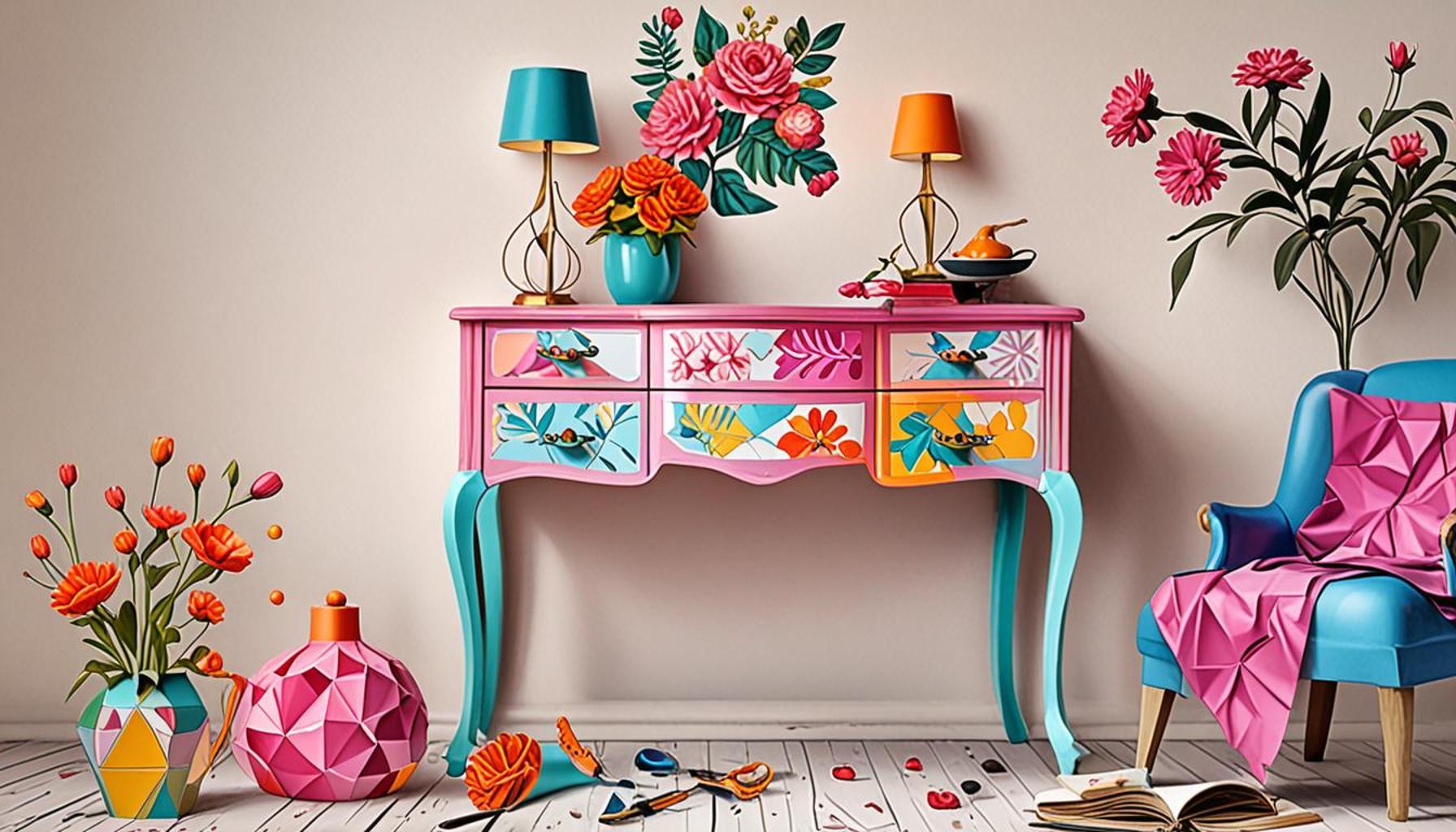
In the dynamic realm of DIY and home décor, decoupage stands out as an art form that marries creativity with accessibility. This time-honored technique transforms mundane objects into eye-catching pieces, using a straightforward method of applying paper cutouts to surfaces, followed by a protective varnish. Imagine how a simple wooden chair can transition from an ordinary seat into a stylish focal point in your living room.
What makes decoupage particularly compelling is its wide-ranging appeal and varied applications. Here are several reasons why this craft has captured the hearts of creatives across the United States:
- Versatility: Almost any surface is a canvas. Whether it’s upcycling an old wooden table, decorating a glass jar, or even embellishing a metal lantern, decoupage adapts to fit your vision.
- Endless Creativity: The potential for unique designs is limitless. You can draw inspiration from a plethora of materials—think vintage postcards, pages from old novels, or colorful scrapbook sheets. The choice of imagery can reflect personal interests, themes, or even seasonal changes.
- Cost-Effective: Creating personalized home décor doesn’t have to break the bank. Many materials required for decoupage might already be at your disposal, allowing you to redesign without substantial financial investment.
While decoupage techniques can be utilized on numerous items, they also offer a fulfilling way to engage with family and friends. For instance, crafting custom coasters from leftover fabric or creating personalized greeting cards for special occasions can elevate any gathering. It’s a fantastic choice for birthday parties or rainy days, allowing participants to explore their artistic side.
Furthermore, there are various methods within decoupage. You can choose to create a collage of images for a more abstract design or adhere a single decorative element for a minimalist touch. Techniques such as layering papers to create texture or using different finishes like gloss or matte to affect the final look of the piece add greater depth to your projects.
In this exploration of decoupage, we’ll delve deeper into the specific techniques available, offering tips and inspiration that cater to both seasoned crafters and eager beginners alike. Embrace the creativity of decoupage, and you may find hidden treasures in your home waiting to be restored and reimagined.
DISCOVER MORE: Click here to unleash your creativity
Exploring the Essential Tools and Materials for Decoupage
Before diving into the myriad decoupage techniques, it is vital to gather the right tools and materials that will facilitate your creative journey. The beauty of decoupage lies in its simplicity, making it accessible to both novice crafters and experienced artists alike. Here’s a curated list of essential items to kickstart your project:
- Paper Cutouts: The heart of your decoupage project will be the paper you choose. Look for a variety of crafting papers, such as decorative napkins, scrapbook paper, or even images printed from your favorite digital sources. Consider the themes or color palettes that resonate with your personal style.
- Adhesive: A strong yet flexible glue is paramount for ensuring that your cutouts adhere smoothly to the surface. Popular choices include Mod Podge or white craft glue, both of which come in different formulas for various applications.
- Brushes: Utilize a variety of brushes for different tasks—including flat brushes for applying adhesive evenly and fine-tip brushes for adding details or smoothing edges.
- Sealer: A protective sealant is essential for prolonging the life of your project. Options range from glossy to matte finishes, enabling you to create the look that best suits your vision.
- Scissors and Craft Knife: Precision tools such as sharp scissors and a craft knife will enable you to create intricate shapes and designs, ensuring a clean cut that enhances the final presentation.
- Surface to Decorate: Consider what you wish to transform. From old dressers to picture frames, the possibilities are endless. Ensure the surface is clean and, if needed, lightly sanded for optimal adhesion.
Once you gather your materials, the real fun begins! One of the most popular decoupage techniques involves layering. This method allows you to build depth and complexity in your designs. By overlapping different cutouts or using varying sizes of paper pieces, you can create a visually dynamic piece that draws the eye.
Another technique is the use of texture. Incorporate elements such as fabric, lace, or other mixed media to add dimension to your projects. The addition of these unexpected materials can enhance the tactile quality of your piece, making it not only visually appealing but also engaging to touch.
For those looking to make a bold statement, consider using larger, more graphic images or photographs as the focal point of your decoupage. A significant image can anchor the rest of your design, providing a central theme that connects various elements throughout the work.
As you experiment with these decoupage techniques, don’t shy away from personal expression. Each piece you create can tell a story or evoke a memory, making your work uniquely significant. Remember, decoupage is not just about transforming an object; it’s also a journey of self-discovery and artistic fulfillment. So unleash your imagination, gather those materials, and let the world of decoupage open up new avenues of creativity in your everyday life!
| Advantage | Description |
|---|---|
| Cost-Effective Customization | Decoupage allows you to transform ordinary furnishings into extraordinary pieces without breaking the bank. With just paper and glue, you can breathe new life into old items. |
| Personal Expression | Utilizing decoupage techniques gives you the unique ability to reflect your personal style in your home decor. From vintage patterns to modern designs, you can curate an environment that is truly yours. |
Decoupage techniques encompass a wide range of skills and materials, all aimed at customizing furniture and various objects with a personal touch. The process involves adhering decorative paper onto surfaces, allowing creativity to flourish, and enabling individuals to create one-of-a-kind designs. There is an extensive library of papers available, with themes that cater to different tastes—be it floral, geometric, or artisan print. Incorporating textured layers can elevate the depth of the design, making it visually striking while also adding a tactile experience. Various finishes, like gloss or matte, can enhance the final outcome, making it possible to choose how you want your finished project to appear. Furthermore, the bonding agents used are designed to hold up against typical wear and tear, ensuring that your creations remain lasting decor pieces. To get started, consider sourcing local craft stores or online platforms for tutorials focusing on your desired themes. With practice, what begins as a simple hobby can evolve into a passion that leads to significant transformations in your living spaces. Engage your imagination, gather supplies, and join a thriving community of decoupage enthusiasts eager to share their knowledge and techniques.
DISCOVER MORE: Click here to dive into sustainable art projects
Advanced Decoupage Techniques to Elevate Your Crafts
As you become more comfortable with the fundamentals of decoupage, exploring advanced techniques can serve to elevate your projects to an entirely new dimension. Whether you are looking to achieve professional quality in your work or simply seeking to add personal flair, consider integrating the following strategies into your artistic repertoire.
Reverse Decoupage
Reverse decoupage is a captivating technique that allows you to create designs on the underside of glass or acrylic surfaces. This method protects your artwork while offering a stunning visual effect. Start by selecting and preparing your cutouts, and then adhere them to the reverse side of your glass object using your preferred adhesive. Once dried, apply a few coats of sealer to enhance durability. This approach is particularly effective for items like glass tables, picture frames, or coasters. It creates a unique layered look that changes depending on lighting, making your piece even more dynamic.
3D Decoupage
If you want to add an extraordinary tactile quality to your projects, try incorporating a 3D decoupage method. This involves using multiple layers of cutouts, which can be raised using various mediums such as foam pads, corrugated paper, or even small pieces of wood. By stacking your designs and elevating certain elements, you achieve remarkable depth and visual interest. This is especially popular for decorative Home décor items like shadow boxes or themed wall art, where layering can transform flat images into captivating three-dimensional arrangements.
Decoupage with Resin
Another innovative method involves using epoxy resin alongside your decoupage techniques. Resin adds a glossy, glass-like finish that not only enhances the aesthetics but also contributes to the longevity of your piece. After applying your cutouts with adhesive, pour a layer of resin over the entire surface. This process encapsulates your artwork, providing protection against spills and wear. It’s especially beneficial for tabletops or decorative trays, allowing you to create stunning, functional art pieces that can withstand daily use.
Mixing Media for Unique Effects
Experimenting with mixed media can also take your decoupage projects to new heights. Consider combining traditional paper cutouts with materials such as fabric, metal, or natural elements. For instance, adding burlap or twine can invoke rustic elegance, while metallic paint or embellishments offer a modern flair. This incorporation of various media not only enhances the visual appeal but also allows you to express your personal style more effectively. Don’t be afraid to layer these materials in unique patterns to create something truly one-of-a-kind.
Color Considerations and Effects
Lastly, delving into colors and effects can significantly impact the overall tone of your project. Use paint wash techniques by lightly diluting acrylic paint and applying it to your surfaces before decoupaging. This can create a soft background that enhances the vibrancy of your paper cutouts. Additionally, explore techniques like glazing or distressing to further texture your work. These methods can evoke a sense of vintage charm or modern sophistication, depending on your desired outcome.
By exploring these advanced decoupage techniques, you not only expand your creative horizons but also enrich the quality of your craft. The beauty of decoupage lies in its versatility—allowing you to transform ordinary furniture and objects into stunning works of art that reflect your personality and creativity. Dive deeper into this artistic venture, and let each technique inspire a new theme or project that speaks to you, bringing life to your home while engaging your artistic spirit.
EXPLORE MORE: Click here to dive deeper into artistic exploration</a
Conclusion: Embrace the Art of Decoupage
In conclusion, the world of decoupage is rich with possibilities, inspiring creativity and personal expression to transform furniture and everyday objects into extraordinary pieces of art. By mastering both fundamental and advanced techniques, such as reverse decoupage, 3D layering, and the exciting integration of resin, you can take your projects from simple crafts to stunning focal points in any room.
Moreover, experimenting with mixed media and color effects opens up countless creative avenues, allowing you to craft items that not only reflect your style but also incorporate an element of storytelling. Whether you are refreshing an old chair, personalizing a gift, or creating custom décor for your home, each design can be as unique as you are.
As you embark on your decoupage journey, remember that practice is key. Don’t hesitate to experiment and push the boundaries of your creativity. The beauty of decoupage lies in its accessibility; anyone can learn and enjoy this technique regardless of their artistic background. With just some paper, adhesive, and your imagination, you can turn the mundane into the magnificent.
So, gather your materials, explore the techniques outlined in this article, and let your artistic spirit soar as you customize your belongings with paper and creativity. The next masterpiece is just a cut-and-paste away!
Related posts:
Fabric Painting: Exploring Application Techniques and Design for Clothing and Accessories
Fabric Painting Techniques: How to Personalize Your Handmade Creations
DIY with Papier-Mâché: Transforming Containers and Decorations with Creativity
Create Seasonal DIY Home Décor Personalized Ideas for Every Season
Creative Upcycling Transform Recyclable Materials into Art Projects
Watercolor Painting: Exploring Blending and Layering Techniques for Stunning Effects

Linda Carter is a writer and creative hobbies expert specializing in crafting, DIY projects, and artistic exploration. With extensive experience helping individuals discover their creative potential and bring their ideas to life, Linda shares her knowledge on our platform. Her goal is to empower readers with practical tips, inspiring ideas, and step-by-step strategies for success in the world of creative hobbies.