Acrylic Painting Techniques: Blending Styles and Textures for Canvas Art
Discover the Versatility of Acrylics
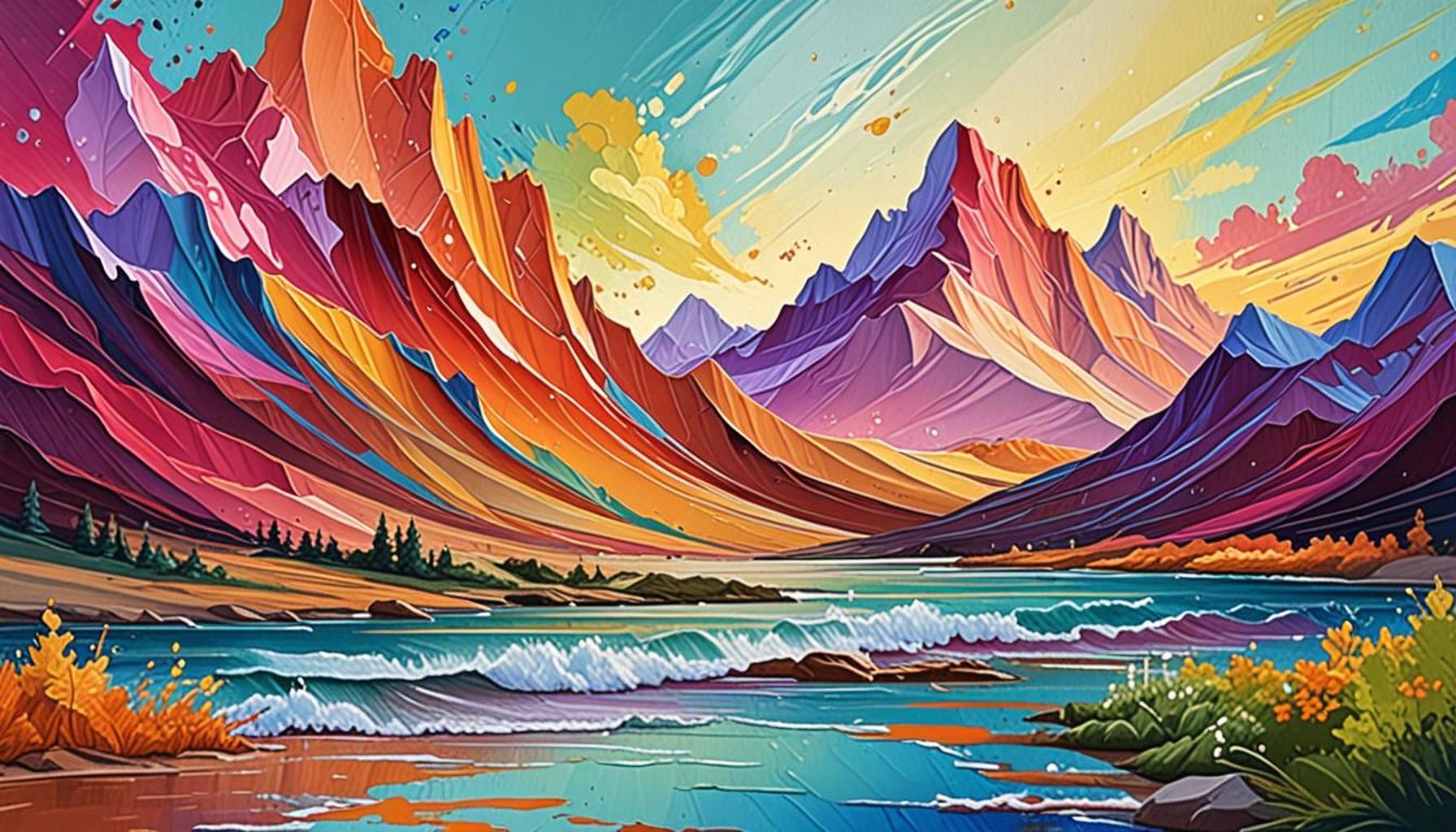
Acrylic painting offers artists a vibrant medium, combining speed and flexibility that sets it apart from other forms of visual art. One of the key attractions of acrylics is their quick-drying nature, which allows artists to work rapidly and layer their colors without long waiting periods. This unique property enables exploration and experimentation, allowing for the creation of stunning pieces that can capture a viewer’s gaze. Whether you’re a seasoned professional or a budding enthusiast, delving into acrylic painting techniques can significantly enhance your creative expressions.
Why Acrylic Paint?
- Quick Drying: The rapid drying time of acrylic paints means that artists can finish their work in one sitting or quickly add layers to achieve the desired depth and complexity. This characteristic is especially advantageous for artists looking to maintain spontaneity in their creations.
- Water Soluble: Acrylics can be thinned with water, making them easy to manipulate. Post-application cleanup is also straightforward, as brushes and palettes can be cleaned with just soap and water, minimizing the mess often associated with other types of paint.
- Vibrant Colors: Acrylic paints are renowned for their bright and intense hues. Unlike some oil paints that may dull over time, high-quality acrylics maintain their vibrancy, ensuring that your artwork remains eye-catching and fresh for years to come.
One of the most appealing aspects of acrylics is their adaptability. Artists can utilize a variety of techniques to create stunning visual effects that range from subtle to dramatic. For instance, using the glazing technique involves the application of transparent layers of acrylic. This method builds depth and luminosity, allowing artists to achieve complex color interactions that might not be possible with opaque paints. It’s particularly useful in landscapes or portraits where light plays a crucial role.
Another popular technique is impasto, where thick, textured applications of paint are used to create dimensional effects directly on the canvas. This method can be used to convey movement or emphasis within the artwork, effectively drawing the viewer’s eye to specific areas. Artists like Vincent van Gogh have famously utilized this method, showcasing how expressive textures can dramatically influence the tone of a piece.
Additionally, the pouring technique allows artists to create fluid, dynamic patterns by pouring thinned acrylics onto the canvas. This method often results in abstract compositions filled with swirling colors that mimic marble or even the ocean’s surface. It invites a degree of unpredictability, as the colors interact in unexpected ways, making each piece truly unique.
Each of these methods opens doors to new artistic possibilities, transforming your canvas into a playground of creativity. As you delve deeper into these acrylic painting techniques, you will discover how to blend different styles and textures, crafting captivating artwork that resonates with viewers on multiple levels. Whether creating bold abstracts, serene landscapes, or dynamic portraits, mastering acrylics can lead to an exciting and fulfilling artistic journey.
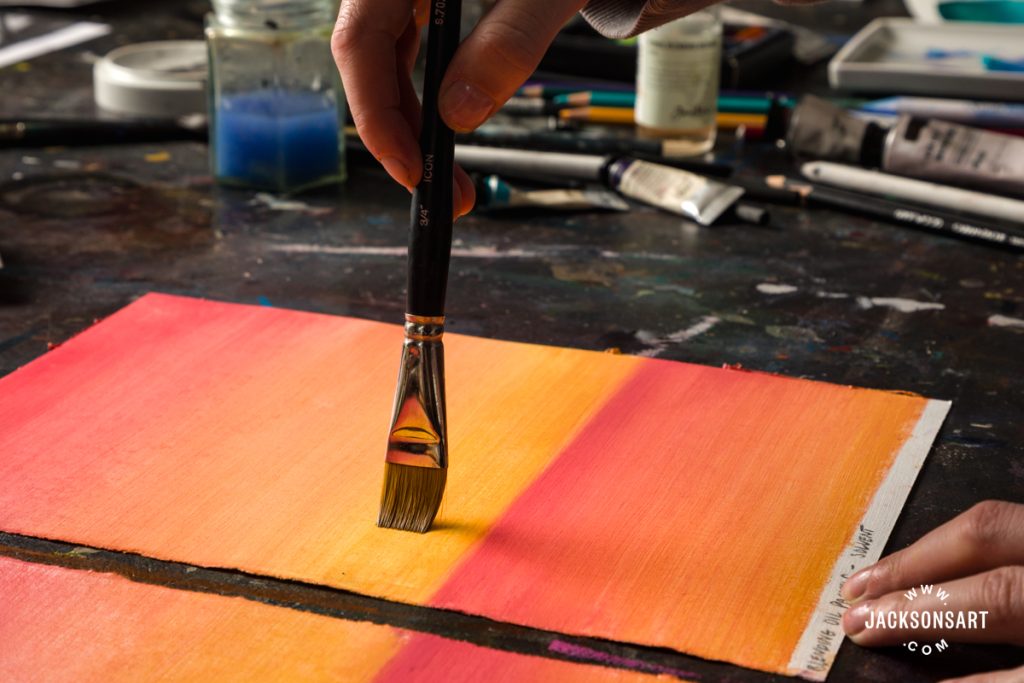
DIG DEEPER: Click here to discover innovative DIY projects
Exploring Key Acrylic Techniques for Stunning Artistry
As artists embark on their acrylic painting journey, understanding various techniques becomes crucial for elevating their canvas creations. Each technique offers unique textures and blends, opening up a wide range of possibilities for expression. From layering to textural applications, the versatility of acrylic paint allows for innovation and creativity in ways that many other mediums cannot achieve. Here are some critical techniques every artist should consider:
- Layering: This technique involves applying successive layers of paint to create depth and complexity in your artwork. By using transparent washes, artists can build up colors and textures gradually, allowing for subtle nuances that add richness to a piece. Layering is especially useful in creating atmospheric landscapes, where the interaction of colors can simulate light and depth effectively.
- Dry Brushing: A wonderful method for achieving a scratchy, textured effect, dry brushing involves using a brush with very little paint on it. This technique is particularly effective for creating highlights or texture on surfaces, such as the bark of trees or rough rocks in landscape paintings. The technique allows artists to mimic fine details with ease, adding realism to their works.
- Washing: Similar to watercolor techniques, washing involves diluting acrylics with water to create a thin, transparent layer of color. This method can be employed to establish base layers or to soften edges in more complex compositions, allowing for smooth transitions between colors. It’s particularly useful for artists striving for a light, airy feel in their artwork.
- Stippling: By applying small dots of paint with a brush or sponge, stippling creates texture and implies depth without the need for blending. This technique can produce stunning visual effects and is often used in creating detailed flora or fauna in paintings, where the interplay of colors can evoke the complexity of nature.
- Scumbling: This method involves brushing on a thin layer of opaque paint over a dry layer of a contrasting color. The result is a unique, textured effect that adds visual interest while allowing the underlying colors to remain visible. Scumbling works well for creating atmospheric effects, such as clouds or mist, giving the work a dreamlike quality.
As artists incorporate these acrylic painting techniques into their practice, they begin to understand how the medium can respond to their individual style. Blending styles through these methods allows for innovation—creating distinctive artwork that stands out. Moreover, the advantageous properties of acrylic paints, such as the ability to be layered, textured, washed, and more, provide ample opportunities for artistic expression.
Breaking down each technique showcases how experimenting with various styles can lead to unexpected and exciting outcomes. As you progress, consider setting aside specific sessions to focus solely on these techniques, allowing yourself the chance to explore and refine them. Ultimately, the journey of discovering new acrylic painting techniques will enrich your artistic repertoire and cultivate a deeper appreciation for the medium.
Acrylic Painting Techniques: Blending Styles and Textures for Canvas Art
Acrylic painting is a versatile and dynamic medium that allows artists to explore a plethora of styles and textures. The use of acrylics provides unique advantages over other types of paint, such as oil or watercolor. One of the most significant benefits is the quick-drying property of acrylics, enabling artists to work more efficiently and layer their techniques with ease. This quality can also encourage spontaneity and creativity, as the need to work quickly can lead to unexpected and exciting outcomes.Another remarkable aspect of acrylic painting lies in its capacity for blending styles. Artists can easily combine various techniques, such as glazing, impasto, and washing, to create rich, multi-dimensional effects on their canvases. For instance, using a glazing technique allows for a translucent, layering effect that can enhance depth, while impasto provides texture through thick applications of paint. By experimenting with these techniques, artists can express their unique visions and create visually captivating pieces.Moreover, the adaptability of acrylics permits a wide array of tools and applications. From brushes to palette knives and sponges, the choices available allow for endless possibilities in texture and style. This adaptability gives artists the freedom to innovate and refine their skills constantly.As you delve deeper into the world of acrylic painting, you will find that the techniques you employ can transform your art and reveal new dimensions of creativity. Understanding how to blend styles and experiment with textures is essential for any artist looking to elevate their canvas work.
| Technique | Advantages |
|---|---|
| Blending | Allows for smooth transitions between colors, creating depth. |
| Layering | Enables the creation of complex textures and visual interest. |
By embracing various acrylic painting techniques, artists can truly enhance their canvas art and develop personal styles that resonate with viewers.
DISCOVER MORE: Click here to explore innovative DIY projects
Innovative Techniques to Elevate Your Acrylic Artwork
As we delve deeper into the realm of acrylic painting techniques, it becomes evident that blending styles and textures not only enrich your artwork but also broaden your artistic horizons. Artists continuously seek ways to innovate and push the limits of what is possible with acrylics. Incorporating new methods can lead to unique finishes, resulting in masterpieces that evoke a strong connection with the viewer. Let’s explore additional techniques that artists can use to refine their craft:
- Pouring: This vibrant method relies on a controlled fluidity of acrylic paint, often mixed with pouring mediums to achieve a marbled effect. By pouring paint onto the canvas and allowing the colors to intermingle, artists can create stunning abstract compositions. Pouring is especially popular for creating large, bold pieces thanks to the mesmerizing patterns and organic shapes that emerge. Many artists experiment with manipulating the surface, tilting the canvas to achieve swirling patterns and unexpected textures.
- Palette Knife Techniques: A palette knife can be an artist’s best friend when exploring thick, impasto-style painting. This technique allows for the application of heavy layers of paint, resulting in three-dimensional textures that catch the eye. Using a knife creates bold edges and sharp contrasts, making it ideal for landscapes, architectural forms, or dramatic abstract art. The versatility of a palette knife allows for a wide range of effects, from smooth swipes to expressive, jagged strokes.
- Finger Painting: Returning to the fundamentals, finger painting invites a tactile approach to acrylic art, encouraging spontaneity and freedom in expression. Using fingers to apply the paint can create dynamic textures and organic forms that are difficult to achieve with traditional tools. This technique fosters a connection between the artist and the canvas, often leading to surprising and vibrant results. It’s an excellent technique for those looking to unlock their creativity without the constraints of conventional tools.
- Mixed Media: The incorporation of other materials—such as pastels, charcoal, or collage—into acrylic painting can create depth and intrigue. Mixed media offers a unique way to blend styles, allowing artists to juxtapose different textures and colors to produce complex visual narratives. For example, adding paper or fabric elements to an acrylic background can create a rich tapestry of textures that draws the viewer in and encourages closer observation.
- Glazing: This technique involves applying a thin, transparent layer of paint over dried layers to alter the color and create luminosity. Glazing can effectively enhance shadows and highlights, resulting in a depth that captivates the audience. Artists can use complementary colors in their glazes to further develop their palette and increase the vibrancy of the piece. This technique is often used in portrait painting to achieve an iridescent glow on skin tones.
Through these innovative techniques, an artist can breathe life into their acrylic paintings, transforming blank canvases into vibrant reflections of their imagination. Experimenting with the unique characteristics of acrylic paint allows for the creation of individualistic styles that stand out in the art community. As artists become adept in blending traditional and contemporary techniques, they also cultivate a deeper understanding of their relationship with the medium. Embracing these methods can significantly enhance one’s artistic expression, making it possible to take acrylic painting to unprecedented heights.
DISCOVER MORE: Click here to dive into eco-friendly art projects
Conclusion: The Infinite Possibilities of Acrylic Painting
In the world of acrylic painting techniques, the fusion of styles and textures offers artists an expansive canvas for self-expression. By blending innovative methods like pouring, palette knife applications, and mixed media, artists can transform their visions into stunning realities. Each technique not only enhances the aesthetic appeal of the artwork but also deepens the emotional resonance between the viewer and the piece. The tactile nature of finger painting encourages spontaneity, while glazing provides that coveted depth and luminosity that truly brings a painting to life.
As you explore these diverse approaches, remember that the journey of mastering acrylics is as important as the final artwork itself. Creativity thrives on experimentation; thus, taking risks and embracing new techniques can lead to unexpected breakthroughs. By merging traditional practices with contemporary innovations, artists can discover unique styles that set them apart in a competitive landscape.
Moreover, as artists continue to share their journeys and personal styles, the community grows richer, fostering collaboration and discussion. Whether you are a seasoned painter or just beginning, the techniques outlined in this article can serve as both inspiration and foundation. The beautiful versatility of acrylics invites you to push boundaries, challenge conventions, and ultimately explore the boundless possibilities that await on your canvas. Dive into this vibrant world of acrylic painting, and let your imagination soar.
Related posts:
Create Seasonal DIY Home Décor Personalized Ideas for Every Season
Creative Embroidery Techniques: Incorporating Textures and Colors in Craft Projects
Advanced Knitting and Crochet: Exploring Patterns and Textures for Custom Pieces
DIY with Papier-Mâché: Transforming Containers and Decorations with Creativity
Fusion of Techniques: Combining Painting and Craft for Unique Projects
Creative Upcycling Transform Recyclable Materials into Art Projects
Linda Carter is a writer and creative hobbies expert specializing in crafting, DIY projects, and artistic exploration. With extensive experience helping individuals discover their creative potential and bring their ideas to life, Linda shares her knowledge on our platform. Her goal is to empower readers with practical tips, inspiring ideas, and step-by-step strategies for success in the world of creative hobbies.