DIY with Children: Fun Projects to Stimulate the Little Ones’ Creativity
Engaging Children in DIY Projects
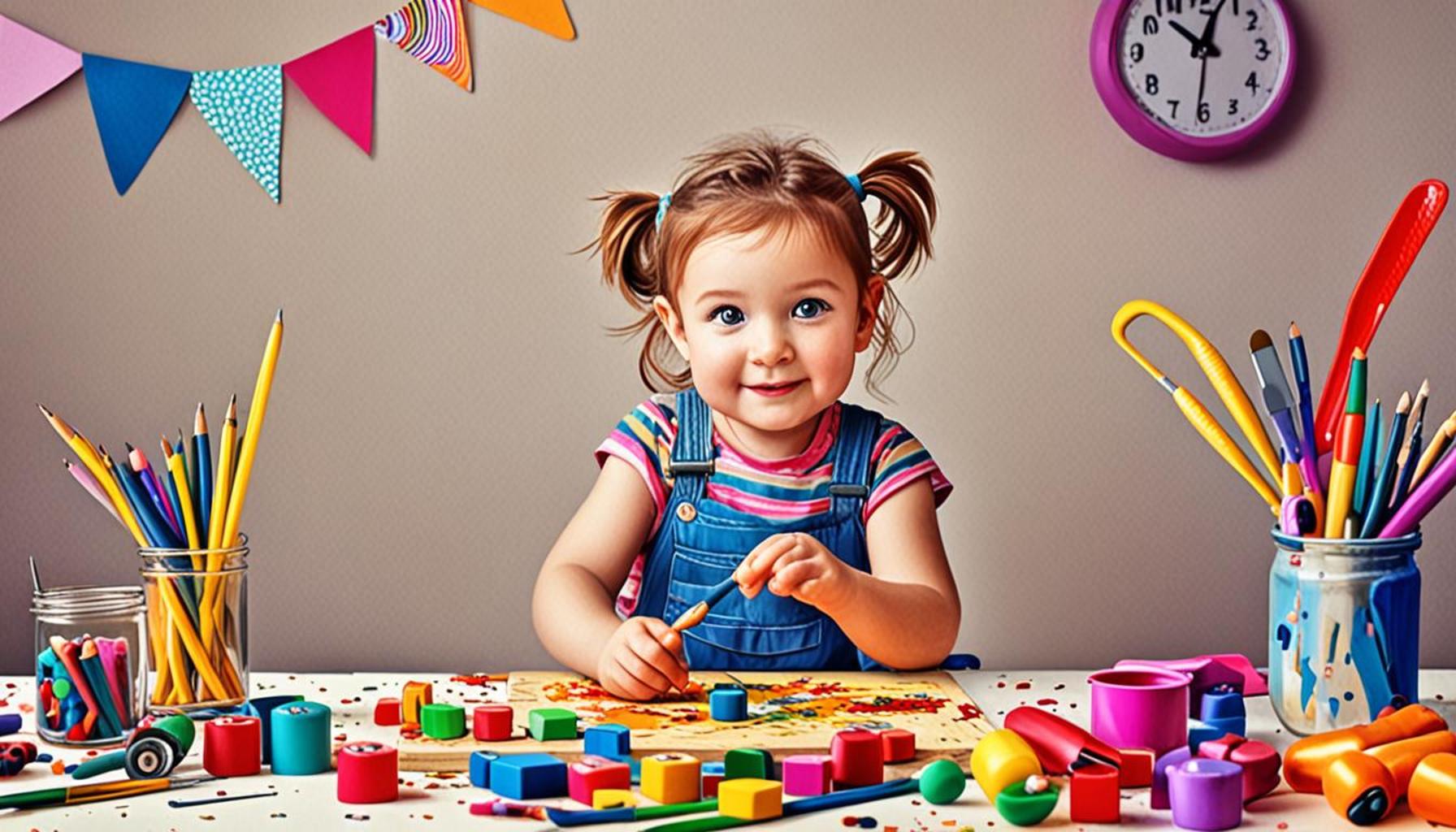
Engaging children in DIY projects serves as a gateway to ignite their imagination and foster a lifelong love for creativity. These hands-on activities not only enable young minds to express themselves, but they also facilitate the development of vital life skills and self-assurance. As kids delve into the world of crafting, they encounter opportunities that encourage them to think critically and solve problems in innovative ways.
The beauty of DIY is that it provides children with a practical learning experience that is both educational and enjoyable. Through the process of making something with their own hands, children begin to understand the importance of persistence and resilience. They learn that mistakes are simply stepping stones to success, which is a powerful lesson that extends beyond the art table.
Benefits of DIY Projects
Here are some compelling benefits of creating DIY projects with children:
- Boosts Problem-Solving Skills: Crafting challenges children to devise solutions to make their ideas a reality. For instance, when building a model or assembling a crafting kit, they will face obstacles that require quick thinking and adaptability.
- Enhances Motor Skills: The intricate nature of many DIY projects hones fine motor skills, particularly in younger children. Activities like painting, cutting, or tying knots help improve hand-eye coordination and dexterity.
- Encourages Teamwork: Many DIY projects can be tackled in groups, promoting collaborative spirit. Activities like building a community garden or creating a large mural encourage communication and teamwork among peers.
Inspiring DIY Projects
The options for DIY projects are virtually limitless, catering to various interests and age groups. Here are a few fun ideas that can spark excitement and creativity:
- Design and create homemade greeting cards for family and friends, using materials like recycled paper, stickers, and markers, which adds a personal touch.
- Build a birdhouse using wood scraps or recycled materials, providing children an opportunity to learn about wildlife while also adding charm to the backyard.
- Experiment with colors by making tie-dye shirts using fabric dye and rubber bands, allowing children to express their unique fashion sense.
The journey into DIY projects can lead to endless discoveries and a treasure trove of skills. Gathering supplies can become an adventure in itself, as children explore their options and envision what they can create. So, grab your materials and set the stage for a burst of creativity and learning!
DISCOVER MORE: Click here for seasonal DIY decor ideas
Exploring Creative Possibilities
As parents and guardians, it can be immensely rewarding to witness children unleash their creativity through DIY projects. These activities not only provide an outlet for expression, but also foster an environment where imagination flourishes. From simple crafts to more intricate creations, engaging in DIY projects with children opens a world of possibilities. Each project, regardless of its complexity, offers unique opportunities for exploration and learning.
One of the keys to successful DIY projects is to align them with the interests and abilities of your child. This personalization enhances engagement and motivation. For instance, if a child enjoys nature, creating a nature journal where they can document plants and animals they encounter can spark their interests further. On the other hand, if they love animals, a DIY dog toy or cat scratching post could reinforce their passion while also fulfilling a need for a pet.
Materials That Inspire
The beauty of DIY projects is that they often require minimal and readily available materials. Here are some common items in your home that can be transformed into stimulating projects:
- Cardboard Boxes: Often overlooked, cardboard boxes can become anything from forts to vehicles. Encourage children to decorate and personalize their creations, letting their imagination run wild.
- Old Clothing: Tattered clothes can be transformed into fashionable accessories or even stuffed toys. Teaching kids to sew or glue fabric together gives them the chance to learn new skills.
- Nature Finds: Leaves, stones, and twigs can produce enchanting art pieces. Nature crafts are an excellent way for children to interact with their environment while learning about the world around them.
Children can develop a sense of ownership and pride in their projects as they select materials and make creative decisions. Additionally, the initial stage of gathering supplies can itself be an exploratory adventure. Parents can guide them in organizing materials and discussing their project plans, stimulating cognitive and communication skills in the process.
A Learning Experience
Engaging in DIY with children goes beyond mere fun; it becomes a profound learning experience. Skills such as planning, executing tasks, and teamwork are cultivated through collaboration and shared ideas. As children navigate through their projects, they also gain valuable lessons in patience and perseverance, seeing through a concept from start to finish.
It’s important to maintain a balance between supervision and independence. Allowing children to make mistakes—even if it means paint spills or a project doesn’t turn out as expected—teaches resilience. This ability to adapt and try again develops important life skills that will serve them well beyond the craft table.
With countless possibilities and profound benefits, DIY projects are a fantastic way to bond with little ones while igniting their passion for creation. Gather your supplies, dive into the craft world, and watch as your home transforms into a hub of creativity and discovery!
Exploring DIY Projects with Children
Engaging children in DIY activities not only ignites their imagination but also enhances their problem-solving skills. As parents, choosing the right projects can be both fun and educational. Simple tasks like creating a homemade bird feeder or painting rocks can transform into a playful learning experience. These projects encourage teamwork, communication, and critical thinking among siblings and friends.
Research indicates that hands-on creativity fosters cognitive development in young minds. For instance, building a model or crafting a costume from recycled materials teaches children sustainability while enhancing their artistic expression. Additionally, hands-on projects allow children to practice fine motor skills, improving dexterity and coordination. Parents often observe an increase in self-esteem as children complete their creations, feeling a sense of achievement.
Moreover, the process of collaboration during DIY projects can strengthen familial bonds. Parents and children working side by side create shared memories and valuable discussions about tasks and goals. This encourages children to express their thoughts and ideas openly, making them feel heard and valued. The act of creating together nurtures emotional intelligence, paving the way for them to become empathetic and socially aware individuals.
Furthermore, incorporating themed projects, such as holiday decorations or seasonal crafts, not only adds excitement but also instills a sense of celebration within the family. Using various materials such as paper, fabric, or even organic elements allows children to experiment and innovate beyond traditional limits.
| Category | Advantages |
|---|---|
| Creativity Boost | Stimulates imaginative thinking and provides a creative outlet. |
| Skill Development | Improves fine motor skills and teaches various techniques in a fun way. |
Ultimately, the world of DIY is expansive and can be adapted to fit any child’s interests and abilities. Leveraging the right resources and guidance opens the door to endless learning opportunities through creativity. Embracing this journey not only enriches the crafts but significantly contributes to the holistic development of children while making lasting memories.
DON’T MISS OUT: Click here to discover creative seasonal decor ideas
Incorporating Learning into Play
DIY projects serve as a delightful medium to blend education with creativity. As children engage in hands-on activities, they naturally absorb valuable lessons in science, math, and even history. For example, when building a DIY bird feeder, children not only learn about wildlife and local birds but also dive into geometry as they measure dimensions for the feeder’s construction. A simple mixture of craft and learning yields dual benefits—children enjoy the creative process while simultaneously enriching their knowledge base.
Additionally, there are engaging science experiments that can double as DIY projects. With household items, children can create a baking soda and vinegar volcano, which not only teaches them about chemical reactions but also provides visual excitement. This project sparks curiosity about earth sciences and encourages them to ask deeper questions about natural phenomena.
Building Social Skills
Involving multiple children in DIY sessions can foster social skills and teamwork abilities. Collaborative projects, such as creating a neighborhood mural or assembling a garden, offer children the chance to communicate ideas, negotiate roles, and solve problems as a team. These interactions create a sense of community and allow them to experience different perspectives. It’s not just about what they create but also who they create with, laying the groundwork for friendships as they work toward a common goal.
Enhancing Fine Motor Skills
Many DIY activities are also excellent for fine motor skill development, which is crucial for young children’s overall growth. Crafts that involve cutting, gluing, and assembling require precise hand movements. Activities such as making friendship bracelets with beads or sewing simple felt animals involve intricate handling, giving children the chance to hone their dexterity. Engaging in these projects frequently can significantly improve their hand-eye coordination, a critical skill needed for various everyday tasks.
Moreover, DIY activities can vary by age group, ensuring that there’s something for everyone regardless of developmental stage. For younger children, projects like finger painting or collage making encourage imaginative expression while being simple enough to foster independence. Meanwhile, older children can challenge themselves with DIY electronics, such as constructing basic circuits or creating a DIY alarm system using everyday materials. Such projects not only increase their technical literacy but also instill confidence in their problem-solving abilities.
Inspiring the Next Generation
Encouraging creativity through DIY projects is essential in a world increasingly dominated by technology. As children actively create with their hands, they develop a sense of ownership and accomplishment that screens cannot provide. This hands-on approach allows them to visualize concepts, reduce stress, and increase emotional well-being. While it’s easy to underestimate the quiet yet impactful influence of DIY crafts, the skills and insights children gain from these experiences are inevitable stepping stones in their growth.
Ultimately, the world of DIY with children is filled with endless projects waiting to be discovered. Believing in their inventive ideas and supporting these endeavors plays a vital role in their creative journeys. When families prioritize DIY activities, they not only bond together but also create resilience, confidence, and a deep appreciation for the world around them.
DISCOVER MORE: Click here to dive deeper
Conclusion: Crafting a Future of Creativity and Collaboration
In conclusion, engaging in DIY projects with children offers a plethora of benefits that extend far beyond mere entertainment. These activities not only spark creativity but also provide invaluable learning experiences that enrich children’s minds. From scientific inquiry to enhancing social skills and fine motor development, the insights gained during these hands-on projects contribute to their holistic growth.
As families embrace the opportunities for creative expression, they establish meaningful connections that foster collaboration and teamwork. Collaborative projects promote a sense of community among children, teaching them the importance of working together towards a common goal. The laughter, communication, and shared successes during these crafting sessions can lead to lasting friendships and a deep appreciation for shared experiences.
Moreover, in an age where children are often glued to screens, the tactile nature of DIY activities reintroduces them to the joys of hands-on creation. This approach not only builds their problem-solving skills but also instills a sense of pride and accomplishment that digital engagement simply cannot replicate. By nurturing an environment that values creativity and exploration, parents can inspire the next generation to think critically and innovate.
Ultimately, the world of DIY projects with children is an exciting adventure filled with opportunities for learning, bonding, and self-discovery. By prioritizing these activities, families can cultivate resilience, confidence, and a vast understanding of the world, ensuring that their little ones grow into well-rounded individuals capable of tackling future challenges with creativity and enthusiasm. Dive into the fun of DIY today, and witness firsthand how these small projects can lead to monumental growth in your child’s creativity and character.
Related posts:
DIY with Family: Creative Projects to Strengthen Bonds and Create Memories
Creating Homemade Aromas: DIY Projects for Incense and Bath Salts
Creating Handmade Jewelry: Step by Step to Assemble Your Own Pieces
DIY Lighting Projects: Creating Customized Lamps for Unique Spaces
DIY Furniture with Pallets: Creating Functional and Stylish Items for Your Home
DIY Aromatic Candles: How to Make Custom Candles to Create Cozy Environments

Linda Carter is a writer and creative hobbies expert specializing in crafting, DIY projects, and artistic exploration. With extensive experience helping individuals discover their creative potential and bring their ideas to life, Linda shares her knowledge on our platform. Her goal is to empower readers with practical tips, inspiring ideas, and step-by-step strategies for success in the world of creative hobbies.