Creating Handmade Jewelry: Step by Step to Assemble Your Own Pieces

The Joy of Crafting Unique Accessories
Creating your own jewelry can be both a fulfilling hobby and a fantastic way to express your individuality. Each piece you craft from necklaces to bracelets holds the potential to mirror your unique style and personal narrative. Unlike mass-produced accessories, handmade jewelry embodies creativity and authenticity, allowing your designs to shine with distinctiveness.
Before diving into this captivating journey, it’s important to consider some essential elements that form the foundation of jewelry making:
- Materials: The materials you choose can dramatically influence the final look of your jewelry. Explore various options, such as beads made of glass, wood, or plastic; wires in diverse gauges; and genuine gemstones that add elegance and solidity. For instance, incorporating semiprecious stones like amethyst or turquoise can invoke admiration and resonate with the wearer’s personality or intentions.
- Tools: To embark on this creative venture, gathering the right tools is crucial. Essential tools include a set of pliers for bending wire, cutters for trimming materials to size, and a bead board that helps organize your designs before they come together. Additionally, consider adding a jewelry scale for precise measurements and a work surface that allows you ample space to lay out your creations.
- Techniques: Mastering various techniques opens the door to endless possibilities in jewelry making. Techniques such as stringing, wire wrapping, and knotting can transform simple materials into stunning ornaments. For instance, learning the art of macramé can lead to intricate designs that feature playful patterns and textures, while wire wrapping offers a way to showcase beautiful stones in eye-catching arrangements.
Once you equip yourself with the right tools and techniques, the possibilities are truly endless. You can create pieces ranging from intricate statement necklaces that draw attention to simple everyday earrings that complement casual outfits. This flexibility makes handmade jewelry not only a reflection of your artistic flair but also a fantastic means of personal expression.
Moreover, handmade jewelry serves as a meaningful gift option for friends and loved ones. It’s an opportunity to add a personal touch to any occasion, whether a birthday, anniversary, or celebration of friendship. A bracelet crafted with thoughtfulness can speak volumes more than a store-bought gift.
As we delve deeper into jewelry making, you will uncover step-by-step processes to assemble your customized pieces. Experience the joy of crafting jewelry that not only adorns but also tells your unique story. So, are you ready to unleash your creativity and embark on this exciting jewelry-making adventure? Accessible to enthusiasts and novice creators alike, this journey promises to enrich your life and the lives of those around you.
DISCOVER MORE: Click here to step outside your comfort zone</
Gathering Your Tools and Materials
Before embarking on the delightful journey of creating handmade jewelry, it’s essential to prepare yourself with the right tools and materials that will enable your creativity to flourish. Finding the perfect combination of accessories to craft can be both an exhilarating and daunting task, but knowing where to start can pave the way for a successful experience.
Choosing Your Materials Wisely
The journey begins with the selection of materials. Here, the options are plentiful and diverse, encouraging you to explore different textures, colors, and functionalities. Some popular materials to consider include:
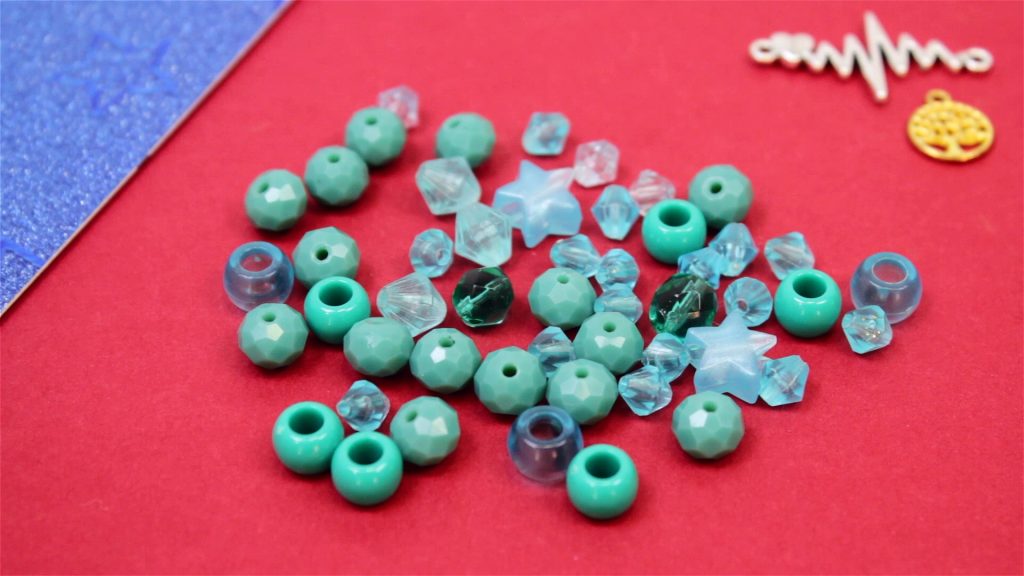
- Beads: These come in various shapes, sizes, and materials such as glass, ceramic, and resin. Choosing beads that resonate with your aesthetic vision can transform a simple design into a stunning piece.
- Wire: Jewelry wire is crucial for creating structural integrity. Available in different gauges, the wire you choose will affect the overall appearance of your piece, so consider selecting a gauge that complements your design’s weight and complexity.
- Findings: These components include clasps, ear wires, and jump rings that allow you to connect and secure your jewelry. Investing in high-quality findings ensures that the finished piece is not only beautiful but also durable.
- Stringing Materials: Often used for necklaces and bracelets, choose from options like silk thread, nylon, or elastic to create pieces that are comfortable to wear yet visually appealing.
Essential Tools for Every Jewelry Maker
Once you’ve curated your materials, the next step is to gather essential tools to aid in your jewelry-making process. Having the right tools in your toolkit can turn your visions into reality efficiently. Here’s a list of must-have tools:
- Pliers: A set of needle-nose pliers, round-nose pliers, and chain-nose pliers will be your best friends in bending, twisting, and gripping materials.
- Wire Cutters: These allow you to easily cut your wire or stringing materials to the desired length, ensuring precision in your designs.
- Bead Board: While optional, having a bead board can help organize your beads and design layouts before you start assembling, giving you a visual overview of the piece.
- Jewelry Glue: For certain designs, especially those involving intricate adornments, glue can provide additional support and stability.
Taking the time to select the right tools and materials is crucial, as it can significantly impact the effectiveness of your designs and the joy you derive from crafting. Each element—be it a stunning gemstone or a quality clasp—contributes to the overall message your handmade jewelry conveys. With these foundational components in place, you’re well on your way to creating unique, personalized accessories that reflect your artistic spirit.
In the following sections, we will delve into various techniques you can employ and explore different styles that can help bring your vision to life. Are you ready to start assembling your masterpiece and embrace the art of handmade jewelry creation?
Understanding Jewelry Materials and Tools
When venturing into the world of creating handmade jewelry, one of the most fundamental aspects to grasp is the variety of materials and tools available at your disposal. Selecting the right components is not only critical for the aesthetic appeal of your jewelry but also crucial for durability and comfort.Materials play a significant role in jewelry making. Common options include metals such as silver, gold, and copper, which can be used for everything from pendants to rings. Additionally, gemstones and beads offer a touch of color and personality, making your pieces truly unique. For those interested in eco-friendly options, consider using recycled materials or sustainable stones, which are becoming increasingly popular among consumers.In terms of tools, having the right equipment can elevate your craftsmanship. Essential tools include pliers, wire cutters, and saws, alongside specialized tools for tasks like soldering or carving. Many artisans find it beneficial to invest in a high-quality workstation that accommodates their tools and materials efficiently, promoting a favorable creative environment.
Techniques for Assembling Pieces
Once you’ve gathered your materials and tools, the excitement of assembly begins! Different techniques can yield varying results, from simple beading to intricate wire wrapping. Understanding fundamental jewelry-making techniques will allow you to explore your creativity fully. For beginners, techniques such as stringing and knotting are excellent starting points. As you advance, you can explore soldering and metalwork for a more complex approach. Each method allows for endless possibilities, enabling you to craft a signature style unique to you.Finally, don’t forget about design! Sketching your ideas or using jewelry design software can aid in visualizing your final product and ensuring that all elements work harmoniously together. Experimentation is key in creating captivating handmade pieces that you can cherish or gift to someone special. To ignite your creativity, explore various designs and trends in the handmade jewelry market for inspiration.In this captivating journey of handmade jewelry creation, understanding the materials, tools, and techniques is just the beginning. There’s an exciting adventure awaiting you as you start assembling your unique pieces.
| Category | Advantages of Handmade Jewelry |
|---|---|
| Customization | Tailor each piece to your personal style and preference, ensuring that it resonates with you. |
| Quality | Handcrafted jewelry often uses higher quality materials compared to mass-produced items, leading to a longer lifespan. |
DIVE DEEPER: Click here to discover experimental painting techniques
Techniques for Assembling Your Jewelry
Now that you have gathered your tools and materials, it’s time to dive into the crafting techniques that will help you assemble your unique pieces of handmade jewelry. Mastering these techniques will not only enhance your craftsmanship but also allow you to express your creativity in compelling ways. Below are some fundamental techniques that every jewelry maker should know:
Stringing Beads
One of the most popular methods for creating jewelry is stringing beads. This technique is ideal for making bracelets, necklaces, or any design where you want to incorporate a variety of beads. Start by measuring out your desired length of strung beads and adding a few extra inches to allow for knots or clasps. Follow these steps for successful stringing:
- Choose the right threading material. Silk thread is perfect for a more luxurious feel, while nylon or elastic works well for casual pieces.
- Begin with a bead stopper at one end to prevent your beads from sliding off as you work.
- String your beads in the chosen sequence, keeping in mind color, size, and texture to create visually appealing arrangements.
This technique allows for greater freedom in design, as you can easily change or remove beads before finalizing your structure. Be playful with color combinations and shapes to bring your vision to life.
Wire Wrapping
Wire wrapping is another skill that can elevate your jewelry-making game. This technique involves using wire to create shapes, loops, and connections that bring intricate designs to your pieces. Here’s how to get started:
- Cut a length of wire appropriate for your design. If you’re uncertain, err on the side of caution and start with more length; you can always trim it later.
- Use round-nose pliers to create a small loop at one end, securing it tightly before adding beads onto the wire.
- Continue wrapping the wire around beads, securing them in place with additional loops as needed.
This technique not only offers structure but also allows jewelry makers to incorporate stones and unique elements that might not fit into typical stringing. The result often leads to stunning focal points in your pieces.
Chain Maille
For those looking to create unique and intricate designs, embracing chain maille techniques can be rewarding. Popular in both contemporary and historical contexts, chain maille involves linking metal rings together in various patterns to form bracelets, necklaces, and more. Consider these points:
- Choose the type and size of rings that will match your design; consider variations in material like aluminum, stainless steel, or even gold-plated rings.
- Experiment with different weaves, like the European 4-in-1 or Byzantine, to add complexity to your designs.
- Be patient! Chain maille requires practice and attention to detail, but the resulting pieces can be strikingly beautiful.
This technique adds an element of texture and elegance and can serve as a wonderful conversation piece, showcasing your skills and creativity.
As you become familiar with these techniques, don’t hesitate to experiment and even combine methods to create one-of-a-kind pieces. The world of jewelry making offers endless possibilities, waiting for you to discover your style and showcase your artistic flair.
DISCOVER MORE: Click here to delve into advanced origami techniques
Conclusion
Creating your own handmade jewelry is a unique journey that combines creativity and craftsmanship. With the foundational techniques of stringing beads, wire wrapping, and chain maille that we’ve explored, you are now equipped to embark on the adventure of bringing your personal visions to life. Each piece you create not only becomes a reflection of your individual style but also carries the story of your creative process.
As you continue to develop your skills in assembling your own jewelry, remember that experimentation is key. Don’t be afraid to mix methods or incorporate new materials. With each practice, the potential for innovation grows, allowing you to explore various design aesthetics, colors, and textures to create truly one-of-a-kind pieces that resonate with your aesthetic sensibilities.
Moreover, the world of DIY jewelry making is vast and ever-evolving, with resources readily available online and in local craft stores to inspire you further. Engaging with communities of fellow jewelry makers can provide valuable feedback and fresh ideas, encouraging you to refine your techniques and broaden your artistic horizons.
So gather your materials, unleash your creativity, and begin assembling your own unique handmade jewelry pieces. Whether for personal use or to gift to others, the satisfaction of wearing something crafted by your own hands is immeasurable, and the joy of creating is sure to be an exhilarating experience. Start today, and pave your own path in the art of jewelry making!
Related posts:
Innovative DIY Projects Transforming Art with Creative Trends
DIY Aromatic Candles: How to Make Custom Candles to Create Cozy Environments
The Magic of Fabric Painting: Transforming Ordinary Clothes into Unique Pieces
DIY Creative Photography: Transforming Images into Artworks
DIY Educational Toys: How to Make Fun and Instructional Items for Children
DIY Lighting Projects: Creating Customized Lamps for Unique Spaces

Linda Carter is a writer and creative hobbies expert specializing in crafting, DIY projects, and artistic exploration. With extensive experience helping individuals discover their creative potential and bring their ideas to life, Linda shares her knowledge on our platform. Her goal is to empower readers with practical tips, inspiring ideas, and step-by-step strategies for success in the world of creative hobbies.