DIY Creative Photography: Transforming Images into Artworks
Unlocking Your Creative Potential
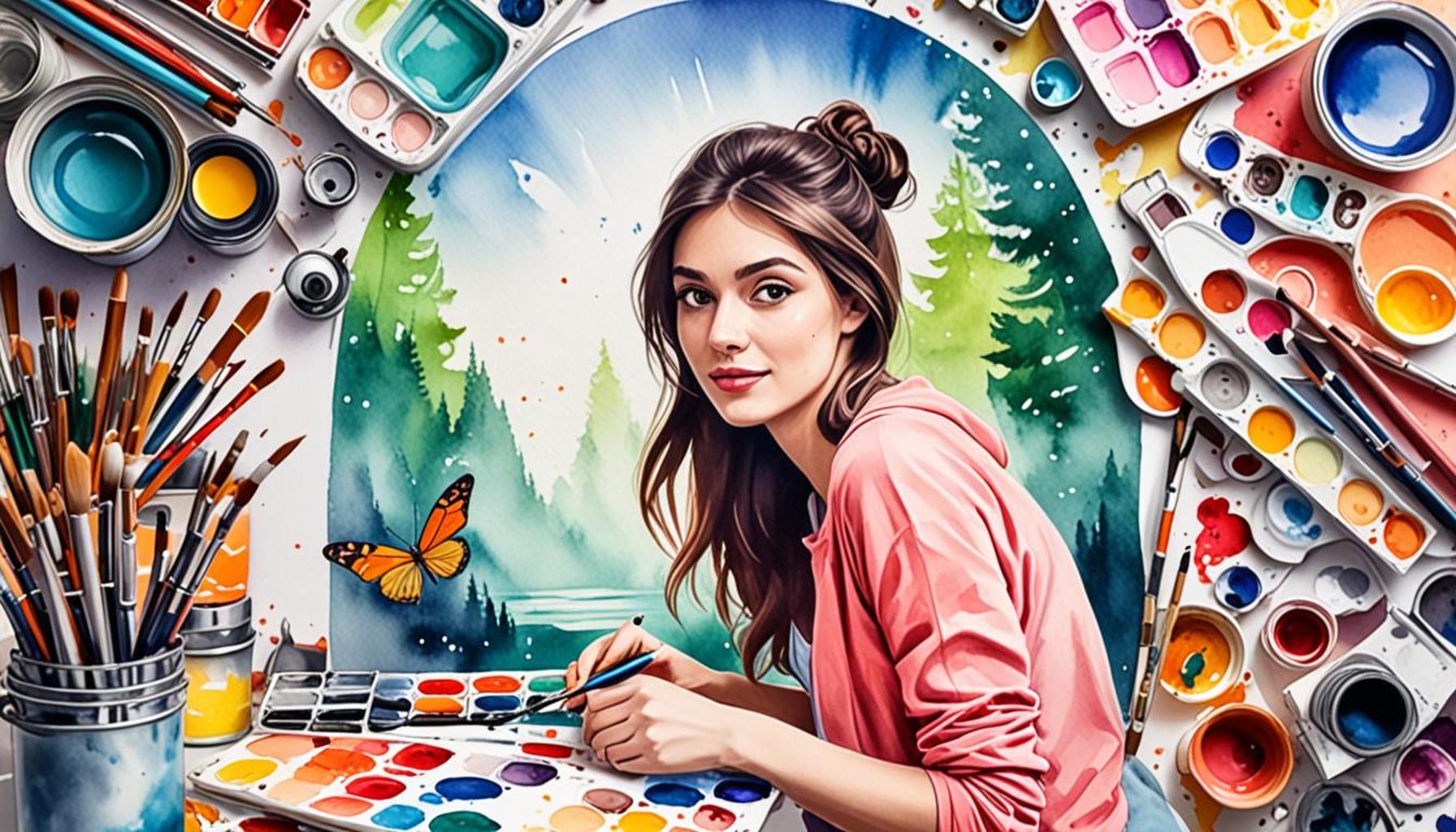
In an age where images dominate social media feeds and websites, DIY creative photography presents a captivating avenue for personal expression and artistic exploration. Armed with just a camera—whether it’s a professional DSLR or a smartphone—and a dash of creativity, anyone can capture the extraordinary within the mundane. Every frame offers an opportunity to present a unique perspective, transforming ordinary scenes into visually striking works of art.
Experimenting with Lighting
Experiment with lighting to elevate your photography. Natural light, especially during the golden hour shortly after sunrise or before sunset, can provide a warm, magical glow to your subjects. Conversely, artificial lighting, such as neon signs or strategically placed lamps, can cast dramatic shadows and create moody atmospheres. For example, using backlighting can create beautiful silhouettes, while side lighting highlights textures in subjects like landscapes and portraits.
Incorporating Textures
Adding layers to your images by incorporating textures can significantly enhance their depth and interest. Experiment with everyday materials like fabrics, leaves, or water. For instance, a close-up shot of raindrops on a window pane can evoke a sense of nostalgia, while juxtaposing rough stone against soft florals can create visually compelling contrasts. These texture overlays can transform a simple photograph into a narrative-rich image that invites viewers to linger.
Using Props
Introducing props to your photography opens up endless possibilities for storytelling. Use props that complement the theme or message of your image. For instance, if you’re capturing a moment of joy, consider colorful balloons or a vintage bicycle. Story-driven images can come alive with the right object. In urban settings, using everyday items, such as coffee cups or hats, can illustrate the essence of city life, encouraging viewers to connect with the scene.
Post-Processing Magic
In the realm of digital photography, post-processing is your canvas where imagination meets reality. Utilizing software like Adobe Lightroom or Photoshop enables photographers to refine and transform their images artistically. From color correction to the application of filters that add a surreal touch, examples abound in Instagram feeds, where users employ techniques like double exposure or monochromatic edits to express their creativity vividly.
Capturing Emotion Through Imagery
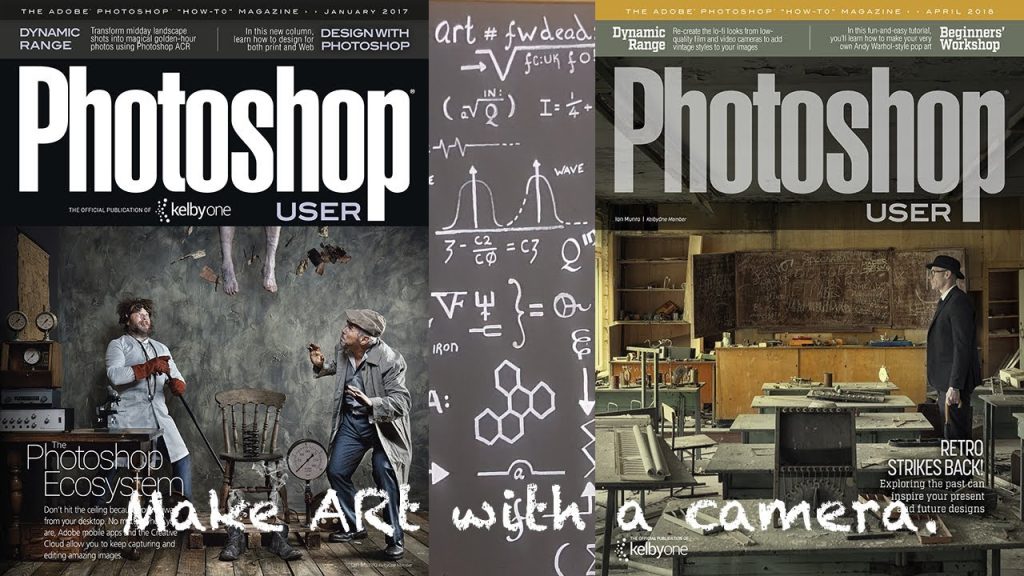
As you delve deeper into creative photography, consider the power of storytelling embedded in each shot. Your photographs can spark conversations, evoke emotions, and connect with audiences on profound levels. A candid image of a child laughing, for instance, can instantly convey feelings of joy and warmth, while a somber landscape can evoke contemplation.
Embarking on a journey through DIY photography not only cultivates technical skills but also nurtures personal growth and self-expression. So grab your camera, embark on your creative adventure, and discover the artistic beauty that lies within your daily surroundings. The world of photography beckons, ready to be explored by your unique vision.
UNLOCK MORE IDEAS: Click here to discover new forms of creativity</
Enhancing Your Visual Narratives
To truly embark on your DIY creative photography journey, it’s crucial to delve into various techniques that can enhance your images and transform them into stunning artworks. Whether you’re photographing in your backyard or exploring an urban landscape, there are several methods to elevate your compositions and convey your artistic vision. Here are some core techniques to consider:
Composition Techniques
The backbone of any great photograph lies in its composition. Understanding fundamental principles can make a profound difference in how your images resonate with viewers. Here are key compositional techniques to experiment with:
- Rule of Thirds: Imagine your frame divided into nine equal parts by two horizontal and two vertical lines. Place your subject along these lines or at their intersections to create more dynamic, engaging images.
- Leading Lines: Incorporate natural lines like roads, rivers, or architectural elements to guide the viewer’s eye through your photograph. This technique adds depth and context to your composition.
- Framing: Use elements within your scene to create a ‘frame’ around your subject. Archways, branches, or doorways can offer a creative boundary that draws attention to the focal point.
Creative Angles
Don’t shy away from experimenting with angles. While eye-level shots are the most common, shifting your viewpoint can lead to unexpectedly unique results. Consider getting low to the ground for dramatic perspectives or shooting from above to capture patterns and symmetry. For example, a top-down view of a crowded market could reveal intricate arrangements of produce, transforming a mundane scene into a work of art.
Mastering Color Theory
Your choice of colors can evoke specific emotions and moods, so understanding color theory is essential for making impactful photographs. Warm colors like reds and oranges can convey energy and joy, while cool colors such as blues and greens impart calmness and serenity. Consider the color palette of your surroundings and utilize contrasting or complementary colors to create visual harmony or tension.
The Art of Storytelling Through Details
Every photograph tells a story, but to enhance the narrative, focus on the details that make your image unique. A close-up of a weathered hand grasping a flower can speak volumes about the passage of time and resilience. Alternatively, capturing small, candid moments—like the laughter shared between friends—can evoke a sense of nostalgia and warmth. These details not only enrich your storytelling but also invite viewers to connect on a deeper level.
By employing these techniques in your DIY creative photography, you can transform your images into powerful artworks that showcase your unique perspective. As you explore the diverse aspects of photography, the possibilities to express yourself creatively are endless. Embrace the challenge and let your imagination guide you. With each click of the shutter, you have the chance to stop time and encapsulate emotions that resonate with anyone fortunate enough to view your art.
Discovering the Benefits of DIY Creative Photography
DIY Creative Photography is not just a hobby; it’s a journey that allows individuals to express their artistic vision while developing their technical skills. By transforming ordinary images into stunning artworks, photographers can cultivate a deeper appreciation for the craft of photography and the tools they use. The possibilities are endless, and the benefits are profound. Below, we present a comprehensive table that highlights the advantages of this enriching activity.
| Category | Key Features |
|---|---|
| Creativity Enhancement | Engaging in DIY projects fosters imagination and originality, pushing the boundaries of traditional photography. |
| Skill Development | From mastering equipment to understanding post-processing, photographers can hone various skills in a hands-on manner. |
| Personal Satisfaction | Creating art from personal images provides a sense of ownership and fulfillment that is often unmatched. |
| Community Engagement | Participating in DIY creative photography can connect photographers with like-minded individuals who share their passion and drive. |
This table summarizes how engaging in DIY Creative Photography can enhance various aspects of one’s life, from building valuable skills to discovering new artistic passions. As creativity in photography continues to flourish, embracing this art form can transform your images into truly captivating pieces of art.
DIVE DEEPER: Click here to discover more techniques
Harnessing Light and Texture
In the realm of DIY creative photography, understanding the manipulation of light and texture can significantly enhance the aesthetic quality of your images. Both elements are crucial for setting the mood and drawing attention to your subject. By mastering how to harness these aspects, you can create captivating artworks that tell your unique story.
Natural and Artificial Lighting
The manipulation of natural light is a fundamental skill for any photographer. Golden hour, which occurs shortly after sunrise and before sunset, provides soft, diffused lighting that creates a magical glow perfect for portraits and landscape shots. Conversely, mid-day sun can create harsh shadows. Utilize reflectors or diffusers to soften this light, resulting in a more even exposure across your subject.
Moreover, artificial light sources, such as lamps or LED panels, provide additional opportunities for creative experimentation. By positioning lights at different angles, you can create dramatic shadows and highlights, resulting in stunning contrasts that elevate your artwork. For instance, a simple table lamp can transform a mundane still life into a visually striking scene filled with depth and intrigue.
Capturing Texture
Texture adds richness to your photographs, allowing viewers to engage with the surface quality of your subjects. Experimenting with macro photography can enhance the textures found in everyday objects, from the intricate details of a flower petal to the weathered grains of wood. Using a macro lens or extension tubes can bring out these details, making the viewer almost want to reach out and touch the photograph.
Also, consider the role of texture in your backgrounds. A rustic wall or cracked pavement can provide a contrasting surface that accentuates the subject, creating a more dynamic composition. Photographers like John Albury have taken this approach to heart, using textured backgrounds to elevate their subjects, resulting in photographs that pulse with life and interest.
Post-Processing Techniques
<pWhile in-camera techniques are invaluable, post-processing holds immense power in transforming your images further. Programs like Adobe Lightroom and Photoshop allow you to adjust colors, contrast, and sharpness, giving you the freedom to enhance your artistic expression. Familiarizing yourself with presets and filters can save time while also giving your photographs a consistent style.
One compelling technique to explore is layering, where you can combine multiple images to create a surreal or dreamlike effect. For example, blending a tranquil landscape shot with a textured wave pattern can produce an enchanting seascape that resonates deeply with viewers. This method opens a gateway to practically limitless creative possibilities, urging you to break free from traditional photography limits.
The Power of Mixed Media
Finally, embracing mixed media approaches can serve as an exciting avenue to enhance your creative photography journey. Incorporating elements such as paint, ink, or digital illustrations into your prints can lead to visually striking outcomes. For instance, hand-painting over a black-and-white photograph can infuse life and personality into the work. Alternatively, digitally layering graphics over an image can create compelling narratives that engage your audience innovatively.
Incorporating mixed media also allows for greater exploration of themes, encouraging viewers to interpret multi-faceted artistic expressions. Whether you are drawing from personal experiences or current events, this approach can generate impactful artworks that resonate with diverse audiences.
DISCOVER MORE: Click here to learn about innovative art from recycled materials
Conclusion
In the captivating world of DIY creative photography, the possibilities for transforming images into artworks are virtually limitless. By effectively harnessing light and texture, utilizing innovative techniques, and embracing mixed media, photographers can produce compelling pieces that resonate with audiences on multiple levels. Understanding the nuance of natural and artificial light can elevate your work, while a keen eye for texture adds a tactile dimension that breathes life into each photograph.
Moreover, post-processing techniques further enhance the artistic potential of your images, allowing for the exploration of surreal narrative spaces and whimsical aesthetics that push traditional boundaries. As you dive into layered compositions and mixed media approaches, remember that these methods not only encourage personal expression but also ignite conversations around themes and emotions that may not have been explored otherwise.
Ultimately, the journey of enhancing your photography skills is both a personal and creative one. As you discover new techniques and apply your unique flair to your images, remember that every click of the shutter is an opportunity to tell your story and express your vision. So grab your camera, experiment wildly, and let your imagination steer you towards creating stunning artworks that reflect your artistic journey. The world of DIY creative photography awaits you, ready to transform ordinary moments into extraordinary masterpieces.
Related posts:
DIY Aromatherapy: How to Make Essential Oil Diffusers for Relaxation
DIY in Paper: Innovative Ideas for Creating Customized Cards and Invitations
The Magic of Fabric Painting: Transforming Ordinary Clothes into Unique Pieces
DIY Interior Decoration Projects: Create Unique Spaces with Personal Touches
DIY Wall Murals: How to Transform Spaces with Homemade Art
Exploring Music Genres to Boost Personal Creativity and Expression

Linda Carter is a writer and creative hobbies expert specializing in crafting, DIY projects, and artistic exploration. With extensive experience helping individuals discover their creative potential and bring their ideas to life, Linda shares her knowledge on our platform. Her goal is to empower readers with practical tips, inspiring ideas, and step-by-step strategies for success in the world of creative hobbies.