The Artist’s Journey: Discovering New Techniques and Styles in Every Project
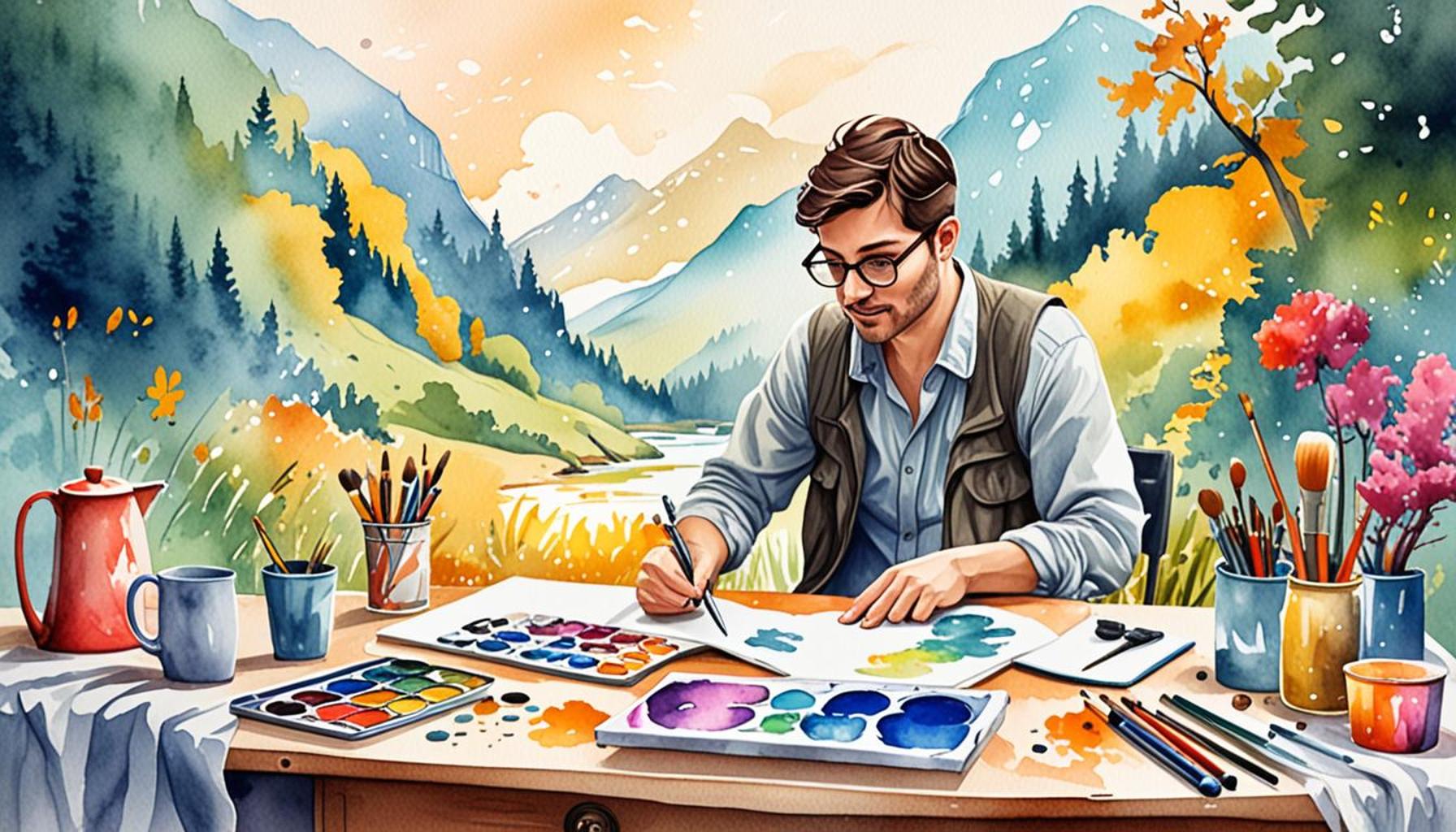
Exploring the Rich Tapestry of Artistic Expression
The path of an artist is often filled with exploration and discovery. Each project presents an opportunity to learn and evolve, unlocking doors to new techniques and styles. This journey is not just about creating art; it’s about pushing boundaries and expanding horizons in ways that both challenge and inspire. Artists become explorers in their own right, navigating the vast landscape of creativity, where each twist and turn can lead to unexpected revelations.
Key Aspects of Artistic Exploration
Every artist embarks on a unique journey marked by:
- Experimentation: One of the most exciting aspects of being an artist is the freedom to try out different mediums. Whether it’s exploring the fluidity of watercolor, the tactile nature of clay in sculpture, or the infinite possibilities of digital art, experimentation is crucial. Artists like Jackson Pollock revolutionized painting with his drip technique by embracing chance and spontaneity, demonstrating how breaking away from traditional methods can lead to radical new outcomes.
- Inspiration: Great artists often draw inspiration from diverse sources, including nature, culture, and personal experiences. For instance, Georgia O’Keeffe found her muse in the New Mexico landscape, blending her emotional understanding of colors and shapes with the physical world around her. This ability to translate one’s surroundings into art can connect viewers with deeper meanings and emotions.
- Collaboration: Engaging with fellow artists can ignite a spark of creativity that may not emerge in solitude. Collaborations can introduce new perspectives and techniques. For example, street artists teaming up with traditional painters can create murals that bridge urban art with classical styles, thus reflecting a rich tapestry of cultural dialogues and innovation.
As artists delve deeper into their craft, they often find themselves questioning traditional methods. This inquiry fosters a richer artistic language and unique expression. For instance, contemporary artists like Yayoi Kusama have embraced the idea of infinity and repetition by utilizing polka dots in her installations, thereby challenging the norms of the art world. Each project they tackle becomes a catalyst for transformation, encouraging artists to enhance their skillset while also formulating their personal style.
The Role of Technique and Style
Every new technique mastered or style adopted contributes significantly to an artist’s distinctive voice. The combination of these elements can lead to:
- Unique compositions: The blending of styles can result in innovative visual storytelling, as seen in the work of artists like Kehinde Wiley, who merges traditional portraiture with vibrant contemporary aesthetics.
- Personal growth: The journey of an artist often involves reflecting on their experiences as they acquire new skills. Each brushstroke or sculpting effort can reveal more about their emotional and psychological landscape, making art a deeply personal endeavor.
- Marketability: An artist’s versatility can attract new audiences, enhancing their appeal in an increasingly competitive market. By showcasing a range of styles, artists can participate in various exhibitions, attract gallery representation, and reach a broader audience through social media platforms.
In this adventure, the artist learns that it’s not merely about the finished piece but the experiences and lessons gained along the way. Each brushstroke, every decision, leads to profound revelations about one’s art and oneself. The exploration of creativity is ongoing, encouraging a lifelong commitment to learning and adaptation in the face of an ever-evolving artistic landscape.
DISCOVER MORE: Click here for creative crafting ideas
Embracing Change and Growth in Artistic Practice
As artists embark on their creative adventures, they often find themselves at a crossroads, where the choice of techniques and styles can significantly impact their evolution. This dynamic process fosters innovation that resonates not only within the artist but also within the community they seek to engage. Every brushstroke, clay molding, or digital creation becomes an integral part of their personal narrative. Artists are faced with the invigorating challenge of stepping outside their comfort zones and experimenting with different modalities that can redefine their work.
The Influence of Technique on Artistic Identity
The techniques employed by artists play a vital role in shaping their identity. Mastery of mediums—from acrylics to oil paints or from pastels to charcoal—allows them to articulate their visions more effectively. This adaptability can lead to exceptional transformations in their artwork. Consider renowned contemporary artist, Ai Weiwei, who deftly blends traditional Chinese ceramics with modern commentary, creating pieces that dialogue with history while confronting contemporary issues. This cross-pollination of techniques not only enriches an artist’s portfolio but also challenges conventional perceptions within the art community.
- Technical Versatility: By effectively integrating varying techniques, artists can create multidimensional works that captivate viewers. An artist may incorporate digital elements into their paintings, forging a unique bridge between traditional craftsmanship and modern technology.
- Emotional Resonance: Different techniques evoke distinct emotional responses. Artists who experiment with texture, for example, may find that the tactile nature of their medium enhances the viewer’s connection to the work. This experiential quality is essential to forging bonds between the artwork and its audience.
- Historical Context: By examining historical techniques, artists gain insights that can reinforce their contemporary practices. This respect for the past can lead to innovative strategies that reimagine traditional forms while adding new interpretations that resonate with current societal themes.
As artists traverse their journeys, they often discover that every project serves as a learning platform that exposes them to new styles. This ongoing exploration not only widens their creative lens but also invites audiences to partake in their evolution. As they embrace new materials, techniques, and inspirations, artists must also maintain a critical awareness of how these elements contribute to their fundamentals.
Understanding Styles: A Reflection of Artistic Evolution
Style is more than an aesthetic choice; it is a reflection of an artist’s trajectory through time and experiences. Artists often experiment with various styles, integrating influences from genres, cultures, and movements that inform their work. The convergence of these different styles can yield remarkable results. For instance, the Neo-Expressionist movement in the 1980s saw artists like Basquiat and Schnabel represent raw emotion through vivid colors and dynamic forms, breaking away from stylistic conventions of their predecessors.
Ultimately, the exploration of new techniques and styles is a personal and collective journey for every artist. It involves recognizing the importance of adaptation and being resilient in the face of creative challenges. Each project not only adds to their skill set but also refines their artistic voice, encouraging them to embrace an ever-evolving landscape where they can freely express their unique stories.
| Category | Advantages |
|---|---|
| Experimentation | Embracing new mediums enriches the creative process and enhances skill diversity. |
| Adaptability | Adopting various styles allows artists to react swiftly to industry trends and audience demands. |
| Cross-Pollination | Exploring different art techniques promotes the exchange of ideas and innovation. |
| Personal Growth | Developing a unique voice through experimentation encourages self-discovery and authenticity. |
The journey of an artist is, in essence, a lifelong exploration, transforming the act of creating into a tapestry woven from diverse techniques and styles. Engaging in experimentation, for instance, can significantly enrich an artist’s creative repertoire. By venturing into unconventional materials or methods, artists unveil new possibilities in their work. Moreover, adaptability becomes paramount in an ever-evolving art landscape, enabling artists to connect with current trends and resonate with their audience.The concept of cross-pollination stands out as artists borrow from various disciplines, fostering an environment ripe for inspiration and innovation. This amalgamation of styles can lead to groundbreaking creations that challenge traditional definitions of art. Lastly, as artists navigate this expansive journey, they do not only refine their skill set but also embark on a path of personal growth, ultimately leading to a more profound understanding of their unique artistic voice. Each project opens up doors to new techniques, suggesting that the potential for creativity is as limitless as the artist’s imagination.
DISCOVER MORE: Click here to dive into innovative DIY projects
Navigating Challenges and Discovering Artistic Identity
The artistic journey is fraught with challenges that can ultimately lead to profound self-discovery. Each new project presents unique hurdles, from conceptualization to execution, which compel artists to confront their creativity and push the boundaries of what they thought possible. This process of navigating obstacles not only strengthens their resolve but also serves as a catalyst for innovation. The act of overcoming these challenges can inspire artists to adopt new techniques and styles that they might not have considered previously.
Coping with Creative Blocks
One of the most common challenges artists face is the dreaded creative block. This phenomenon can be disheartening and frustrating, but it can also serve as a pivotal moment in an artist’s journey. Many artists report that during these times of stagnation, experimenting with new techniques or styles can spark renewed inspiration. For instance, celebrated painter Vincent van Gogh applied diverse brush techniques in his works, often oscillating between impasto and wash methods to break through his creative barriers. This adaptability not only transformed his art but also solidified his place in art history.
- Techniques of Experimentation: Artists frequently turn to unorthodox materials or methods to escape the cycle of creative blockage. Mixing mediums or employing unconventional tools such as sponges or palette knives can yield unexpected results that may appear out of reach during stagnant periods.
- Journaling and Reflection: Many artists keep sketchbooks or journals, documenting thoughts, feelings, and ideas alongside visual sketches. This practice of reflection fosters a deeper understanding of their evolving style, allowing for greater clarity when it comes to exploring new techniques.
- Community Engagement: Engaging with fellow artists through workshops, critique groups, or social media platforms can provide fresh perspectives and encouragement. This external dialogue can reveal alternative avenues for expression, unlocking potential that an artist may have overlooked.
It is critical for artists to recognize that the journey of self-exploration through creative blocks can eventually turn into a formative stage of artistic identity. Learning to embrace periods of uncertainty not only solidifies their commitment to their craft but also enriches their style through diverse influences.
Incorporating Cultural Influences
As artists search for new styles and techniques, they frequently draw inspiration from the rich tapestry of cultural experiences that shape their worldview. Traditions from different cultures not only diversify artistic practices but also enhance the narrative scope of their work. For example, artists like Kehinde Wiley embrace elements from traditional portraiture while infusing contemporary cultural references, creating meaningful dialogues between the old and the new. This hybrid approach allows them to traverse both personal and collective experiences through their artistic lenses.
Moreover, cultural influences can lead to unique collaborations that further expand artistic horizons. Local artists often partner with community organizations to explore themes that resonate within their societies, ultimately resulting in pieces that reflect both personal narratives and broader cultural experiences. By incorporating various insights and practices, they not only reinforce their roots but also challenge dominant perspectives within the art world.
In this sense, the exploration of new techniques and styles is not only a journey of individual growth but also a celebration of the myriad influences that contribute to an artist’s unique voice. As they navigate through their projects, artists foster a legacy that is enriched by diversity, adaptability, and the resilience to tackle creative challenges.
DISCOVER MORE: Click here to get inspired
Embracing the Continuous Journey of Artistic Exploration
In conclusion, the journey of an artist is a dynamic process characterized by a blend of discovery, innovation, and self-reflection. Each project serves as a canvas not only for artistic expression but also for personal growth, inviting artists to unravel new techniques and explore diverse styles. By embracing the inevitable challenges such as creative blocks and engaging with cultural influences, artists hone their craft while enriching their identity.
The integration of varying methodologies—be it through experimentation, journaling, or collaboration—empowers artists to transcend their boundaries and foster resilience. It is essential to view challenges as opportunities for transformation, as overcoming them widens artistic perspectives and paves the way for originality. Furthermore, the dialogue between traditional and contemporary styles offers artists a robust framework to engage with broader narratives, ensuring that their work resonates on multiple levels.
Ultimately, the artist’s journey is an ongoing adventure, fueled by curiosity and a commitment to evolution. As artists continue to embrace change and lively experimentation, they not only contribute to the richness of their own personal narratives but also to the collective artistic landscape. By exploring new techniques and styles, they ensure that the art scene remains vibrant, diverse, and continuously evolving, inspiring future generations to embark on their own creative journeys.
Related posts:
The Influence of Pop Culture on Art: Exploring the Fusion of Styles and Ideas in Artistic Creation
Deconstructing Reality: The Role of Surrealism in the Expansion of Artistic Imagination
The Influence of Art on Mental Health: How Artistic Exploration Can Improve Well-Being
Techniques for Artistic Exploration: How to Step Out of Your Comfort Zone and Discover New Forms of ...
Exploring Minimalism: The Power of Simplicity in Creative Expression
Colors and Emotions: The Connection between Painting and Human Psychology
Linda Carter is a writer and creative hobbies expert specializing in crafting, DIY projects, and artistic exploration. With extensive experience helping individuals discover their creative potential and bring their ideas to life, Linda shares her knowledge on our platform. Her goal is to empower readers with practical tips, inspiring ideas, and step-by-step strategies for success in the world of creative hobbies.