Transforming Recyclable Materials into Art: Sustainable DIY Projects
Reimagining Waste Through Art
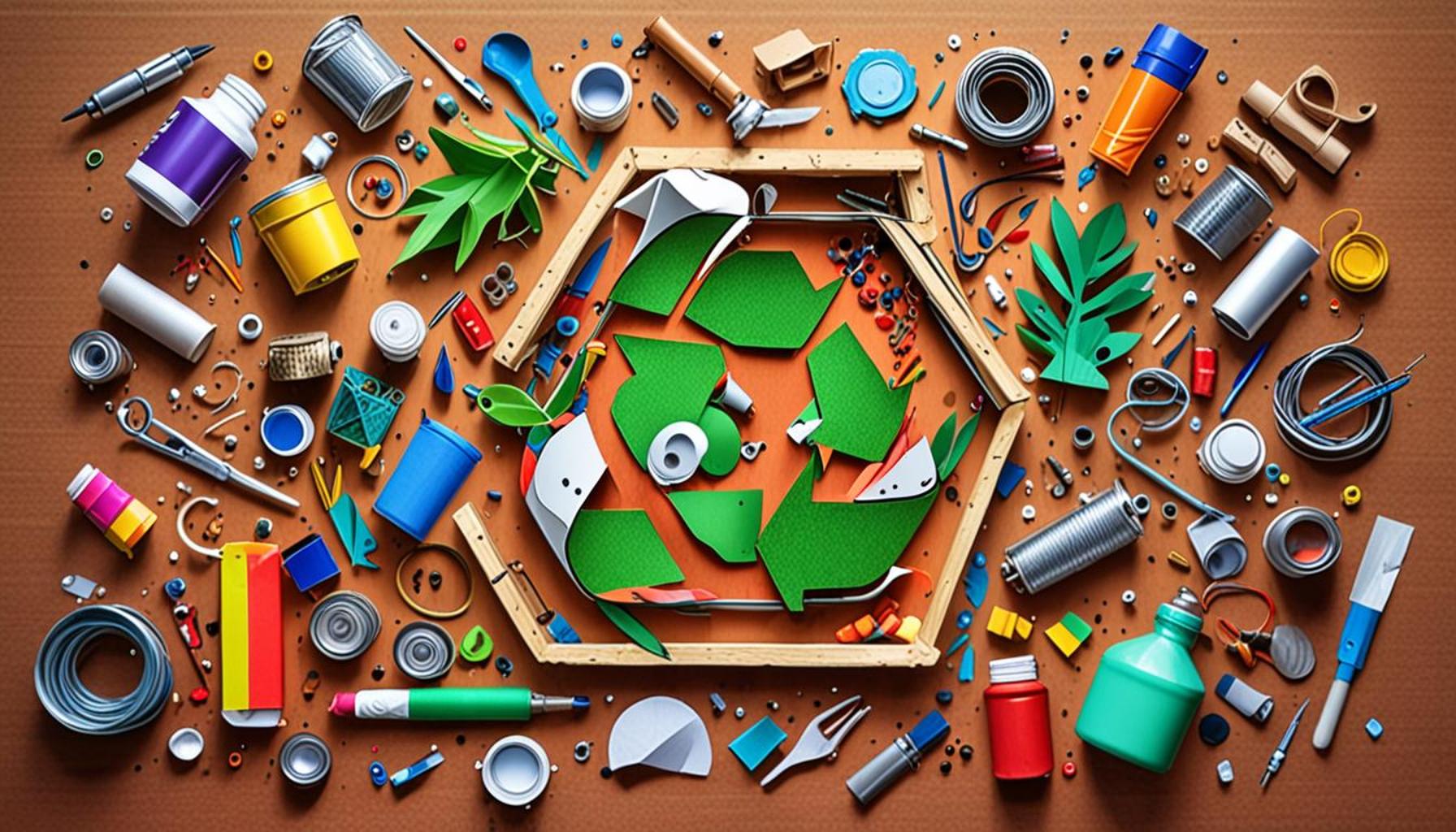
Every day, countless items that once served a purpose are discarded, enriching the environmental challenges we face. Yet, within this damning reality lies an opportunity for creativity and innovation. By adopting sustainable practices, we can transform recyclable materials into breathtaking pieces of art. This not only helps to divert waste from landfills but also harnesses the power of creativity to raise environmental awareness and inspire change.
Imagine the transformation of commonplace items into artistic expressions. You can take:
- Old glass jars repurposed into beautiful lanterns, casting a warm glow during outdoor gatherings.
- Cardboard boxes reshaped into intricate sculptures that tell a story or evoke emotion, showcasing both the artist’s talent and message.
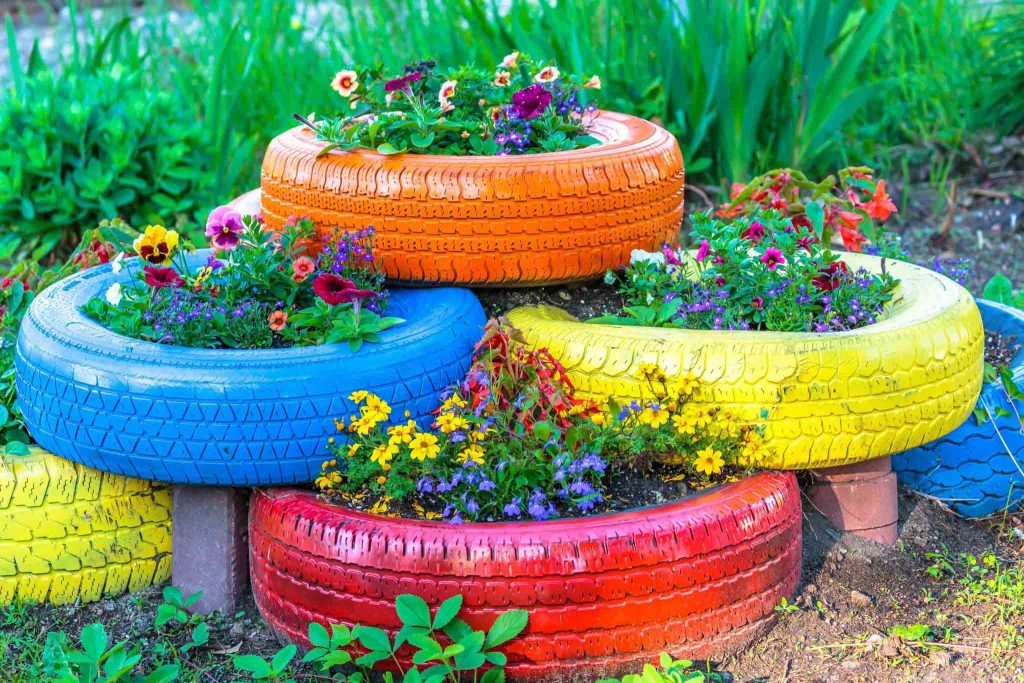
- Plastic bottles creatively converted into planters, perfect for indoor herb gardens or vibrant outdoor displays.
These sustainable DIY projects have gained traction, illustrating a growing trend of eco-conscious creativity. They provide a platform for artists and hobbyists to utilize their skills while making a tangible impact on their communities. For example, many schools are now incorporating upcycling projects into their art curricula, teaching students about sustainability while allowing them to express their creativity. Discussions surrounding these efforts not only promote environmental stewardship but also ignite conversations about reducing, reusing, and recycling in everyday life.
In the United States, the effects of recycling initiatives are significant. Research indicates that recycling can save up to 95% of the energy required to produce new materials from raw sources. This staggering statistic emphasizes the importance of reimagining waste; the potential reductions in energy consumption and environmental impact are monumental. Beyond energy savings, recycling also plays a vital role in conserving natural resources and reducing greenhouse gas emissions.
As you delve into the realm of art crafted from recyclables, you will find countless opportunities to unlock your creativity while promoting a greener planet. This journey into the world of upcycled materials isn’t just for those with a background in art; it welcomes everyone—from beginners excited to try something new to seasoned artisans looking to integrate sustainability into their work. The colorful tapestry of possibilities awaits your exploration, encouraging a fresh outlook on the concept of waste.
DISCOVER MORE: Click here to dive deeper
The Art of Upcycling: Techniques and Inspiration
As we embrace the ethos of sustainability, the art of upcycling has emerged not just as a trend but as a movement that redefines creativity. Upcycling refers to the process of transforming waste materials into new products of higher quality or value. This practice has gained momentum amongst a diverse group of creators, from emerging artists to seasoned professionals, all seeking to challenge conventional understandings of materials and their lifecycles. By utilizing recyclable items, these creators provide an alternative narrative to waste, revealing the potential beauty and utility in what might otherwise be overlooked.
Many art pieces originate from materials commonly found in households, leading to a significant reduction in production costs while simultaneously promoting environmental responsibility. Consider the following ideas, which illustrate the breadth of possibilities when it comes to transforming recyclable materials into art:
- Plastic Bag Mosaic Art: Old plastic bags can be cut and woven into colorful mosaics, creating vibrant wall art that is both eye-catching and thought-provoking.
- Magazine Collage: Torn pages from old magazines can be reimagined as intricate collages, offering a commentary on consumer culture and the obsolescence of print media.
- Metal Can Sculptures: Aluminum cans can be transformed into striking sculptures that reflect personal stories or social messages, showcasing the artist’s ingenuity.
These sustainable DIY projects not only engage the creative mind but also challenge societal perceptions regarding what art can be. In several communities across the United States, workshops and collaborative events are being held specifically to educate individuals on the importance of upcycling. Through hands-on experience, participants learn valuable skills while fostering a deeper connection to environmental issues. For instance, organizations such as A Piece of the World in New York have successfully launched programs that both empower artists and promote sustainability within their neighborhoods.
The ability to express oneself through recyclable materials is not limited to professional artists; engaging in these DIY projects can be a cathartic experience for hobbyists as well. Research shows that engaging in creative expression can boost overall well-being, enhancing mental health and reducing stress levels. By choosing to create art from what would typically be deemed waste, individuals are not only contributing to a healthier planet but are, in essence, reshaping their emotional landscapes.
Furthermore, the influence of upcycled art has extended into the realm of public spaces, with community projects emerging to beautify urban environments while fostering a sense of unity. Large-scale installations made from salvaged materials have become common in parks and community centers, turning once-forgotten objects into focal points for discussion and engagement. Such endeavors highlight how art can be a tool for advocacy—fostering awareness of environmental issues while also beautifying spaces that may otherwise feel neglected.
| Advantages | Description |
|---|---|
| Environmental Impact | Repurposing materials reduces waste in landfills and minimizes pollution. |
| Creativity Boost | Transforming everyday items challenges artistic boundaries and enhances problem-solving skills. |
| Community Engagement | DIY projects foster collaboration among community members, creating lasting bonds and shared experiences. |
| Cost Efficiency | Using recyclable materials can significantly lower project expenses, making art accessible to all. |
In this era of heightened awareness around sustainability, the theme of “Transforming Recyclable Materials into Art” offers an avenue for both artistic expression and environmental stewardship. The Environmental Impact of such projects is profound, as engaging in these activities helps divert waste from landfills and conserves natural resources. Furthermore, embracing this creative journey results in a Creativity Boost; individuals discover novel ways to repurpose their materials, enhancing their ingenious thinking and artistic skills.Additionally, these projects can catalyze Community Engagement. Groups often come together to share techniques, host workshops, and contribute to collective murals or installations, forging connections that deepen community ties. Most notably, the potential for Cost Efficiency cannot be overstated. Crafting art from recyclable materials not only harnesses creativity but also makes it financially accessible, ensuring that anyone can participate and reap the psychological and emotional benefits of creating something new from what was once considered waste. Each of these facets invites both novice and experienced makers to explore a world of sustainable DIY projects, allowing them to contribute positively while nurturing their artistic passions.
DISCOVER MORE: Click here to dive into innovative painting techniques
Community Engagement and Larger Scale Projects
The impact of transforming recyclable materials into art extends beyond individual expression, playing a crucial role in community cohesion and awareness. Initiatives aimed at beautifying public spaces through upcycled projects are gaining popularity, often led by local artists and volunteers determined to make a difference. These endeavors not only serve to enhance community aesthetics but also foster a sense of pride and ownership among residents. One notable example is the Recycled Art Project in San Francisco, where local artists have joined forces to create large-scale murals and sculptures from discarded materials, illustrating the collective effort to lessen environmental footprints.
Interactive installations and workshops have proven particularly beneficial in bridging gaps within communities, cultivating collaboration, and inspiring further creativity. The Sculpture Park in Brooklyn regularly hosts events where families and neighbors come together to create art from recyclable materials such as bottles, old furniture, and textile scraps. Participants often leave with a renewed sense of purpose and pride in their contributions while also fostering relationships with fellow community members eager to support sustainability.
Schools have also incorporated upcycling into their curriculums, teaching students about the value of sustainability while simultaneously nurturing creativity. Projects such as the Art from the Heart initiative in Los Angeles involve students collecting recyclable materials and transforming them into art pieces that are displayed publicly. These initiatives not only provoke discussions about waste management and environmentalism but also help nurture future generations of environmentally conscious artists.
The Digital Space and Virtual Markets
The rise of social media platforms has amplified the reach of sustainable DIY projects, allowing artists to showcase their creations and connect with a broader audience. Hashtags like #UpcycledArt and #TrashToTreasure draw attention to innovative works made from recyclable materials, inspiring others to attempt similar transformations. Furthermore, many artists have turned to online marketplaces to sell their upcycled creations, merging eco-conscious practices with entrepreneurial ventures. This new wave of eco-entrepreneurship not only supports the individual artist but also encourages consumers to make ethical purchasing decisions.
Educational resources available online add another layer to this movement. Platforms like YouTube host countless DIY tutorials, walking viewers through the process of transforming everyday waste into art. With just a few clicks, anyone can quickly access how-tos on crafting playful sculptures from plastic bottles or sewing together fabric scraps to create stunning quilts. Such digital platforms have democratized access to artistic creation, emphasizing that sustainable art is attainable for everyone, regardless of skill level.
- Community Murals: Transform neighborhoods into galleries through large-scale murals made from recycled paint and materials, inviting local artists to contribute.
- Public Workshops: Host events where participants can learn about upcycling while creating their works from recyclable materials, providing a collaborative atmosphere.
- Online Crafting Communities: Engage with vibrant online forums where enthusiasts can share projects, techniques, and inspiration, fostering a global network of sustainability advocates.
These community-oriented efforts reinforce the idea that art and sustainability are not just compatible; they are interdependent. By encouraging collaboration and education, artists can create a ripple effect, inspiring others to see the beauty and potential in the materials they once considered mere waste.
DIVE DEEPER: Click here to unlock advanced origami techniques
Conclusion: A Canvas for Sustainability
As we explore the dynamic intersection of art and sustainability, it becomes increasingly clear that transforming recyclable materials into art is not just a creative outlet but a powerful movement towards environmental consciousness. Through community-driven projects, school initiatives, and the digital space, individuals are discovering the limitless potential of waste, turning what was once discarded into meaningful and impactful art. These projects highlight the importance of sustainability in everyday practices while also enhancing community pride and sparking conversations about waste management and ecological responsibility.
The emergence of social media and online marketplaces has further broadened the reach of sustainable DIY initiatives, allowing artists and crafters to connect, share, and inspire a like-minded audience across the globe. As people engage with hashtags like #UpcycledArt and participate in online crafting communities, the dialogue surrounding sustainability continues to grow, illustrating that environmental stewardship can be both fashionable and functional.
By actively participating in these transformative projects, we not only celebrate creativity but also commit ourselves to a healthier planet. As you ponder your next DIY project, consider the items you might transform into art. Together, we can build a culture that values resources over waste, where every piece of discarded material tells a story and serves a purpose. So pick up those recyclables, unleash your creativity, and participate in this essential conversation about art and sustainability—each creation has the potential to inspire, educate, and elevate our communities toward a brighter, greener future.
Related posts:
DIY Wall Murals: How to Transform Spaces with Homemade Art
DIY Aromatherapy: How to Make Essential Oil Diffusers for Relaxation
The Art of Upcycling: How to Give New Life to Old Objects with DIY Projects
DIY in Paper: Innovative Ideas for Creating Customized Cards and Invitations
DIY with Children: Fun Projects to Stimulate the Little Ones' Creativity
DIY Furniture with Pallets: Creating Functional and Stylish Items for Your Home

Linda Carter is a writer and creative hobbies expert specializing in crafting, DIY projects, and artistic exploration. With extensive experience helping individuals discover their creative potential and bring their ideas to life, Linda shares her knowledge on our platform. Her goal is to empower readers with practical tips, inspiring ideas, and step-by-step strategies for success in the world of creative hobbies.