The Influence of Pop Culture on Art: Exploring the Fusion of Styles and Ideas in Artistic Creation
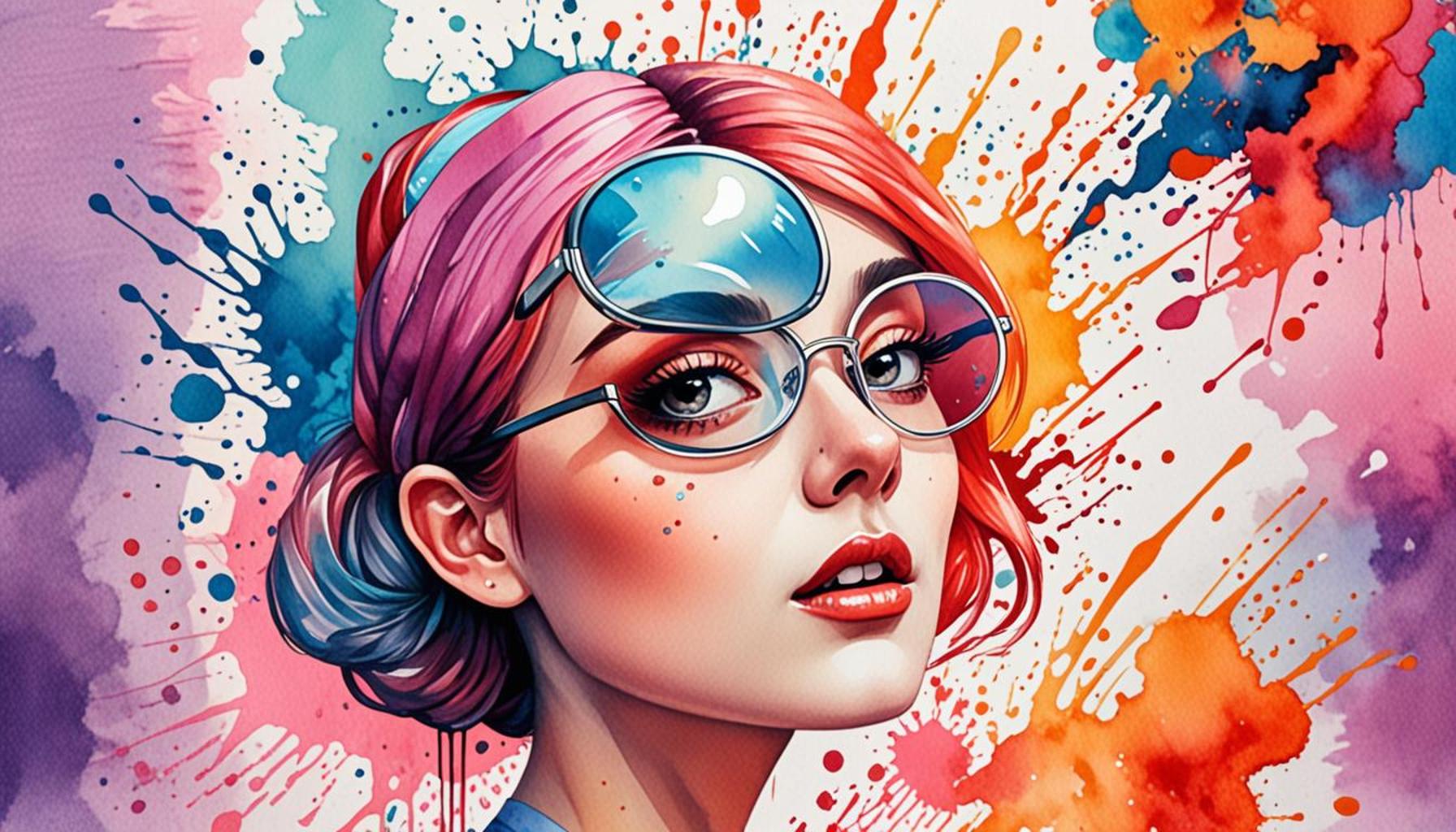
The Evolving Relationship Between Pop Culture and Art
The intersection of pop culture and art has become a territory where traditional barriers dissolve, leading to a fertile ground for creativity and innovation. This phenomenon is not only reshaping the art world but also transforming how audiences perceive and engage with artistic expressions. The infusion of contemporary themes drawn from pop culture in artistic endeavors creates dialogues that appeal to a broad spectrum of viewers, enhancing their relevance in today’s fast-paced society.
One can hardly overlook the influence of film and television in modern art. Artists like Takashi Murakami and Kehinde Wiley analyze and reinterpret iconic scenes and characters from popular movies and series, infusing their works with humor and a critical lens. Murakami’s works, which often feature bright colors and cartoonish elements, evoke the playful nature of anime while simultaneously commenting on consumer culture. Wiley’s portraits, showcasing people of color in classical poses, challenge historical stereotypes often depicted in mainstream cinema. Such innovative approaches resonate deeply with contemporary audiences, merging the familiar with the profound.
Furthermore, the impact of music on visual arts cannot be understated. The collaboration between visual artists and musicians has given birth to a genre of visual storytelling that enhances the listener’s experience. Album covers by artists like Shepard Fairey for bands like The Black Keys exemplify how album art and music videos can serve as a visual extension of a musician’s narrative. These collaborations often push the boundaries of artistic expression, blurring the lines between sound, sight, and concept, inviting fans to explore deeper meanings behind the visuals presented.
In addition, the world of fashion plays an integral role in shaping contemporary art practices. The cyclical nature of fashion trends sparks inspiration for artists who borrow styles and aesthetics to express cultural commentary. The work of fashion designers like Alessandro Michele of Gucci, known for his eclectic and maximalist designs, has inspired a new wave of artists to explore themes of gender and identity in their work. This relationship underscores the evolving nature of creativity, as what is considered “in vogue” often finds itself translated into various forms of artistic expression, enriching both fields.
This intricate blending of pop culture and artistic creation not only reflects societal values but also signals a shift in how art is consumed and appreciated. Artists are now seen as storytellers, not just creators, allowing them to traverse various mediums while expanding their audiences. As we continue to investigate this ever-evolving relationship, it becomes evident that the creative landscape is richer and more diverse than ever before, challenging our understanding of art and its purpose in the modern world.
DON’T MISS OUT: Click here for creative DIY ideas
Redefining Artistic Boundaries: The Role of Digital Culture
In the age of the internet, digital culture has emerged as a powerful influence on artistic creation, further merging the realms of pop culture and art. The rise of social media platforms like Instagram and TikTok has democratized artistic expression, allowing artists to reach vast audiences without the traditional barriers associated with galleries and exhibitions. This accessibility has spurred a new generation of artists to experiment with styles directly influenced by viral trends, memes, and online subcultures. Artists are no longer constrained by geographical boundaries; instead, they pull inspiration from a global conversation happening at lightning speed.
One cannot overlook how digital art forms have paved the way for innovative approaches to traditional mediums. For instance, the emergence of NFTs (non-fungible tokens) has revolutionized how artwork is bought and sold, granting artists unprecedented opportunities to monetize their creations in an age where originality is often questioned. Artists like Beeple have garnered attention by selling digital pieces for millions, proving that digital art can coexist with more traditional forms. This phenomenon highlights the evolving definitions of ownership and authenticity in the art world, revealing tensions that blur the lines between artist and audience, creator and consumer.
The iconic imagery associated with video games also plays a notable role in shaping contemporary artistic narratives. Artists often borrow elements from gaming aesthetics, utilizing pixelation, vibrant colors, and surreal environments to challenge perceptions of reality. Notable examples include the work of artists like Jen Stark, who integrates video game motifs into immersive installations. These creative explorations not only draw gaming fans into the art domain but also encourage discussions about identity, escape, and the impact of technology on human experience.
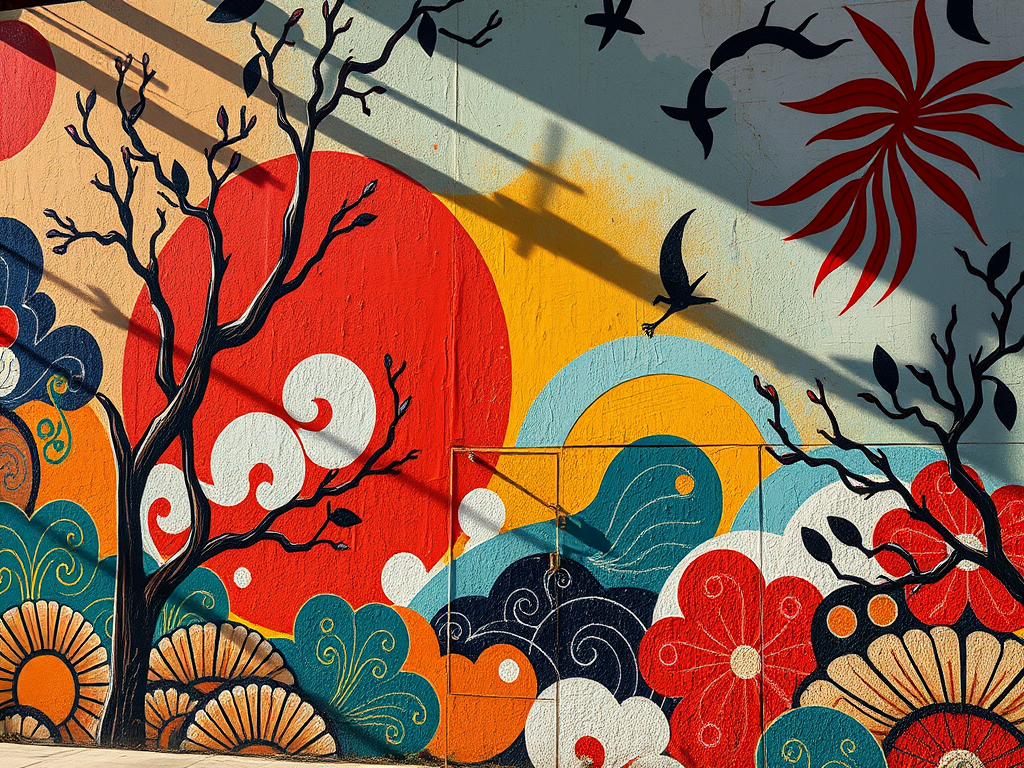
Moreover, the convergence of street art and pop culture has further reinforced the dialogue between different artistic styles and cultural commentary. The works of artists such as Banksy and Jean-Michel Basquiat, filled with references to pop culture icons and societal issues, illustrate how street art transcends mere aesthetics and becomes a form of social critique. By situating their works in urban environments, these artists evoke a sense of immediacy, inviting the public to engage with their messages in real-time. The combination of graffiti culture and elements of popular media fosters unique conversations among diverse audience segments.
As we delve deeper into this intricate relationship between pop culture and art, it becomes clear that many artists are navigating the tension between commercialism and authenticity. The following factors are pivotal in understanding how this fusion is shaping the artistic landscape:
- Globalization: The interconnectedness of cultures through the internet has enabled artists to pull influences from around the world, fostering a melting pot of ideas.
- Collaboration: Cross-disciplinary collaborations between artists from various fields, including graphic design, film, and music, continue to yield innovative results.
- Audience Engagement: Artists are increasingly focused on building communities around their work, utilizing social media to create dynamic interactions with fans.
In essence, the influence of pop culture on art serves as a testament to the vitality and adaptability of creative expression in the contemporary era. As we explore this ongoing evolution, the dialogue between these two domains promises to inspire and intrigue art enthusiasts and casual observers alike.
The Influence of Pop Culture on Art: Exploring the Fusion of Styles and Ideas in Artistic Creation
As we delve deeper into the intersection of pop culture and art, it becomes evident that contemporary artists are increasingly drawing inspiration from various aspects of pop culture, leading to a dynamic fusion of styles that challenges traditional boundaries. This evolution not only transforms the aesthetic experience but also redefines cultural narratives and social dialogues.One of the most profound influences of pop culture on art is the democratization of artistic expression. Artists like Banksy and Takashi Murakami have incorporated elements of street art and commercial branding, which reflect the zeitgeist of contemporary society. As these artists blur the lines between high art and popular culture, they provoke thought and invite viewers to reconsider preconceived notions of value and artistic merit.In the realm of digital media, pop culture’s influence becomes even more pronounced. Platforms like Instagram and TikTok have transformed the way art is created, shared, and consumed. Virality and community engagement elevate the visibility of emerging artists who leverage these platforms to showcase their work, ensuring that diverse voices are represented. This digital landscape serves as both a canvas and a gallery, offering new avenues for artists to explore themes that resonate with mass audiences.Furthermore, the fusion of styles is also evident in the collaboration between artists and pop culture icons. Musicians, filmmakers, and fashion designers frequently partner with visual artists to create multimedia experiences that transcend traditional categorizations. These collaborations not only enrich the art itself but also assist in contextualizing it within larger cultural movements. The result is a synergistic relationship that enhances the overall impact of both art and entertainment.The current wave of nostalgia prevalent in pop culture influences artistic creation profoundly. Artists often draw from the visual lexicon of previous decades—such as retro aesthetics, vintage typography, and iconic imagery—to invoke a sense of familiarity and resonance among audiences. By revisiting and reinterpreting these elements, contemporary art becomes a dialogue that connects generations and cultures.Finally, the social commentary embedded in pop culture-inspired art continues to resonate with contemporary issues such as consumerism, identity, and social justice. Artists harness the power of pop culture to address critical topics, prompting introspection and conversation within communities. This ability to mirror societal concerns while engaging with pop culture’s visual language makes art a relevant and vital component of contemporary discourse.
| Category | Description |
|---|---|
| Cultural Transformations | Fusion of pop culture and art challenges traditional aesthetics. |
| Collaborative Efforts | Artists and pop culture icons redefine artistic boundaries. |
| Social Commentary | Art reflects contemporary issues through pop culture lens. |
As we continue to explore this vibrant relationship, the dialogue between pop culture and artistic creation not only enriches the art world but also mirrors the complexities of our society, inviting continuous inquiry and exploration.
DISCOVER MORE: Click here for innovative DIY projects
Interdisciplinary Approaches: The Cross-Pollination of Ideas
As we navigate through the dynamic landscape of modern art, it is evident that the fusion of pop culture and art goes beyond mere aesthetic borrowing; it represents a profound interdisciplinary approach that enhances the artistic narrative. Artists are increasingly integrating influences from various fields, including music, fashion, literature, and film, to create multi-faceted works that resonate with contemporary societal themes.
One prime example of this phenomenon is the burgeoning field of sound art, where musicians and visual artists collaborate to explore the overlaps between auditory and visual stimuli. The work of artists like Christian Marclay, who creates installations combining sound and visual art, demonstrates how the rhythmic beats of popular music can inspire visual representations, thus enriching the viewer’s experience. This melding of auditory and visual forms not only captivates audiences but also provokes critical discussions about the influence of pop music culture on artistic expression.
Additionally, the rise of experimental cinema has had a profound effect on the way visual artists conceive their work. Filmmakers such as David Lynch and Wes Anderson craft unique visual styles that are often referenced by contemporary artists in their own pieces. Techniques like the use of vibrant color palettes and unconventional storytelling have seeped into the visual arts, encouraging a new generation of artists to adopt these cinematic techniques to challenge traditional narratives. The interplay between visual arts and film accentuates the importance of storytelling—an inherently human element—that resonates across disciplines.
The influence of fashion on art also cannot be understated. Fashion designers such as Karl Lagerfeld and Alexander McQueen have long blurred the lines between haute couture and artistic expression, creating garments that serve as wearable art. Collaborations between artists and fashion brands further highlight this exchange, with artists designing limited-edition collections that reflect both their individual styles and pop culture phenomena. This intersection provides insight into cultural trends and social commentary, allowing consumers to engage with art in a more personal and immediately accessible way.
Moreover, graphic novels and comic art represent another significant domain where pop culture enriches artistic creation. Artists like Jack Kirby and Art Spiegelman have historically utilized illustrations to narrate complex stories that reflect societal issues, while contemporary works are addressing topics like identity, politics, and social justice. Graphic novels bridge the gap between literature and visual art, leading to a growing recognition of these works within mainstream art circles.
This cross-pollination of ideas not only fosters creativity but also stimulates critical discourse within the art community and beyond. It encourages artists to challenge the status quo and experiment with new styles and concepts—ultimately prompting viewers to rethink their perceptions of what art can be. The dynamic relationship between pop culture and art continues to evolve, revealing a rich tapestry of styles and ideas that speak to the human experience in a fast-paced, interconnected world.
As artists harness the essence of their contemporary influences, their work becomes a microcosm of societal trends, reflecting the values, aspirations, and struggles of the times. The dialogue between these two powerful domains demonstrates the potential of art to act as a mirror, revealing the complexities of our cultural landscape. Such an exploration offers not only a glimpse into the artistic process but also invites a deeper understanding of the world we inhabit today.
DISCOVER MORE: Click here to get inspired by sustainable DIY projects
Conclusion: The Transformative Power of Pop Culture in Art
In conclusion, the interplay between pop culture and art is not merely a fleeting trend but a transformative force that shapes the artistic landscape. As evidenced by the cross-disciplinary collaborations and innovative practices discussed, artists are embracing influences from various aspects of contemporary life—music, fashion, film, and literature—to create multi-dimensional works that resonate on profound levels. This fusion not only enriches the art itself but also allows for critical conversations about identity, society, and the world we inhabit.
The integration of elements like sound art, graphic novels, and fashion design exemplifies how artists are increasingly recognizing the power of narrative and visual stimulation. By utilizing the stylistic approaches of their pop culture influences, they invite audiences to engage with art in ways that are both personal and culturally relevant. As these dialogues unfold, art transcends traditional boundaries and emerges as a continuous reflection of our collective experiences and aspirations.
This ongoing exploration, where boundaries between genres blur, means that art is continually evolving. It not only serves as a mirror to the complexities of our reality but also as a platform for social commentary. The implications of this blend are vast, prompting viewers to challenge their perceptions about what constitutes art and how it can be utilized as a tool for connection and understanding.
As we look toward the future, it becomes crucial to further examine this exciting convergence of styles and ideas. The dynamics of pop culture’s influence on artistic creation offer fertile ground for innovation and reflection, encouraging not just artists but also audiences to explore the deeper meanings imbued within each piece. Ultimately, the narrative of art and pop culture is far from static—it is a vibrant tapestry that will continue to evolve, inviting all of us to participate in its story.
Related posts:
Techs Impact on Creative Hobbies Innovative Projects Redefining Creation
The Art of Collage: Reimagining Stories Through Mixed Media
The Art of Contemporary Drawing: Rediscovering Expression Through New Tools and Materials
The Art of Failure: How Creative Mistakes Can Lead to Surprising Discoveries
The Art of Improvisation: How Music Can Stimulate Visual Creativity
Techniques for Artistic Exploration: How to Step Out of Your Comfort Zone and Discover New Forms of ...
Linda Carter is a writer and creative hobbies expert specializing in crafting, DIY projects, and artistic exploration. With extensive experience helping individuals discover their creative potential and bring their ideas to life, Linda shares her knowledge on our platform. Her goal is to empower readers with practical tips, inspiring ideas, and step-by-step strategies for success in the world of creative hobbies.