Deconstructing Reality: The Role of Surrealism in the Expansion of Artistic Imagination
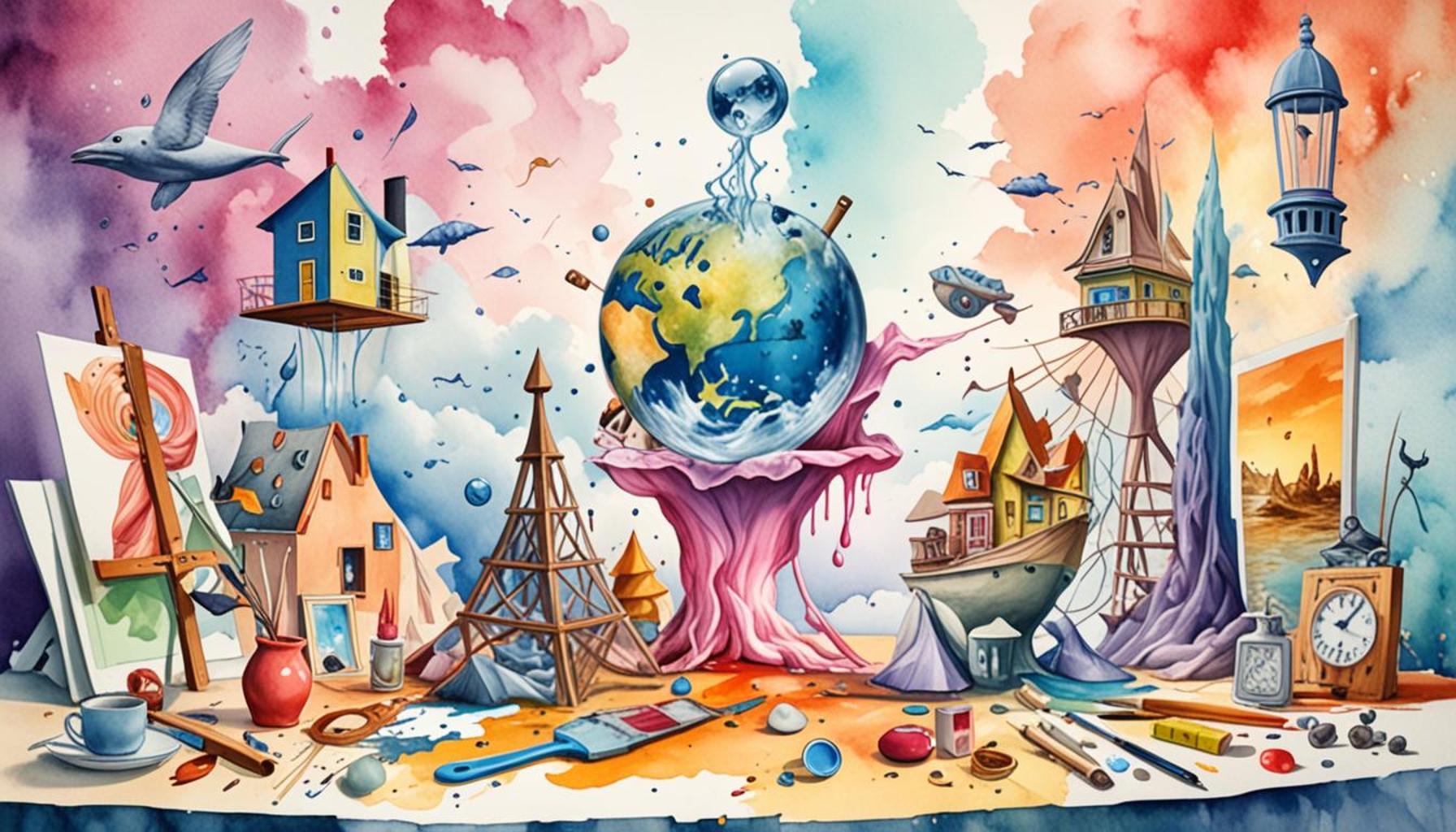
Understanding Surrealism: A Gateway to the Subconscious
Surrealism is an artistic movement that extends beyond the tangible and rational, encouraging viewers to explore a realm filled with the enchanting and enigmatic. By crafting vivid landscapes from the fabric of dreams, surrealists invite audiences to experience a world where the ordinary is twisted into the extraordinary, revealing the depths of human emotion and imagination. This artistic approach does not merely reshape visual art; its echoes can be felt in literature, film, and various facets of modern life, expanding our grasp of the artistic imagination.
Key Features of Surrealism
- Dream Imagery: Surrealism draws heavily from the dream state, blending reality with the bizarre. Artists like Salvador Dalí created masterpieces such as “The Persistence of Memory,” where melting clocks hang from tree branches, challenging viewers to consider the fluidity of time and memory.
- Unconscious Exploration: Artists delve into their subconscious to tap into deeper emotions and ideas. This exploration is often reflective of Sigmund Freud’s theories, which emphasized the significance of dreams as windows into the psyche. Poets like André Breton penned works infused with free association, leading readers on intricate journeys through their inner thoughts.
- Juxtaposition: Surrealist works frequently place unrelated elements together, forging thought-provoking contrasts that compel viewers to rethink their perceptions of reality. René Magritte’s “The Treachery of Images,” which depicts a pipe with the caption “This is not a pipe,” underlines this idea by prompting viewers to recognize the gap between representation and reality.
Historically, surrealism emerged in the early 20th century, arising out of a context of political unrest and a desire to break free from the suffocating constraints of reason and traditional art forms. Key figures like Salvador Dalí and René Magritte challenged audiences to re-examine the familiar, reshaping art as a medium to explore the human experience and its complexities.
Surrealism’s Lasting Impact
The lasting impact of surrealism can be observed across various aspects of contemporary culture. Today, its influence encompasses:
- Advertising: Brands utilize surreal imagery to capture consumer attention, crafting visually arresting campaigns that provoke curiosity. For instance, the iconic advertisements for Sony’s Bravia televisions featured bouncing colorful balls rolling down San Francisco streets, creating a whimsical yet captivating scene that resonated with viewers.
- Film: Directors like David Lynch exemplify surrealism in cinema through narratives that echo surrealist aesthetics. Films such as “Mulholland Drive” and “Eraserhead” blur the lines between reality and imagination, immersing audiences in stories where logic takes a back seat to emotional resonance.
- Digital Art: In the digital realm, artists are creating immersive experiences that challenge our understanding of reality. Virtual reality artists design environments that evoke the surreal, allowing participants to navigate through dreamlike landscapes, thereby experiencing the unfiltered freedom of their imagination.
Delving into the depths of surrealism reveals a profound exploration of imagination and reality, urging us to question the boundaries of our perceptions. This artistic movement continues to inspire and provoke, opening doors to new realms of creativity and expression.
DIVE DEEPER: Click here to master advanced origami techniques
The Evolution of Surrealism: From Art to Culture
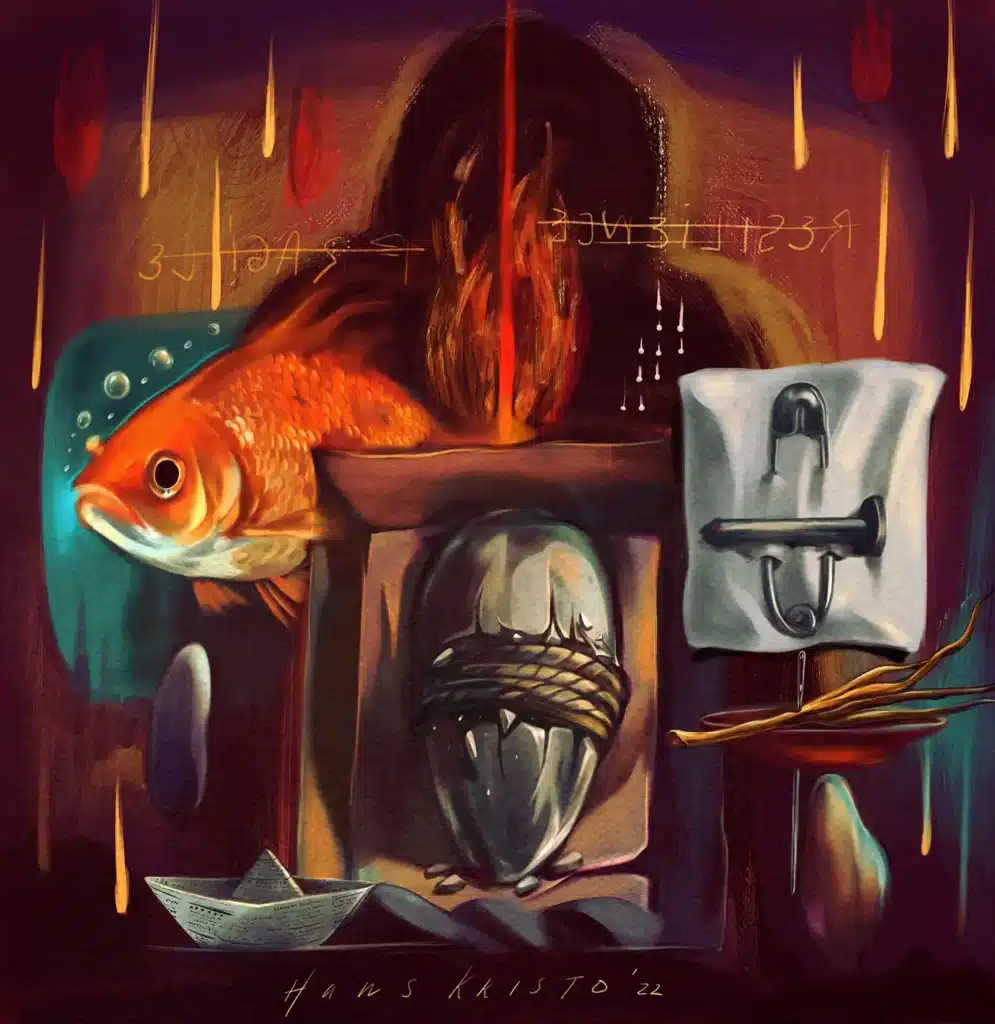
The surrealist movement was not simply an artistic trend; it evolved into a cultural phenomenon that transcended the canvas to permeate various forms of expression. Emerging in the aftermath of World War I, artists sought to escape the rigid structures of traditional art and explore the chaotic tapestry of human thought and experience. Surrealism became a mirror reflecting the complexities of reality and the subconscious, driving artists and thinkers to confront and deconstruct conventional norms.
The Influence of Historical Context
To understand surrealism’s profound impact, we must consider the historical backdrop that catalyzed its rise. The early 20th century was laden with turmoil, marked by the catastrophic repercussions of war, social upheaval, and rapid industrialization. This environment fueled a collective desire for exploration—both of the psyche and of new artistic forms. Surrealist artists like Salvador Dalí and Max Ernst began to reject the strictures of logic and embraced the liberating chaos of imagination. The question that arises is: how effectively did they deconstruct reality through this lens?
Core Concepts of Surrealist Art
Surrealism is characterized by several core concepts that form the basis of its exploration of imagination:
- Automatic Writing: This technique emerged as a means to bypass the conscious mind and tap into the unconscious. Artists endeavored to record thoughts and images as they came, allowing spontaneity to shape their work. This method birthed narratives that were often irrational yet deeply resonant.
- Paranoiac-Critical Method: Proposed by Salvador Dalí, this approach involved accessing the subconscious to uncover the world of dreams and hallucinations. By embracing paranoia and exploiting his own mental landscape, Dalí crafted layered imagery that demanded multiple interpretations.
- Symbolic Representation: Surrealism’s language is often rich in symbolism, where objects take on new meanings. The iconic imagery found in works like Magritte’s “The Son of Man,” featuring a man obscured by an apple, challenges viewers to question perception and identity.
Through these methodologies, surrealism redefined artistic expression, allowing creators to delve into their innermost thoughts and conjure vivid worlds that mirror the complexity of human experience. This freedom to express the unexpressed led artists to break away from established traditions, generating a new visual vocabulary that continues to inspire contemporary creators.
Broader Cultural Reflections
The repercussions of surrealism extend into various cultural dimensions, influencing not only visual art but also literature, psychology, and film. Writers such as Franz Kafka and Virginia Woolf embraced surrealist elements, creating literary landscapes that echo the dreamlike qualities found in surrealist paintings. Furthermore, contemporary filmmakers like Guillermo del Toro draw inspiration from surrealism, creating narratives that intertwine fantasy with profound emotional truths.
As surrealism continues to flourish in the collective imagination, it invites us to ponder the boundaries of our perception. The movement urges audiences to embrace the unpredictable and chaotic aspects of life, expanding the horizons of artistic imagination. The enduring question remains: how does surrealism challenge our understanding of reality as we venture further into the depths of our consciousness?
Exploring the Unconscious Mind
Surrealism emerged as a revolutionary movement not only in art but also in the realms of literature and film during the early 20th century. It sought to delve into the unconscious mind, bringing forth the hidden emotions, dreams, and desires that reside in our psyche. By employing techniques such as automatic writing and dream analysis, surrealist artists and writers strived to bypass the rational mind, resulting in evocative and often perplexing creations. This unbridled exploration transformed the creative processes, enabling artists to push boundaries and expand their imagination.Moreover, the works of pioneers like Salvador Dalí, André Breton, and Max Ernst serve as profound examples of how personal experience and psychological exploration interweave to produce art that challenges and captivates audiences. For instance, Dalí’s iconic painting, “The Persistence of Memory,” symbolically addresses the fluidity of time and memory, dynamically altering our perceptions of reality. Such art not only reflects the individual’s psyche but also connects with broader societal issues, inviting viewers to embark on their own journeys of introspection.
The Influence of Surrealism on Contemporary Art
The impact of surrealism extends beyond its historical roots, significantly shaping contemporary artistic practices. Artists across various mediums incorporate surrealistic elements that invite the viewer into an imaginative realm where the impossible becomes possible. Today, mixed media, digital art, and installation art often bear traces of surrealist influences, emphasizing a departure from conventional forms and encouraging new interpretations of reality.In addition, surrealism fosters a platform for dialogue around cultural and social constructs, promoting the understanding that reality can be both constructed and deconstructed. This approach resonates with contemporary audiences, leading to a proliferation of art that challenges norms and stimulates critical discourse. The essence of surrealism lies in its ability to provoke thought and inspire the exploration of various interpretations, making it a vital component in the landscape of modern artistic expression.
| Advantage | Details |
|---|---|
| Enhanced Creativity | Surrealism encourages artists to break free from conventional techniques, thus unlocking innovative ideas. |
| Explorations of Identity | Through the depiction of dreams and subconscious thoughts, artists can explore and express complex aspects of identity. |
With its rich history and profound influence, surrealism continues to challenge our perceptions of reality, accurately reflecting the complexity of the human experience. As artistic exploration persists, the role of surrealism remains pivotal in revealing new dimensions of creativity and understanding.
DON’T MISS: Click here to discover creative upcycling ideas
Surrealism’s Lasting Legacy: Bridging Borders and Mediums
The impact of surrealism extends far beyond the confines of its original movement, laying a rich groundwork for a multitude of artistic practices layered in complexity and depth. As artists interacted with the surrealist ethos, a new language emerged, one that combines visual and conceptual elements in ways that resonate with diverse cultural expressions. This organic spreading of surrealist principles came to redefine how global artist communities approached not just painting or sculpture, but also theater, digital art, and even social commentary.
Surrealism Across Mediums
One cannot discuss surrealism’s influence without acknowledging its permeation into theater and performance art. Figures such as Antonin Artaud crafted productions that aimed to awaken a visceral response to the absurdities of life, echoing the surrealist ideals of internal chaos and external uncertainty. In Artaud’s “The Theatre and its Double,” he postulated a radical reinterpretation of conventional narratives, promoting intuitive emotional responses among audiences, much akin to how surrealist artists seek to evoke reactions that bypass rational thought.
Furthermore, the rise of performance art in the latter half of the 20th century illustrates how surrealist themes endure within innovative practices. Artists like Marina Abramović and Yoko Ono have explored the surrealism of experience, challenging audiences to confront their own reality through performance. Their work invites viewers to partake in a shared consciousness that grapples with the themes of identity, memory, and the subconscious—principles central to the surrealist movement.
Influence on Pop Culture and Digital Art
The surrealist movement’s integration into popular culture showcases its cultural relevance and adaptability. Surrealism’s impact on advertising campaigns and graphic design is unmistakable, with brands using dreamlike imagery to capture the essence of desire and the surreal nature of consumer culture. Take, for instance, the work of contemporary graphic designers who unconsciously echo surrealist principles; their creations often feature fragmented narratives and unexpected juxtapositions, aimed at capturing the viewer’s attention through disorientation.
Moreover, the age of technology has facilitated the exploration of surrealism in digital art, allowing artists to manipulate imagery, sound, and motion in unprecedented ways. The rise of platforms like Instagram and TikTok fuels creativity with their algorithms favoring imaginative and unconventional content. Digital artists often utilize surrealist techniques, layering images and crafting dreamlike compositions that challenge viewers to reconsider their perceptions of the everyday world. Additionally, the emergence of virtual reality experiences invites audiences to step into surreal worlds that blend gameplay with artistic exploration, further *deconstructing reality* in immersive ways.
The Surrealist Spirit in Modern Activism
Surrealism’s legacy is also evident in the work of contemporary artists involved in social and political activism. Using surrealistic imagery and narratives, these creators tackle pressing societal issues—from climate change to systemic injustice—confronting audiences with disconcerting realities that require deeper reflection. The avant-garde aesthetic of surrealism can provoke discussions and challenge the status quo, forcing culture to reckon with both its absurdities and its truths.
In this context, surrealism functions not merely as an artistic expression but as a powerful tool for change—capable of reshaping perceptions, questioning reality, and expanding the boundaries of human imagination. By harnessing the essence of surrealism, modern artists continue to push against convention, questioning the fabric of reality itself and inviting us to engage with new ideas that transcend the ordinary.
DISCOVER MORE: Click here to dive into creative projects
Conclusion: Embracing the Unconscious for a Boundless Future
As we conclude our exploration of surrealism and its profound influence, it becomes evident that this art movement is a perennial source of inspiration and innovation. The deconstruction of reality through surrealism not only liberated artists from traditional constraints but also opened doors to new realms of imagination that challenge our perceptions and confront the absurdities of existence. The artists’ engagement with the subconscious allows for a rich tapestry of experiences—blurring the lines between dream and reality, where the illogical becomes a pathway to deeper understanding.
Moreover, as surrealism seamlessly intertwines with modern mediums such as digital art, performance, and social activism, it continues to engage audiences in ways that provoke thought and foster dialogue. Contemporary artists, like their predecessors, harness the surrealist spirit to explore pressing societal issues, scrutinizing the world around us through a prism of creativity that compels us to re-evaluate our reality. Today, we see a playful amalgamation of styles and concepts, suggesting that surrealism’s impact is not confined to a singular era, but rather, it thrives in a dynamic cultural landscape.
Ultimately, surrealism beckons us to embrace the unknown, serving as a powerful reminder that our understanding of reality is continually evolving. As we venture into an era characterized by rapid technological advancement and shifting societal narratives, the principles of surrealism remain crucial. They encourage us to push the boundaries of our imagination, explore the depths of human consciousness, and engage with the fantastical aspects of life that often go unnoticed, offering fresh perspectives in a world longing for deeper connections.
Related posts:
Colors and Emotions: The Connection between Painting and Human Psychology
The Artist's Journey: Discovering New Techniques and Styles in Every Project
The Influence of Pop Culture on Art: Exploring the Fusion of Styles and Ideas in Artistic Creation
Experimental Photography: Capturing the Unusual in Every Click
The Art of Collage: Reimagining Stories Through Mixed Media
Revitalizing Traditions: The Intersection of Folk Art and Contemporary Experimentation

Linda Carter is a writer and creative hobbies expert specializing in crafting, DIY projects, and artistic exploration. With extensive experience helping individuals discover their creative potential and bring their ideas to life, Linda shares her knowledge on our platform. Her goal is to empower readers with practical tips, inspiring ideas, and step-by-step strategies for success in the world of creative hobbies.