Colors and Emotions: The Connection between Painting and Human Psychology
Understanding the Emotional Language of Colors
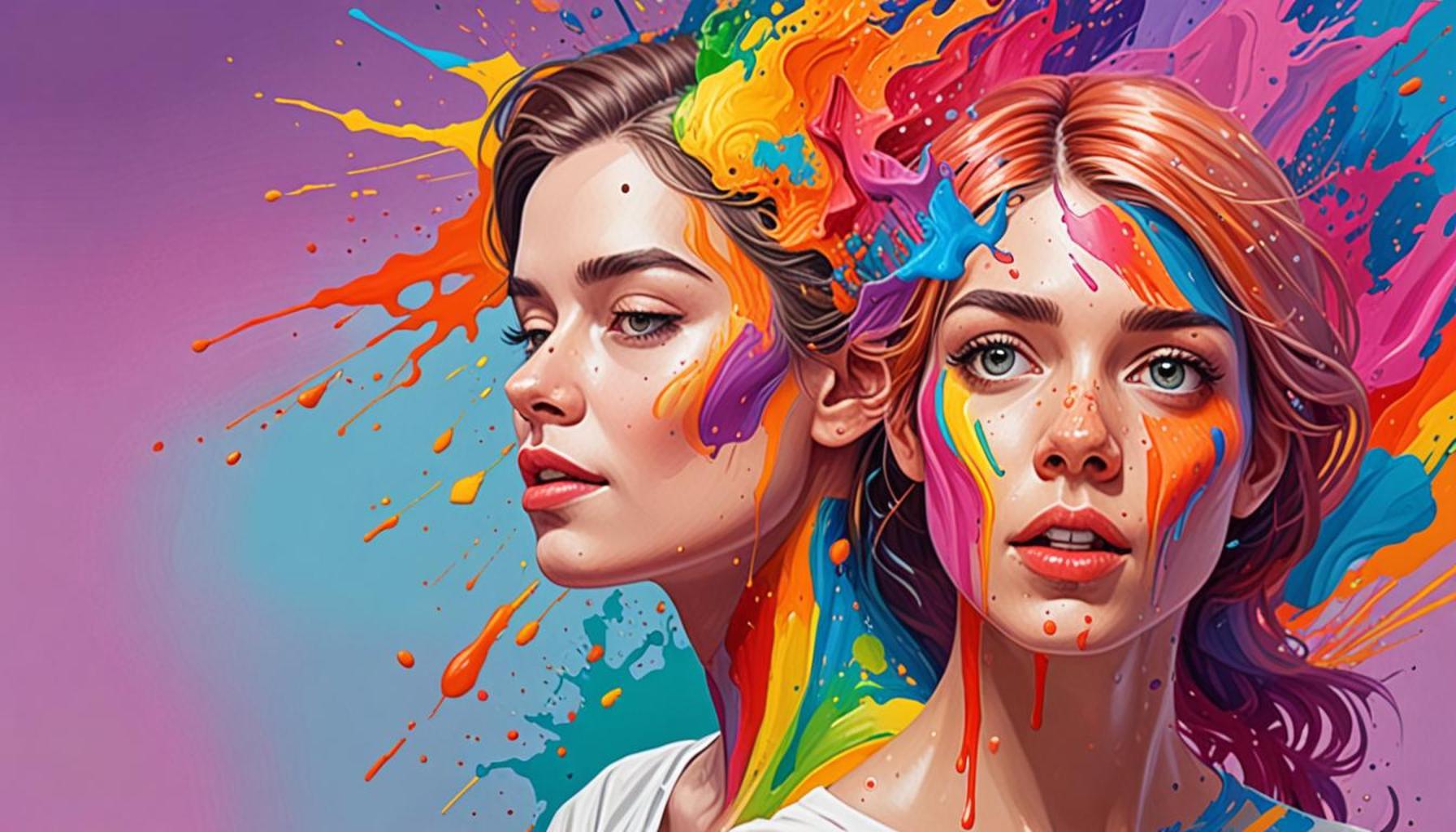
Colors weave a profound narrative in the realm of human psychology. They evoke feelings and influence our moods in ways that often go unnoticed. From the subtle hues in a family living room to the vibrant palettes in contemporary art galleries, colors shape our experiences. This phenomenon merits deeper exploration as we navigate through the intricate relationship between color and emotion.
Throughout history, artists have employed color deliberately to shape emotions in their work. Take, for instance, the expressionist painters of the early 20th century, who used color to depict intense emotional states. Edvard Munch’s “The Scream” employs vivid and distorted colors, inducing feelings of anxiety and despair. Such examples highlight how colors serve as a universal language of emotion, transcending linguistic barriers. More than mere aesthetic choices, colors hammer down on our psychological reactions. Here are some key insights on how different colors might incite emotions:
- Red: Often associated with passion and energy, it can evoke excitement or even aggression. In the context of marketing, many brands use red to incite urgency, driving consumers to make quick decisions. For instance, sale signs adorned with red create a sense of urgency that compels shoppers to act.
- Blue: Known for its calming effects, it promotes tranquility, making it a popular choice in bedrooms and healthcare facilities. However, it can also evoke feelings of sadness or melancholy; for example, many people associate Monday blues with feelings of diminished energy as they return to work.
- Yellow: Linked to happiness and optimism, it stimulates creativity and is often used in environments designed to inspire innovation. Think of vibrant yellow Post-it notes encouraging brainstorming sessions. However, it can cause frustration if overused, leading to overwhelming sensations in spaces where too much yellow is present.
These colors play a pivotal role not only in art but also in our daily lives. The artwork we encounter shapes perceptions and generates feelings that can resonate long after viewing. The colors that surround us influence everything from our productivity levels to our emotional state. For instance, research has shown that green spaces can enhance feelings of well-being and reduce stress, highlighting the psychological impact of colors in nature.
As we delve into the connection between painting and emotions, we uncover layers of meaning behind each hue. Understanding this bond sheds light on both artistic expression and emotional well-being. In therapy, art therapy practitioners often encourage clients to explore their feelings through colors, providing insights into their emotional states and fostering healing.
Are you ready to explore how the palette of colors can affect your mind and spirit? Let’s unravel the psychology behind this vibrant relationship. By familiarizing ourselves with how colors shape our emotions, we can gain greater awareness of our surroundings and even manipulate our environments to enhance our mood. The vibrant world of color is an invitation to a deeper understanding of ourselves and the emotional landscapes we inhabit.
DISCOVER MORE: Click here to dive deeper into the impact of music on emotions</p
The Psychological Impact of Color in Artistic Expression
As we navigate the vibrant seas of color psychology, it is essential to uncover how artists harness these hues not only for aesthetic appeal but also as a tool for emotional connection. Art is a mirror reflecting the complexities of human emotion, and the role of color is indispensable in this representation. From the joy shown in a bright sunlit landscape to the somber tones in a gothic masterpiece, the psychological impact of color can alter our understanding and engagement with art.
One of the most captivating aspects of color in art is its ability to evoke specific emotions across different cultures. While colors may have varying meanings globally, some emotional responses remain universally recognized. For instance, in many cultures, blue is linked with calmness and peace. This understanding can be observed in works such as Claude Monet’s serene water lily paintings, where soft blues and greens draw viewers into a tranquil state.
A deeper examination reveals that artists often carefully select colors to communicate underlying messages. This method not only personalizes the art experience but also enhances viewer engagement. Consider the following colors and their commonly associated emotions:
- Purple: Frequently associated with royalty and luxury, it can evoke feelings of creativity and spirituality. In the art world, the use of purple can also hint at mystery, as seen in the works of artists who delve into mystical themes.
- Orange: This vibrant color radiates warmth and excitement, often inspiring enthusiasm. Artists who use orange can create a sense of energy and vigor in their work, making it a favorite in contemporary pieces aimed at invoking a passionate response.
- Black: Commonly linked to power, sophistication, or mourning, the use of black in art can evoke a range of emotions. In a piece like Franz Kafka’s “The Metamorphosis,” the dark tones prefacing the narrative amplify feelings of despair and alienation.
The interaction between an observer and the artwork can significantly shape personal responses. Art therapy, a growing field in mental health, utilizes this interplay to help individuals explore and express their emotions through color. By engaging clients in artistic practices, therapists foster connections between colors and feelings, thus guiding them towards emotional clarity and healing. The use of color in this therapeutic context not only validates emotional experiences but also promotes self-discovery.
Furthermore, research has illustrated that color preferences can vary widely among individuals based on personal experiences and cultural backgrounds. This variability is critical, especially in how individuals perceive and interpret art. Those drawn to warmer tones may find comfort and excitement in dynamic pieces, while others might gravitate toward cooler colors for a sense of peace and reflection.
Understanding these psychological undercurrents can empower us in our daily lives. By intentionally surrounding ourselves with certain colors, whether in art or our living spaces, we can potentially enhance our emotional landscapes. In conclusion, the dialogue between painting and human psychology through color is a rich canvas, inviting us to explore and appreciate the emotional depth each hue offers.
| Category | Advantages |
|---|---|
| Psychological Impact of Colors | Colors can invoke specific emotions and responses in viewers, influencing moods and perceptions. |
| Therapeutic Benefits | Utilizing color in art therapy can aid in mental health recovery, providing a healing and expressive outlet for individuals. |
| Cultural Significance | Different cultures associate colors with varied meanings, enhancing our understanding of global perspectives in art. |
| Influence on Creativity | Exposure to vibrant colors can boost creative thinking, allowing individuals to explore more expressive thoughts and ideas. |
Art serves as a mirror reflecting our emotional states and the complexities of human psychology. Whether one is creating or observing, the interaction with colors in painting can elicit profound responses that are often deeply personal yet universally recognized. Understanding this connection emphasizes the need for deeper studies into how art, color, and emotion are intertwined, revealing fascinating layers of human experience. By exploring these themes, we can begin to appreciate the essentials of creativity, expression, and even mental wellness.
DIVE DEEPER: Click here to discover the transformative power of music
The Role of Color in Cultural Contexts and Personal Expression
Beyond the universal emotional responses elicited by color, it is important to recognize how culture deeply influences our perceptions and associations. Different societies attach distinct meanings to colors, affecting how artists utilize these hues to resonate with their audiences. For example, in many Eastern cultures, red symbolizes good fortune and happiness, often prominently featured in traditional artworks and celebrations. In contrast, it can signify danger or anger in Western contexts. This contrast reveals the complexity of color psychology and its ability to adapt depending on cultural narratives.
Artists like Yayoi Kusama have skillfully navigated these cultural nuances, using bold colors to convey themes of love and acceptance while simultaneously addressing personal struggles with mental health. Her work exemplifies how color can transcend cultural boundaries, inviting viewers to explore both their shared and individual emotional landscapes. Each splash of color in Kusama’s pieces is intended to provoke thought and elicit a response that cuts across cultural differences.
Moreover, personal experiences dramatically shape our color preferences and emotional responses. This notion can be vividly illustrated by examining how color is often used in representing personal narratives in art. Consider the works of Frida Kahlo, whose use of vibrant colors reflects her tumultuous emotions and life experiences. Kahlo’s palette is infused with the pain of loss, love, and cultural identity, allowing viewers to engage with her story on a visceral level. Her employment of color not only enhances aesthetic appeal but also serves as a powerful vehicle of personal expression and healing.
Artistic movements throughout history have consistently engaged with the psychological implications of color. The Expressionist movement, for instance, deliberately utilized exaggerated colors to convey emotional states rather than realistic depictions of the world. Painters such as Edvard Munch, in his iconic piece “The Scream,” employed vivid, swirling colors to symbolize inner turmoil, allowing audiences to feel the profound depths of anxiety and existential dread. This approach emphasizes how color can be a catalyst for emotional exploration, enabling viewers to confront their own feelings while experiencing the art.
Recent studies in psychology continue to validate the link between color and emotion, demonstrating that colors can affect physiological responses such as heart rate and blood pressure. For example, studies have indicated that viewing the color green, often associated with nature, can promote relaxation and reduce stress levels. This correlation further emphasizes the significance of color not simply in artistic expression but also in the broader context of well-being and emotional health.
As we engage with art, it becomes evident that the connection between color and emotion is a dynamic interplay, influenced by cultural contexts, personal experiences, and even psychological research. Understanding this relationship provides us with profound insights into both the creation and consumption of art, instilling a deeper appreciation for the emotional narratives woven into the canvases we admire. Through this exploration of colors and their meanings, we are invited to reflect on our own emotional landscapes, creating a dialogue between ourselves, the artwork, and the colors that inspire us.
DIVE DEEPER: Click here to discover exciting painting techniques
Conclusion: The Intricate Tapestry of Color and Emotion
In summation, the exploration of colors and emotions underscores a profound connection between painting and human psychology that resonates across cultural boundaries and personal experiences. As we’ve seen, color serves not only as a visual element but as a powerful conduit for emotional expression—one that invites us to delve into our own feelings and the collective sentiments of society. The cultural meanings we associate with colors can significantly shape artistic interpretations and audience reactions, revealing the dynamic nature of our emotional landscapes.
Artists like Yayoi Kusama and Frida Kahlo illuminate this connection, using color as a vital narrative tool that transcends mere aesthetics. Their works compel us to confront personal and shared emotions, further exemplifying how color can evoke diverse psychological responses. Additionally, ongoing psychological research reinforces these artistic practices, indicating that color influences our physiological states and general well-being.
This multifaceted relationship between color and emotion invites individuals to engage with art on a deeper level, encouraging self-reflection and emotional exploration. In this age of constant visual stimuli, recognizing the psychological implications of colors can enhance our interaction with art while empowering us to articulate our feelings more clearly. The journey through colors in art not only enriches our understanding of artistic expression but also prompts a dialogue that enriches our emotional health.
As we continue to uncover the layers embedded in the interplay of colors and emotions, we are reminded that art is not just a medium of expression; it is an open invitation to explore the complexities of human psychology and the soothing power of color in our lives.
Related posts:
The Influence of Pop Culture on Art: Exploring the Fusion of Styles and Ideas in Artistic Creation
The Artist's Journey: Discovering New Techniques and Styles in Every Project
Experimental Photography: Capturing the Unusual in Every Click
Deconstructing Reality: The Role of Surrealism in the Expansion of Artistic Imagination
The Importance of Experimentation in Abstract Painting
The Interaction between Art and Technology: How Augmented Reality is Transforming Artistic Creation

Linda Carter is a writer and creative hobbies expert specializing in crafting, DIY projects, and artistic exploration. With extensive experience helping individuals discover their creative potential and bring their ideas to life, Linda shares her knowledge on our platform. Her goal is to empower readers with practical tips, inspiring ideas, and step-by-step strategies for success in the world of creative hobbies.