Music as a Form of Protest and Social Change
The Historical Role of Music in Social Movements
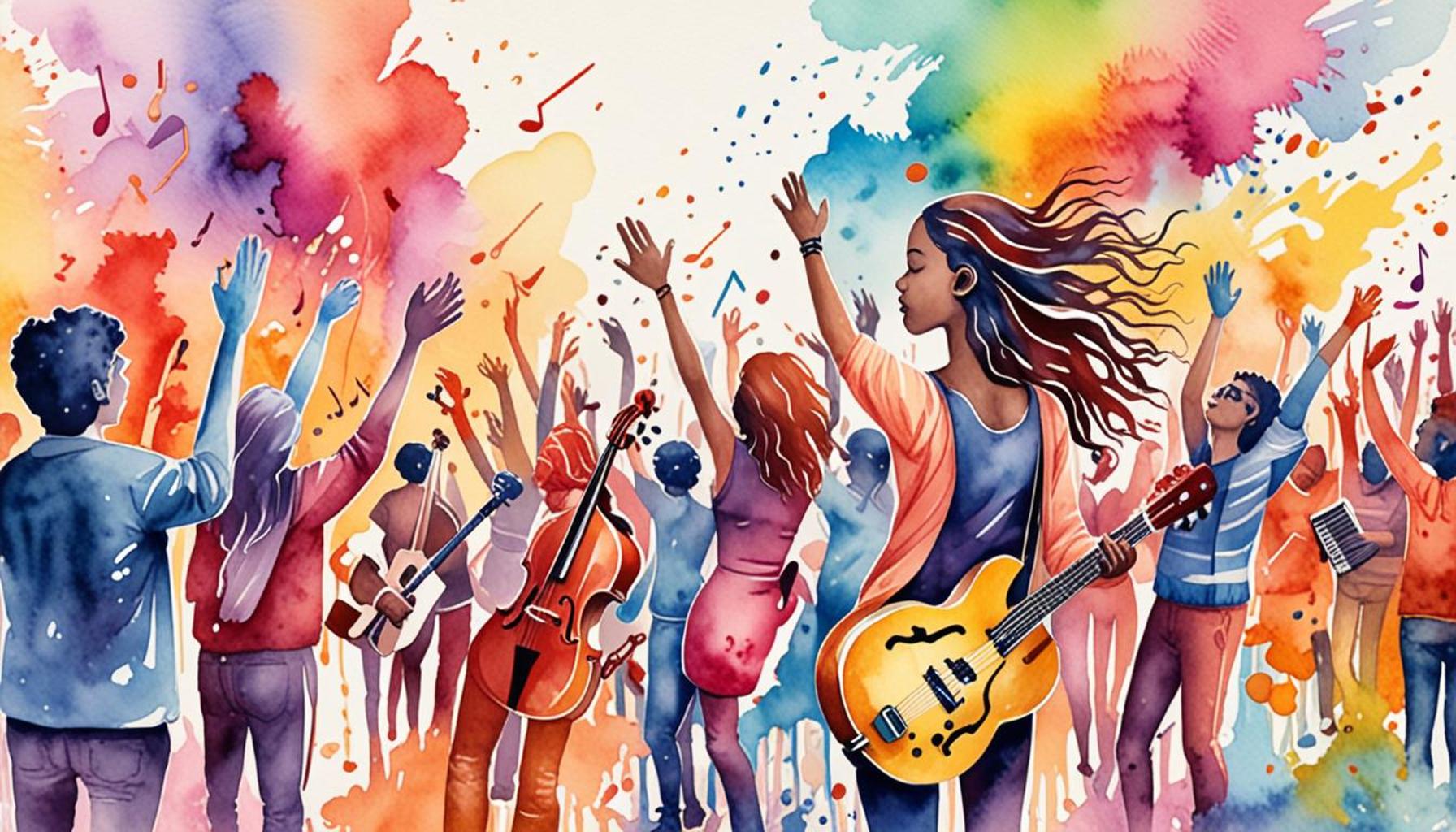
Throughout history, music has been a compelling medium for expressing dissent and rallying communities for change. The interplay between melody and meaningful lyrics has allowed artists to articulate complex social issues, often resonating with audiences in ways that written or spoken words alone cannot. Music as a form of protest taps deeply into the emotional psyche, transforming feelings of frustration and anger into collective action. This phenomenon can be seen from the early folk songs of the American labor movement to contemporary hip-hop tracks addressing systemic injustice.
One of the most notable examples is “We Shall Overcome,” which emerged as a civil rights anthem in the 1960s. Originally derived from African American spirituals, the song was adopted by civil rights activists to inspire a unified front in the struggle against racial segregation and discrimination. Its simple yet profound message—even in the face of despair—became a rallying cry for followers of leaders like Martin Luther King Jr., uniting individuals from diverse backgrounds under a shared cause.
Similarly, Bob Dylan’s “The Times They Are A-Changin'” served as an anthem during a time of significant social upheaval in the U.S. As the Vietnam War escalated and counterculture movements gained momentum, Dylan’s lyrics expressed frustration with the status quo and urged the younger generation to embrace change. This song encapsulated the spirit of the 1960s, becoming not only a soundtrack for a decade but also a call to awaken consciences and inspire activism.
Public Enemy’s “Fight the Power” further exemplifies how music can challenge systemic racism and oppression. Released in 1989, its aggressive tone and politically charged lyrics became synonymous with the fight for racial equality in America. The song’s connection to Spike Lee’s film Do the Right Thing solidified its importance in the cultural zeitgeist of the time, reinforcing the idea that music can indeed serve as a powerful weapon against inequality.
These songs highlight how genres like folk, rock, and hip-hop have historically functioned not just as entertainment but as potent tools for social change. By capturing the voices of marginalized communities and articulating shared grievances, music transcends geographical and social boundaries, forging connections between disparate groups united by common struggles. The impact of these songs continues to resonate, exemplifying the enduring relationship between art and advocacy.
In conclusion, the transformative power of music in shaping social movements cannot be overstated. As this exploration illustrates, artists from various genres have played pivotal roles in amplifying the messages of justice and equality. Understanding this connection encourages further examination of how contemporary musicians are continuing this legacy today. With new movements emerging, we are reminded of music’s unique ability to unify, inspire, and provoke thought, ultimately affirming its status as an essential instrument in the quest for social justice.
DISCOVER MORE: Click here to learn about exciting fabric painting techniques
The Evolution of Musical Protest
As we trace the development of music as a means of protest and social change, we uncover a tapestry woven with diverse genres reflecting the eras and struggles of their times. From folk to punk and hip-hop, each genre has intersected with social movements, amplifying the voices of those seeking justice. Particularly in the United States, music has served as a catalyst for activism, evolving alongside pivotal moments in history.
The folk music revival of the 1960s exemplifies how grassroots melodies can inspire a movement. Artists such as Joan Baez and Pete Seeger brought traditional folk songs to the forefront with a contemporary twist, incorporating themes of civil rights and anti-war sentiments. Their poignant performances at rallies and protests helped solidify music’s role in fostering solidarity among activists. This revival was not just a reflection of the times but a driving force that mobilized individuals towards collective action.
The punk rock scene of the 1970s and 80s further pushed the boundaries of musical protest. Bands like the Sex Pistols and The Clash used raw energy and rebellious lyrics to challenge societal norms and government policies. Through their music, they confronted issues such as economic disparity and political corruption, capturing the discontent of a generation disillusioned with the status quo. Punk rock’s anti-establishment ethos provided an outlet for the youth’s frustrations, turning anger into anthems for change.
In the late 20th and early 21st centuries, the rise of hip-hop transformed the landscape of musical protest once again. Artists like Tupac Shakur and N.W.A infused social commentary into their beats, addressing systemic racism, police brutality, and economic inequality. Songs such as “Changes” and “F* tha Police” became emblematic of the struggle against oppression in urban communities, connecting a diverse audience through shared experiences of hardship. The genre not only reflected the realities of life in marginalized neighborhoods but also spurred discussions around sensitive topics that are often ignored in mainstream discourse.
The Power of Lyrics in Activism
At the heart of music’s role in protest lies the power of lyrics. The ability of artists to articulate pain, resilience, and a desire for change resonates deeply with listeners. Here are a few ways in which lyrics serve as a powerful tool for social change:
- Emotional Connection: Music conveys feelings and experiences that may be difficult to articulate, creating a bond between the artist and listener.
- Raising Awareness: Powerful lyrics can bring attention to pressing social issues, prompting listeners to educate themselves and take action.
- Mobilization: Catchy anthems inspire collective organization, turning passive listeners into active participants in social movements.
The intertwining of music and social activism illustrates how artists wield their craft not simply for entertainment, but as a profound means to ignite change. This historical lens highlights the importance of understanding the messages embedded within musical expression and encourages deeper reflection on contemporary issues faced by society today. As we continue to explore this dynamic relationship, it becomes evident that music remains a vital instrument for protest and social change, bridging divides and fostering unity among those striving for justice.
Exploring the Impact of Music in Social Movements
The role of music as a form of protest is not just historical; it is evolving and continuing to shape movements around the globe. Throughout the decades, musicians have harnessed their art to address social and political issues, using lyrics to convey messages of resistance, empowerment, and unity. The power of a song to capture the essence of a struggle can mobilize masses, transcend cultural barriers, and even influence public policy.One pivotal example is the 1960s Civil Rights Movement in the United States, where artists like Bob Dylan and Nina Simone created anthems such as “The Times They Are A-Changin'” and “Mississippi Goddam,” respectively. Their music resonated with the struggle for civil rights, encapsulating the urgency and emotion of the era. Such songs offered not only inspiration but also a sense of community among those fighting for justice.Fast forward to the present day, and we see artists like Beyoncé and Kendrick Lamar using their platforms to address issues of racial injustice and police brutality. With powerful visuals and lyrics that tackle uncomfortable truths, they create conversations that provoke thought and action. The song “Alright” by Kendrick Lamar has become a rallying cry for the Black Lives Matter movement, signaling hope amidst despair.Moreover, music festivals and concerts have increasingly served as platforms for activism. Events like Coachella and Glastonbury incorporate themes of social change explicitly, urging attendees to engage with crucial issues. The fusion of art and activism enhances the accessibility of these messages, reaching diverse audiences and creating a lasting impact.Additionally, the rise of social media has transformed how music is interwoven with activism. Movements can gain traction quickly through viral songs or challenges, amplifying messages across vast networks of engaged listeners. This interconnectedness empowers grassroots organizing and motivates individuals to participate in ongoing struggles for equality and justice.As we delve deeper into the influence of music in social movements, it becomes clear that the intersection of melody and activism is a potent force. The emotional resonance of songs not only articulates the struggles faced by many but also provides a source of hope and solidarity. Music remains a vital expression of collective voice, proving that it can indeed inspire change on a monumental scale.
| Category | Details |
|---|---|
| Historical Significance | Songs have historically mobilized communities during protests. |
| Modern-Day Influence | Artists use platforms to highlight social issues and provoke change. |
DISCOVER MORE: Click here to explore sustainable art
The Impact of Modern Genres on Societal Issues
As we delve into the 21st century, the evolution of music as a form of protest and social change continues to demonstrate its relevance across varied genres. From mainstream pop to experimental electronic music, modern artists harness their platforms to address contemporary issues, transforming personal narratives into collective calls for justice. The rise of the internet and social media has amplified these efforts, enabling artists to reach wider audiences and mobilize support rapidly.
One of the most striking examples of this phenomenon is the Trap music genre, which has garnered significant attention over the past decade. Artists like Cardi B and Kendrick Lamar use their lyrical prowess to confront issues such as racial inequality and misogyny. Cardi B’s hit “Press” not only showcases her individuality but also serves as an anthem against the scrutiny women face in the public eye. Kendrick Lamar’s “Alright,” which gained prominence during the Black Lives Matter movement, became a rallying cry for resilience among activists. The song’s message emphasizes hope amidst adversity, illustrating how contemporary artists build on the foundations laid by genres that preceded them.
Moreover, indie and alternative music have emerged as powerful vehicles for social critique. Artists like Bon Iver and Fiona Apple frequently address mental health, environmental issues, and the fragility of human relationships through their evocative lyrics. Apple’s recent work, particularly her album “Fetch the Bolt Cutters,” has resonated with audiences by highlighting themes of female empowerment and the importance of overcoming personal struggles. This genre showcases a more introspective approach that mirrors the complexities of today’s social issues while still pushing for change.
The Role of Grassroots Movements and Collaboration
The impact of music in protest is often magnified through grassroots movements and collaborations. Events like Global Citizen Festival and Women’s Marches frequently feature performances that unify artists and audiences around common goals, such as climate action and gender equality. These gatherings highlight how music can transcend cultural and socio-economic barriers, creating spaces for dialogue and inspiration. Collaborative projects often lead to notable singles designed explicitly to raise funds and awareness, such as “Hands Together” which was part of a collective effort to support victims of social injustices.
In addition, the resurgence of protest songs has been significant in the context of political turmoil. Artists across the spectrum release singles that critique governmental policies and advocate for change. Noteworthy is how podcasts and social media facilitate discussions surrounding these songs, allowing for broader interpretations and connectedness that might not have existed otherwise. The song “This Is America” by Childish Gambino draws attention to gun violence and racial issues in a poignant, visual masterpiece that continues to inspire debates online and offline.
As these discussions evolve, it becomes clear that the art of protest through music has become more nuanced and layered, reflecting the complexities of modern social movements. As society grapples with a myriad of challenges, from systemic racism to climate change, the role of music remains crucial in its capacity to articulate rage, evoke empathy, and foster solidarity among those fighting for justice. By examining the thematic depth within both lyrics and collaborations, we can appreciate the instrumental position music holds in the ongoing quest for change.
DIVE DEEPER: Click here to unlock your creativity
Conclusion: The Resonance of Music in Activism
In summary, the role of music as a form of protest and social change is as vital today as it has ever been. Throughout history, music has served as a powerful medium for expressing dissent, raising awareness about injustices, and inspiring collective action. As contemporary artists leverage their platforms to address pressing issues, the impact of genres like Trap and indie music is palpable, channeling the hopes and frustrations of a generation striving for meaningful change.
The rise of digital platforms enhances this dialogue, allowing musicians to connect with activists and audiences far beyond traditional boundaries. Not only does music foster a unique sense of solidarity among movements, but it also amplifies diverse voices that may otherwise go unheard. Events such as the Global Citizen Festival illustrate the transformative potential of collaborative efforts where music becomes a unifying force, transcending socio-economic and cultural divides.
As we move forward, it is essential for listeners and creators alike to recognize music’s profound capacity to shape narratives and inspire action. Engaging with protest songs and their underlying themes not only deepens our understanding of societal issues but also cultivates empathy and drives us collectively towards a more equitable world. The ongoing evolution of music in the context of protest underscores its significance not just as an art form, but as a crucial vehicle for social change. As the melodies and lyrics continue to resonate, they remind us of our shared responsibility to strive for justice and equality, reaffirming that in every note lies the potential for profound transformation.
Related posts:
Exploring Cultural Diversity Through Musical Expression
The Influence of Music on Emotional Expression: How to Create Songs that Reflect Personal Feelings
The Role of Musical Genres in the Construction of Personal Narratives
Exploring Musical Improvisation as a Form of Creative Freedom and Self-Expression
How Musical Improvisation Can Enhance Creativity
The Role of Music in Building Creative Communities

Linda Carter is a writer and creative hobbies expert specializing in crafting, DIY projects, and artistic exploration. With extensive experience helping individuals discover their creative potential and bring their ideas to life, Linda shares her knowledge on our platform. Her goal is to empower readers with practical tips, inspiring ideas, and step-by-step strategies for success in the world of creative hobbies.